
Fascia Release Crash Course: Adductor Brevis Release, the Best Remedy for Hip Pain
Original title (JP): 筋膜リリス集中講座:短内転筋リリース!股関節の痛みの特効薬

Supervised by
Shogo Fujii
Physiotherapist (PT) · Founder of the SHOGO FUJII® FASCIA METHOD
View profile →Clinical Article · 8 min read
Persistent low back pain can significantly impact daily life, often stemming from unexpected areas. One such crucial area is the short adductor muscle, deep within the inner thigh. Understanding and addressing tension in this muscle through adductor fascia release for low back pain can offer profound relief, particularly for those experiencing chronic discomfort, hip pain, or even knee issues. This article explores the anatomy, assessment, and therapeutic application of releasing the short adductor to improve spinal mechanics and overall mobility.
Why Your Short Adductor Muscle Might Be Causing Low Back Pain
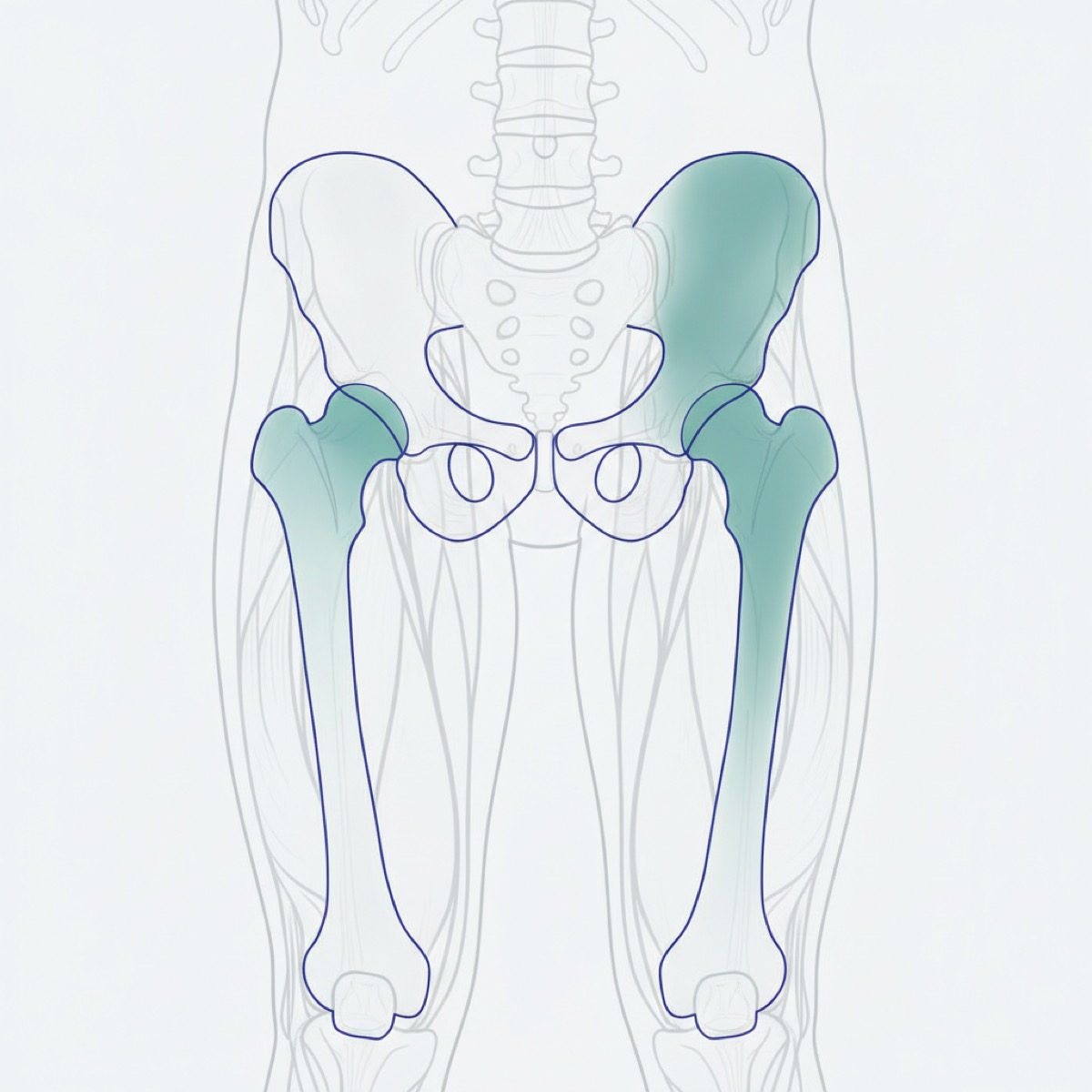
The short adductor muscle, located in the inner thigh, is often overlooked but plays a significant role in pelvic stability and lower limb function. When you sit cross-legged and feel a taut band on your inner thigh, you're likely palpating this key muscle. Its proximity to the pubic symphysis makes its release particularly effective for addressing a range of musculoskeletal issues, including low back, hip, and knee pain [1].
A common scenario where the short adductor becomes problematic is in postpartum low back pain. During childbirth, the sacroiliac joints often open, which can lead to instability. This instability, transmitted through the body's fascial lines, can manifest as significant tightness and trigger points in the adductor muscles. The subsequent early weight-bearing after childbirth, coupled with persistent sacroiliac joint misalignment and adductor tightness, frequently contributes to chronic low back pain in new mothers [2].
Releasing the specific tender points in the short adductor, especially those closest to the pubic bone, has been observed to dramatically reduce pain. This technique is not only beneficial for postpartum low back pain but is also frequently utilized for general low back pain, hip pain, and knee pain, demonstrating the interconnectedness of the fascial system [3].
Identifying Short Adductor Tightness and Its Impact
Accurately identifying tension in the short adductor is crucial for effective treatment. Clinicians can begin by having the patient lie supine with their legs open. Gently palpating the inner thigh will reveal the most prominent, taut band – this is typically the short adductor. Rolling the fingers across the muscle can help locate areas of significant hardness or "gristle" that indicate fascial restriction.
Pain provocation tests are key to confirming the short adductor's involvement. One common method involves a modified lunge position: the patient steps forward, bearing weight onto the front leg, while the therapist applies firm pressure with a thumb into the identified taut band of the short adductor. Observing if this action alters or reduces the patient's pain in the hip, knee, or lower back helps confirm the muscle's contribution to their symptoms. A similar test can be performed in a supine position, applying direct pressure while monitoring for pain changes [4].
If the patient experiences a noticeable change in their pain or an improvement in their movement (e.g., easier weight bearing, reduced stiffness), it strongly suggests that the short adductor is a primary contributor to their discomfort. Conversely, if no significant change occurs, further investigation into other potential sources of pain may be necessary, or the precise location of the restriction might need re-evaluation.
Performing the Short Adductor Fascia Release Technique
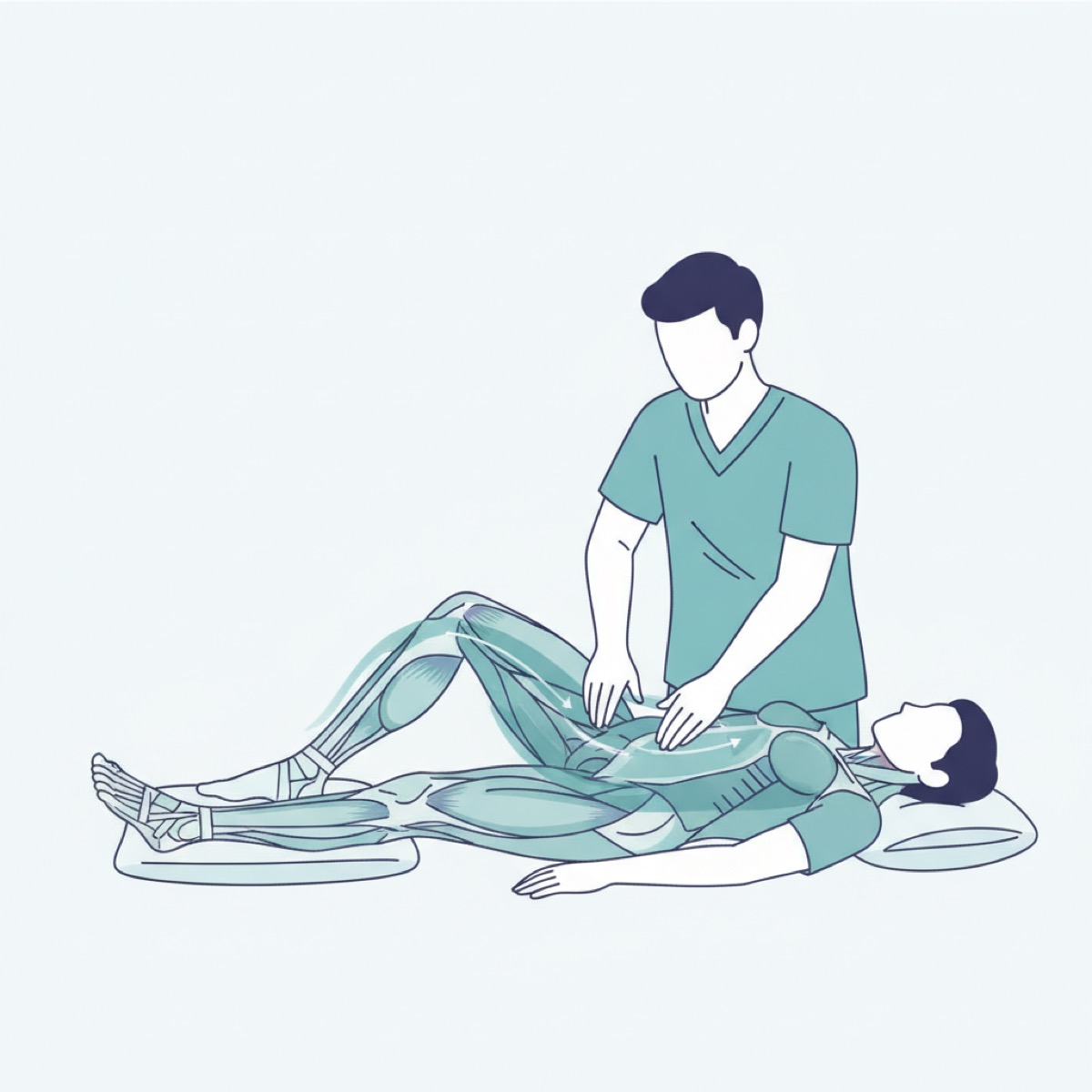
The short adductor fascia release is a hands-on technique designed to restore mobility and reduce tension. To begin, the patient lies supine (on their back). The therapist then gently guides the patient's leg into external rotation and abduction, often resting the patient's foot on the therapist's own thigh for support. This position helps to slacken the adductor muscles, making it easier to access the deeper restrictions.
With the leg positioned, the therapist uses three fingers to palpate the short adductor, again identifying the most restricted "gristle-like" areas, particularly those closest to the pubic symphysis. The core of the technique involves applying gentle, sustained pressure and traction. The therapist's fingers apply pressure to the taut adductor band while simultaneously guiding the tissue towards the medial femoral condyle (the inner bony prominence of the knee).
While maintaining this traction, a subtle oscillating or vibrating motion is introduced. The goal is not just to press, but to "stretch" or "separate" the fascial layers, allowing the muscle to relax and lengthen. As the tissue releases, the therapist may feel the "gristle" dissipate, and the patient often reports a softening sensation or a reduction in local tenderness. This process is repeated, gradually increasing the hip abduction angle as the muscle relaxes, further enhancing the release [5].
Benefits and Expected Outcomes of Adductor Fascia Release
Successful adductor fascia release for low back pain can lead to immediate and tangible improvements in patient symptoms and functional movement. Following the release, patients often report a significant decrease in their low back pain, hip discomfort, and even knee pain. This is particularly true for individuals experiencing postpartum low back pain, where the technique has shown considerable efficacy [6].
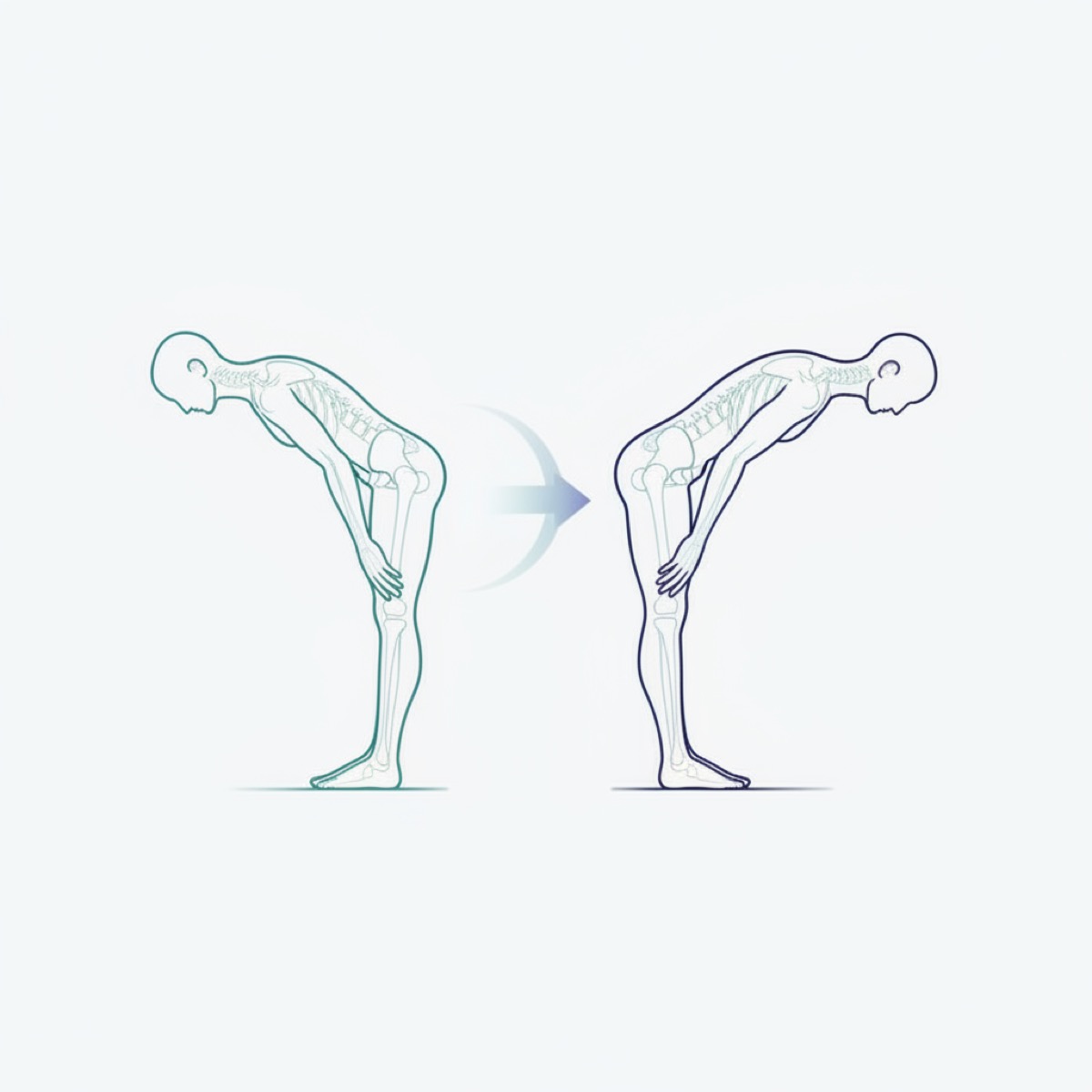
Beyond pain reduction, clinicians will observe improvements in objective measures. For example, a patient who previously struggled with forward bending or back extension may find these movements significantly easier and less restricted. The ease of weight-bearing during activities like walking or the ability to comfortably sit cross-legged can also improve. These immediate changes serve as valuable indicators of the technique's effectiveness.
It's important to note that while some individuals may experience profound relief, the extent of improvement can vary. The technique is typically integrated into a broader rehabilitation plan. Regular re-evaluation of movement patterns and pain levels helps track progress and guides further therapeutic interventions. The aim is to empower the body's natural healing processes by addressing underlying fascial restrictions.
Frequently asked questions
Is adductor fascia release safe for everyone? — While generally considered safe when performed by a trained clinician, it’s essential to have a thorough assessment to determine if this technique is appropriate for your specific condition. Individuals with certain medical conditions or acute injuries may require modifications or alternative treatments. Always consult with a healthcare professional before beginning any new therapy.
Can adductor fascia release help with conditions other than low back pain? — Yes, the short adductor muscle's interconnectedness within the fascial system means its release can benefit various conditions. It is frequently employed for relief of hip pain (including some forms of osteoarthritis), knee pain, and is particularly noted for its effectiveness in addressing postpartum low back pain due to its influence on pelvic stability.
How long does it take to feel results from adductor fascia release? — Many individuals report immediate changes in pain levels or ease of movement after a single session. However, the duration and consistency of results can vary depending on the chronicity and severity of the condition. A series of treatments, combined with complementary exercises and lifestyle adjustments, often yields the most lasting benefits.
References
- [1]Wilke J, Vogt L, Niederer D, Banzer W. Is remote stretching based on myofascial chains as effective as local exercise? A randomised-controlled trial. J Sports Sci. 2017;35(20):2021–2027.
- [2]Palomeque-del-Cerro L, Arráez-Aybar LA, Rodríguez-Blanco C, et al. A systematic review of the soft-tissue connections between neck muscles and dura mater: the myodural bridge. Spine. 2017;42(1):49–54.
- [3]Woolf CJ. Central sensitization: implications for the diagnosis and treatment of pain. Pain. 2011;152(3 Suppl):S2–S15.
- [4]Tracey KJ. The inflammatory reflex. Nature. 2002;420(6917):853–859.
- [5]Mayer EA. Gut feelings: the emerging biology of gut–brain communication. Nat Rev Neurosci. 2011;12(8):453–466.
- [6]Cryan JF, Dinan TG. Mind-altering microorganisms: the impact of the gut microbiota on brain and behaviour. Nat Rev Neurosci. 2012;13(10):701–712.
Related videos

Palpation X-Ray #84 | Is the Sacrum Really a Flat Plate? It's a Wedge, Wide at the Top and Narrowing Downward — Trace Down from the Lumbar Spine and Confirm at Gluteus Maximus
0:56
Dramatic Improvement in One Session: Manual Approach to the Pelvic Girdle, with Palpation of Anatomical Landmarks and Movement Assessment Before and After (Hands-On Demo)
5:48