Transforming Gait with Fascia Release: A Challenge
Original title (JP): 【超有料級】1回の筋膜リリースで歩行がどこまで変わるのかをチャレンジしてみた。

Supervised by
Shogo Fujii
Physiotherapist (PT) · Founder of the SHOGO FUJII® FASCIA METHOD
View profile →Clinical Article · 5 min read
Fascia release for low back pain is gaining attention for its potential to transform gait and alleviate discomfort. Whether you're a clinician or an informed patient, understanding how fascia impacts movement can be pivotal in addressing low back issues. This article explores techniques and insights from Shogo Fujii's approach to fascia therapy, offering a glimpse into how these methods can potentially improve your walking pattern and overall spinal health.
How can fascia release improve your gait?
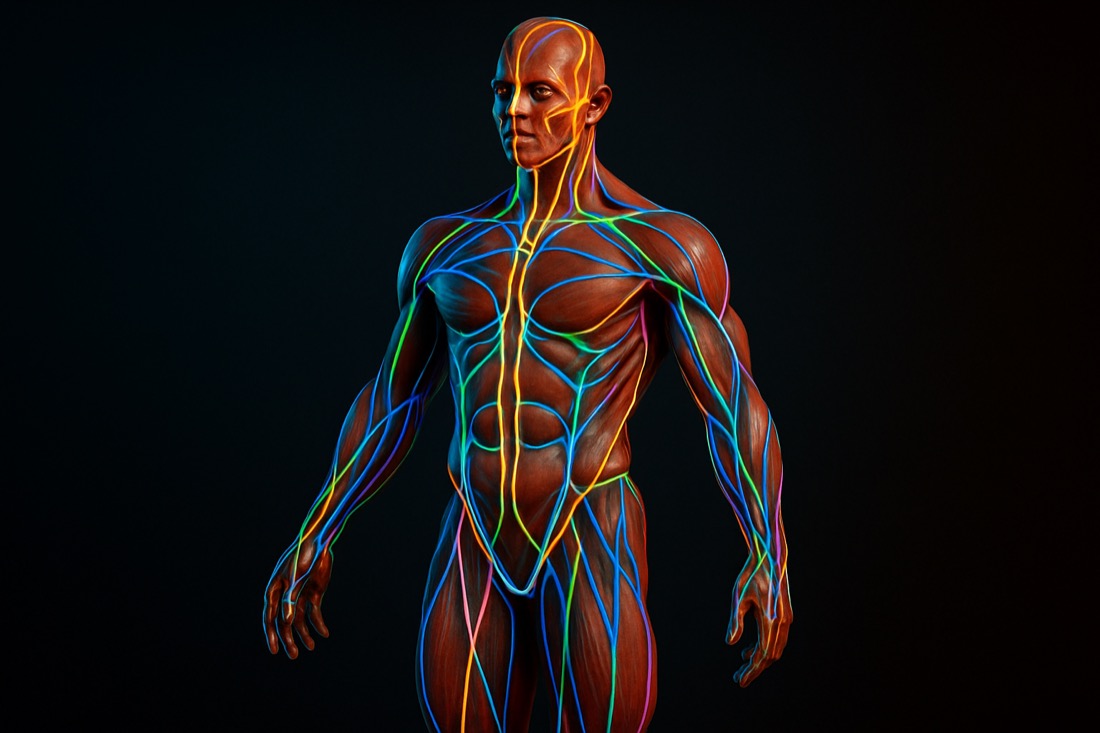
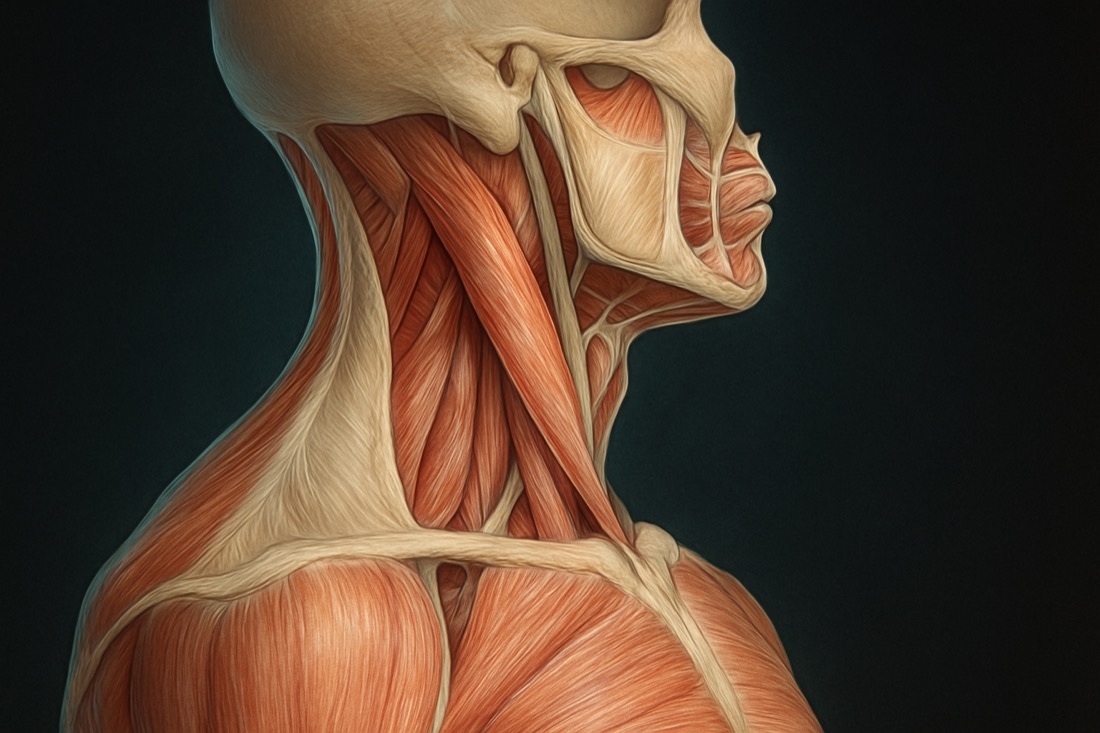
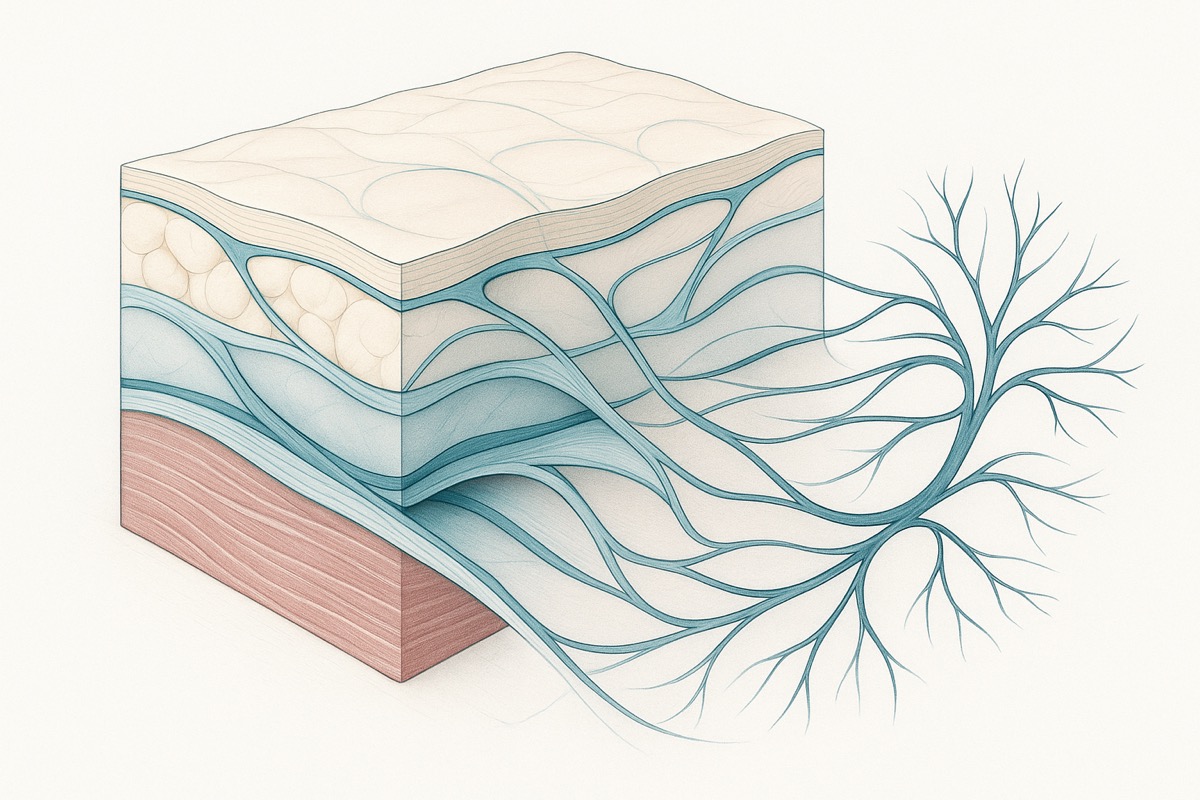
Fascia is a connective tissue that plays a crucial role in maintaining the structural integrity of the body. When fascia becomes tight or restricted, it can lead to imbalances and distortions in posture and movement. Releasing fascia, particularly in the lower back, can help realign the spine and improve gait patterns. This process involves assessing the central line of the body to identify areas of tension and stiffness, which can then be gently manipulated to enhance flexibility and movement [1].
Clinicians often focus on the lumbar region, as restrictions here can affect the entire spine and subsequently the way we walk. By releasing fascia in this area, patients may experience a more balanced and efficient gait, reducing compensatory patterns that can lead to further discomfort or injury [2].
Why does low back pain affect your walking?
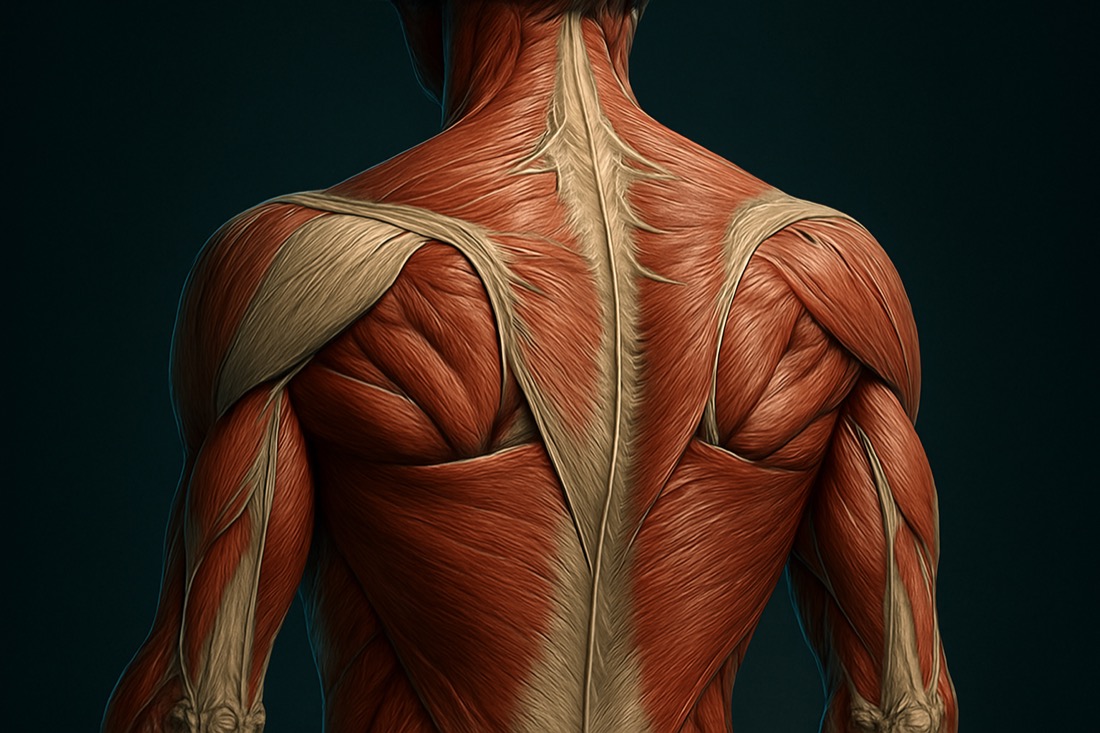
Low back pain can significantly impact one's ability to walk comfortably and efficiently. The lumbar spine supports much of the body's weight, and any imbalance or misalignment here can alter gait mechanics. Pain often leads to compensatory movements, where other parts of the body adjust to avoid discomfort, potentially causing further issues [3].
Addressing the underlying fascia restrictions through targeted release techniques can help restore proper alignment and improve walking patterns. This approach not only alleviates pain but also enhances overall movement efficiency, reducing the risk of further injury [4].
What is the role of the central line in fascia therapy?
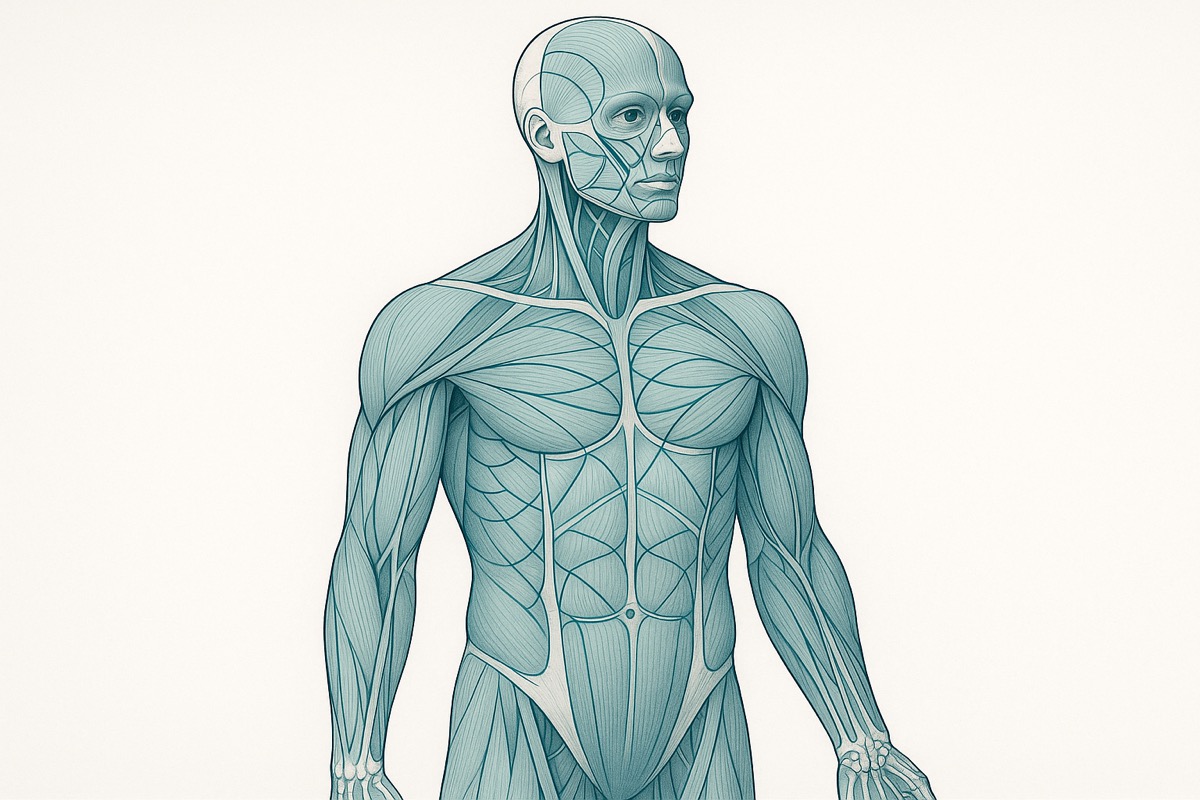
The central line is a key concept in fascia therapy, representing the body's main axis of support and alignment. By evaluating the central line, practitioners can identify areas where fascia may be contributing to postural imbalances. These imbalances often manifest as stiffness or rigidity, particularly in the lower back [5].
Through careful assessment and manipulation of the central line, fascia release techniques aim to restore balance and symmetry to the body's structure. This not only enhances the function of the spine but also improves overall movement patterns, including gait [6].
How does fascia release benefit the spine?
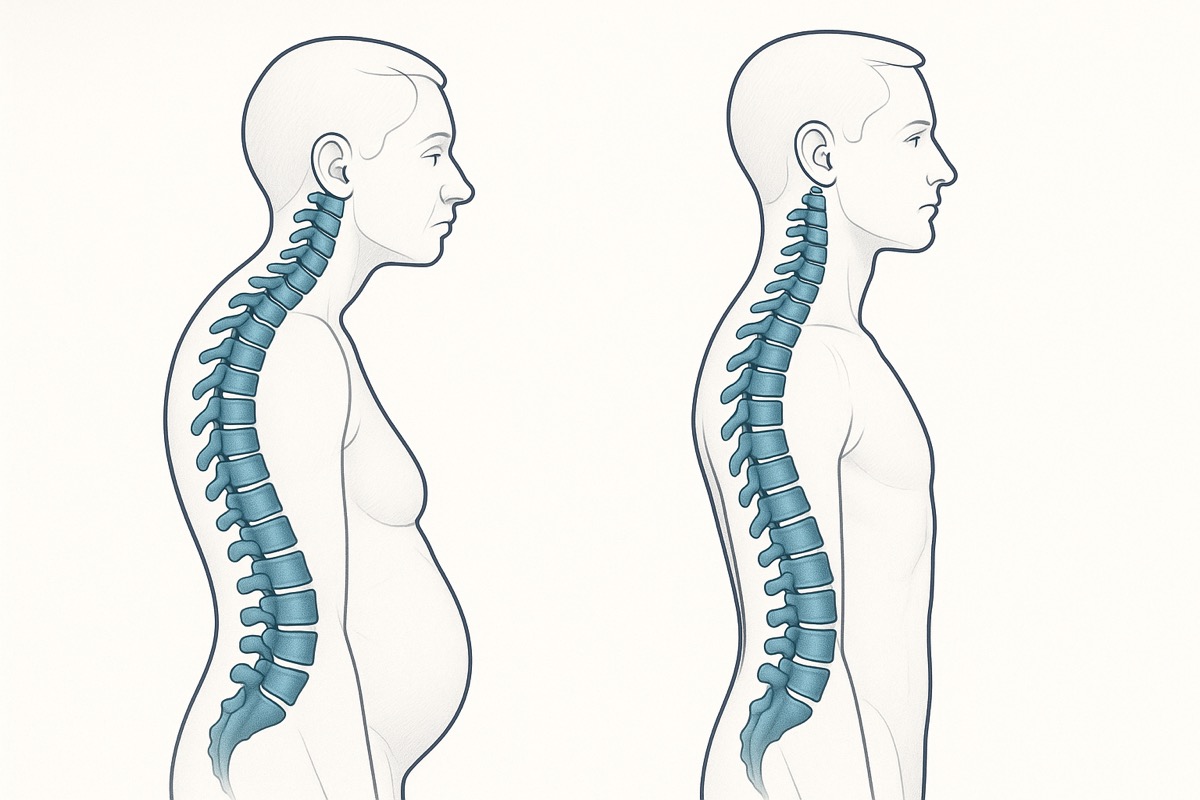
Fascia release can have profound effects on spinal health by addressing areas of tension and facilitating proper alignment. In the context of low back pain, releasing fascia can help realign the vertebrae, reducing pressure on the spine and alleviating discomfort.
By improving the elasticity and flexibility of fascia, patients may experience reduced pain and improved mobility. This approach supports the spine's natural curvature, promoting a healthier posture and more efficient movement patterns, which are essential for daily activities and overall well-being.
Frequently asked questions
Is fascia release safe? — Fascia release is generally considered safe when performed by a trained professional. It involves gentle manipulation and should not cause pain. However, it's important to consult with a healthcare provider before beginning any new treatment.
Can fascia release cure low back pain? — While fascia release can significantly alleviate symptoms and improve function, it is not a guaranteed cure. It's part of a holistic approach to managing low back pain, often used in conjunction with other therapies.
How often should fascia release be done? — The frequency of fascia release sessions can vary based on individual needs and the severity of symptoms. Typically, a series of sessions may be recommended to achieve optimal results, followed by maintenance treatments as needed.
References
- [1]Stecco C, Stern R, Porzionato A, et al. Hyaluronan within fascia in the etiology of myofascial pain. Surg Radiol Anat. 2011;33(10):891–896.
- [2]Ajimsha MS, Al-Mudahka NR, Al-Madzhar JA. Effectiveness of myofascial release: a systematic review of randomized controlled trials. J Bodyw Mov Ther. 2015;19(1):102–112.
- [3]Tozzi P, Bongiorno D, Vitturini C. Fascial release effects on patients with non-specific cervical or lumbar pain. J Bodyw Mov Ther. 2011;15(4):405–416.
- [4]Zügel M, Maganaris CN, Wilke J, et al. Fascial tissue research in sports medicine: from molecules to tissue adaptation, injury and diagnostics: consensus statement. Br J Sports Med. 2018;52(23):1497.
- [5]Klingler W, Velders M, Hoppe K, Pedro M, Schleip R. Clinical relevance of fascial tissue and dysfunctions. Curr Pain Headache Rep. 2014;18(8):439.
- [6]Wilke J, Vogt L, Niederer D, Banzer W. Is remote stretching based on myofascial chains as effective as local exercise? A randomised-controlled trial. J Sports Sci. 2017;35(20):2021–2027.