
How to Create the 'Hand of God'
Original title (JP): 神の手を作る方法

Supervised by
Shogo Fujii
Physiotherapist (PT) · Founder of the SHOGO FUJII® FASCIA METHOD
View profile →Clinical Article · 5 min read
Fascia therapy is an emerging method for addressing low back pain, utilizing specialized hand techniques that tap into the body's natural healing processes. This article delves into the 'Hand of God' approach, a term coined by Shogo Fujii, which emphasizes the intricate use of hand and wrist bones to enhance therapeutic touch and improve outcomes for low back discomfort.
How does fascia therapy alleviate low back pain?
Fascia therapy focuses on releasing tension in the connective tissues that surround muscles and organs. For low back pain, this method can be particularly effective because it targets the fascia that may be restricting movement or causing discomfort. By using precise hand techniques, therapists can gently manipulate the fascia, leading to reduced pain and improved mobility[1].
The 'Hand of God' technique emphasizes the use of the carpal bones in the wrist to enhance the therapist's touch. This allows for a more nuanced interaction with the fascia, potentially leading to more significant therapeutic effects. The approach is based on the understanding that small, intricate movements can have a profound impact on the body's fascia network, particularly in complex areas like the low back[2].
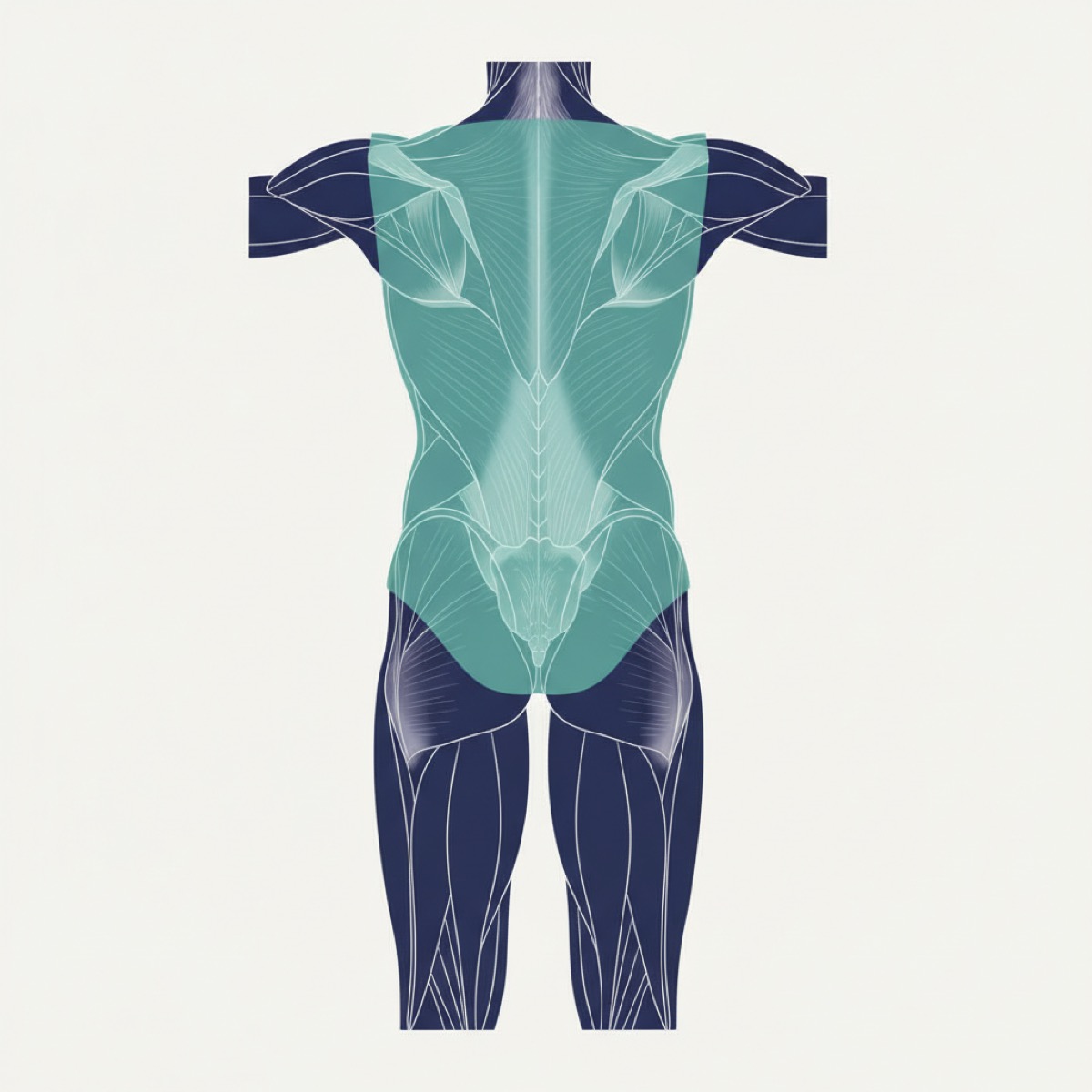
Why does low back pain persist despite treatment?
Persistent low back pain can result from various underlying issues, including muscle tension, joint dysfunction, and fascia restrictions. Even after traditional treatments, these factors may remain unaddressed, leading to ongoing discomfort. Fascia therapy offers a complementary approach by focusing on the connective tissues that other treatments might overlook[3].
The complexity of the human body's fascial network means that issues in one area, such as the neck, can affect the low back. For instance, tension in the neck muscles can increase stress on the lower back, perpetuating pain. By addressing fascia-related tension in the entire body, therapists can often provide relief where other methods have failed[4].
How to perform the 'Hand of God' technique
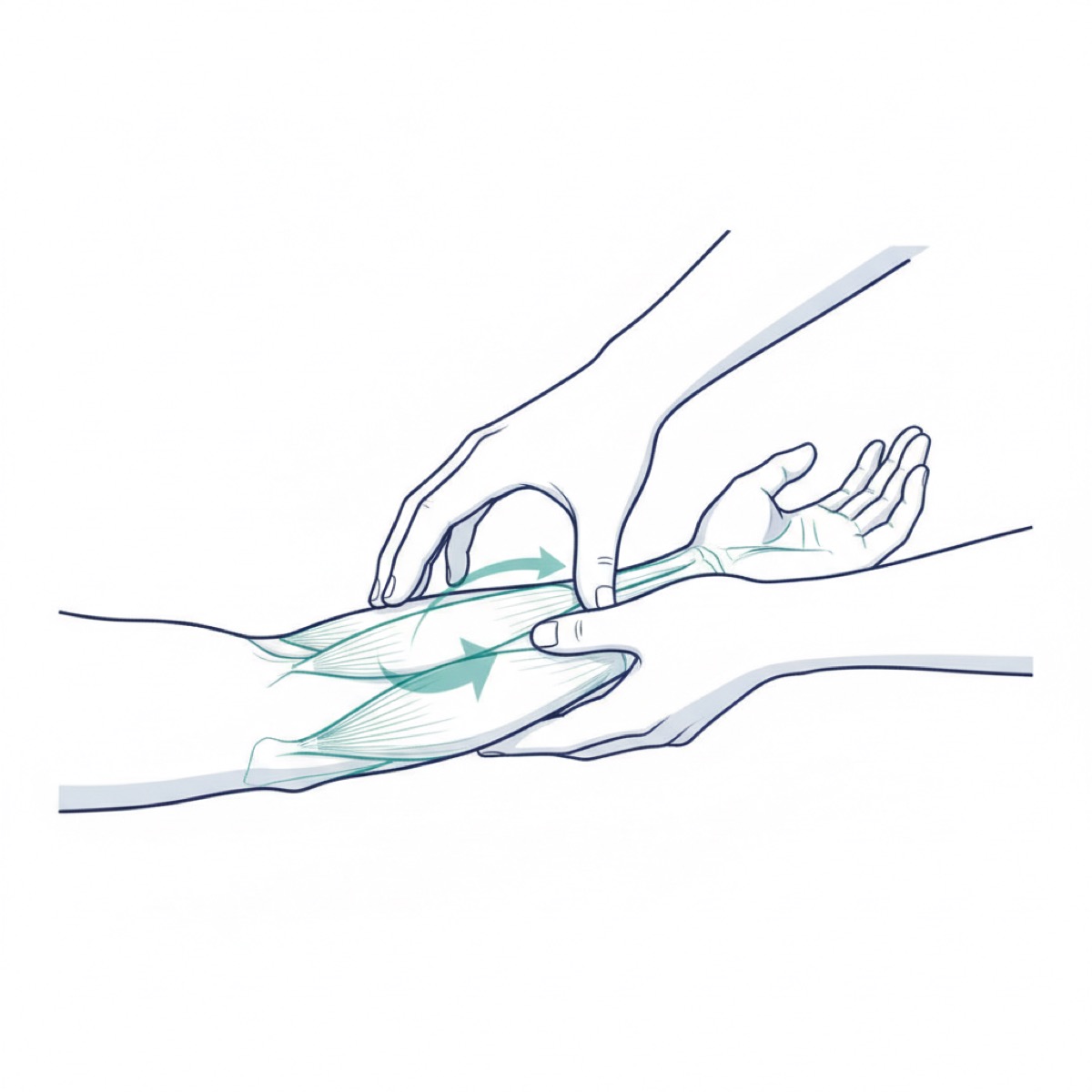
The 'Hand of God' technique requires a deep understanding of hand anatomy and a gentle touch. It involves using the carpal bones to guide the therapist's hand movements, allowing for precise engagement with the fascia. This technique is particularly effective for pelvic adjustments and can dramatically enhance the effectiveness of fascia therapy[5].
Practitioners are encouraged to study the anatomy of the hand, particularly the structure of the carpal and metacarpal bones. By mastering these details, therapists can improve their ability to manipulate fascia and provide more effective treatments. This approach is not about applying force but rather about using the hand's natural structure to interact with the fascia in a meaningful way.
What to expect from a fascia therapy session
During a fascia therapy session, you can expect a thorough assessment of your posture and movement patterns. The therapist will use their hands to gently release fascia restrictions, focusing on areas that may be contributing to your low back pain. The goal is to improve mobility and reduce pain through targeted fascia manipulation[6].
Sessions are typically gentle and should not be painful. Patients often report feeling relaxed and more mobile after treatment. Over time, regular sessions can lead to significant improvements in pain levels and overall function. It's important to communicate with your therapist about any discomfort or changes you experience during treatment.
Frequently asked questions
Is fascia therapy safe? — Yes, fascia therapy is generally considered safe when performed by a trained professional. It involves gentle manipulation of the fascia and should not cause pain.
How many sessions are needed for results? — The number of sessions required varies depending on the individual's condition and response to treatment. Some people experience relief after just a few sessions, while others may need ongoing therapy.
Can fascia therapy be combined with other treatments? — Yes, fascia therapy can complement other treatments such as physical therapy, chiropractic care, and massage. It's important to discuss any combination of treatments with your healthcare provider.
References
- [1]Tracey KJ. The inflammatory reflex. Nature. 2002;420(6917):853–859.
- [2]Mayer EA. Gut feelings: the emerging biology of gut–brain communication. Nat Rev Neurosci. 2011;12(8):453–466.
- [3]Cryan JF, Dinan TG. Mind-altering microorganisms: the impact of the gut microbiota on brain and behaviour. Nat Rev Neurosci. 2012;13(10):701–712.
- [4]Guo R, Chen LH, Xing C, Liu T. Pain regulation by gut microbiota: molecular mechanisms and therapeutic potential. Br J Anaesth. 2019;123(5):637–654.
- [5]Ricciotti E, FitzGerald GA. Prostaglandins and inflammation. Arterioscler Thromb Vasc Biol. 2011;31(5):986–1000.
- [6]Salehi B, Venditti A, Sharifi-Rad M, et al. The therapeutic potential of apigenin. Int J Mol Sci. 2019;20(6):1305.