Curing Unexplained Lower Back Pain in One Session
Original title (JP): 病院で原因不明の腰痛を1回で治す動画↓

Supervised by
Shogo Fujii
Physiotherapist (PT) · Founder of the SHOGO FUJII® FASCIA METHOD
View profile →Clinical Article · 5 min read
Fascia release for low back pain is gaining attention as an effective approach to alleviate discomfort. In this article, we explore a session led by Shogo Fujii, demonstrating techniques that integrate the body's connective tissues to address unexplained lower back pain. Discover how targeted therapy can potentially provide relief and improve mobility.
How does fascia release alleviate low back pain?
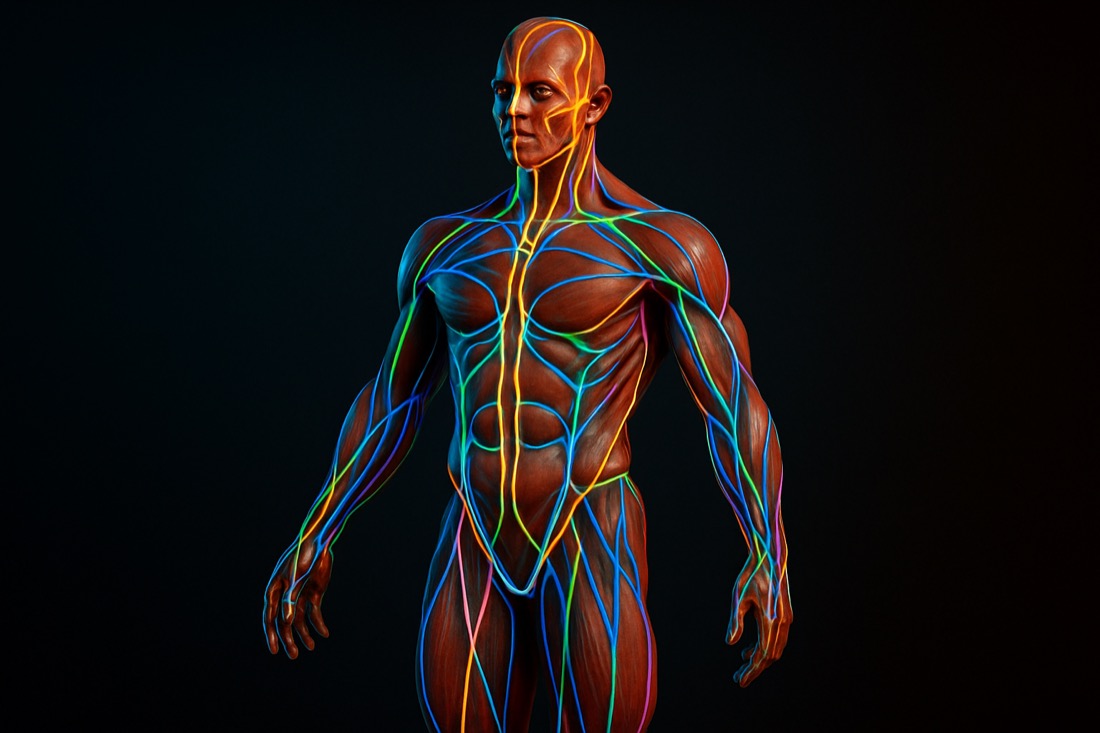
Fascia release is a technique that focuses on the connective tissues surrounding muscles, bones, and organs. Shogo Fujii emphasizes the importance of understanding the body's central line, which includes the pelvis and spine, to effectively target and alleviate pain. By assessing the comprehensive connections within the body, fascia release aims to restore balance and reduce tension [1].
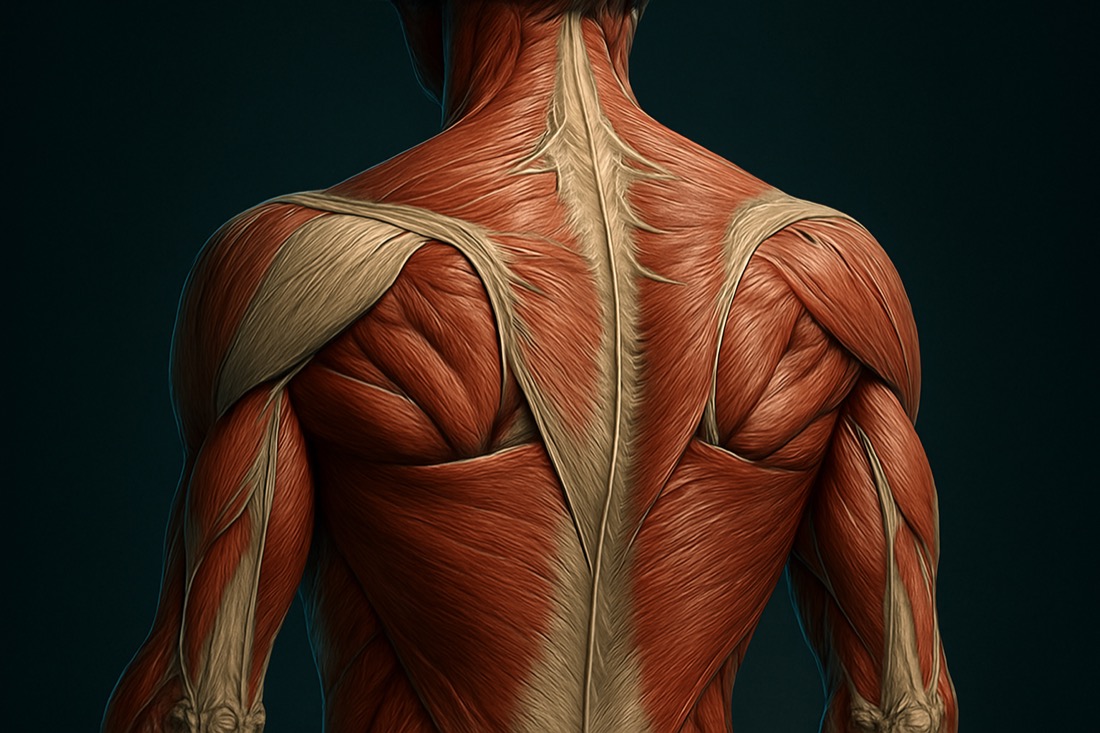
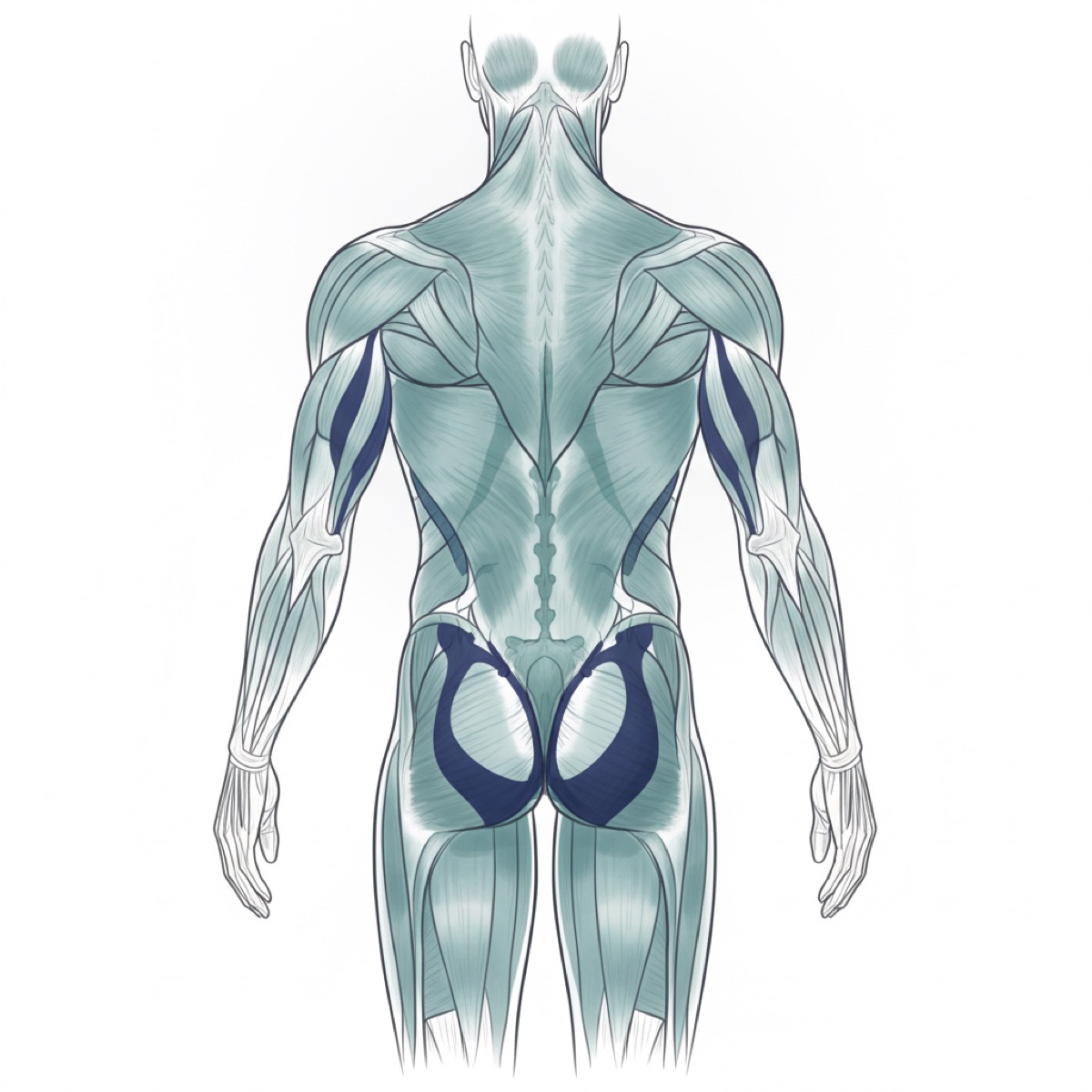
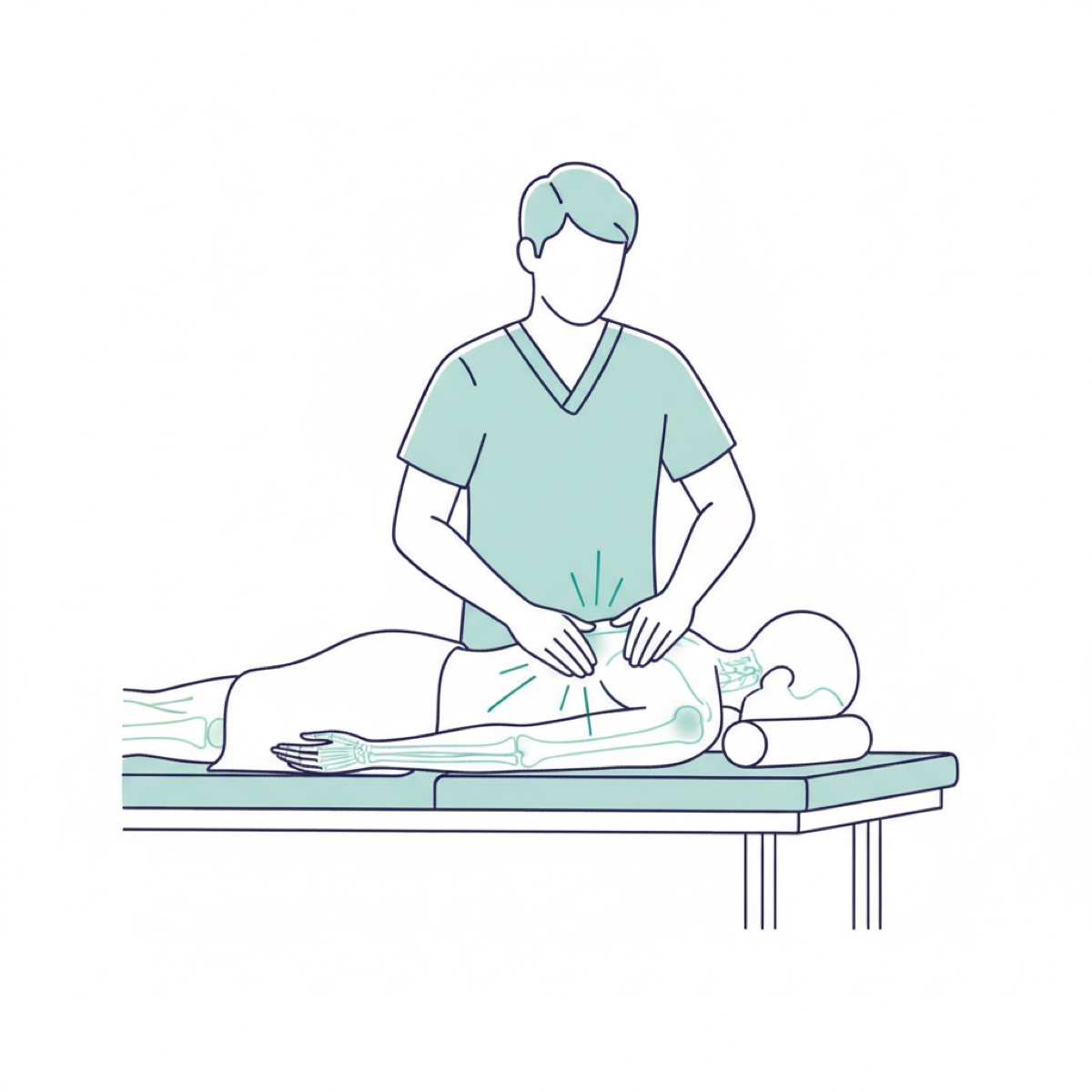
In the session, Fujii demonstrates how manipulating tension points, particularly in the calf and sacrum, can significantly impact the low back. The technique involves gentle vibration and manipulation, which helps to break the tension and restore movement. This method not only addresses the symptom of pain but also works on the underlying structural issues.
Why does fascia release work for unexplained pain?
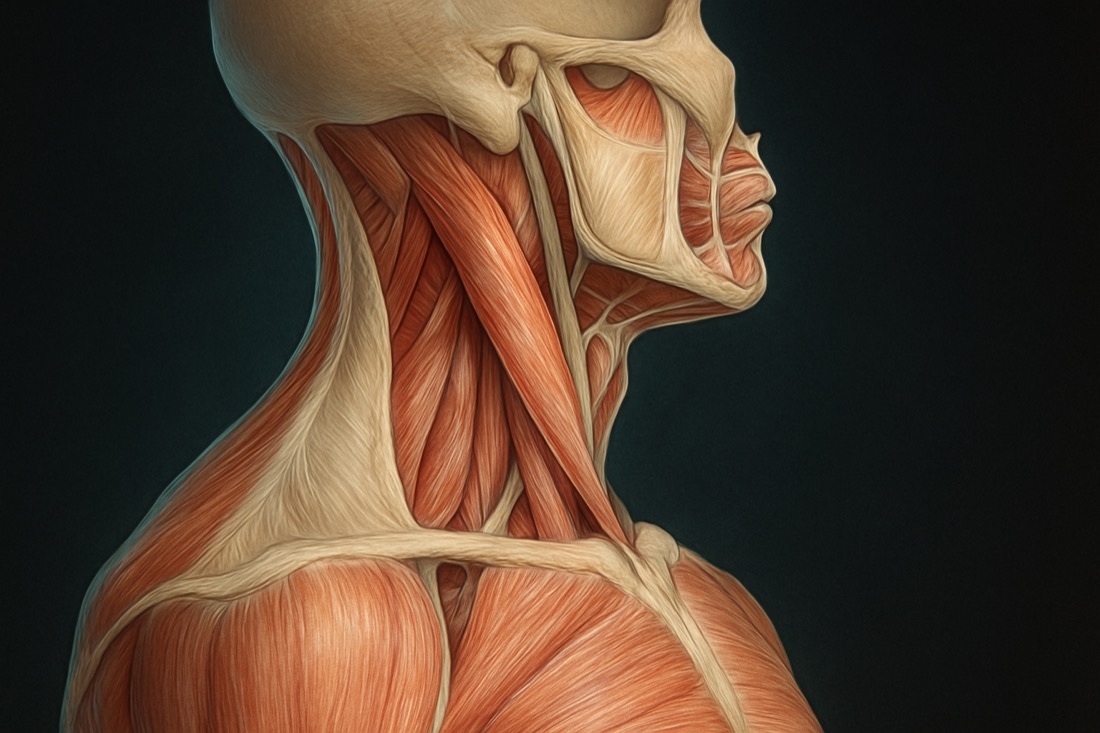
Unexplained pain often stems from disruptions in the fascia, which can lead to restricted movement and discomfort. The fascia's role in connecting different parts of the body means that tension or tightness in one area, like the calf, can affect others, such as the lower back [2].
Fujii highlights that by addressing these interconnected areas, fascia release helps to alleviate pain. This approach encourages the body to move more freely, reducing the strain on affected areas and promoting healing. Understanding the interconnectedness of the fascia is key to this therapeutic approach.
What to expect from a fascia therapy session?
In a typical fascia therapy session, practitioners like Fujii will assess the body’s alignment and identify areas of tightness. The session may involve techniques such as gentle vibrations, manipulations, and guided movements to release tension and improve mobility [3].
Patients can expect some discomfort as the fascia is manipulated, but this is usually temporary and part of the healing process. As the session progresses, the body often begins to respond with increased flexibility and reduced pain, offering a glimpse of the potential benefits of fascia release therapy.
How does fascia release improve movement?
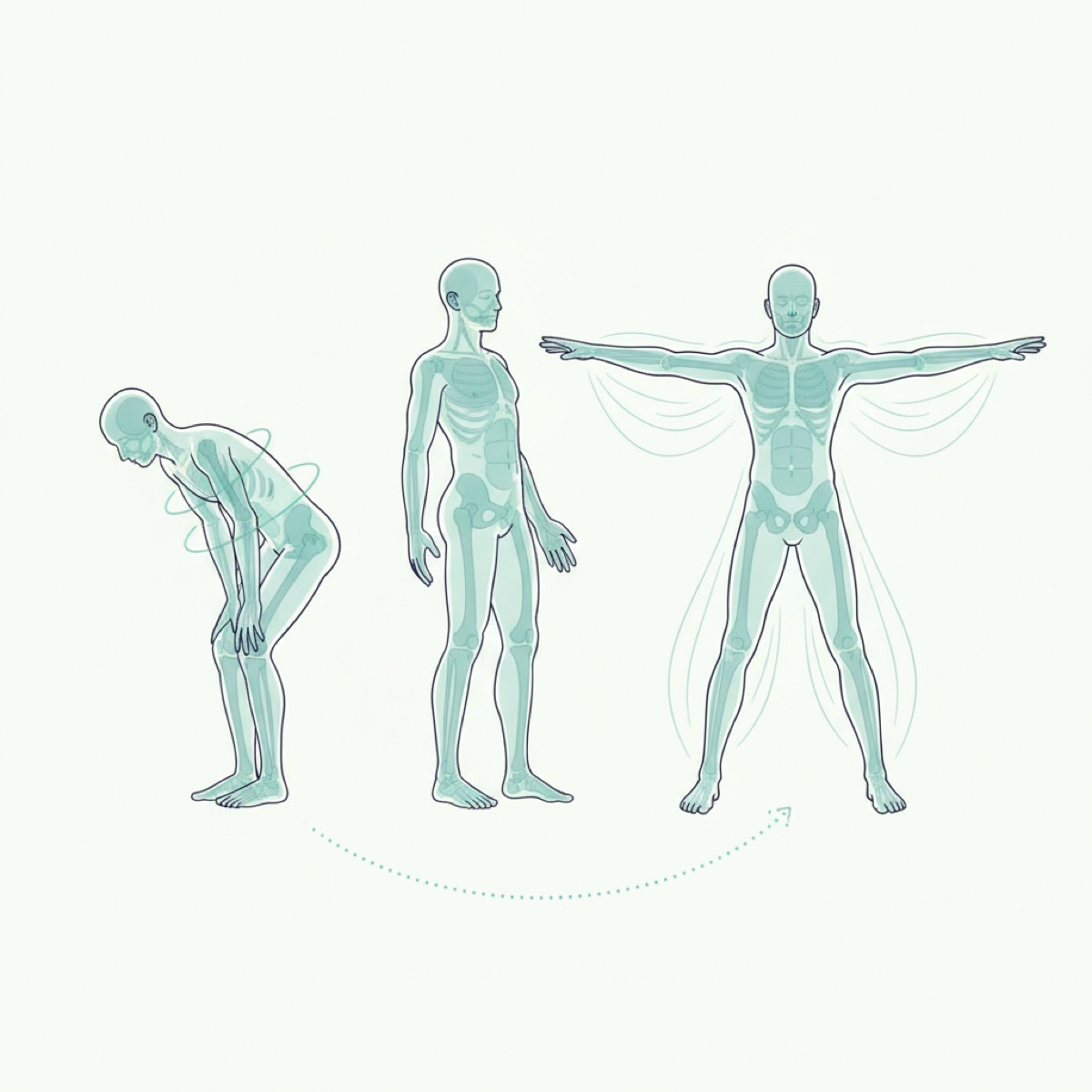
Fascia release techniques, such as those demonstrated by Fujii, aim to improve movement by targeting areas where the fascia is tight or restricted. This involves techniques like manipulating the tension in the calf and sacral area to facilitate better movement in the lower back [4].
By focusing on these areas, the therapy enhances the body's overall alignment and function, allowing for smoother and more natural movement. This can be particularly beneficial for individuals experiencing stiffness or restricted mobility due to fascia-related issues.
Frequently asked questions
Is fascia release safe? — Fascia release is generally considered safe when performed by a trained practitioner. It involves gentle techniques that aim to release tension without aggressive manipulation [5].
Can fascia release provide immediate relief? — While some patients report immediate relief, results can vary. The therapy aims to address the root causes of pain, which may take several sessions for full benefits to be realized [6].
Who can benefit from fascia release? — Individuals with chronic pain, restricted movement, or unexplained discomfort may find fascia release beneficial. It is important to consult with a healthcare provider to determine its suitability for your specific condition.
References
- [1]Klingler W, Velders M, Hoppe K, Pedro M, Schleip R. Clinical relevance of fascial tissue and dysfunctions. Curr Pain Headache Rep. 2014;18(8):439.
- [2]Wilke J, Vogt L, Niederer D, Banzer W. Is remote stretching based on myofascial chains as effective as local exercise? A randomised-controlled trial. J Sports Sci. 2017;35(20):2021–2027.
- [3]Palomeque-del-Cerro L, Arráez-Aybar LA, Rodríguez-Blanco C, et al. A systematic review of the soft-tissue connections between neck muscles and dura mater: the myodural bridge. Spine. 2017;42(1):49–54.
- [4]Woolf CJ. Central sensitization: implications for the diagnosis and treatment of pain. Pain. 2011;152(3 Suppl):S2–S15.
- [5]Tracey KJ. The inflammatory reflex. Nature. 2002;420(6917):853–859.
- [6]Mayer EA. Gut feelings: the emerging biology of gut–brain communication. Nat Rev Neurosci. 2011;12(8):453–466.