Achieve a Smaller Face with This Amazing Technique!
Original title (JP): まじで小顔になる!神メソッドを公開!!

Supervised by
Shogo Fujii
Physiotherapist (PT) · Founder of the SHOGO FUJII® FASCIA METHOD
View profile →Clinical Article · 5 min read
Fascia release for low back pain is gaining attention for its potential to enhance facial aesthetics. Recent techniques focus on releasing tension around the ears and jaw, which can lead to a noticeable reduction in facial puffiness and promote a more defined face shape. Explore how fascia's interconnectedness can influence not only posture but also your appearance.
How does fascia affect facial aesthetics?
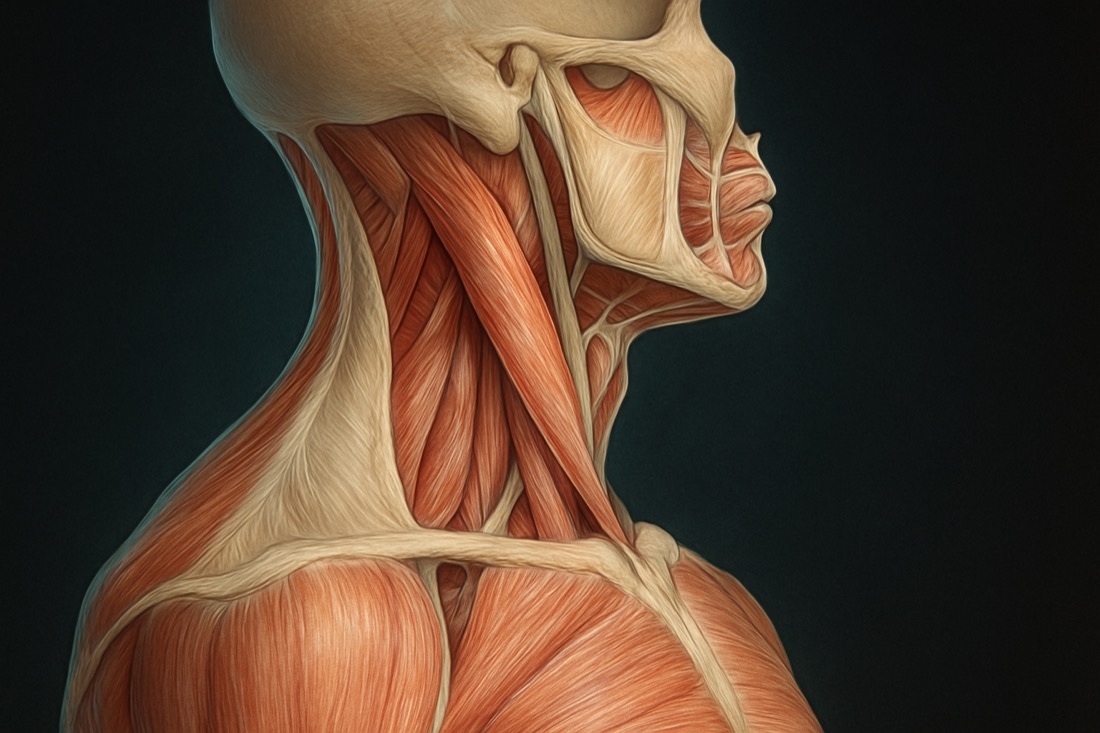
Fascia is a connective tissue that envelops muscles and organs, playing a crucial role in body mechanics and aesthetics. When fascia becomes tight, it can contribute to muscle tension and affect how the face appears. By releasing fascia, especially around the jaw and ears, clinicians can help reduce facial swelling and improve symmetry.
This method involves gently manipulating the fascia to target the deep-seated tension in the muscles responsible for chewing. By doing so, not only can facial aesthetics improve, but clients might also experience relief from discomfort associated with overused jaw muscles.
Why does my jaw feel tight?
Jaw tightness is often the result of excessive chewing or clenching, which overworks the muscles involved in mastication. These muscles, like the external pterygoid, can become hypertrophic, leading to a broader jawline and associated discomfort.
Addressing this issue through fascia release can alleviate the tension and reduce the appearance of a 'bulky' jaw. By focusing on fascia near the ears, practitioners can indirectly influence these deeper muscles, promoting relaxation and a more slender facial appearance.
What is the fascia release technique for low back pain?
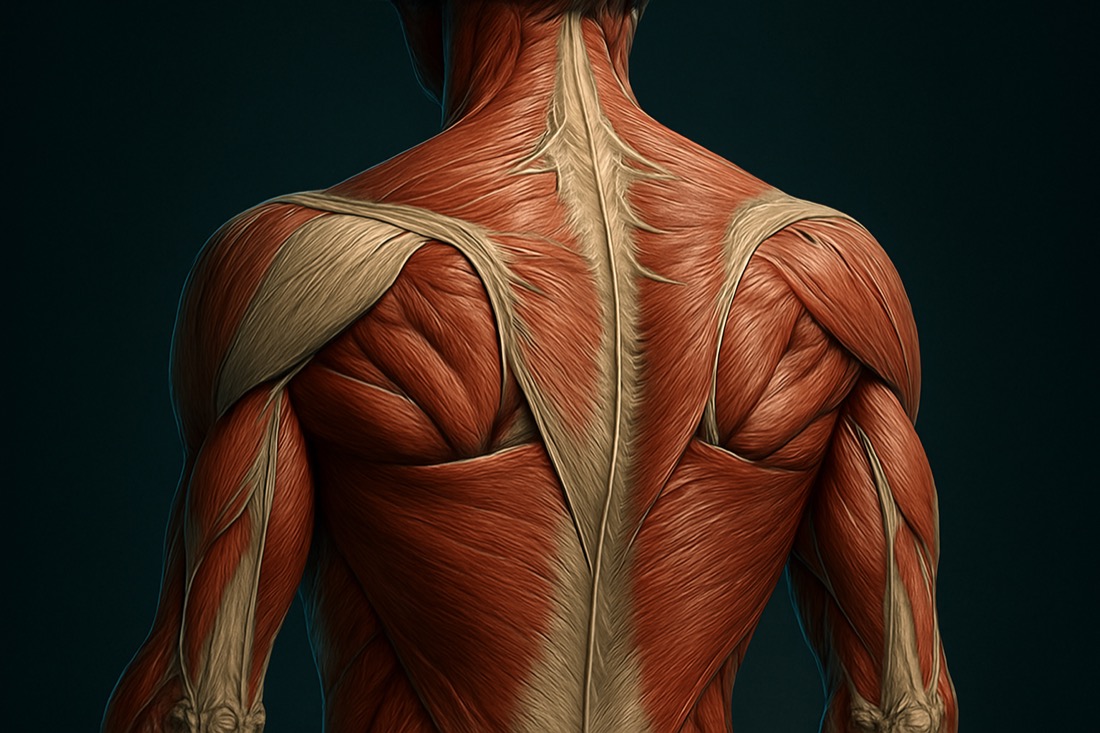
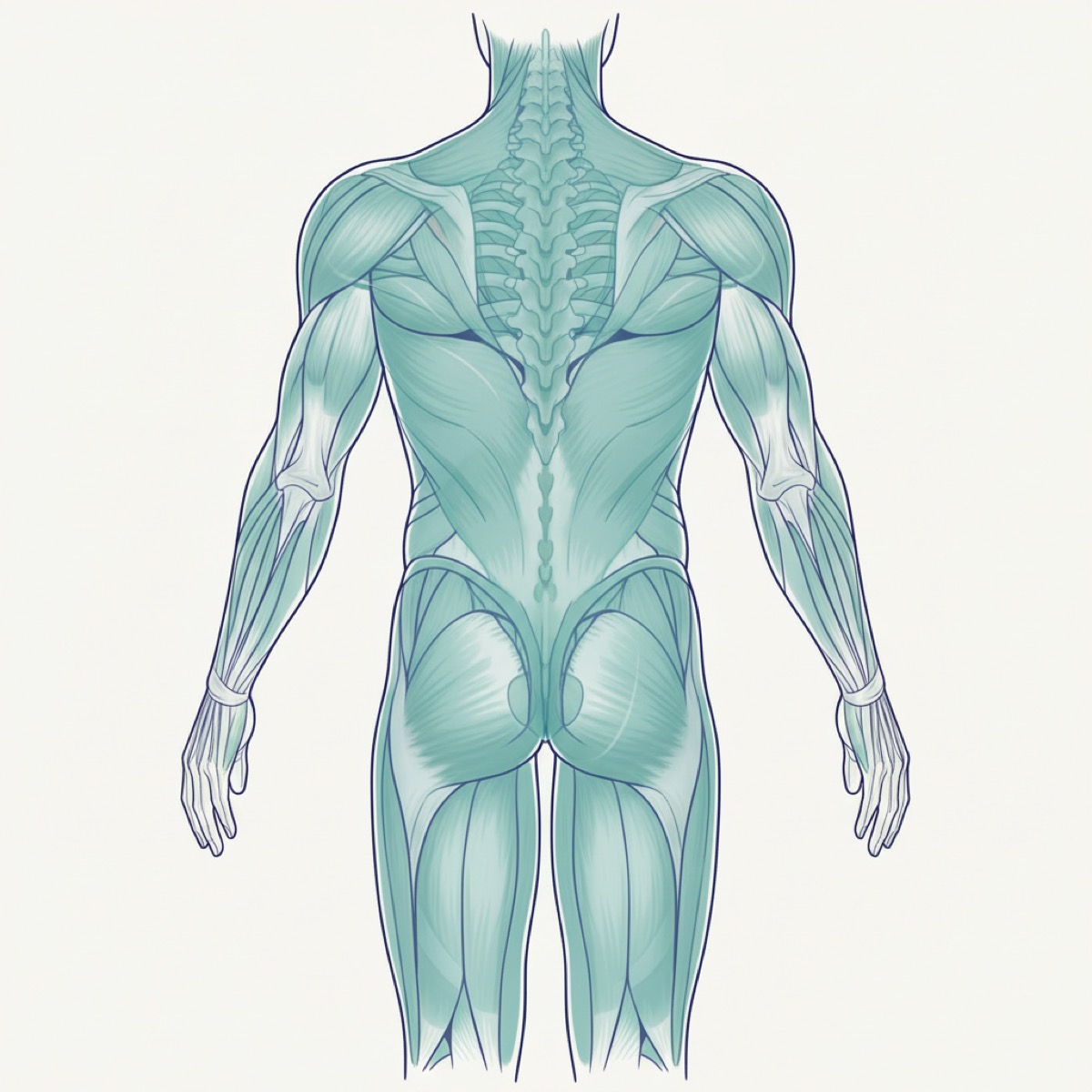
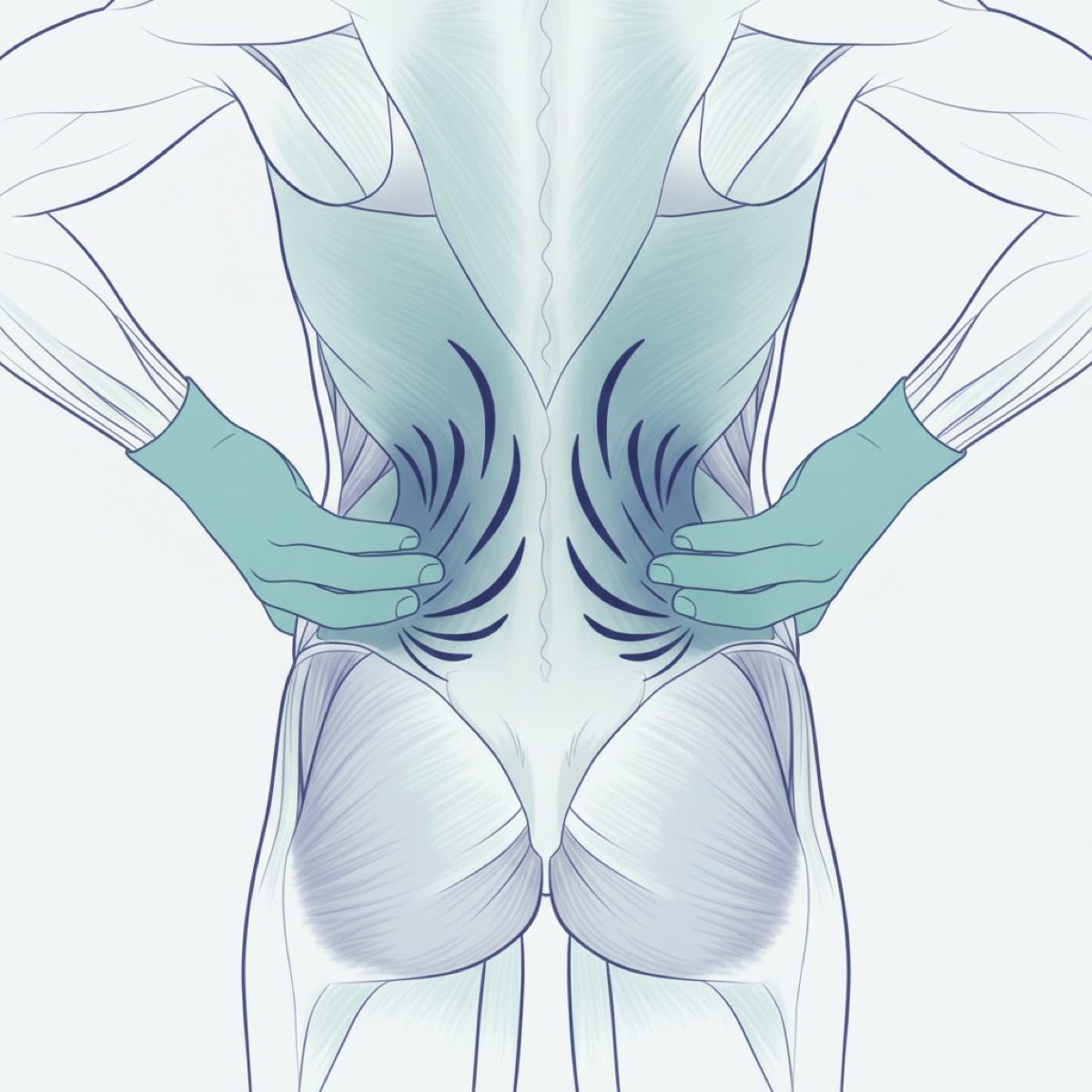
The low back is another area where fascia release can be beneficial. Tension in the fascia surrounding the lower back can lead to pain and restricted movement. By employing specific techniques to release this fascia, practitioners can help improve mobility and reduce discomfort.
The technique involves assessing the fascia's tightness and using gentle manipulation to encourage release. This not only aids in alleviating low back pain but can also have a positive impact on overall posture, which in turn affects the facial structure.
How can facial fascia release improve overall body posture?
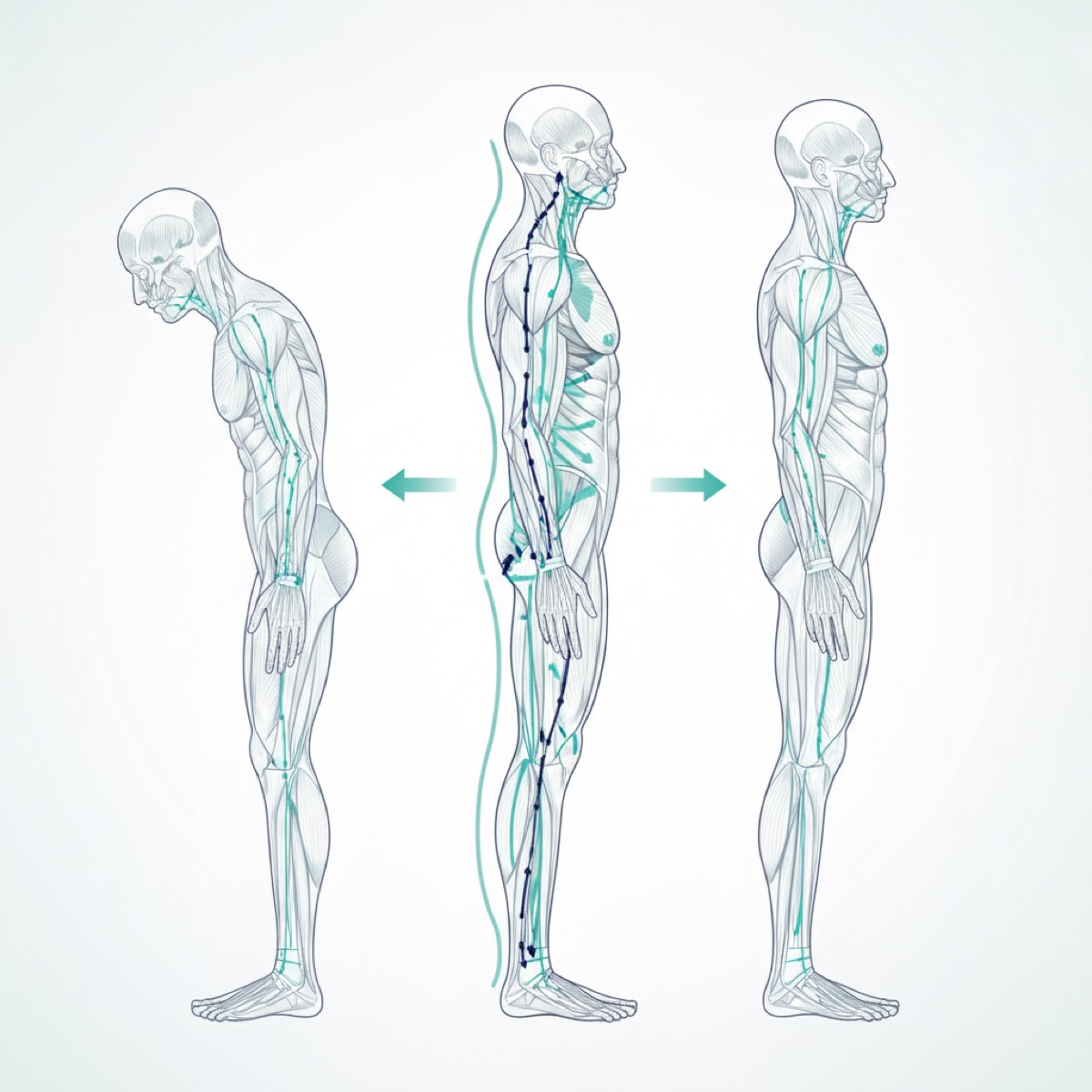
Fascia's interconnected nature means that tension in one area can affect others. Releasing fascia in the face and jaw can lead to improvements in posture by easing the tension that might otherwise pull the body out of alignment.
By addressing these issues, clients may notice improvements not only in facial aesthetics but also in how they carry themselves. This holistic approach highlights the importance of considering fascia in both aesthetic and functional treatments.
Frequently asked questions
Is fascia release safe? — Yes, when performed by a trained professional, fascia release is generally safe and can provide significant relief from tension and discomfort.
How often should fascia release be done? — The frequency of fascia release depends on individual needs and conditions. Some may benefit from weekly sessions, while others might need less frequent treatments.
Can fascia release help with other areas of the body? — Absolutely. Fascia release is not limited to the face and jaw; it can be applied to various parts of the body to relieve tension and improve function.
References
- [1]Tracey KJ. The inflammatory reflex. Nature. 2002;420(6917):853–859.
- [2]Mayer EA. Gut feelings: the emerging biology of gut–brain communication. Nat Rev Neurosci. 2011;12(8):453–466.
- [3]Cryan JF, Dinan TG. Mind-altering microorganisms: the impact of the gut microbiota on brain and behaviour. Nat Rev Neurosci. 2012;13(10):701–712.
- [4]Guo R, Chen LH, Xing C, Liu T. Pain regulation by gut microbiota: molecular mechanisms and therapeutic potential. Br J Anaesth. 2019;123(5):637–654.
- [5]Ricciotti E, FitzGerald GA. Prostaglandins and inflammation. Arterioscler Thromb Vasc Biol. 2011;31(5):986–1000.
- [6]Salehi B, Venditti A, Sharifi-Rad M, et al. The therapeutic potential of apigenin. Int J Mol Sci. 2019;20(6):1305.