Techniques for Treating Shoulder Pain Through the Cervical Spine
Original title (JP): 国際筋膜会議で披露した肩の痛みを頚椎で治すテクニック!

Supervised by
Shogo Fujii
Physiotherapist (PT) · Founder of the SHOGO FUJII® FASCIA METHOD
View profile →Clinical Article · 5 min read
Fascia release for shoulder pain is an innovative approach that addresses discomfort by focusing on the cervical spine. While many treatments target the shoulder joint directly, this method seeks to alleviate pain by examining the intricate relationships between fascia, the cervical spine, and shoulder function. Discover how fascia therapy can offer relief and improve mobility.
Why does shoulder pain occur?
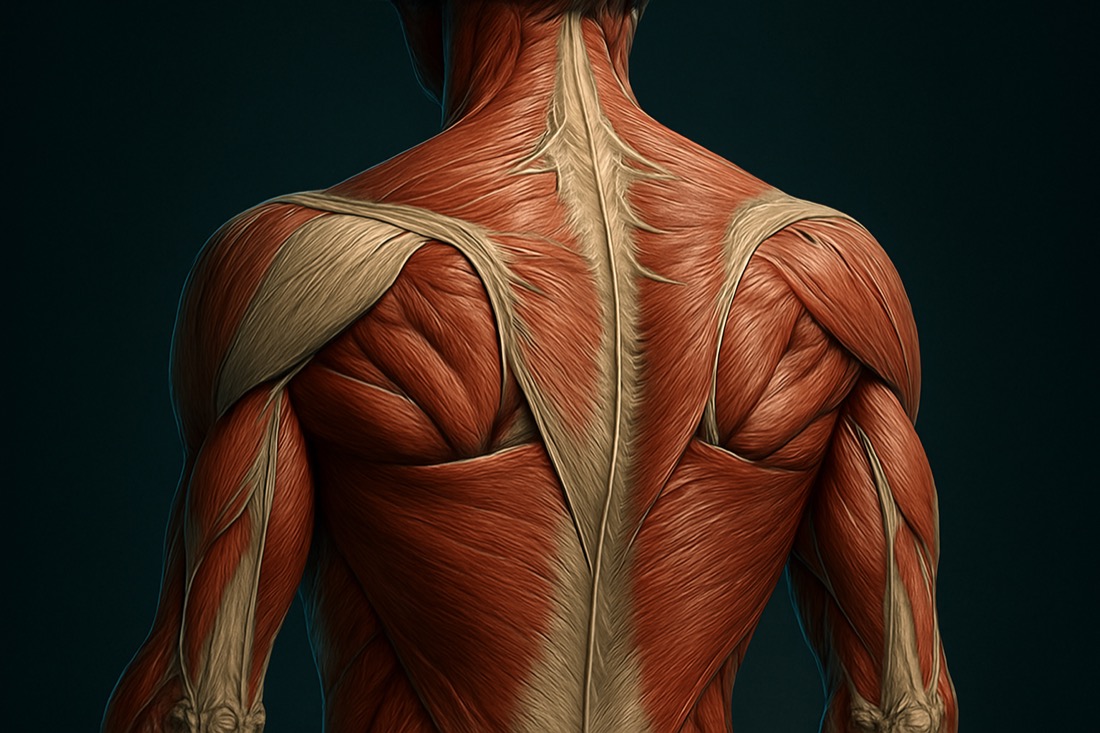
Shoulder pain is often attributed to issues within the shoulder joint itself, such as the glenohumeral joint or the scapulothoracic joint. However, it can also result from problems in the surrounding structures, like the bursae, which act as cushions to reduce friction. When these structures are compromised, either through compression or fluid loss, shoulder pain can arise. Understanding these underlying causes is crucial for effective treatment.[1]
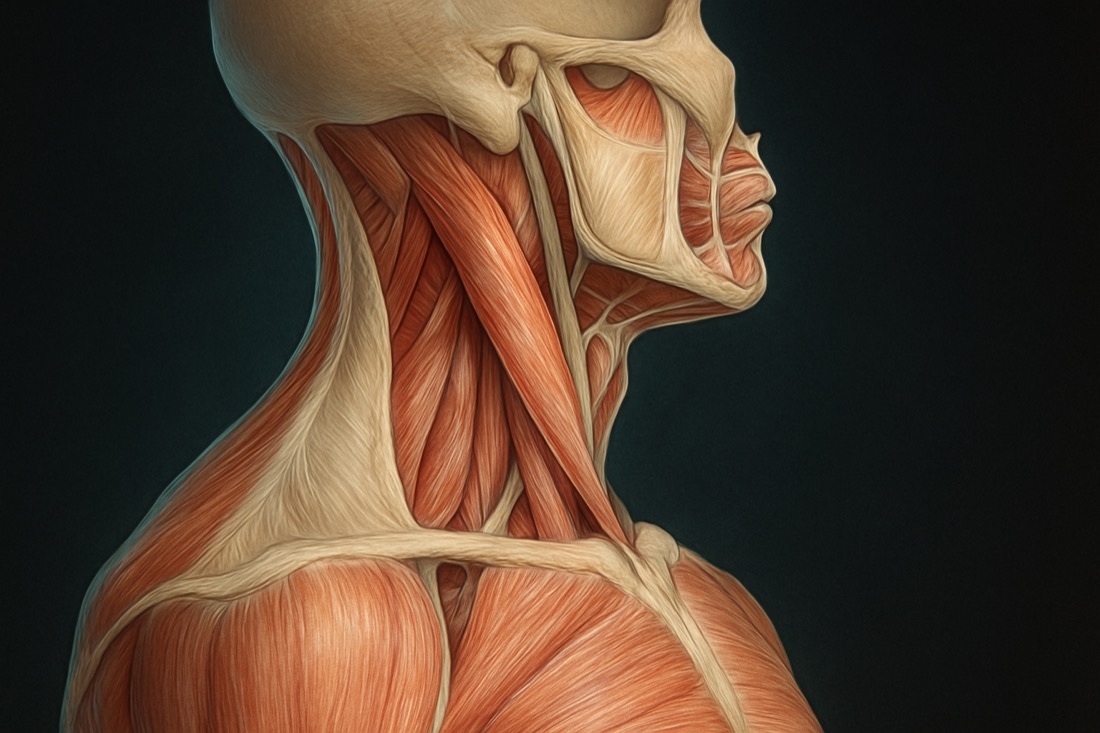
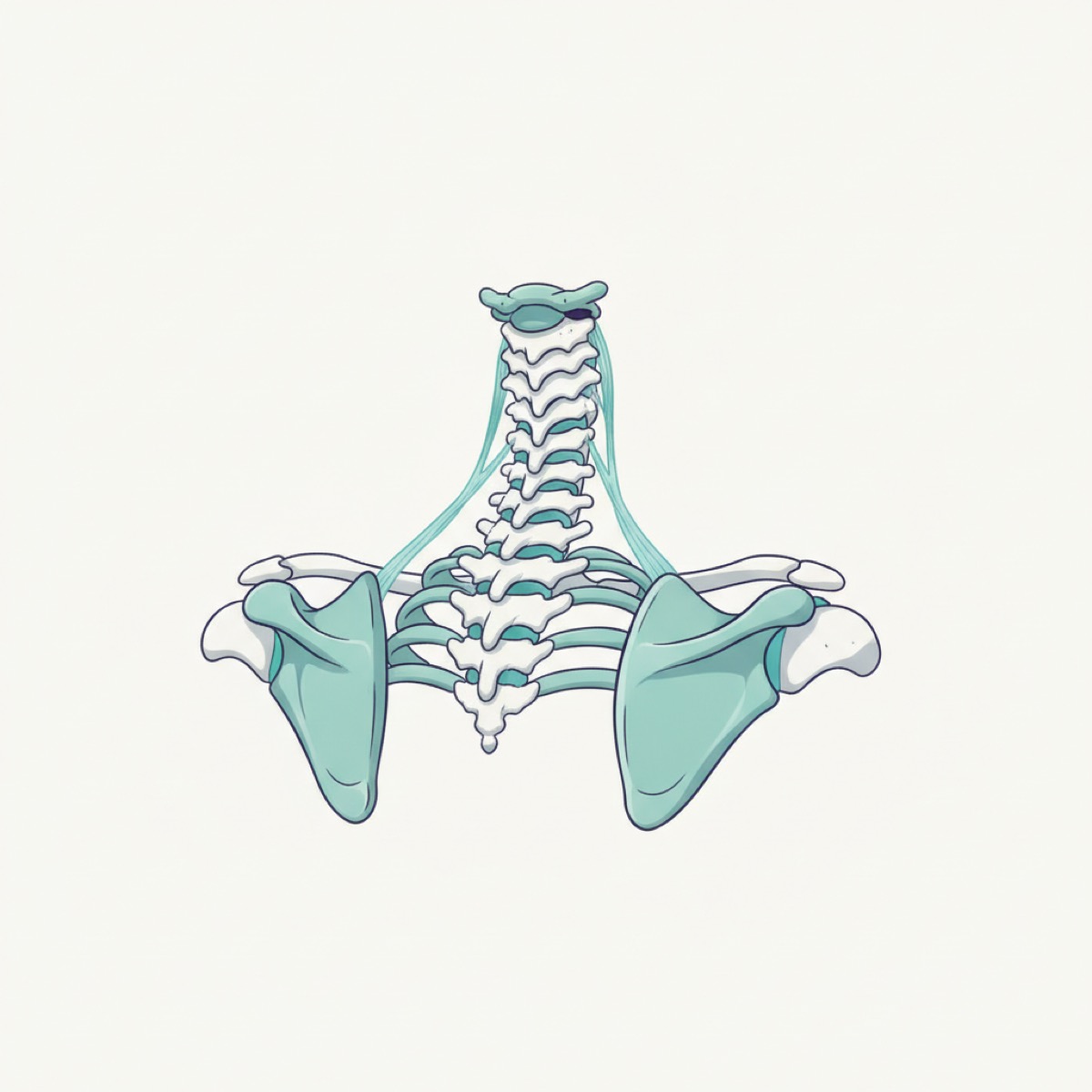
Interestingly, many cases of shoulder pain may not originate from the shoulder region at all. Instead, they can be linked to the cervical spine or even the temporal bone of the skull. These areas can influence shoulder function through fascial connections and nervous pathways, indicating the need for a holistic assessment of shoulder pain.[2]
How fascia release works for shoulder pain
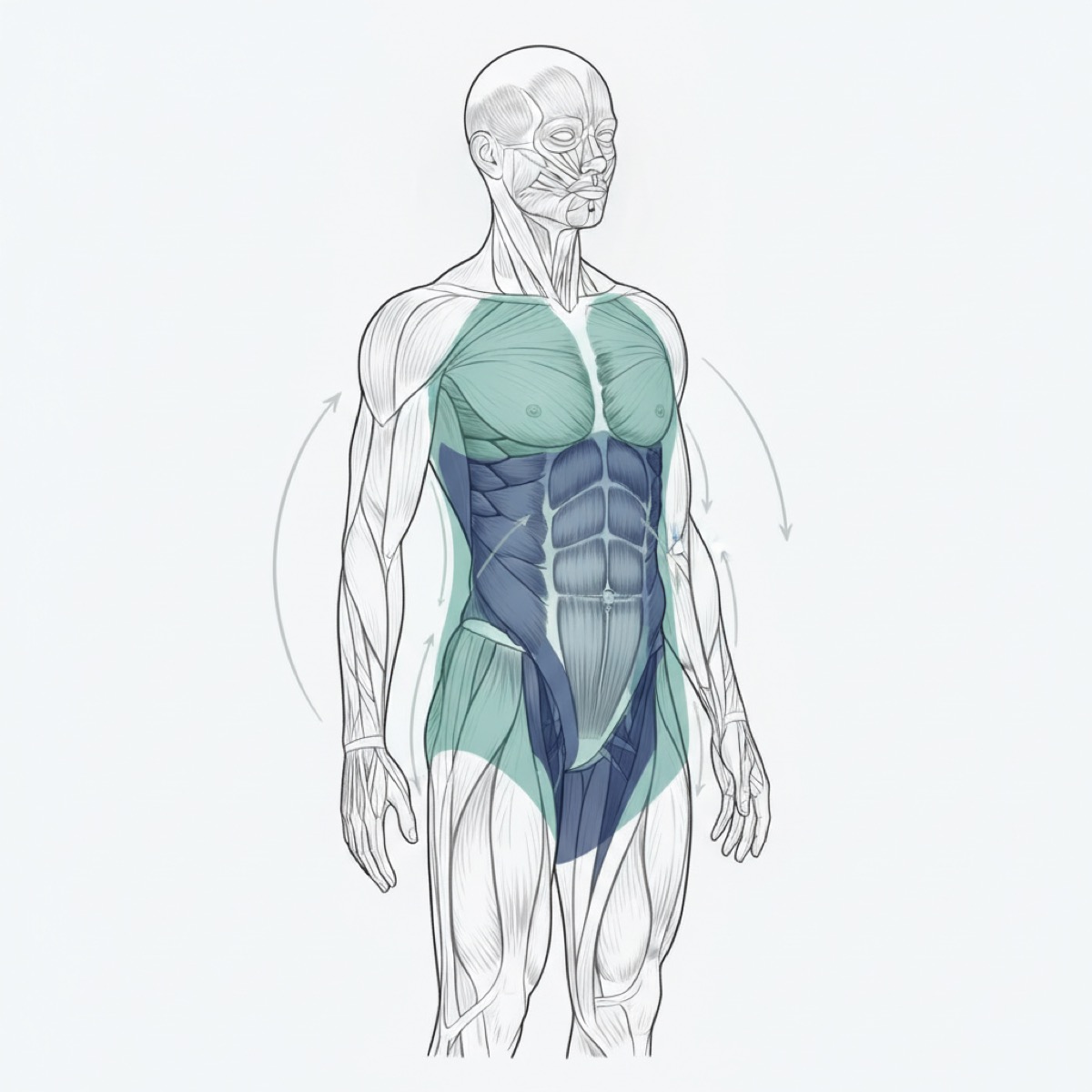
Fascia release focuses on the connective tissues that envelop muscles and organs. By targeting the fascia, practitioners aim to release tension, improve blood flow, and restore mobility. This process involves gentle manipulation of the fascia to address adhesions or restrictions that might be contributing to pain.[3]
In the context of shoulder pain, fascia release can be particularly effective when the pain is related to the cervical spine. Techniques may involve manipulating the cervical vertebrae and associated muscles, such as the temporalis muscles, to alleviate tension that impacts shoulder mobility. This approach highlights the interconnectedness of the body's structures and how treating one area can benefit another.[4]
What to expect from fascia therapy
Patients undergoing fascia therapy for shoulder pain can expect a comprehensive evaluation of their posture, movement patterns, and fascia tension. The therapist may assess the cervical spine and temporal bone for any misalignments or restrictions that could be affecting the shoulder.[5]
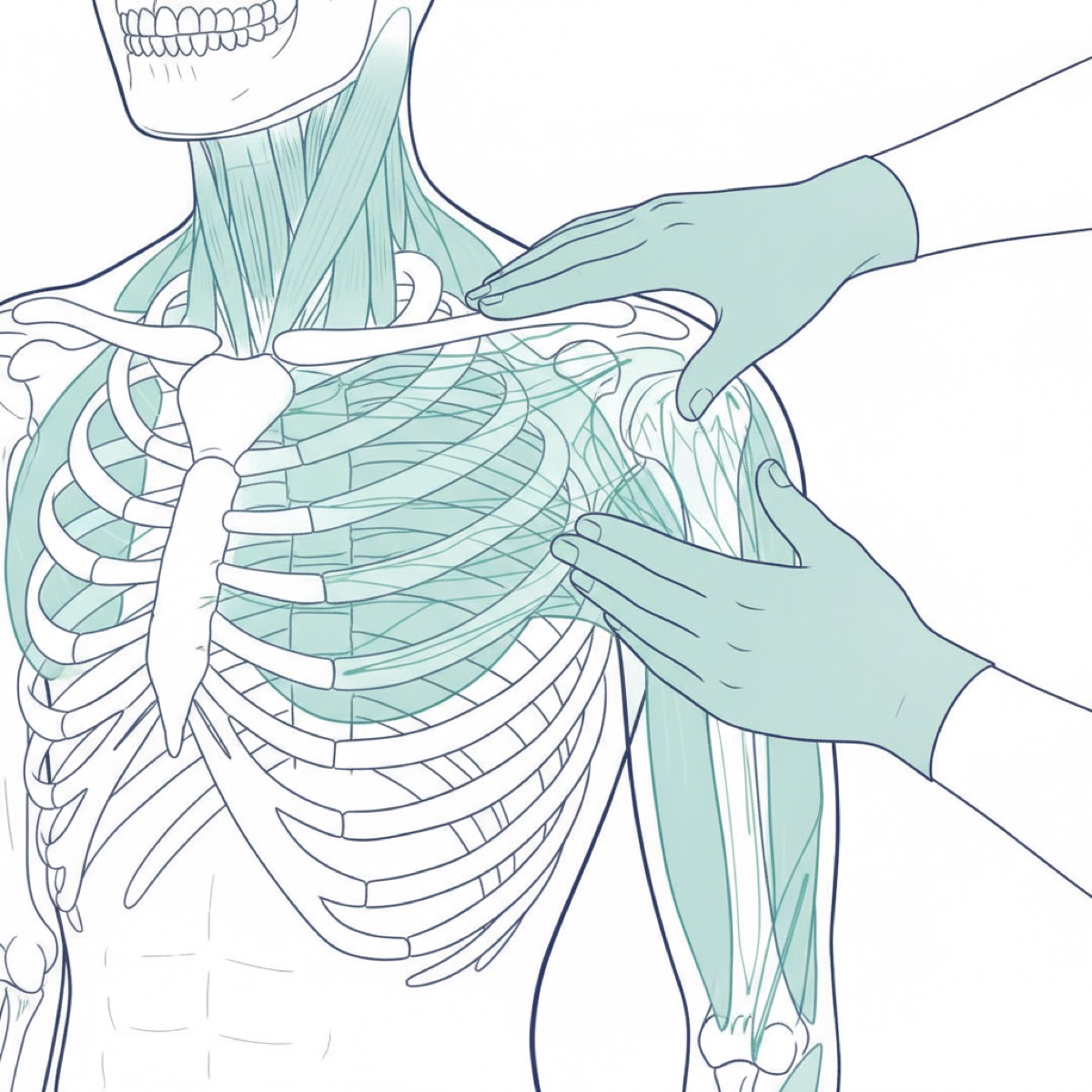
During a session, the therapist will use their hands to apply pressure and stretch the fascia, facilitating its release. This may lead to immediate improvements in range of motion and a reduction in pain. However, multiple sessions might be necessary to achieve lasting results.[6]
How does the cervical spine affect shoulder pain?
The cervical spine plays a pivotal role in shoulder function. Misalignments or tension in this area can lead to compensatory movements and stress on the shoulder joint. Such issues can result in pain or decreased mobility, emphasizing the importance of addressing cervical spine health in shoulder pain management.
By focusing on the cervical spine during fascia therapy, practitioners can identify and rectify these underlying issues. This approach not only targets the symptom (shoulder pain) but also addresses the root cause, potentially leading to more effective and sustainable relief.
Frequently asked questions
Is fascia release safe? — Fascia release is generally safe when performed by a trained professional. It is a non-invasive technique aimed at improving tissue flexibility and reducing pain.
Can fascia release help with chronic shoulder pain? — Yes, fascia release can be beneficial for chronic shoulder pain, especially when the pain is linked to fascial restrictions or tension in the cervical spine.
How many sessions are needed for relief? — The number of sessions varies depending on the individual's condition. Some may experience relief after a few sessions, while others may require ongoing treatment to maintain benefits.
References
- [1]Mayer EA. Gut feelings: the emerging biology of gut–brain communication. Nat Rev Neurosci. 2011;12(8):453–466.
- [2]Cryan JF, Dinan TG. Mind-altering microorganisms: the impact of the gut microbiota on brain and behaviour. Nat Rev Neurosci. 2012;13(10):701–712.
- [3]Guo R, Chen LH, Xing C, Liu T. Pain regulation by gut microbiota: molecular mechanisms and therapeutic potential. Br J Anaesth. 2019;123(5):637–654.
- [4]Ricciotti E, FitzGerald GA. Prostaglandins and inflammation. Arterioscler Thromb Vasc Biol. 2011;31(5):986–1000.
- [5]Salehi B, Venditti A, Sharifi-Rad M, et al. The therapeutic potential of apigenin. Int J Mol Sci. 2019;20(6):1305.
- [6]Field R, Pourkazemi F, Turton J, Rooney K. Dietary interventions are beneficial for patients with chronic pain: a systematic review with meta-analysis. Pain Med. 2021;22(3):694–714.