Instant Relief for Neck Pain
Original title (JP): 首の痛みを一発で治す

Supervised by
Shogo Fujii
Physiotherapist (PT) · Founder of the SHOGO FUJII® FASCIA METHOD
View profile →Clinical Article · 5 min read
Fascia release for low back pain is gaining attention as an effective approach to manage discomfort. Shogo Fujii introduces the Center Line Method, emphasizing the interconnectedness of the body's central structures to alleviate peripheral symptoms. By understanding the body's fascia and its influence on pain, individuals and clinicians can explore new avenues for relief.
How does fascia affect low back pain?
Fascia, the connective tissue surrounding muscles and organs, plays a crucial role in the body's structural integrity. When fascia becomes tense or restricted, it can lead to pain and limited mobility, particularly in areas like the low back. Understanding fascia's role in pain can help in developing effective treatment strategies that target both the symptoms and their underlying causes.
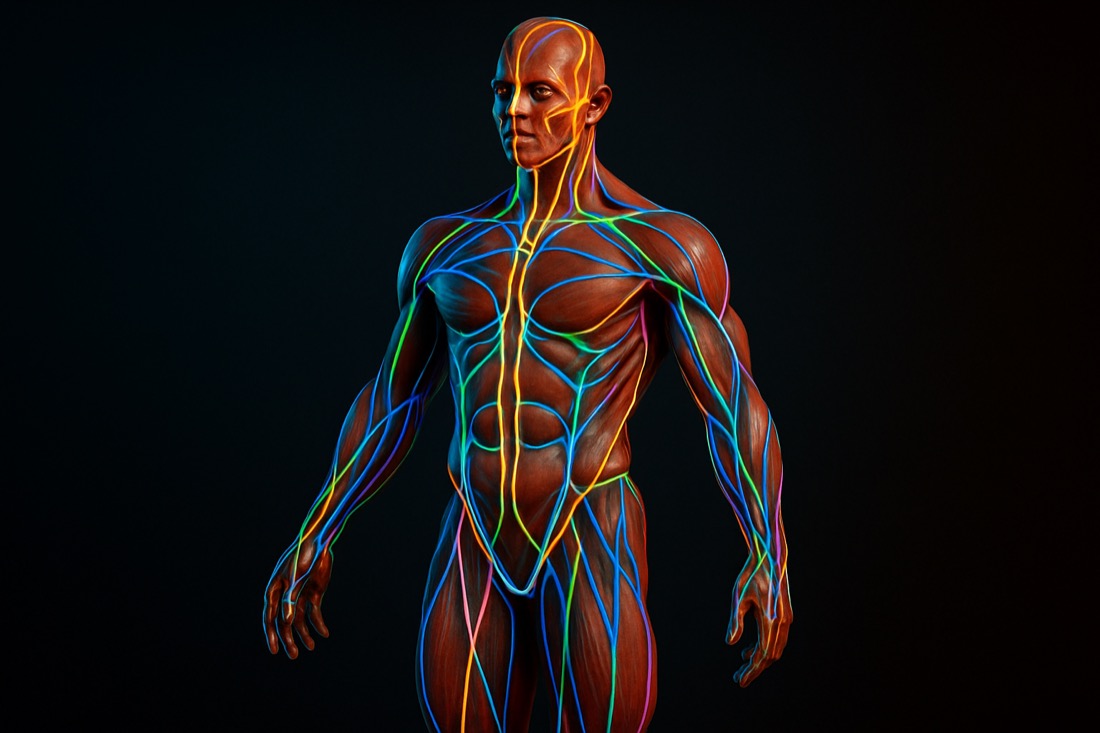
Shogo Fujii's approach highlights the significance of the body's central structures, such as the spine and pelvis, in influencing peripheral areas. By releasing tension in these central areas, practitioners can potentially reduce pain in the low back without directly manipulating the affected area. This concept forms the basis of the Center Line Method, which seeks to address pain through central fascia release.
Why is the Center Line Method effective?
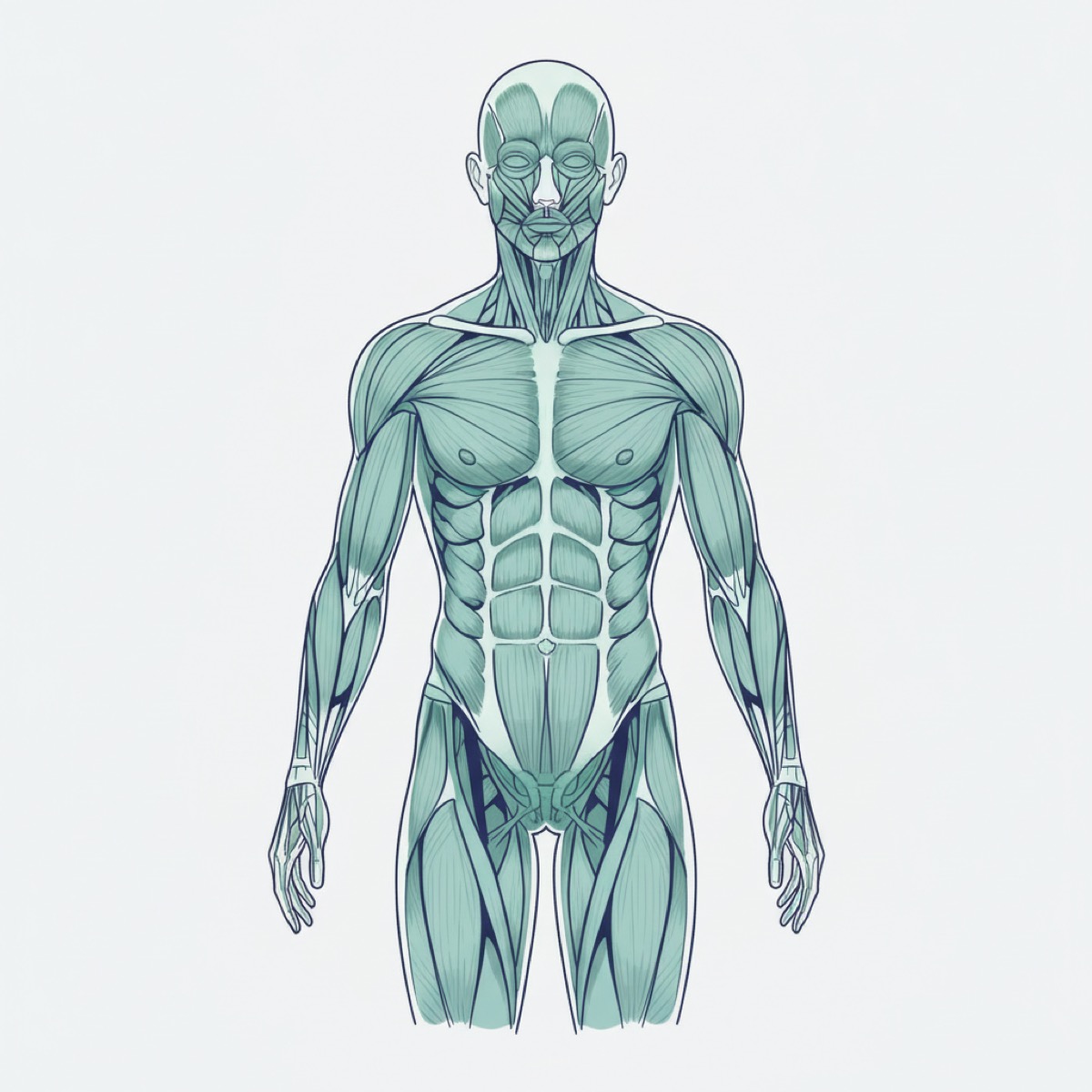
The Center Line Method is effective because it focuses on the body's core structures, such as the spine, which are pivotal in maintaining overall balance and function. By releasing tension in these central areas, the method aims to improve the alignment and function of peripheral structures, thereby reducing pain and enhancing mobility.
This approach is grounded in the understanding that the spine and pelvis are central to the body's structural integrity. By addressing these areas, the Center Line Method can potentially prevent the recurrence of pain, offering a more sustainable solution than treatments that focus solely on peripheral symptoms.
What techniques are used in fascia release?
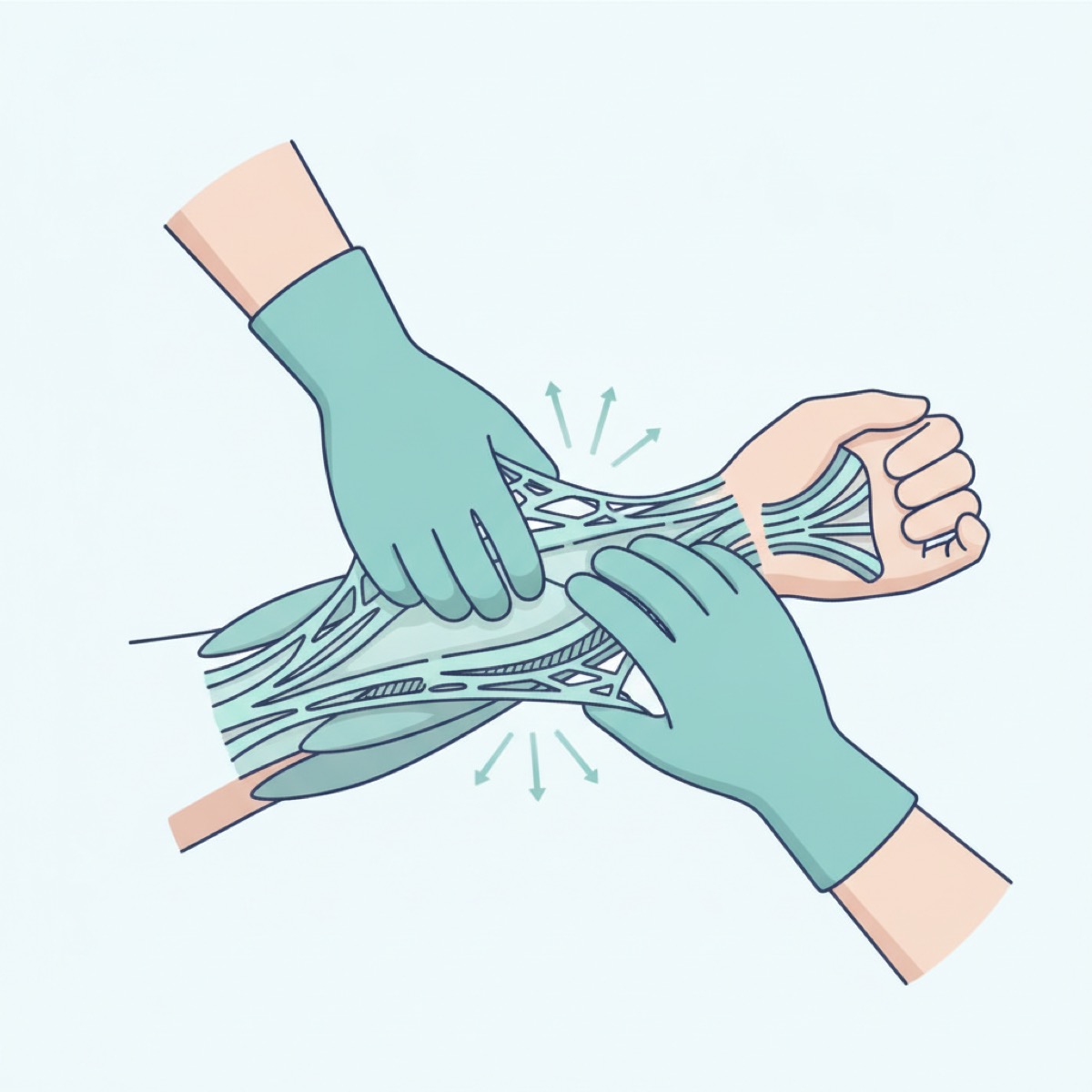
Fascia release techniques involve gentle manipulation of the connective tissue to alleviate tension and improve mobility. These techniques can range from manual therapy, where the practitioner uses their hands to apply pressure and stretch the fascia, to more advanced methods that incorporate the principles of the Center Line Method.
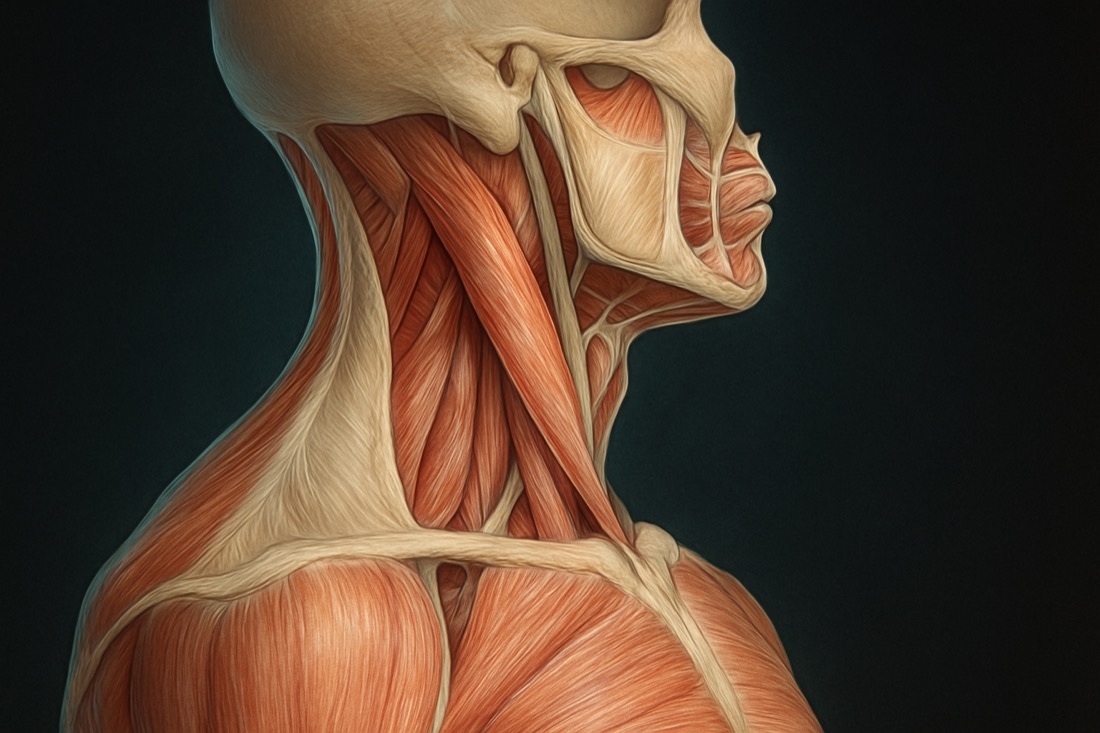
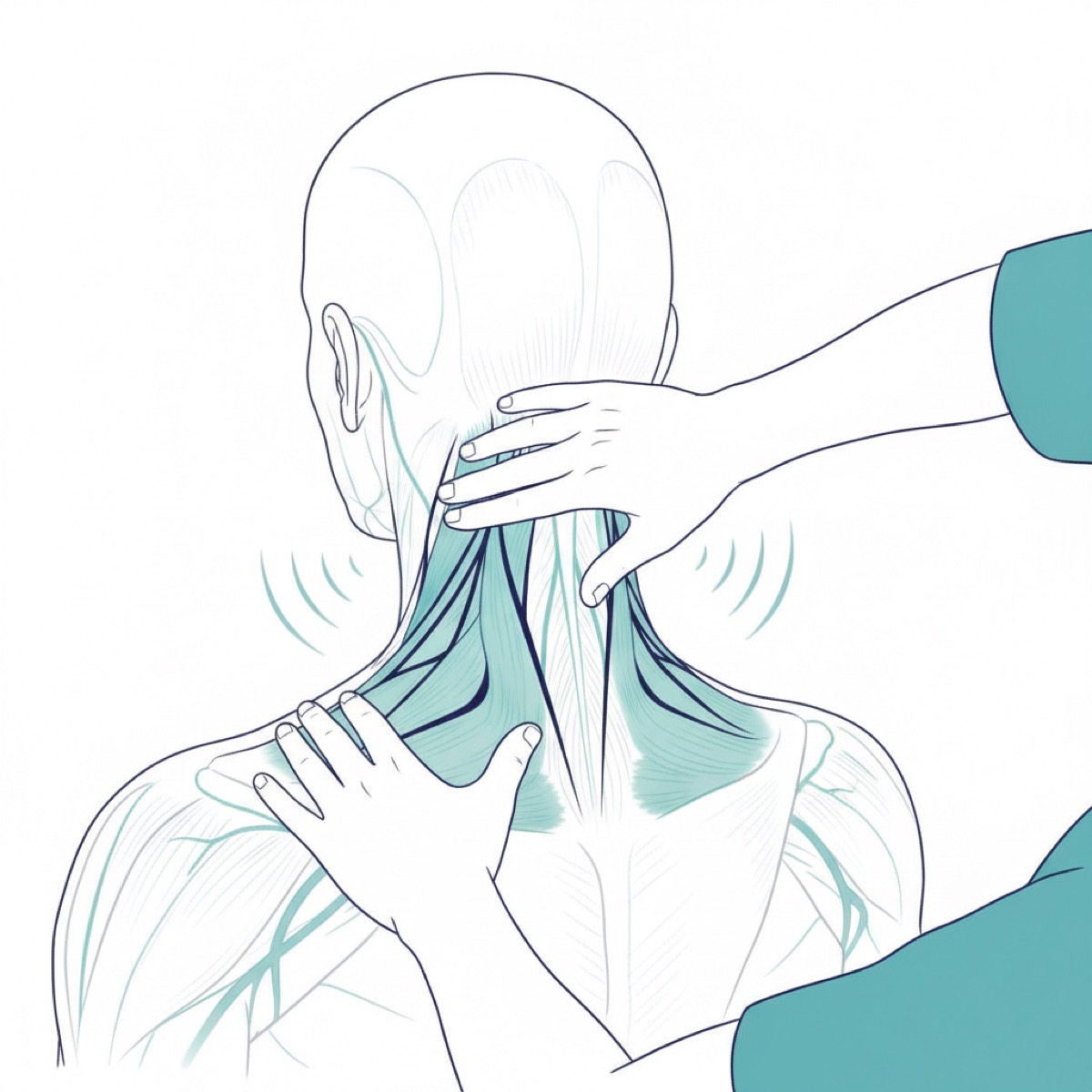
In the context of the Center Line Method, practitioners may focus on releasing tension in the central structures, such as the cervical spine, to influence peripheral areas like the low back. This bidirectional approach can lead to significant improvements in pain relief and functional capacity.
How can clinicians integrate fascia release into practice?
Clinicians looking to integrate fascia release into their practice can start by understanding the core principles of fascia's role in pain and mobility. Training in techniques like the Center Line Method can enhance their ability to address complex pain patterns by focusing on the body's central structures.
By incorporating fascia release into their treatment repertoire, clinicians can offer patients a holistic approach to pain management that targets both the symptoms and their underlying causes. This can lead to more effective and lasting outcomes for patients suffering from low back pain.
Frequently asked questions
Is fascia release safe? — Fascia release is generally considered safe when performed by trained professionals. It involves gentle manipulation techniques that aim to alleviate tension without causing harm.
Can fascia release help with chronic low back pain? — Yes, fascia release can be beneficial for chronic low back pain by addressing the underlying tension and restrictions in the connective tissue, potentially improving mobility and reducing discomfort.
How often should fascia release be performed? — The frequency of fascia release sessions depends on the individual's condition and response to treatment. It is best to consult with a trained practitioner to determine an appropriate schedule.
References
- [1]Tozzi P, Bongiorno D, Vitturini C. Fascial release effects on patients with non-specific cervical or lumbar pain. J Bodyw Mov Ther. 2011;15(4):405–416.
- [2]Zügel M, Maganaris CN, Wilke J, et al. Fascial tissue research in sports medicine: from molecules to tissue adaptation, injury and diagnostics: consensus statement. Br J Sports Med. 2018;52(23):1497.
- [3]Klingler W, Velders M, Hoppe K, Pedro M, Schleip R. Clinical relevance of fascial tissue and dysfunctions. Curr Pain Headache Rep. 2014;18(8):439.
- [4]Wilke J, Vogt L, Niederer D, Banzer W. Is remote stretching based on myofascial chains as effective as local exercise? A randomised-controlled trial. J Sports Sci. 2017;35(20):2021–2027.
- [5]Palomeque-del-Cerro L, Arráez-Aybar LA, Rodríguez-Blanco C, et al. A systematic review of the soft-tissue connections between neck muscles and dura mater: the myodural bridge. Spine. 2017;42(1):49–54.
- [6]Woolf CJ. Central sensitization: implications for the diagnosis and treatment of pain. Pain. 2011;152(3 Suppl):S2–S15.