The Secret Nerve Line That Relieves Shoulder Stiffness
Original title (JP): 肩こりを治す、秘密の神経ライン

Supervised by
Shogo Fujii
Physiotherapist (PT) · Founder of the SHOGO FUJII® FASCIA METHOD
View profile →Clinical Article · 5 min read
Low back pain is a common issue faced by many, often exacerbated by heavy lifting and poor posture. Fascia release for low back pain offers a promising approach to alleviate discomfort and enhance mobility. By understanding the underlying causes and employing targeted techniques, both clinicians and patients can find effective relief.
Why does carrying heavy loads cause low back pain?
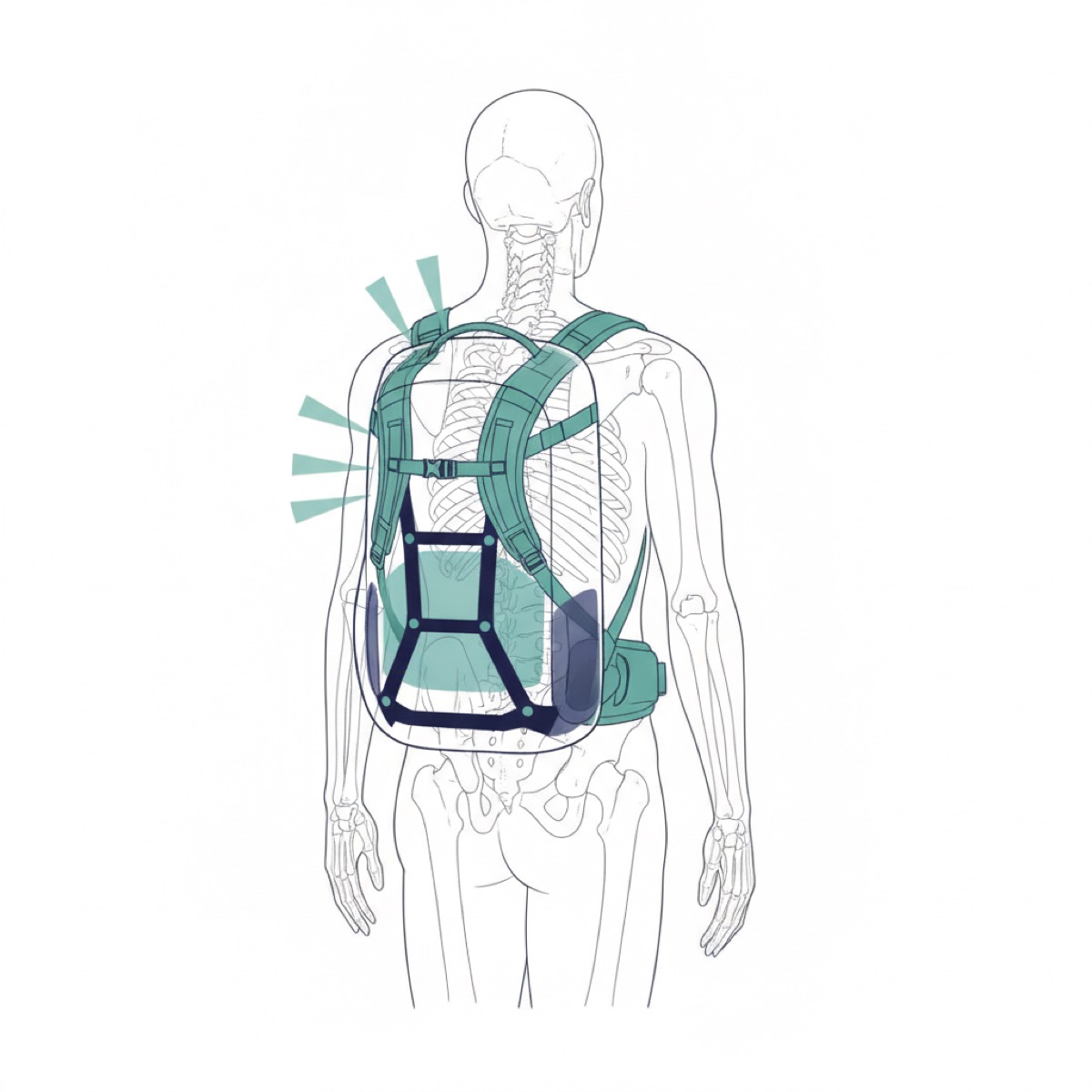
Carrying heavy loads can lead to low back pain due to the strain placed on the spine and surrounding muscles. This strain is often exacerbated by poor posture and repetitive movements, which can compress nerves and lead to conditions such as thoracic outlet syndrome and brachial plexus injuries.[1] The pressure from heavy backpacks or work-related tasks can also lead to nerve compression, resulting in numbness and weakness in the arms.
Research indicates that individuals, particularly those in physically demanding jobs or activities like hiking, are at a greater risk of developing these issues. The phenomenon known as 'rucksack palsy' highlights the impact of prolonged pressure on the nerves around the shoulders and neck, leading to paralysis and sensory disturbances.[2]
How fascia release works to alleviate low back pain
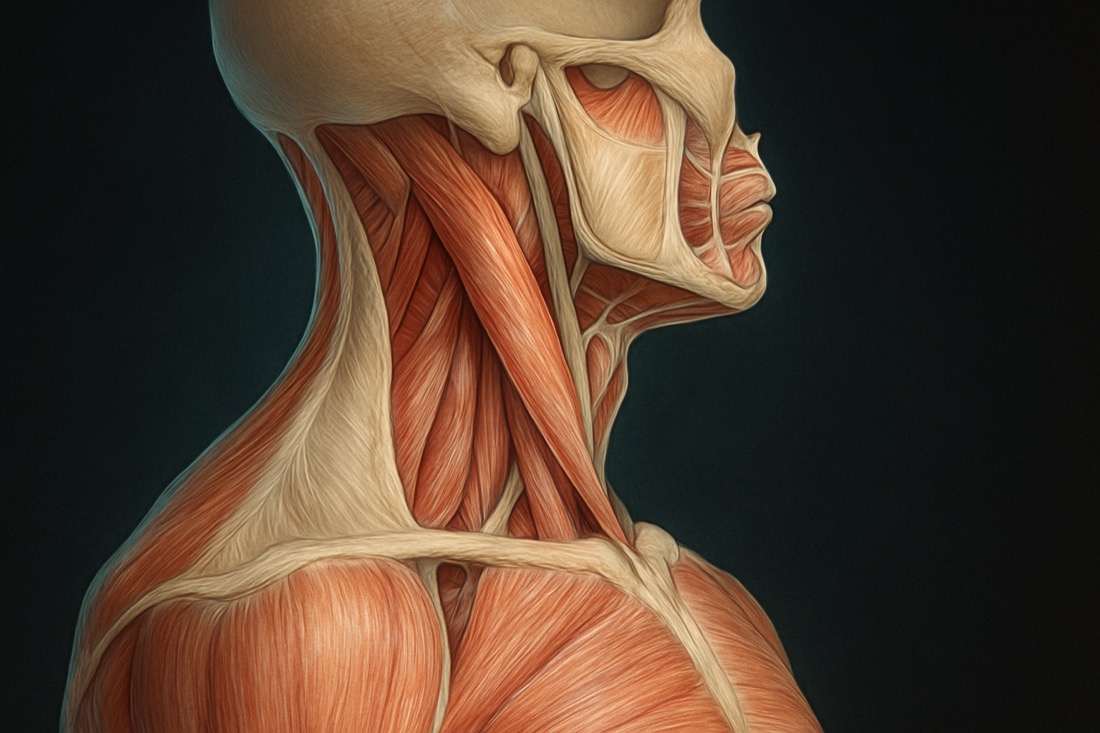
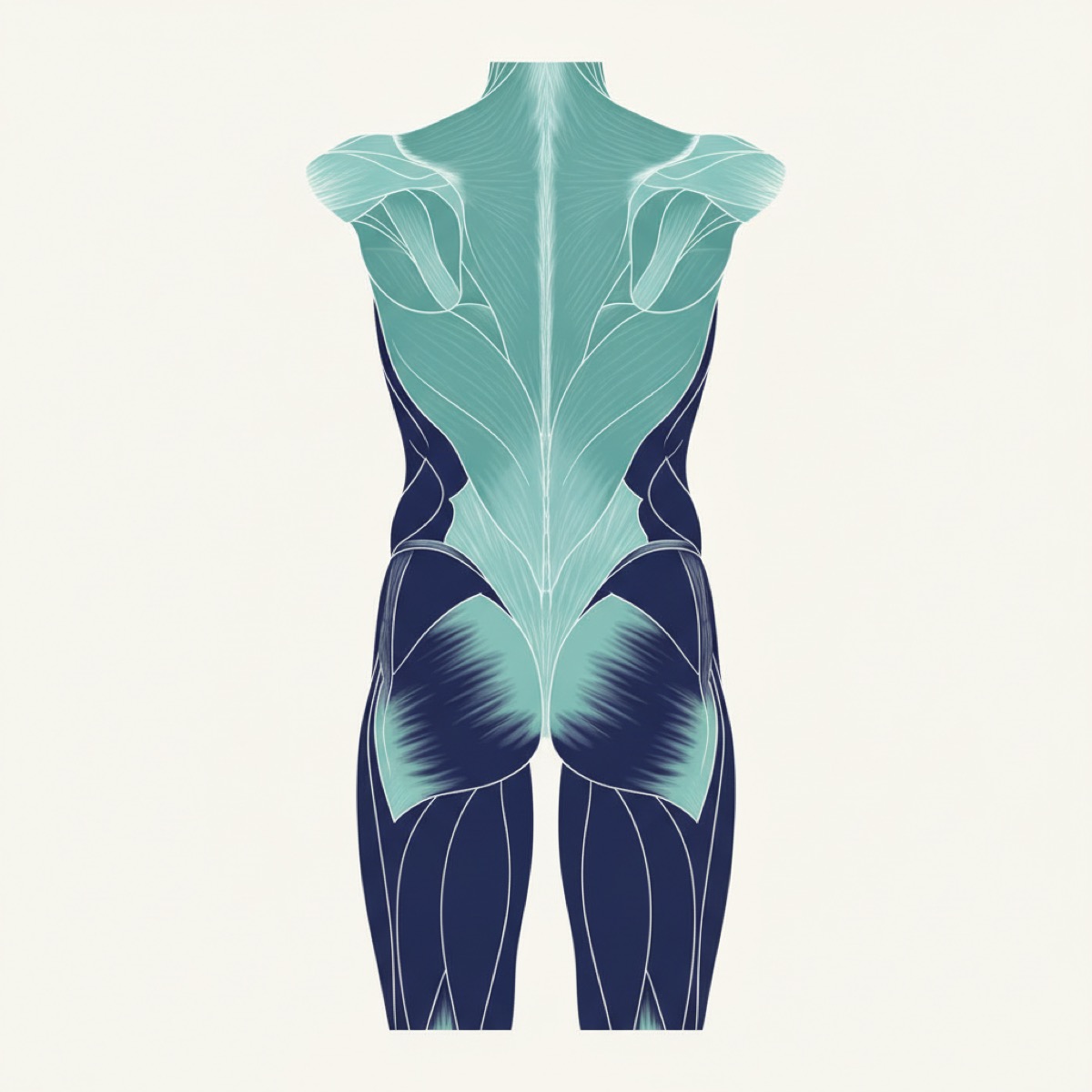
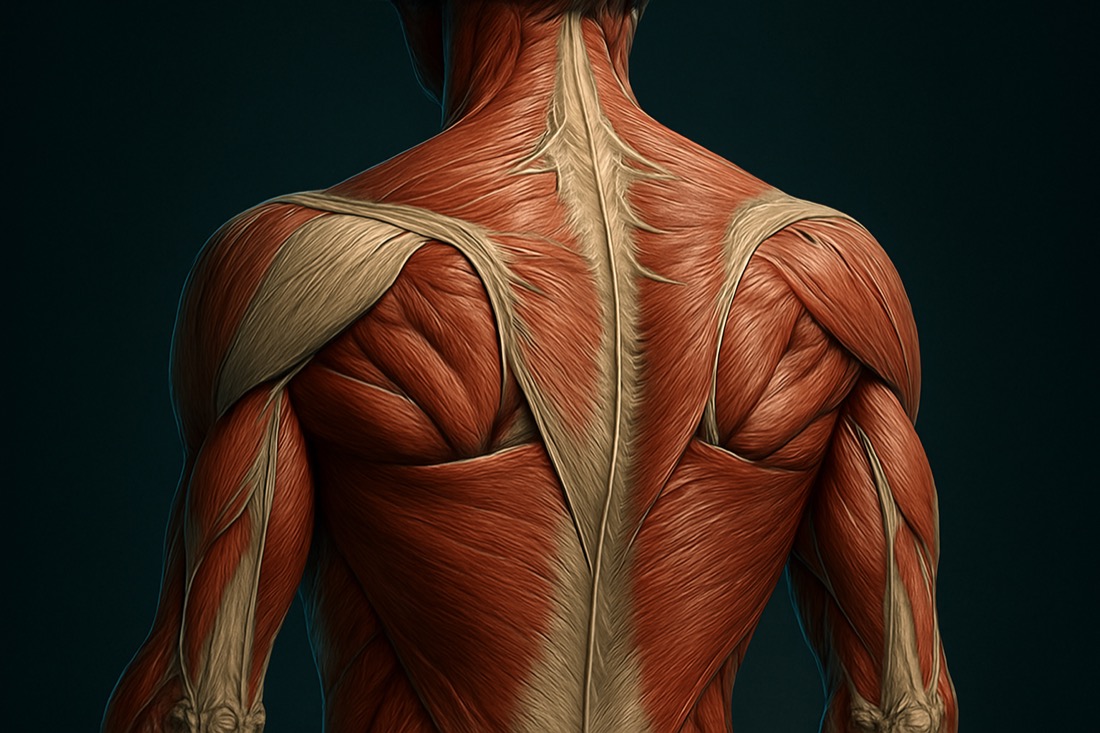
Fascia release involves techniques that target the thin connective tissue enveloping muscles, helping to relieve tension and improve blood flow. By addressing areas like the serratus anterior, pectoralis minor, and upper trapezius, clinicians can reduce nerve compression and improve mobility.[3] This approach is particularly effective in easing symptoms associated with nerve entrapments.
The process involves gentle manipulation and stretching of the fascia to release tension and restore normal movement patterns. This can alleviate pain and improve function, making it a valuable tool in managing low back pain and related symptoms.[4]
What are the benefits of improving load-carrying practices?
Improving load-carrying practices can significantly reduce the risk of developing musculoskeletal disorders. Recommendations include carrying loads that are no more than 10-15% of your body weight and using ergonomically designed straps and backpacks.[5] These adjustments can prevent nerve compression and reduce the likelihood of low back pain.
Incorporating these practices into daily routines, especially in occupational settings, can enhance overall well-being and prevent long-term damage. Employers and individuals should be aware of these guidelines to promote a healthier work environment.
What role does posture play in low back pain?
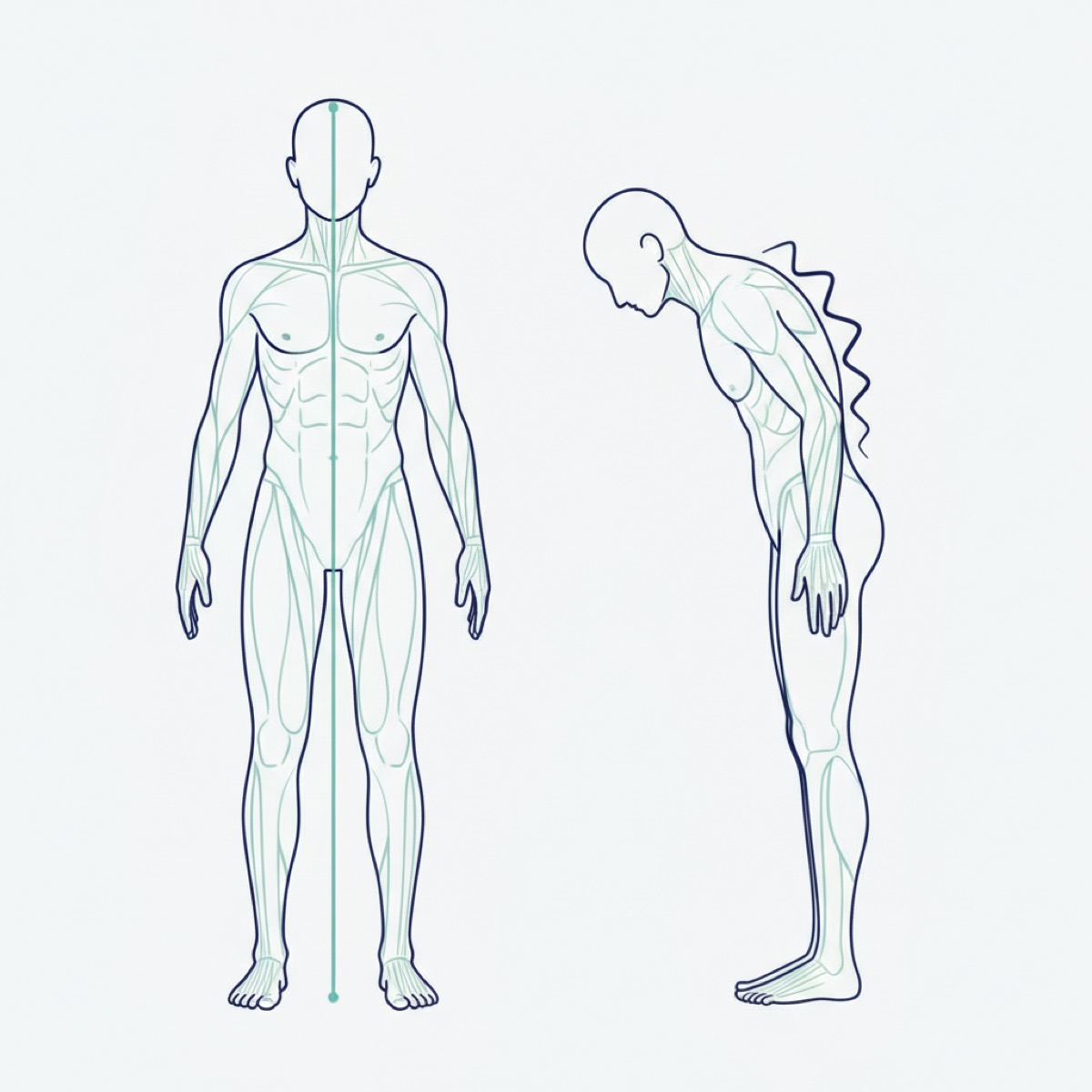
Posture plays a crucial role in the development and management of low back pain. Poor posture can lead to imbalances and increased strain on the lumbar spine, which exacerbates pain and discomfort. Techniques such as fascia release can help correct these imbalances by relieving tension in affected areas.[6]
Educating patients about proper posture and encouraging regular breaks during prolonged activities can prevent the aggravation of symptoms. Combining these strategies with fascia release can lead to significant improvements in pain management.
Frequently asked questions
Is fascia release safe? — Fascia release is generally considered safe when performed by trained professionals. It is important to consult with a qualified therapist to ensure proper techniques are used.
Can fascia release help with nerve compression? — Yes, fascia release can alleviate symptoms associated with nerve compression by improving tissue mobility and reducing tension around affected nerves.
How often should fascia release be performed? — The frequency of fascia release sessions depends on individual needs and the severity of symptoms. Consulting with a healthcare provider can help determine an appropriate schedule.
References
- [1]Taljanovic MS, Gimber LH, Becker GW, et al. Shear-wave elastography: basic physics and musculoskeletal applications. RadioGraphics. 2017;37(3):855–870.
- [2]Langevin HM. Connective tissue: a body-wide signaling network? Med Hypotheses. 2006;66(6):1074–1077.
- [3]Schleip R. Fascial plasticity — a new neurobiological explanation. J Bodyw Mov Ther. 2003;7(1):11–19.
- [4]Wilke J, Krause F, Vogt L, Banzer W. What Is Evidence-Based About Myofascial Chains? A Systematic Review. Arch Phys Med Rehabil. 2016;97(3):454–461.
- [5]Krause F, Wilke J, Vogt L, Banzer W. Intermuscular force transmission along myofascial chains: a systematic review. J Anat. 2016;228(6):910–918.
- [6]Stecco C, Stern R, Porzionato A, et al. Hyaluronan within fascia in the etiology of myofascial pain. Surg Radiol Anat. 2011;33(10):891–896.
Related videos
Palpation X-Ray #84 | Is the Sacrum Really a Flat Plate? It's a Wedge, Wide at the Top and Narrowing Downward — Trace Down from the Lumbar Spine and Confirm at Gluteus Maximus
0:56
Dramatic Improvement in One Session: Manual Approach to the Pelvic Girdle, with Palpation of Anatomical Landmarks and Movement Assessment Before and After (Hands-On Demo)
5:48