Revolutionary Visceral Fascia Release for Stubborn Lower Back Pain
Original title (JP): NEW!進化した内臓筋膜リリース 頑固な腰痛に奇跡の結果を

Supervised by
Shogo Fujii
Physiotherapist (PT) · Founder of the SHOGO FUJII® FASCIA METHOD
View profile →Clinical Article · 5 min read
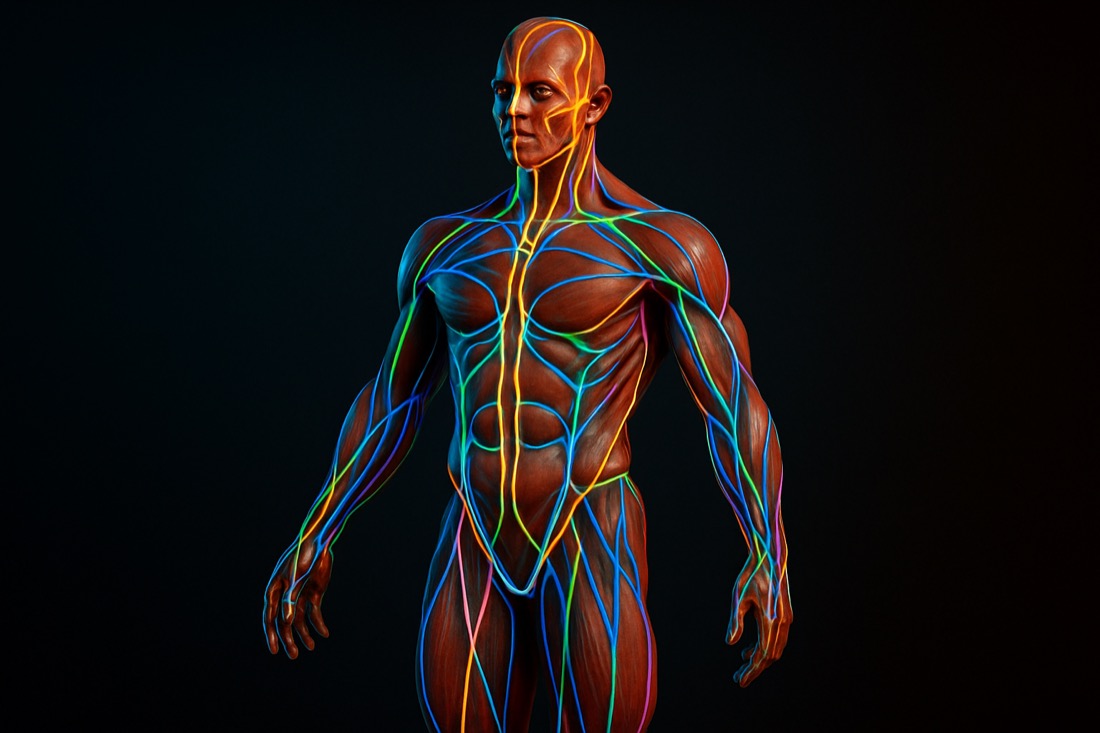
Revolutionary fascia release techniques are changing the way we approach stubborn lower back pain. This innovative method focuses on understanding and manipulating the visceral fascia, offering potential relief for both men and women suffering from chronic discomfort. By exploring the connection between the bladder, pubic bone, and surrounding structures, clinicians can better address underlying causes of pain.
How does visceral fascia affect lower back pain?
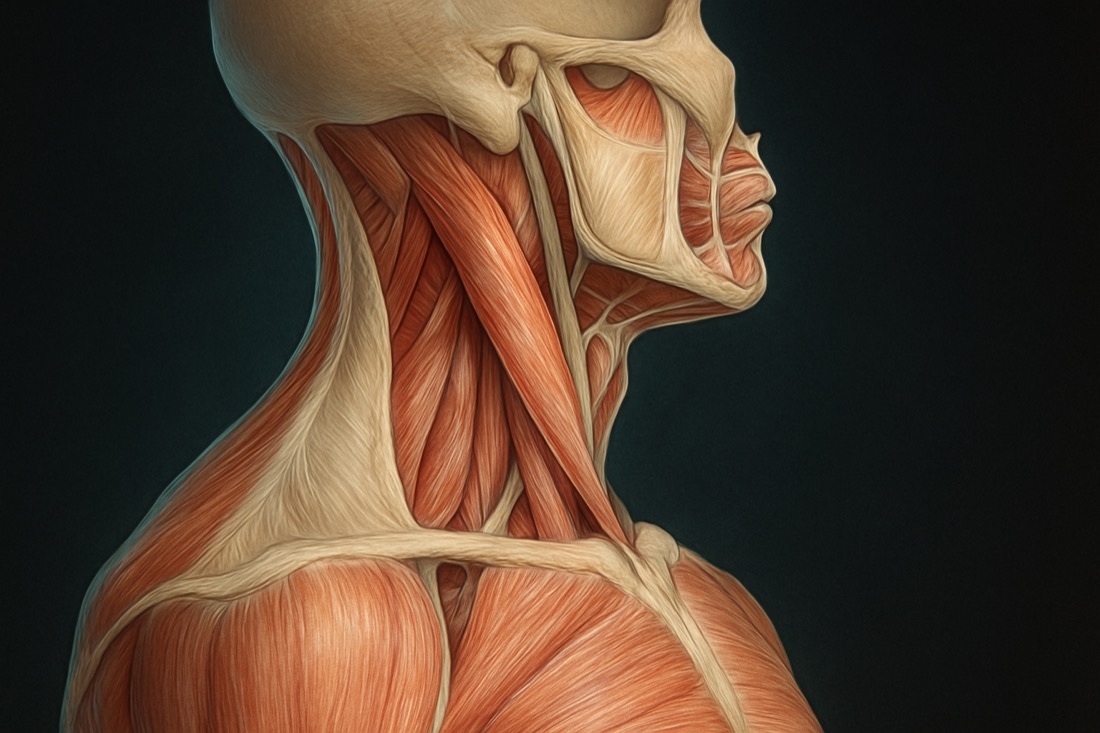
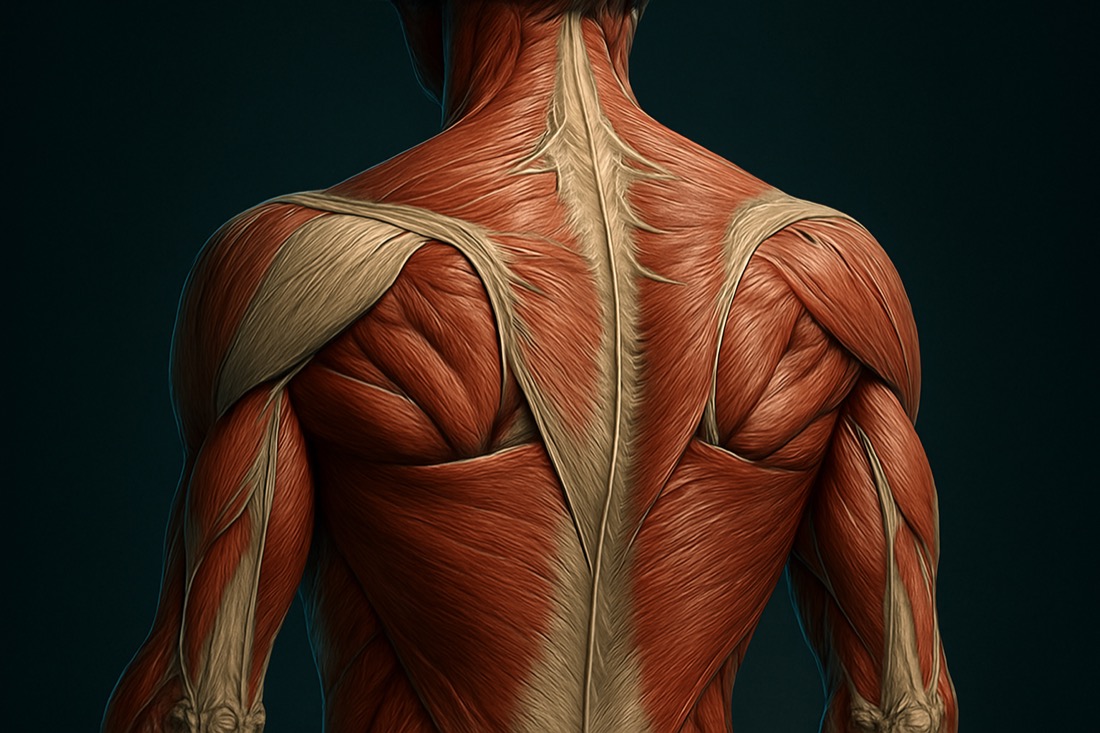
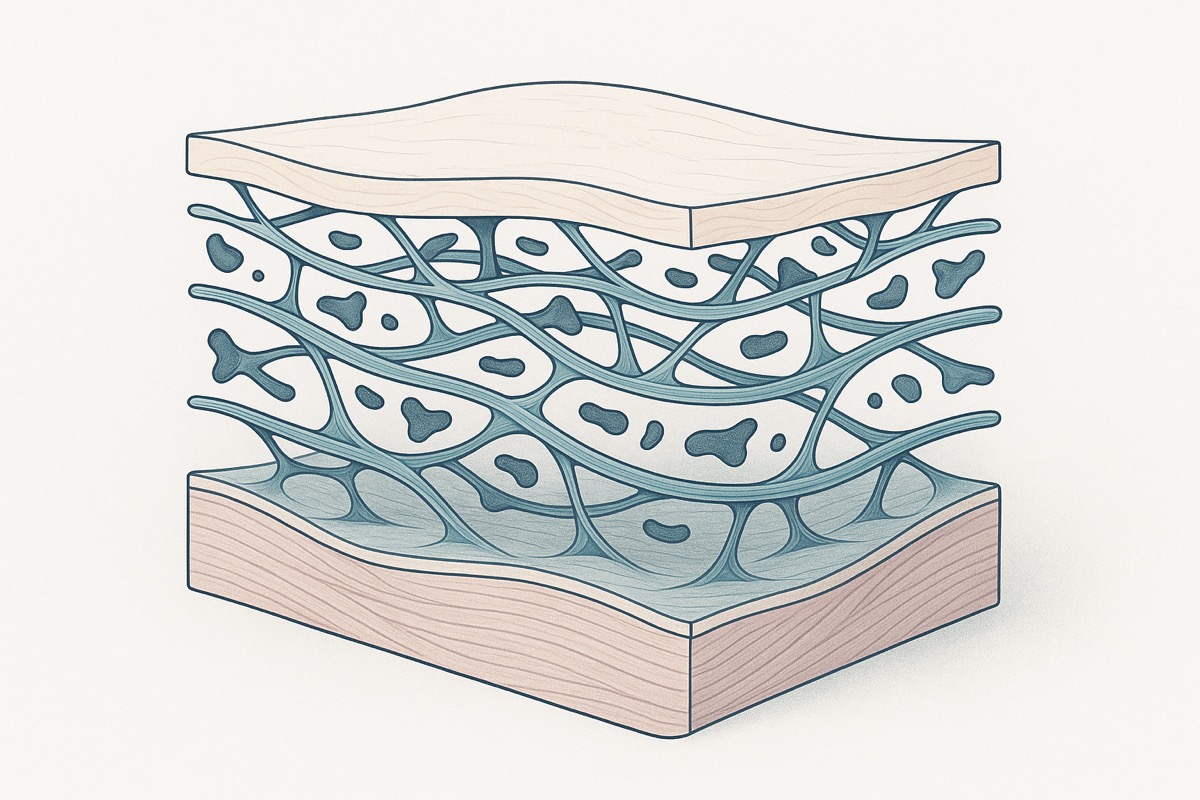
The visceral fascia, a connective tissue surrounding internal organs, plays a crucial role in maintaining structural integrity and function. When areas like the bladder or pubic bone become tense, they can lead to discomfort in nearby regions, including the lower back and sacrum[1][2]. Releasing these tensions through targeted techniques can alleviate pain and improve mobility.
Understanding the anatomical connections between the visceral fascia and other body parts is essential for effective treatment. The fascia's influence on the lower back highlights the need for a comprehensive approach that considers the body's interconnectedness.
Why is fascia release beneficial for men and women?
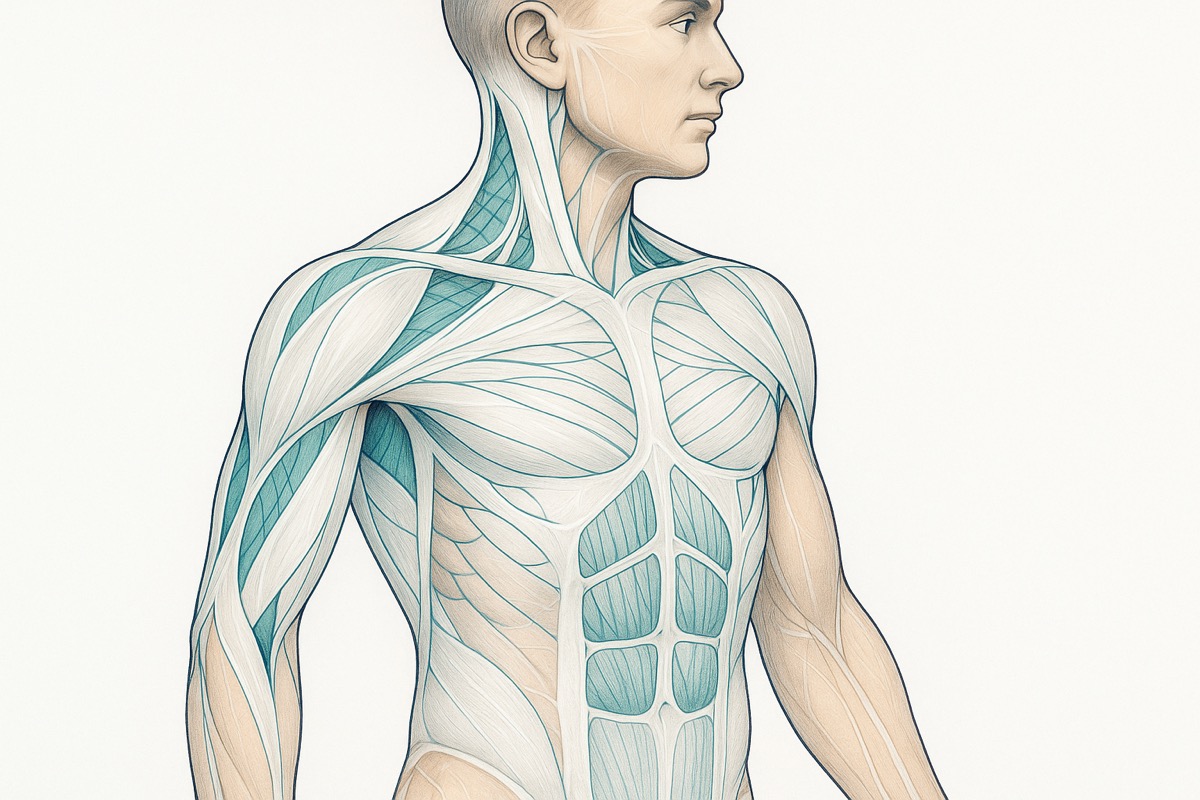
Fascia release can offer significant benefits for both men and women experiencing lower back pain. For women, it may help alleviate symptoms related to menstrual cycles, such as PMS and dysmenorrhea, by relaxing the lower abdominal region[3]. For men, it can reduce sacral pain and improve overall posture by addressing underlying fascial restrictions.
By focusing on the deep fascia, including structures like the long bone or os longum, practitioners can effectively target the root causes of discomfort. This tailored approach helps in managing pain and promoting better blood flow and organ function.
What to expect during a fascia release session
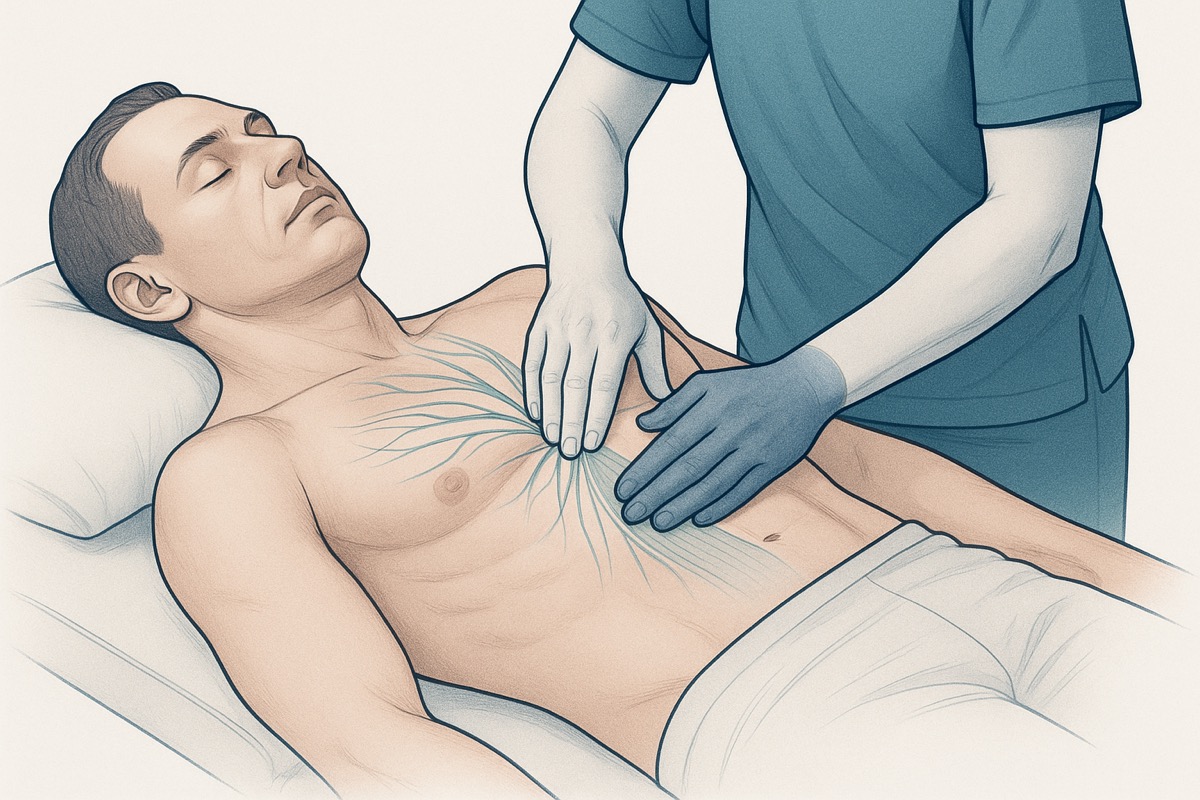
During a fascia release session, practitioners often start by assessing the tone and stiffness of the lower abdominal region. This involves gentle palpation of areas like the os longum to gauge the uterus's position and its surrounding fascia[4].
As the session progresses, patients may notice warmth spreading through their lower back and abdomen, indicating increased blood flow and muscle relaxation. This sensation is often described as a release, with patients feeling lighter and more mobile post-treatment.
Can fascia release improve overall health?
Fascia release has the potential to enhance overall health by addressing the body's structural imbalances. By releasing the diaphragm and major muscles like the psoas, it can improve organ function and circulation, leading to better energy levels and well-being[5][6].
Patients often report feeling rejuvenated, with improved skin texture and posture following treatment. This holistic approach not only targets physical discomfort but also contributes to emotional and hormonal balance, providing a comprehensive pathway to health.
Frequently asked questions
Is fascia release safe? — Fascia release is generally considered safe when performed by trained professionals. It is a non-invasive technique that focuses on gentle manipulation of the connective tissues.
How long does it take to see results? — Results can vary, but many patients experience relief after a few sessions. Consistency and following the therapist's guidance are key to achieving long-term benefits.
Can anyone undergo fascia release therapy? — While most individuals can benefit from fascia release, those with specific medical conditions should consult their healthcare provider before starting treatment.
References
- [1]Krause F, Wilke J, Vogt L, Banzer W. Intermuscular force transmission along myofascial chains: a systematic review. J Anat. 2016;228(6):910–918.
- [2]Stecco C, Stern R, Porzionato A, et al. Hyaluronan within fascia in the etiology of myofascial pain. Surg Radiol Anat. 2011;33(10):891–896.
- [3]Ajimsha MS, Al-Mudahka NR, Al-Madzhar JA. Effectiveness of myofascial release: a systematic review of randomized controlled trials. J Bodyw Mov Ther. 2015;19(1):102–112.
- [4]Tozzi P, Bongiorno D, Vitturini C. Fascial release effects on patients with non-specific cervical or lumbar pain. J Bodyw Mov Ther. 2011;15(4):405–416.
- [5]Zügel M, Maganaris CN, Wilke J, et al. Fascial tissue research in sports medicine: from molecules to tissue adaptation, injury and diagnostics: consensus statement. Br J Sports Med. 2018;52(23):1497.
- [6]Klingler W, Velders M, Hoppe K, Pedro M, Schleip R. Clinical relevance of fascial tissue and dysfunctions. Curr Pain Headache Rep. 2014;18(8):439.