Instant Relief for Lower Back Pain with the Tensor Fasciae Latae
Original title (JP): 大腿筋膜張筋で腰痛を一撃で治す動画 #筋膜 #腰痛 #治し方

Supervised by
Shogo Fujii
Physiotherapist (PT) · Founder of the SHOGO FUJII® FASCIA METHOD
View profile →Clinical Article · 5 min read
Fascia release for low back pain is a technique gaining attention for its potential to alleviate discomfort. By targeting the tensor fasciae latae (TFL), this method can help reduce tension and improve mobility. Understanding the role of fascia in low back pain is essential for both clinicians and informed patients seeking effective relief.
How does fascia release alleviate low back pain?
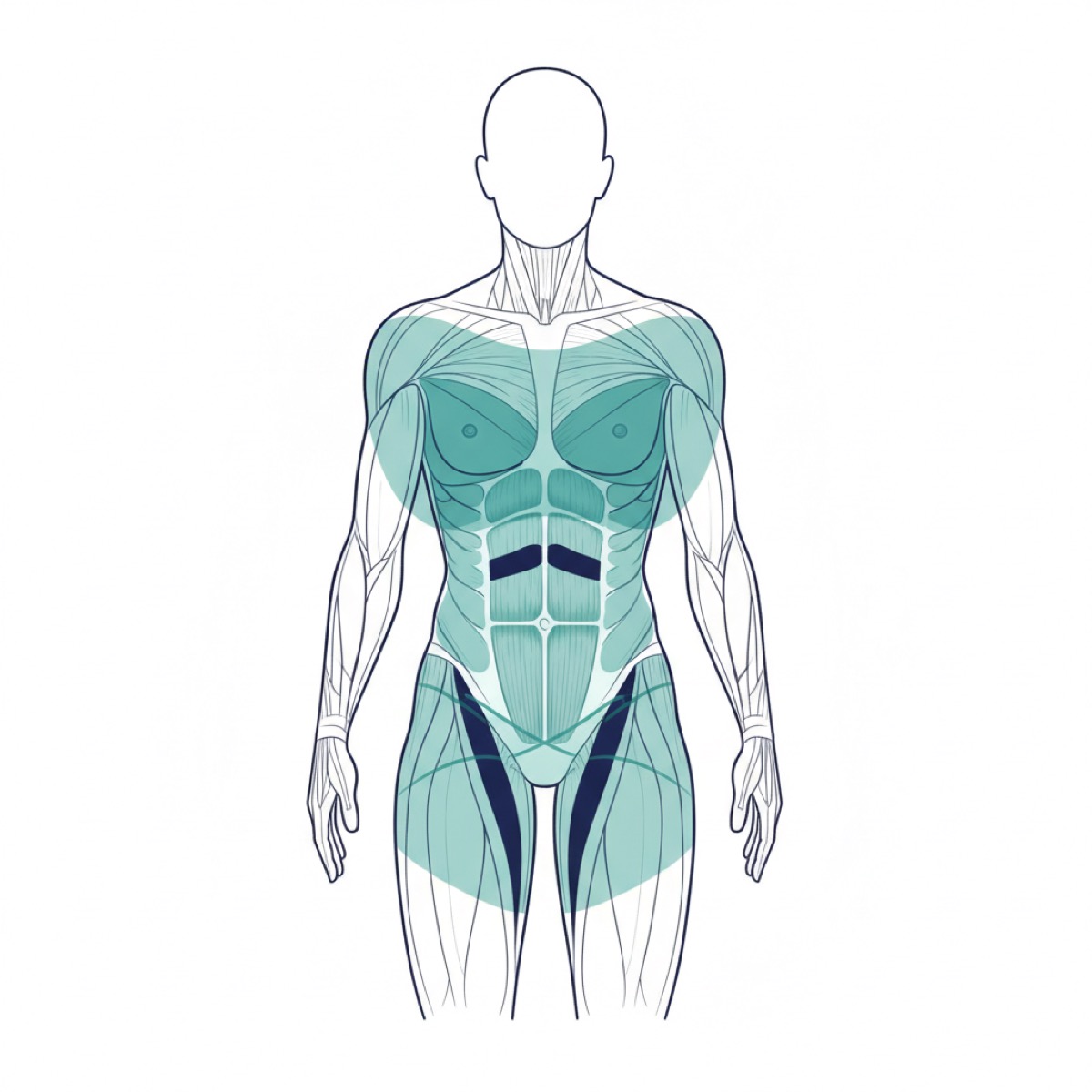
Fascia release techniques focus on easing tension in the connective tissues, such as the tensor fasciae latae (TFL), which can contribute to low back pain. By applying pressure and manipulating these tissues, practitioners aim to enhance flexibility and reduce pain [1]. The TFL is a crucial muscle involved in stabilizing the hip and pelvis, and its tightness can lead to discomfort in the lower back [2].
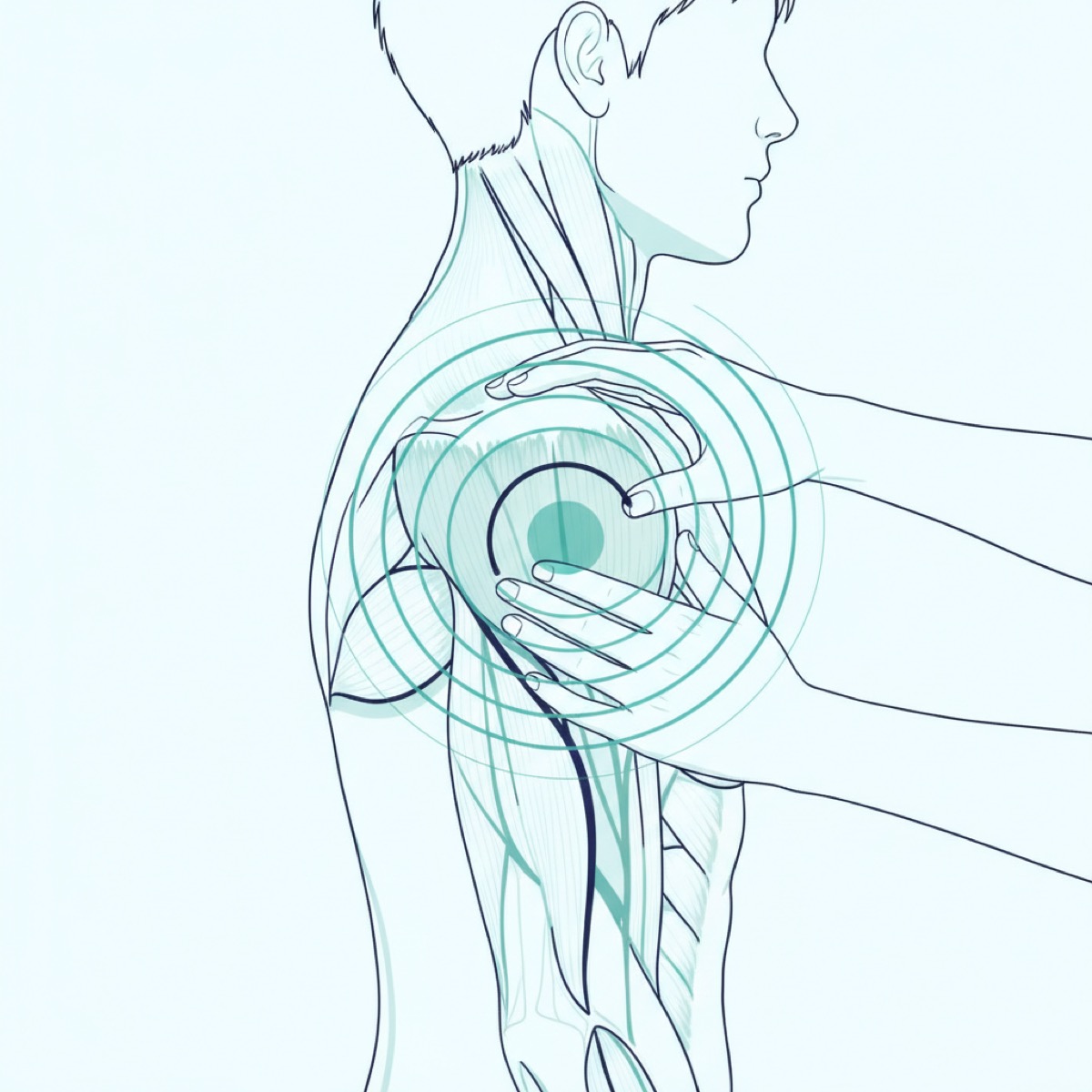
In the video by Shogo Fujii, the technique involves applying pressure to the TFL while bending the knee, which can help release the tension. This approach not only targets the fascia but also improves the range of motion, offering a holistic method to address back pain [3].
Why does the tensor fasciae latae become tight?
The tensor fasciae latae can become tight due to various factors, including prolonged sitting, poor posture, and overuse during physical activities. When the TFL is stressed, it can lead to compensatory patterns that affect the lower back, causing pain and stiffness [4].
Understanding the causes of TFL tightness is crucial for addressing low back pain effectively. By identifying these factors, individuals can take preventive measures such as stretching, strengthening, and adopting ergonomic practices to maintain muscle balance.
What to expect during a fascia release session?
During a fascia release session focusing on the TFL, practitioners typically use their hands, elbows, or specialized tools to apply pressure to the muscle. The process can be uncomfortable, especially for those with significant tightness, but it should not be excessively painful [5].
Patients often report a sensation of lightness and increased mobility in the knee and hip areas after the session, as the tension in the fascia is reduced. It is essential to communicate with the practitioner to ensure the pressure applied is within a comfortable range.
How can you maintain fascia health at home?
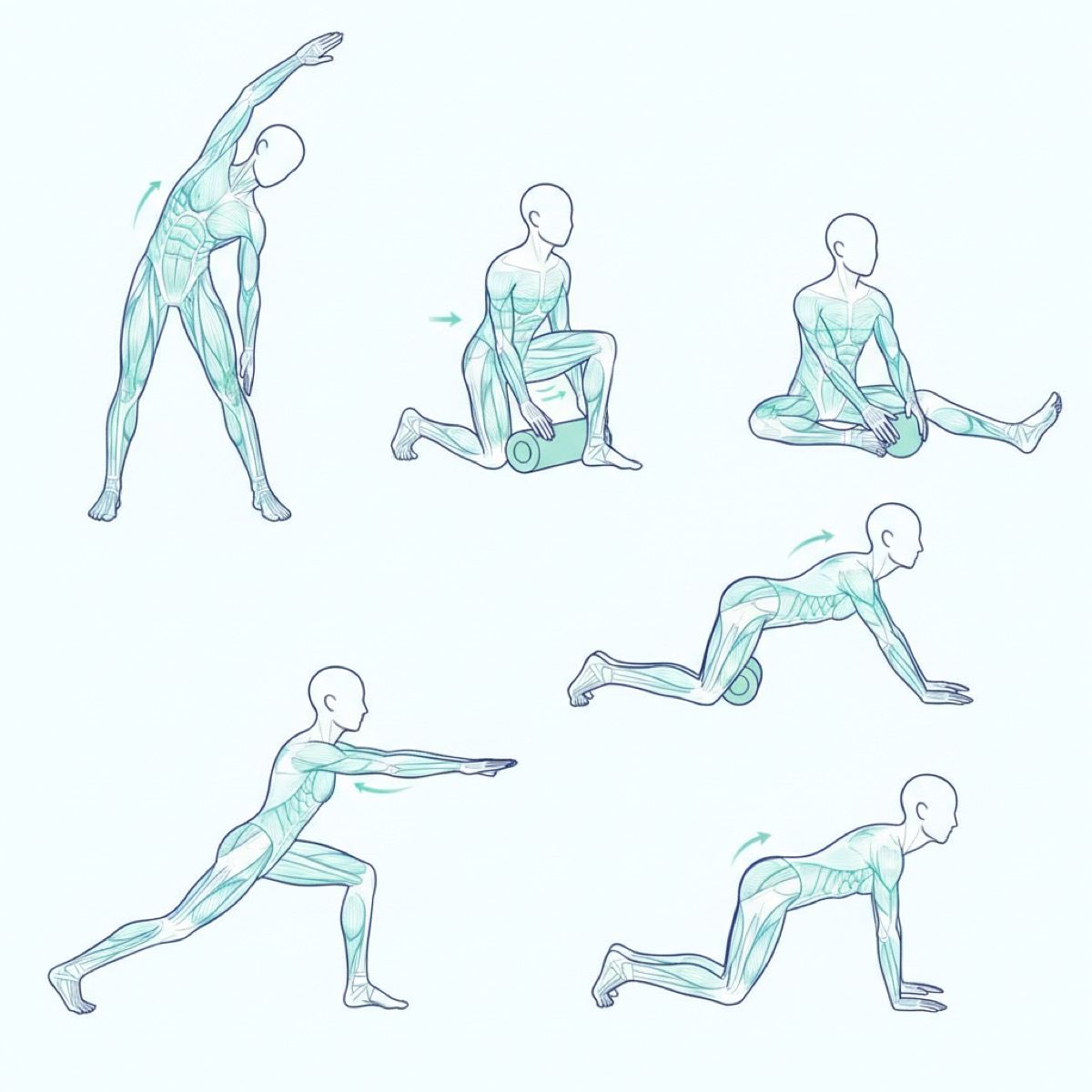
Maintaining fascia health involves regular stretching and strengthening exercises that target the TFL and surrounding muscles. Incorporating activities like yoga or Pilates can promote flexibility and prevent the buildup of tension in the fascia [6].
Additionally, self-massage techniques using foam rollers or massage balls can help release tightness in the TFL. Staying hydrated and maintaining a balanced diet also contribute to the overall health of connective tissues.
Frequently asked questions
Is fascia release safe? — Fascia release is generally safe when performed by a trained professional. It is important to communicate any discomfort during the session to avoid injury.
Can fascia release be done at home? — While professional guidance is recommended, individuals can perform gentle self-massage and stretching at home to maintain fascia health.
How often should one undergo fascia release therapy? — The frequency of fascia release therapy depends on the individual's condition and response to treatment. Consult with a healthcare provider for personalized recommendations.
References
- [1]Zügel M, Maganaris CN, Wilke J, et al. Fascial tissue research in sports medicine: from molecules to tissue adaptation, injury and diagnostics: consensus statement. Br J Sports Med. 2018;52(23):1497.
- [2]Klingler W, Velders M, Hoppe K, Pedro M, Schleip R. Clinical relevance of fascial tissue and dysfunctions. Curr Pain Headache Rep. 2014;18(8):439.
- [3]Wilke J, Vogt L, Niederer D, Banzer W. Is remote stretching based on myofascial chains as effective as local exercise? A randomised-controlled trial. J Sports Sci. 2017;35(20):2021–2027.
- [4]Palomeque-del-Cerro L, Arráez-Aybar LA, Rodríguez-Blanco C, et al. A systematic review of the soft-tissue connections between neck muscles and dura mater: the myodural bridge. Spine. 2017;42(1):49–54.
- [5]Woolf CJ. Central sensitization: implications for the diagnosis and treatment of pain. Pain. 2011;152(3 Suppl):S2–S15.
- [6]Tracey KJ. The inflammatory reflex. Nature. 2002;420(6917):853–859.