Transformative Pectoralis Minor Myofascial Release Technique
Original title (JP): 1回で劇的変化!小胸筋の筋膜リリーステクニック

Supervised by
Shogo Fujii
Physiotherapist (PT) · Founder of the SHOGO FUJII® FASCIA METHOD
View profile →Clinical Article · 5 min read
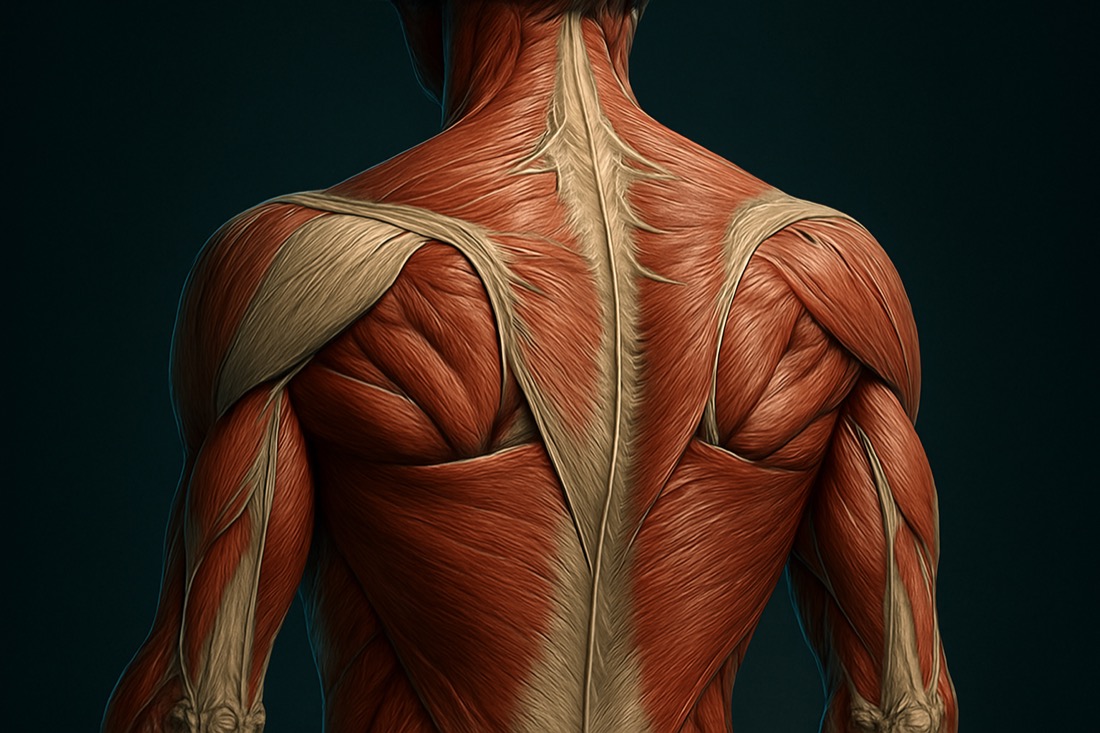
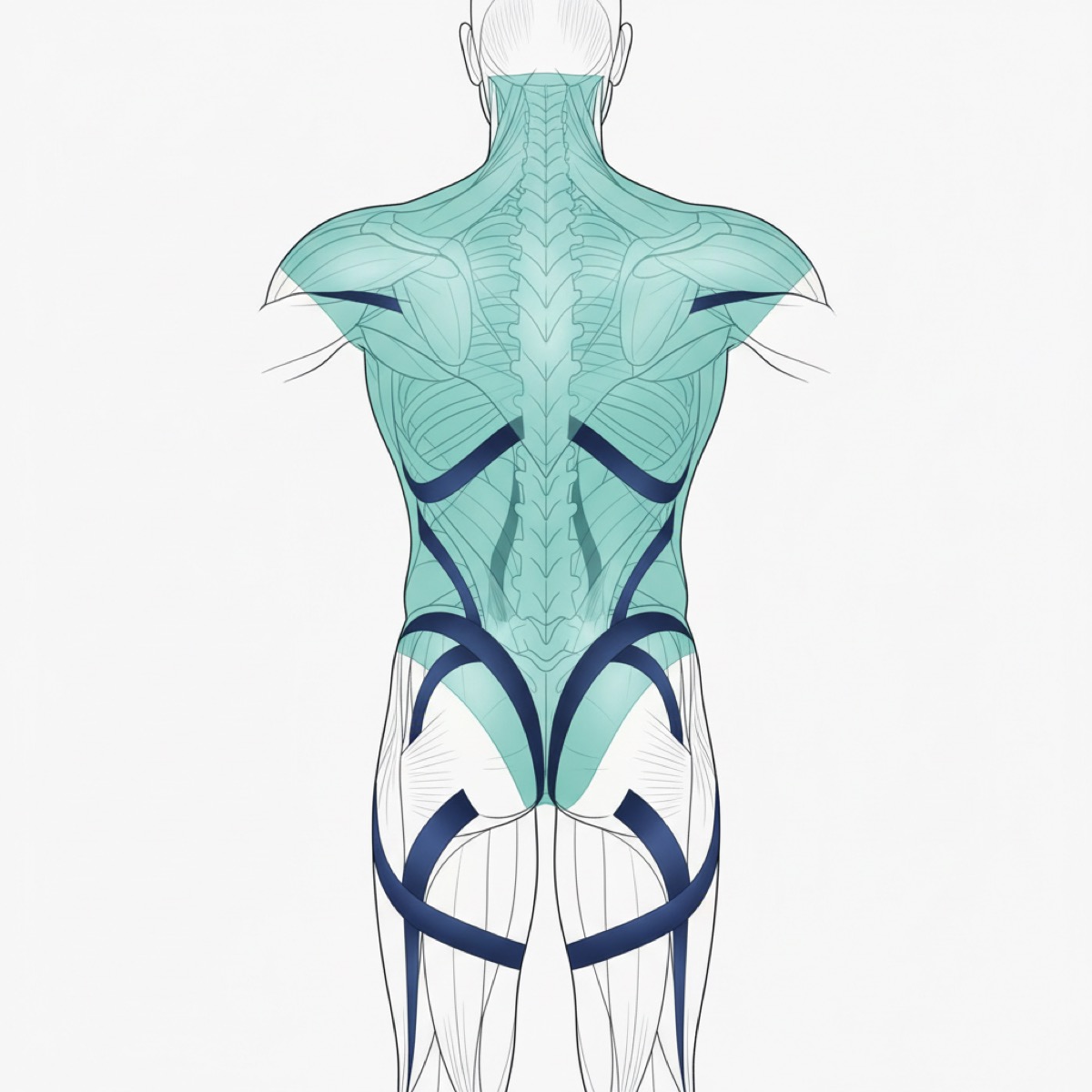
Fascia release for low back pain is gaining attention among clinicians and informed patients seeking alternative pain management strategies. This approach targets the connective tissue, or fascia, which can become tight and restrict movement, contributing to discomfort. By focusing on specific release techniques, such as the pectoralis minor myofascial release, individuals may experience relief from associated low back pain.
How does pectoralis minor affect low back pain?
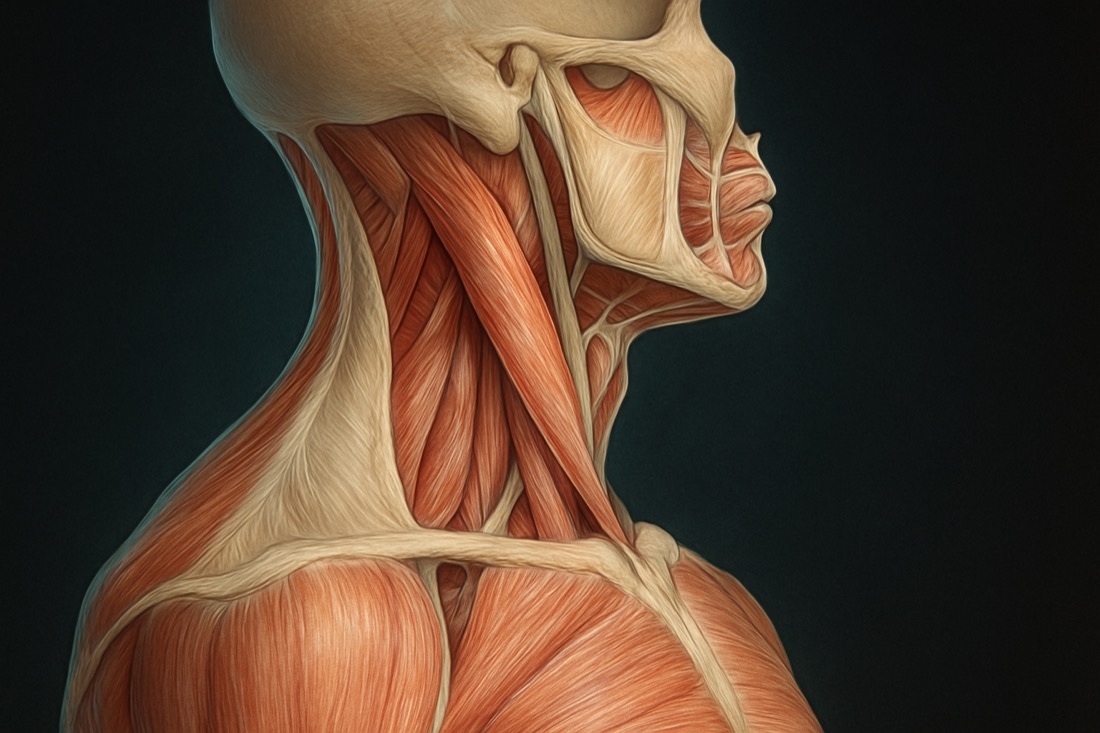
The pectoralis minor, a small but significant muscle located in the chest, plays a crucial role in shoulder movement and posture. Its tightness can indirectly contribute to low back pain by affecting the alignment and functionality of the upper body. When the pectoralis minor is restricted, it can lead to compensatory patterns that strain the lower back.
Releasing the fascia around the pectoralis minor can alleviate these compensatory patterns, potentially reducing stress on the lower back. This connection highlights the importance of addressing seemingly unrelated muscles in the pursuit of comprehensive pain management.
What is the pectoralis minor myofascial release technique?
The pectoralis minor myofascial release technique involves locating the coracoid process, a bony prominence on the shoulder blade, and applying gentle pressure slightly inward. This area is often sensitive, and manipulating it can help release tension in the pectoralis minor muscle.
Practitioners may use their thumbs or fingers to apply pressure and then gently rotate or move the shoulder to encourage the fascia to relax. This technique can be self-administered but is often more effective when performed by a trained professional.
Why does fascia release help with pain?
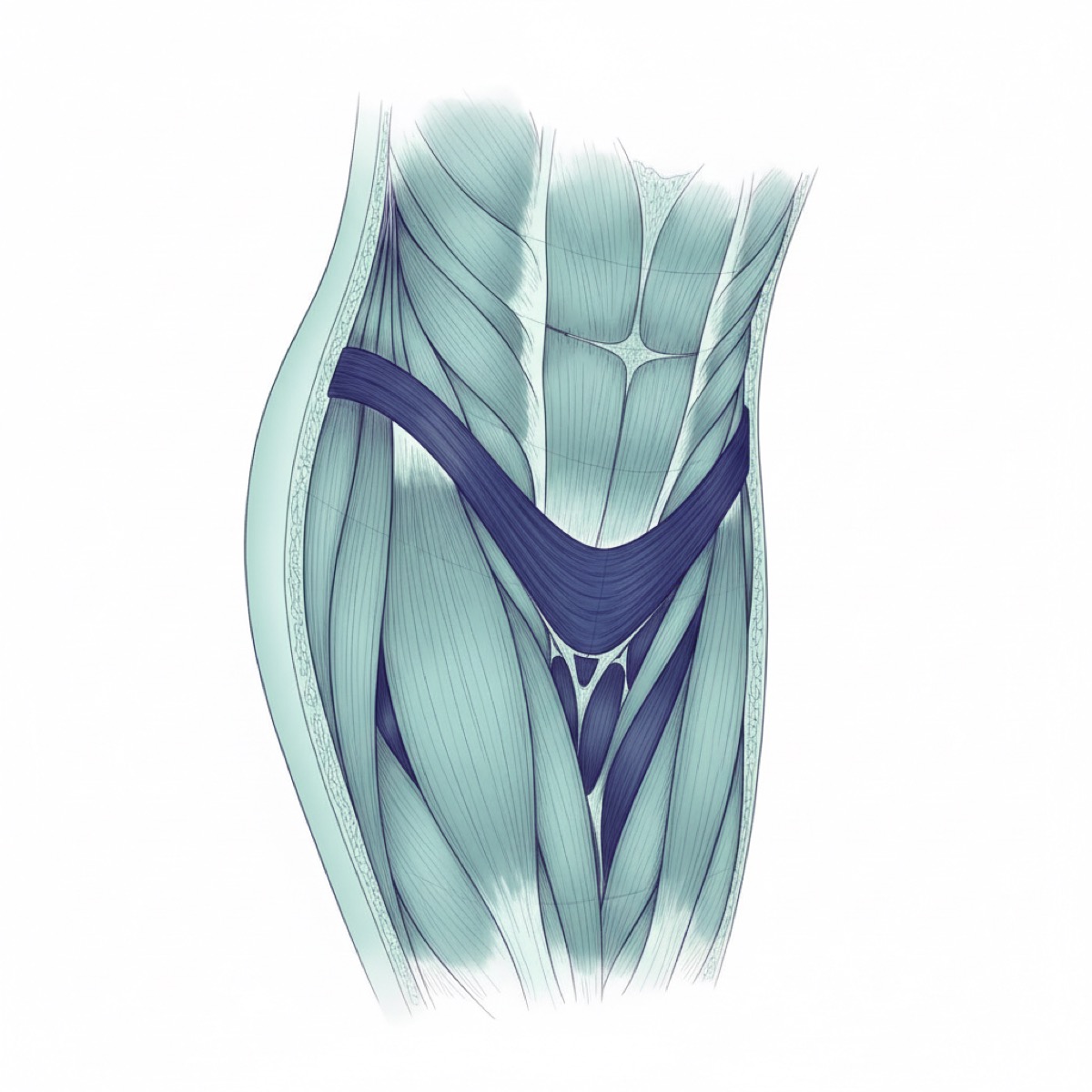
Fascia, the connective tissue surrounding muscles, can become tight and restrict movement, leading to pain and discomfort. Releasing fascia can improve mobility and reduce pain by allowing muscles to move more freely and function correctly.
The benefits of fascia release extend beyond pain relief; it can also enhance circulation and promote relaxation, which are crucial for overall musculoskeletal health. This holistic approach is why fascia release is a favored technique among physiotherapists.
What can patients expect from fascia release therapy?
Patients undergoing fascia release therapy can expect a series of sessions where the therapist targets specific areas of tension to alleviate pain and improve mobility. The process involves manual manipulation of the fascia, which can cause mild discomfort but is generally well-tolerated.
After sessions, patients may notice immediate relief or gradual improvements over time. Consistency and a tailored approach are key, as results can vary depending on individual conditions and the severity of fascia tightness.

Frequently asked questions
Is fascia release safe? — Fascia release is generally considered safe when performed by trained professionals. It is important to communicate any discomfort during the process to ensure the technique is adjusted appropriately.
Can I perform fascia release on myself? — While some techniques can be self-administered, it is often more effective and safer to seek guidance from a professional who can tailor the approach to your specific needs.
How often should I have fascia release therapy? — The frequency of therapy sessions depends on individual needs and the severity of the condition. A professional can provide a personalized treatment plan that may involve weekly sessions initially, tapering off as improvements are observed.
References
- [1]Tracey KJ. The inflammatory reflex. Nature. 2002;420(6917):853–859.
- [2]Mayer EA. Gut feelings: the emerging biology of gut–brain communication. Nat Rev Neurosci. 2011;12(8):453–466.
- [3]Cryan JF, Dinan TG. Mind-altering microorganisms: the impact of the gut microbiota on brain and behaviour. Nat Rev Neurosci. 2012;13(10):701–712.
- [4]Guo R, Chen LH, Xing C, Liu T. Pain regulation by gut microbiota: molecular mechanisms and therapeutic potential. Br J Anaesth. 2019;123(5):637–654.
- [5]Ricciotti E, FitzGerald GA. Prostaglandins and inflammation. Arterioscler Thromb Vasc Biol. 2011;31(5):986–1000.
- [6]Salehi B, Venditti A, Sharifi-Rad M, et al. The therapeutic potential of apigenin. Int J Mol Sci. 2019;20(6):1305.