Cure Frozen Shoulder in One Session
Original title (JP): 五十肩を1発で治す動画

Supervised by
Shogo Fujii
Physiotherapist (PT) · Founder of the SHOGO FUJII® FASCIA METHOD
View profile →Clinical Article · 5 min read
If you're struggling with low back pain, fascia release may be the therapeutic technique you need. This approach targets the connective tissue to alleviate discomfort and improve your range of motion. In this article, we explore how fascia release works and its potential benefits for those suffering from persistent low back issues.
Why does low back pain persist?
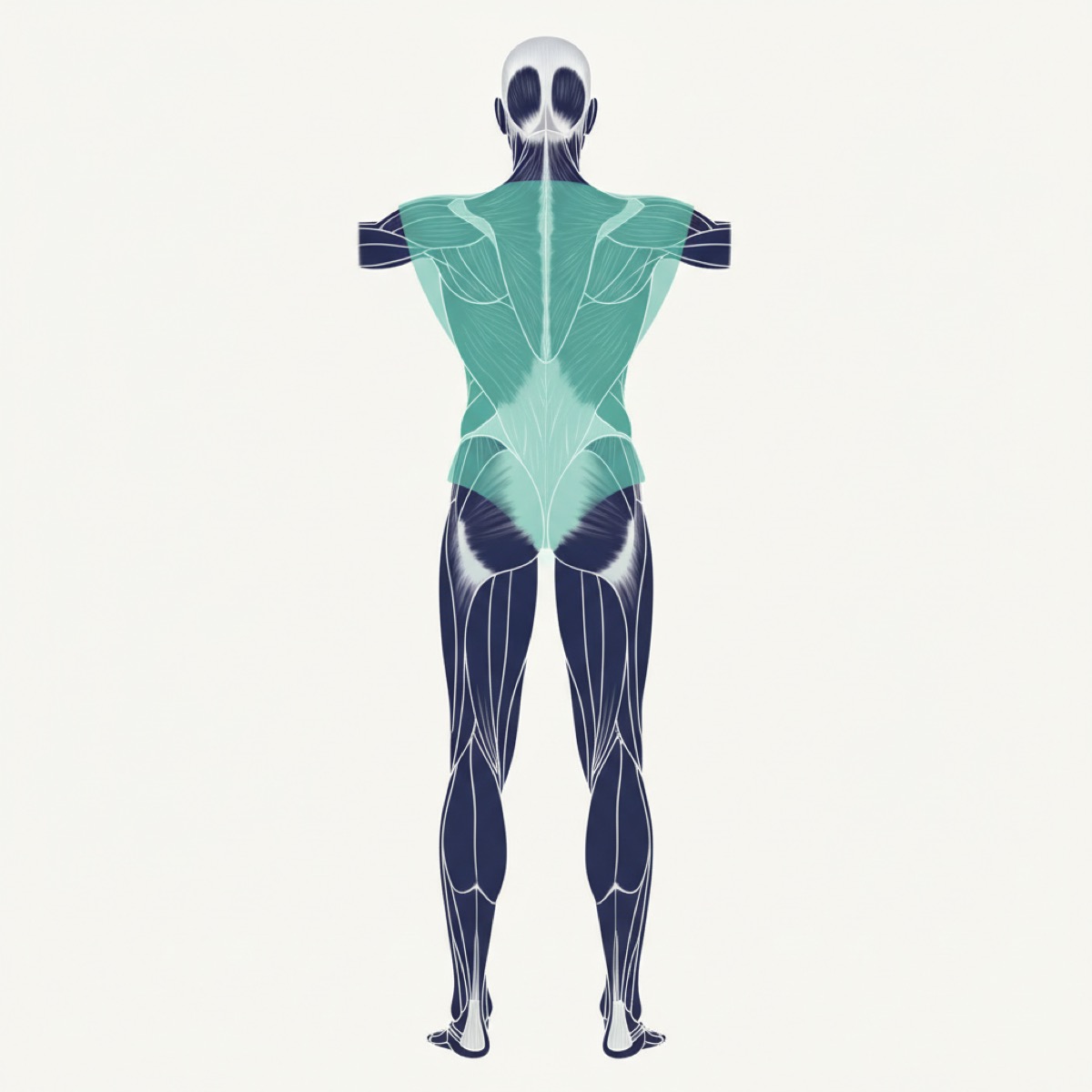
Low back pain is a common issue that many individuals experience due to various factors such as muscle strain, poor posture, or underlying medical conditions. The pain often persists because of the fascia, a connective tissue that surrounds muscles and organs, which can become tight or stressed, leading to discomfort and restricted movement.
When the fascia is not functioning properly, it can create tension and pain in the lower back. Understanding the role of fascia in low back pain is crucial for addressing the root cause of the issue, rather than just managing the symptoms.
How does fascia release help low back pain?
Fascia release is a technique that involves applying gentle pressure to the fascia to release tension and improve mobility. This method can help realign the fascia, reduce stress on the muscles, and restore proper function to the affected area.
The process typically involves identifying areas of tightness in the fascia and using specific manual techniques to release these restrictions. This can lead to a significant reduction in pain and an increase in movement, allowing individuals to experience relief from chronic low back pain.
What to expect during a fascia release session
During a fascia release session, a trained therapist will assess your range of motion and identify areas of tension in your lower back. The therapist will then apply targeted pressure to these areas to help release the fascia and improve circulation.
It's essential to communicate with your therapist about the sensations you experience during the session. While some discomfort may occur, the goal is to achieve a noticeable improvement in mobility and a reduction in pain by the end of the treatment.
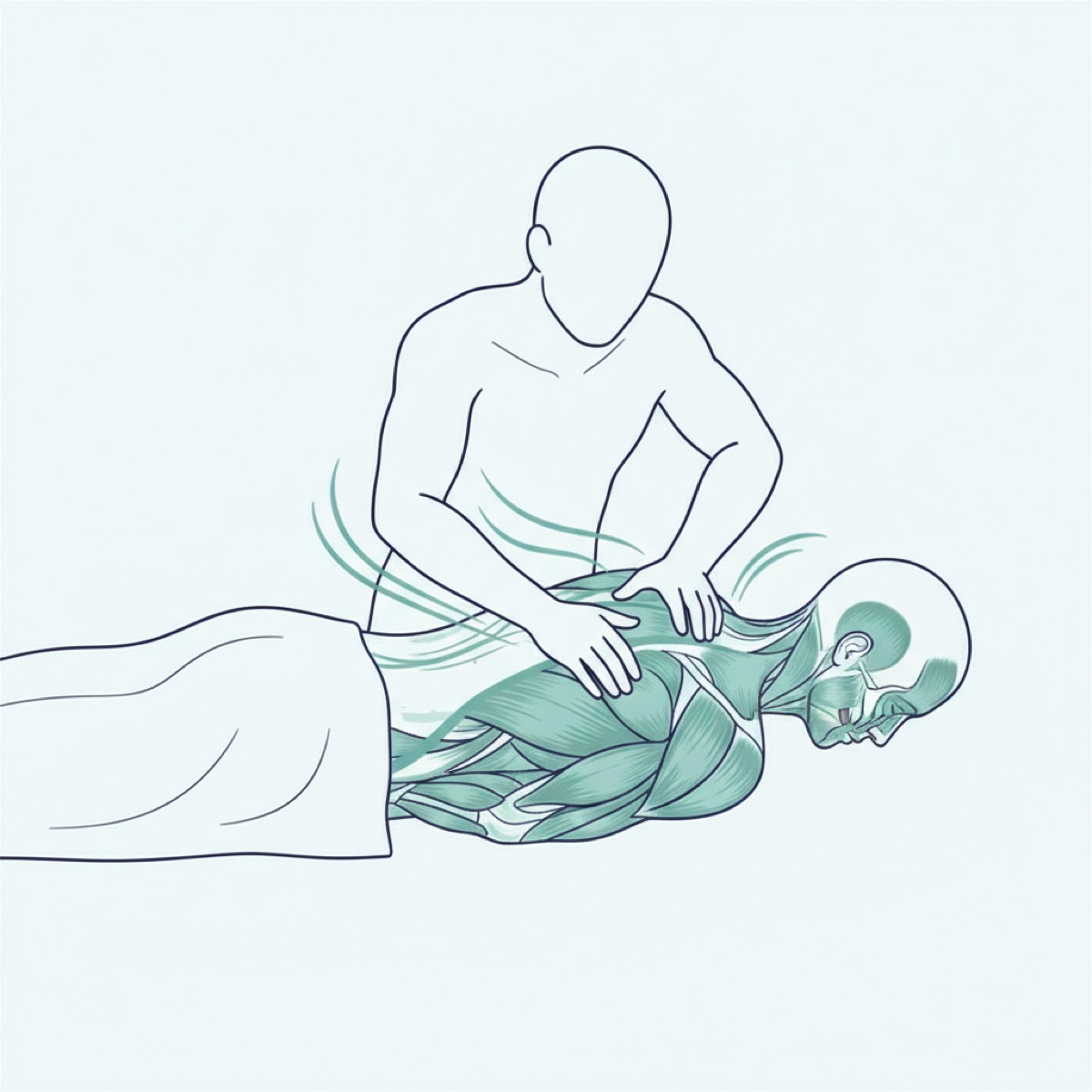
Benefits of fascia release for low back pain
The primary benefit of fascia release is the alleviation of pain and discomfort in the lower back. By addressing the fascia, individuals can experience improved posture, increased flexibility, and enhanced overall movement.
In addition to physical benefits, fascia release can also contribute to improved mental well-being by reducing stress and promoting relaxation. This holistic approach can be a valuable part of a comprehensive treatment plan for chronic low back pain.
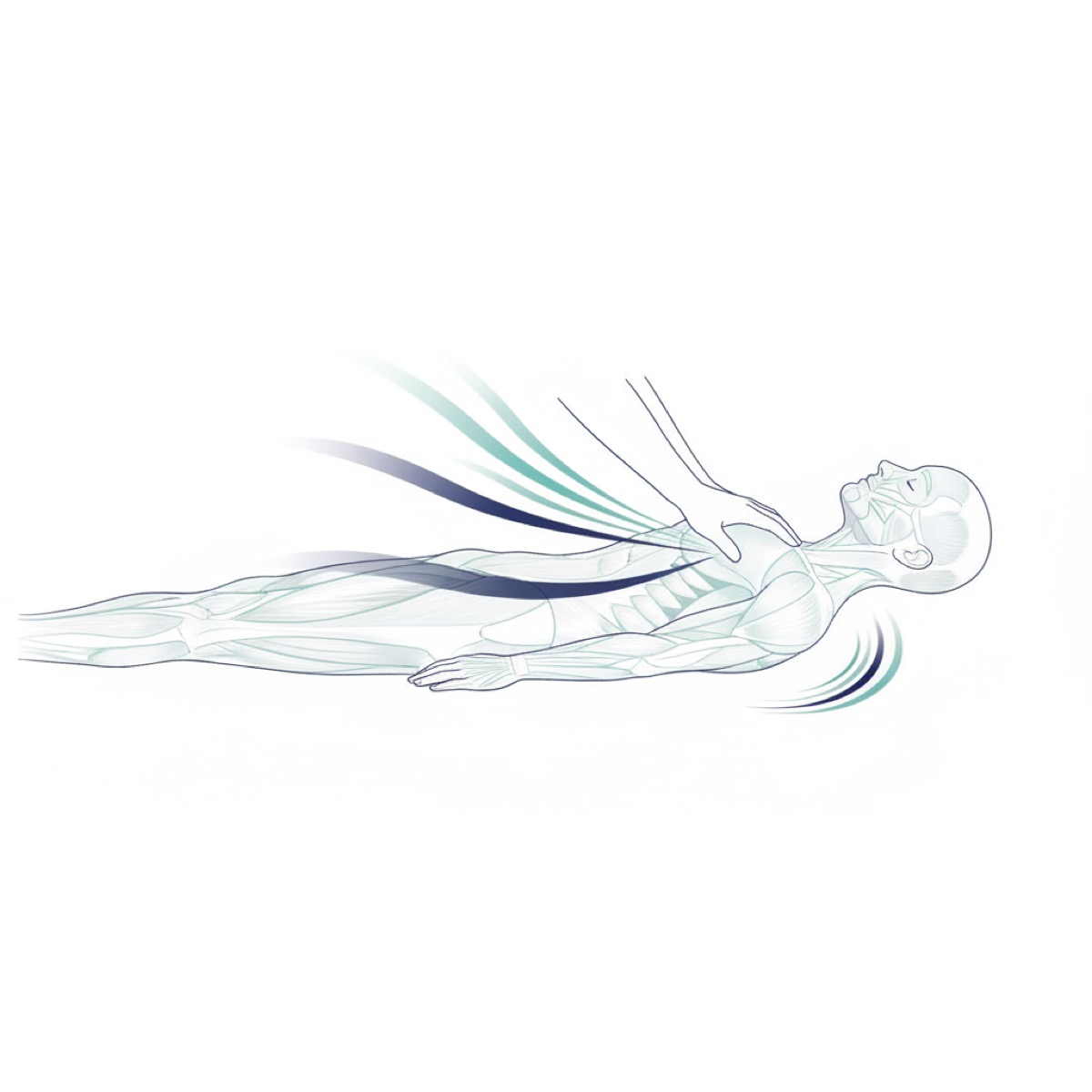
Frequently asked questions
Is fascia release safe? — Fascia release is generally considered safe when performed by a trained professional. It's important to ensure that your therapist is qualified and experienced in this technique.
How often should I have fascia release sessions? — The frequency of sessions depends on the severity of your symptoms and your individual response to treatment. Your therapist will recommend a schedule tailored to your needs.
Can I perform fascia release at home? — While some techniques can be done at home with proper guidance, it's best to consult with a professional to ensure safety and effectiveness.
References
- [1]Taljanovic MS, Gimber LH, Becker GW, et al. Shear-wave elastography: basic physics and musculoskeletal applications. RadioGraphics. 2017;37(3):855–870.
- [2]Langevin HM. Connective tissue: a body-wide signaling network? Med Hypotheses. 2006;66(6):1074–1077.
- [3]Schleip R. Fascial plasticity — a new neurobiological explanation. J Bodyw Mov Ther. 2003;7(1):11–19.
- [4]Wilke J, Krause F, Vogt L, Banzer W. What Is Evidence-Based About Myofascial Chains? A Systematic Review. Arch Phys Med Rehabil. 2016;97(3):454–461.
- [5]Krause F, Wilke J, Vogt L, Banzer W. Intermuscular force transmission along myofascial chains: a systematic review. J Anat. 2016;228(6):910–918.
- [6]Stecco C, Stern R, Porzionato A, et al. Hyaluronan within fascia in the etiology of myofascial pain. Surg Radiol Anat. 2011;33(10):891–896.