Effective Remedies for Hand and Foot Numbness!
Original title (JP): 手のしびれ足のしびれ特効薬!!

Supervised by
Shogo Fujii
Physiotherapist (PT) · Founder of the SHOGO FUJII® FASCIA METHOD
View profile →Clinical Article · 5 min read
Fascia release for low back pain offers a promising approach to alleviate symptoms like hand and foot numbness. This method targets specific muscular areas to enhance mobility and reduce discomfort. By understanding how fascia therapy works, both clinicians and informed patients can find relief from persistent numbness in their extremities.
How does fascia release alleviate numbness?
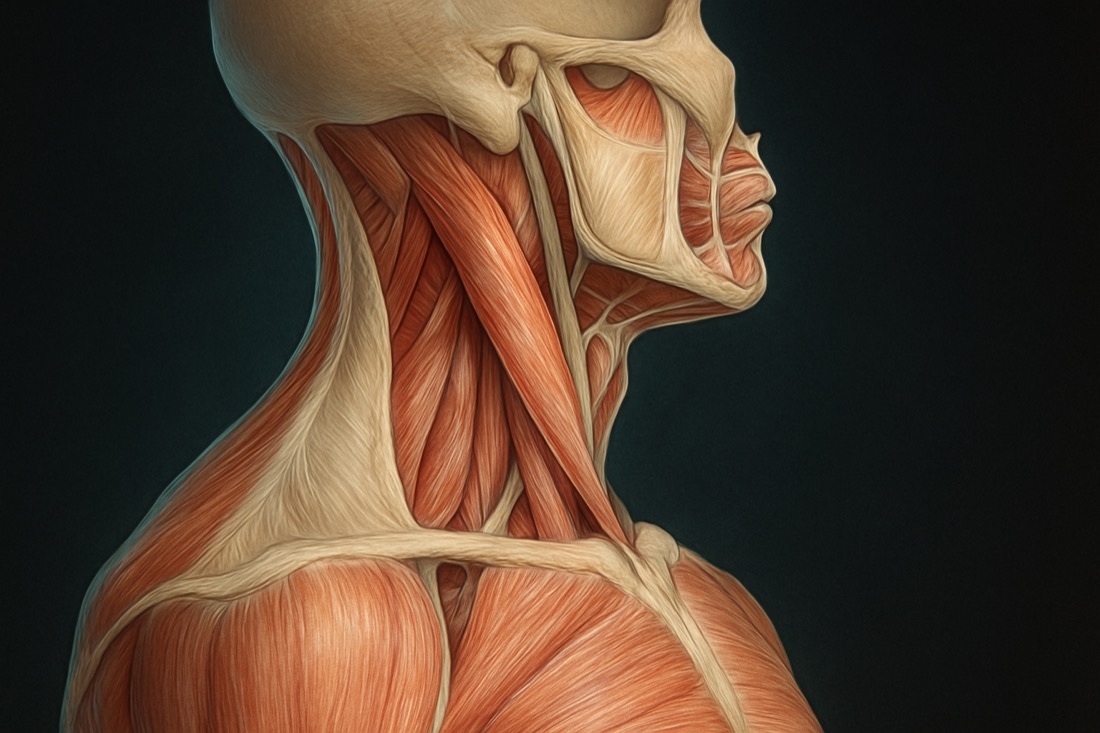
Fascia release is a technique that focuses on reducing tension in the scalene muscles, which can contribute to symptoms like numbness in the hands and feet. These muscles, located near the neck, can impact nerve pathways when tight, leading to discomfort and restricted movement.
By carefully manipulating the fascia and underlying muscle fibers, practitioners aim to restore normal function. It requires a delicate touch and precise hand positioning to effectively release these tensions, often resulting in a noticeable improvement in symptoms.
Why is the scalene muscle important?
The scalene muscles play a crucial role in the upper body's structural integrity and movement. When these muscles are tense, they can compress nearby nerves, leading to symptoms such as numbness in the extremities. This is particularly common in conditions like herniated discs or spinal stenosis, where nerve impingement is a concern.
Effective fascia release techniques can help to alleviate this tension, offering relief from numbness and associated discomfort. This approach is not just about temporary relief but aims to address the root cause of the symptoms.
What to expect during a fascia release session
During a fascia release session, the practitioner will focus on the scalene muscles, using their fingers to gently manipulate the area. This process involves identifying key anatomical landmarks, such as the mastoid process, and applying targeted pressure to release tension in the fascia.
Patients are encouraged to breathe deeply throughout the session, which can enhance the effectiveness of the treatment. The goal is to gradually loosen the tight muscle fibers, allowing for improved nerve function and reduced numbness.
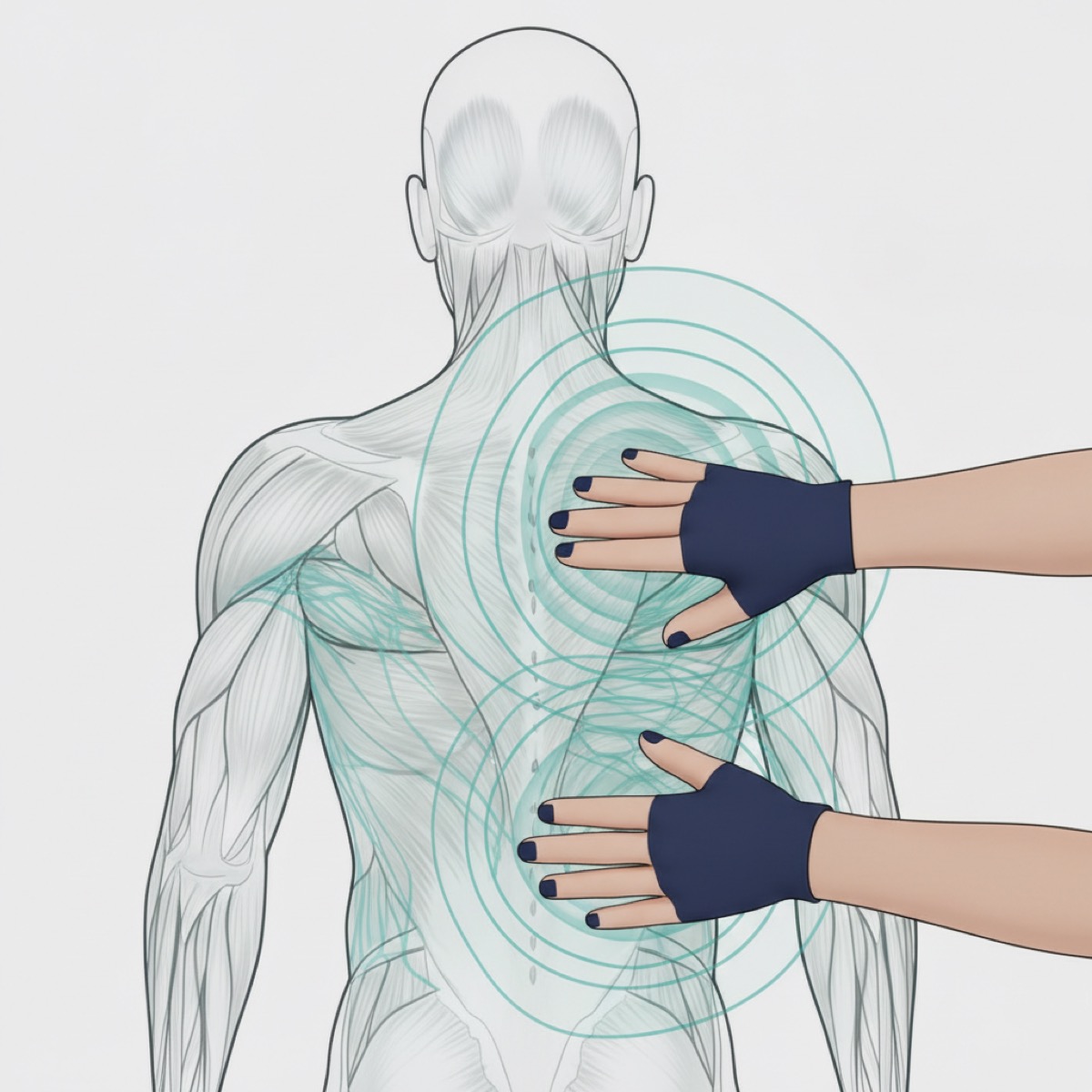
Benefits of fascia release for low back pain
Fascia release is not only beneficial for relieving numbness but also plays a significant role in managing low back pain. By addressing tension in the fascia, this therapy can improve overall mobility and reduce pain, offering a holistic approach to treatment.
Patients often report feeling more relaxed and experiencing less pain in their neck and lower back after a session. It's an effective complementary treatment for conditions like herniated discs and spinal stenosis, which can impact the quality of life.
Frequently asked questions
Is fascia release safe? — Yes, fascia release is generally considered safe when performed by a trained professional. It involves gentle manipulation of the muscles and fascia without invasive techniques.
How long does it take to see results? — Many patients notice improvements in their symptoms after just one session. However, for long-lasting results, multiple sessions may be necessary depending on the severity of the condition.
Can fascia release help with other conditions? — Yes, fascia release can be beneficial for a range of conditions beyond low back pain and numbness, including improving flexibility and reducing chronic pain in various parts of the body.
References
- [1]Woolf CJ. Central sensitization: implications for the diagnosis and treatment of pain. Pain. 2011;152(3 Suppl):S2–S15.
- [2]Tracey KJ. The inflammatory reflex. Nature. 2002;420(6917):853–859.
- [3]Mayer EA. Gut feelings: the emerging biology of gut–brain communication. Nat Rev Neurosci. 2011;12(8):453–466.
- [4]Cryan JF, Dinan TG. Mind-altering microorganisms: the impact of the gut microbiota on brain and behaviour. Nat Rev Neurosci. 2012;13(10):701–712.
- [5]Guo R, Chen LH, Xing C, Liu T. Pain regulation by gut microbiota: molecular mechanisms and therapeutic potential. Br J Anaesth. 2019;123(5):637–654.
- [6]Ricciotti E, FitzGerald GA. Prostaglandins and inflammation. Arterioscler Thromb Vasc Biol. 2011;31(5):986–1000.