Immediate Relief for Severe Shoulder Pain through Fascial Release
Original title (JP): 激しい肩の痛みをその場で改善させる筋膜リリース#筋膜 #治し方 #腰痛整体 #肩こり

Supervised by
Shogo Fujii
Physiotherapist (PT) · Founder of the SHOGO FUJII® FASCIA METHOD
View profile →Clinical Article · 5 min read
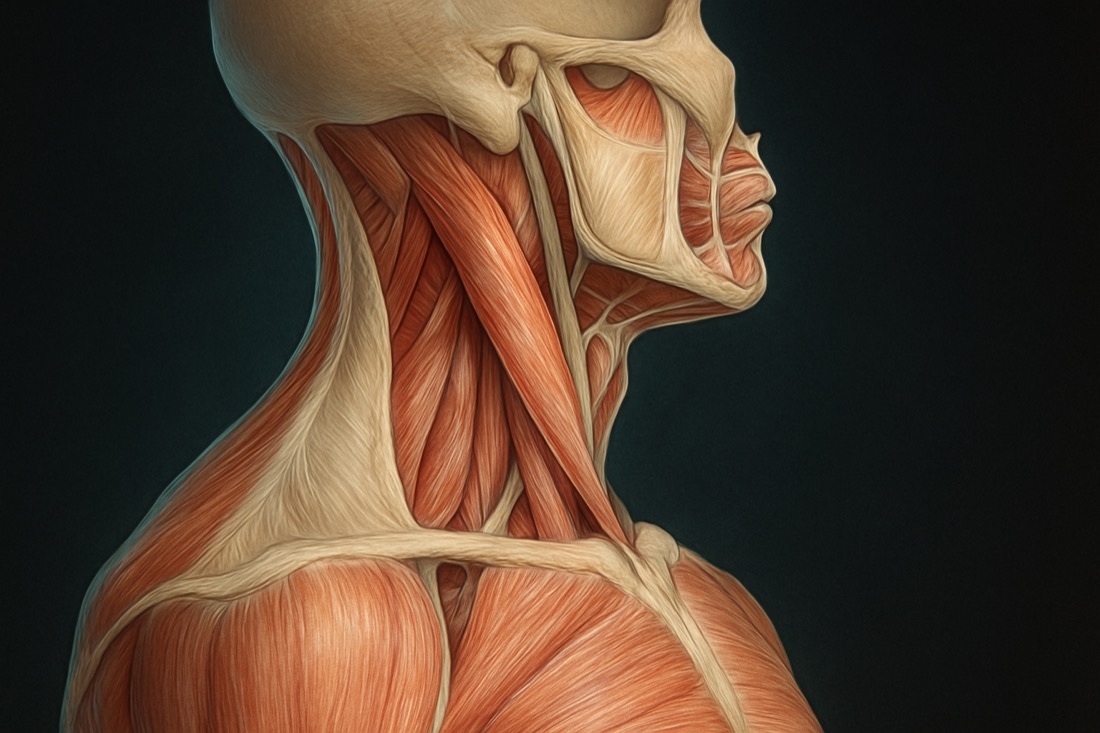
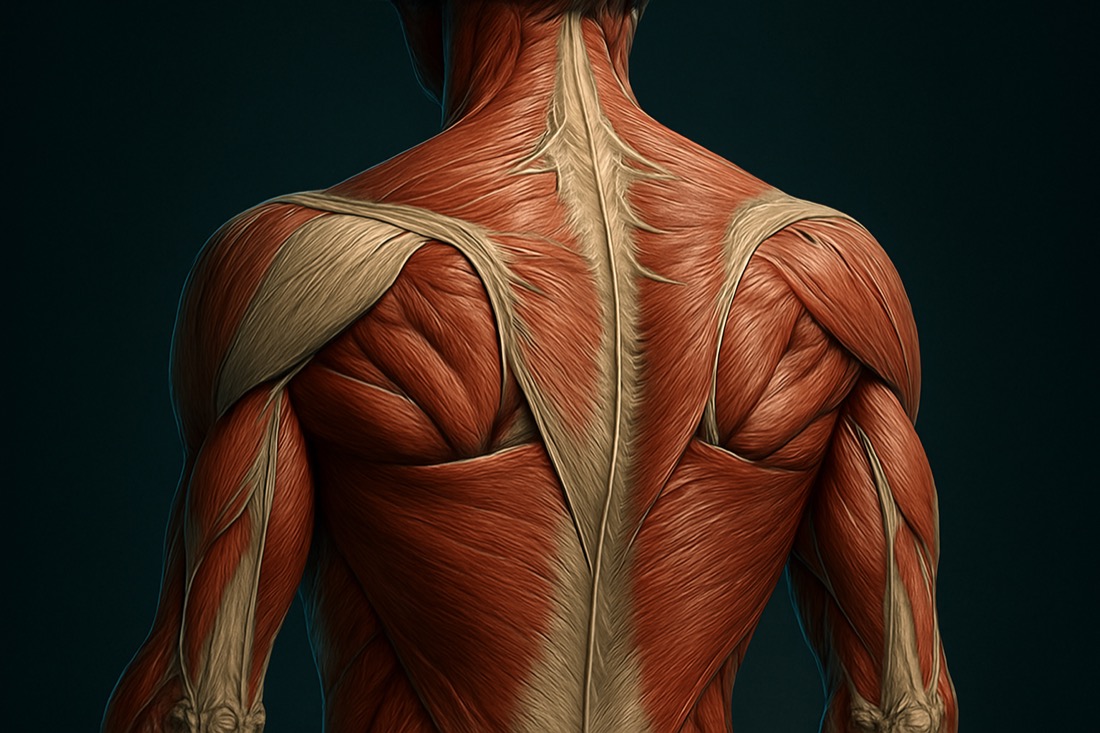
Fascia release for low back pain is gaining attention for its potential to provide immediate relief. This non-invasive technique targets the connective tissue, offering a new approach for those suffering from pain and limited mobility. Understanding how fascia interacts with muscles and joints can empower patients and clinicians alike to explore this promising therapy.
How does fascia release alleviate low back pain?
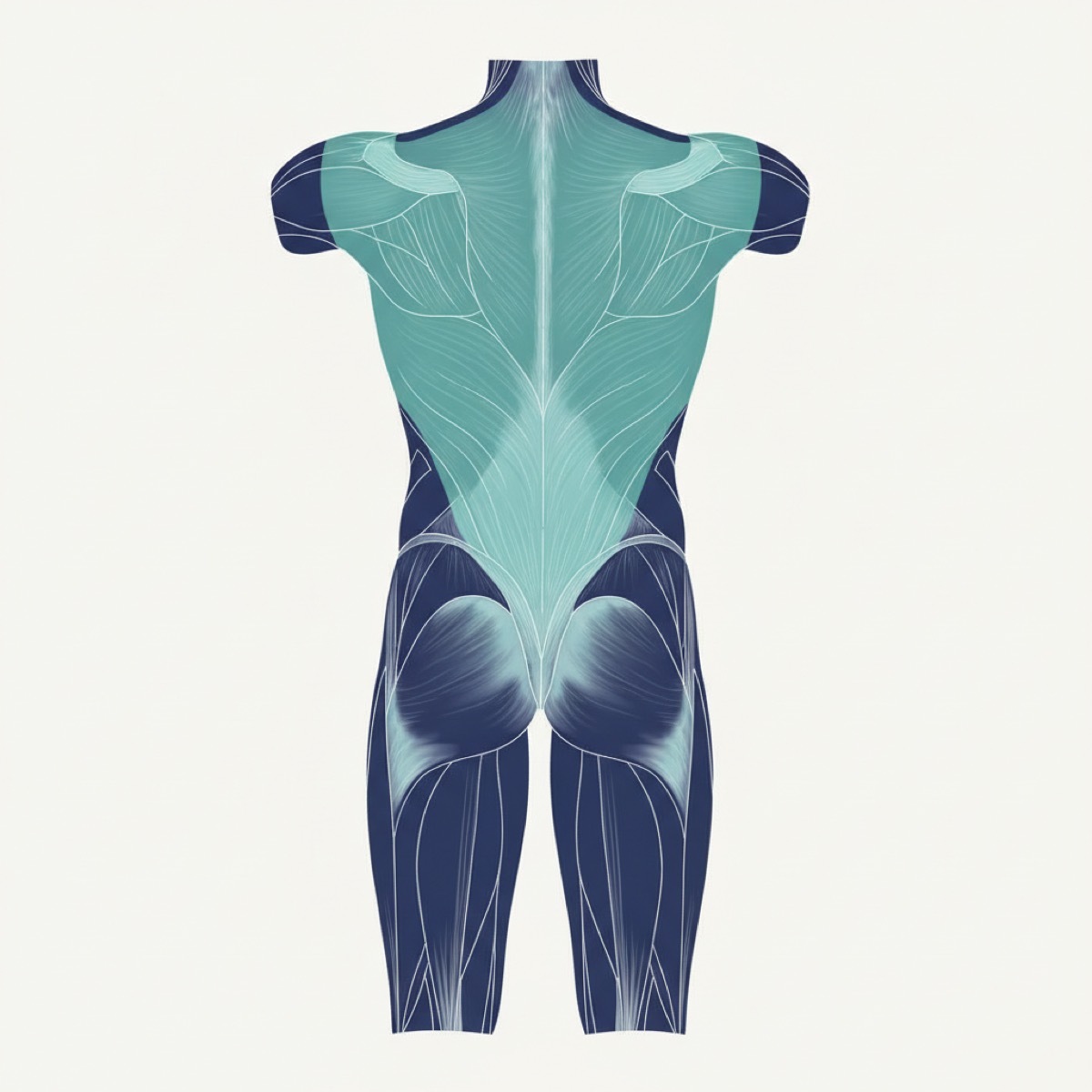
Fascia release focuses on loosening the connective tissue that envelops muscles, bones, and organs. In the case of low back pain, targeted manipulation of fascia can reduce tension and improve mobility. This approach can be particularly beneficial for those experiencing stiffness and discomfort due to shortened or restricted fascia.
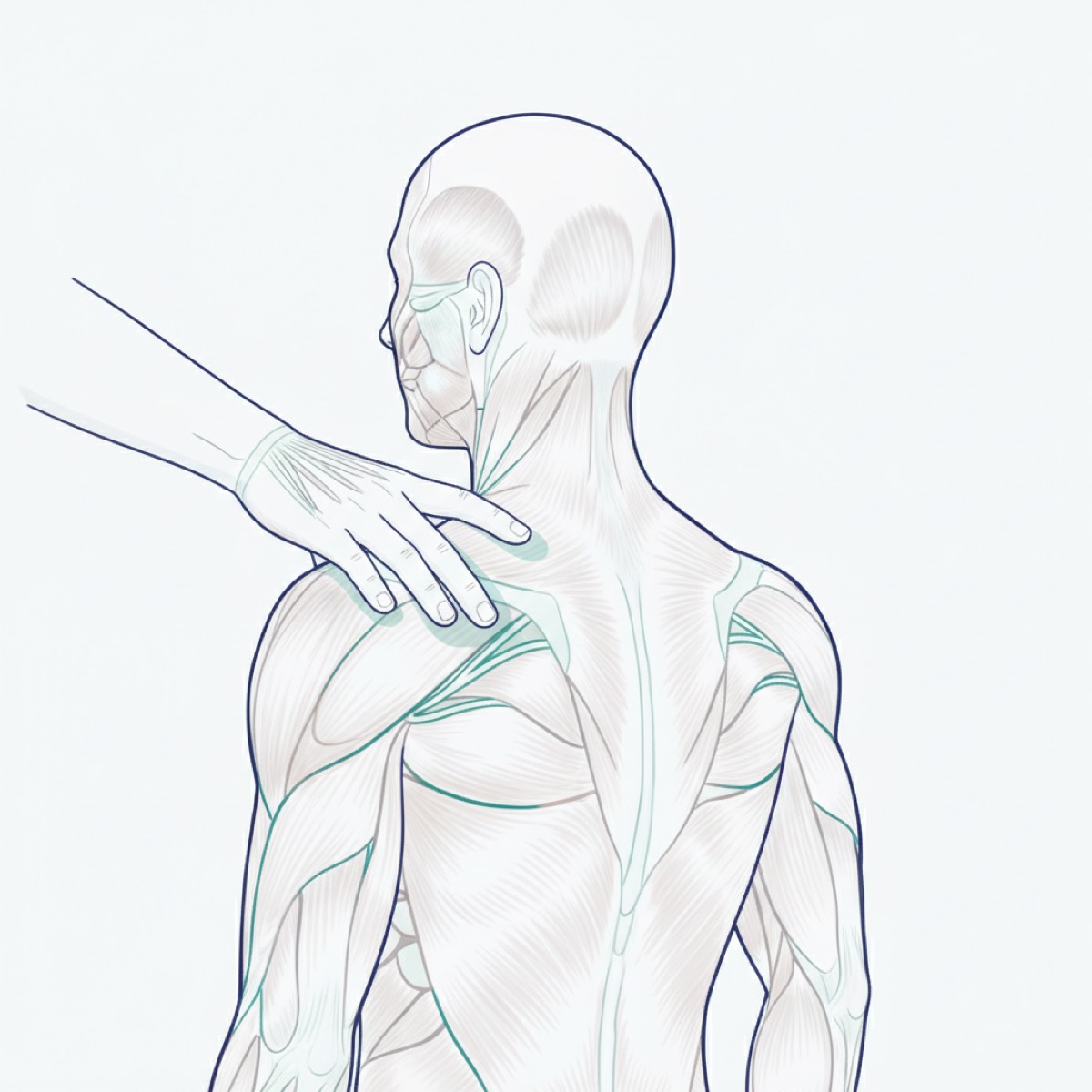
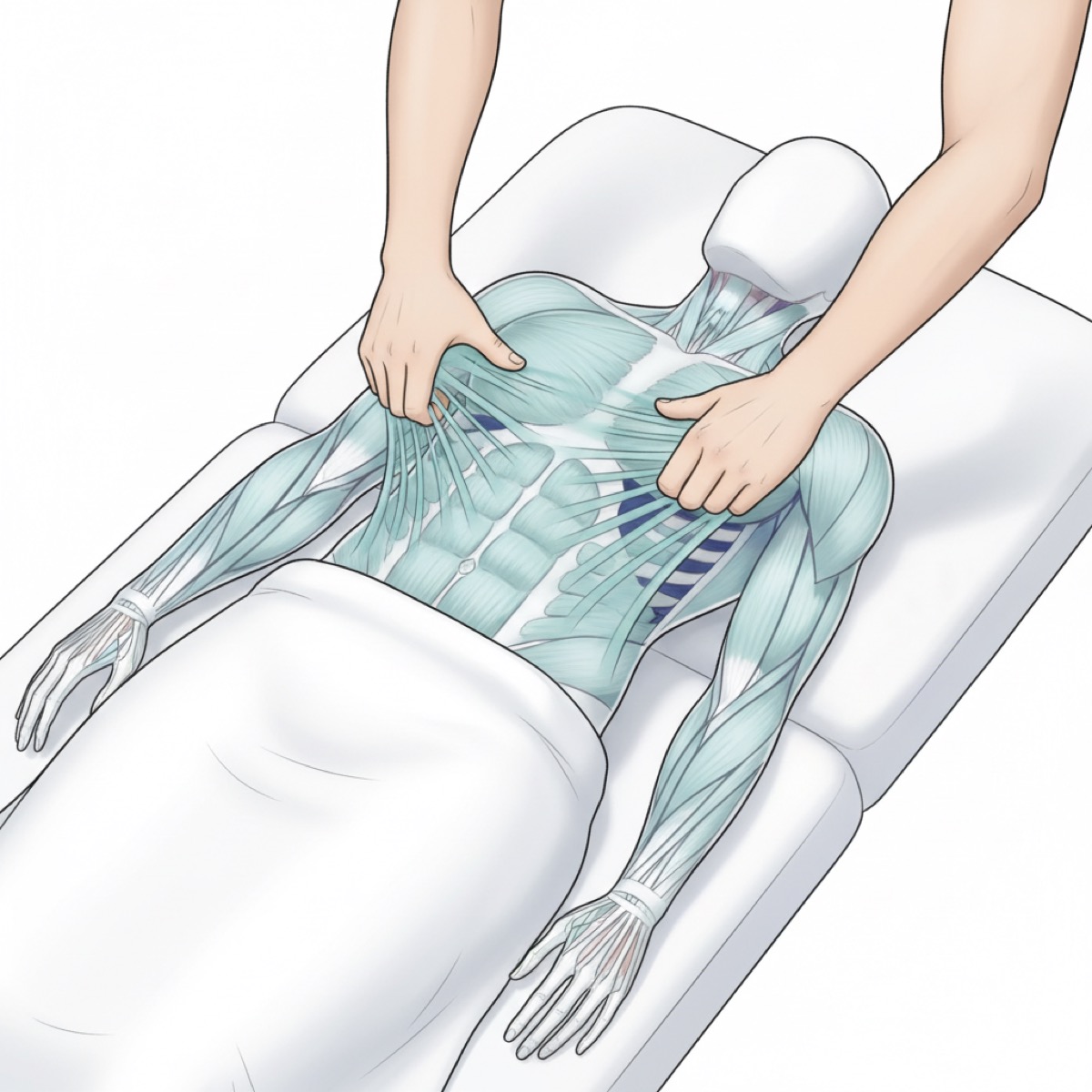
During a fascia release session, practitioners may gently apply traction to the affected area, such as the shoulder or arm, to facilitate relaxation. This method not only addresses the immediate pain but also aims to restore the natural alignment and function of the musculoskeletal system [1][2].
What are the benefits of fascia release therapy?
Fascia release therapy offers several potential benefits, including reduced pain, improved flexibility, and enhanced range of motion. By targeting the fascia, this therapy may help decrease inflammation and promote faster recovery by improving blood flow and nutrient delivery to the affected tissues [3][4].
Additionally, patients often report a sense of lightness and reduced tension following a session. While results can vary, many find that consistent fascia therapy contributes to overall musculoskeletal health, making it a valuable component of a comprehensive pain management strategy.
How is fascia release performed?
Fascia release is typically performed by a trained therapist who uses their hands to apply pressure and stretch the fascia. Techniques may include gentle pulling or kneading to help release tension. In some cases, specific points, like the thumb or elbow, may be used to target deeper layers of fascia.
An example from Shogo Fujii's practice involves manipulating the fascia around the shoulder and arm to alleviate low back pain. This may include adjusting the shoulder blade's position and applying traction to the elbow to facilitate muscle relaxation and fascia elongation [5].
What can you expect during a session?
During a fascia release session, you can expect a personalized assessment followed by targeted manipulation of the fascia. The therapist will work on areas contributing to your discomfort, using techniques that may vary in pressure and duration based on your needs.
Patients may experience mild discomfort during the process, but it should not be painful. The goal is to achieve a release of tension that results in improved mobility and reduced pain. Post-session, some clients report feeling lighter and experiencing less restriction in movement [6].
Frequently asked questions
Is fascia release safe? — Yes, fascia release is generally considered safe when performed by a qualified practitioner. It is important to communicate with your therapist about any discomfort during the session.
How long does it take to see results? — Results can vary, but some patients experience relief after just one session. For chronic conditions, multiple sessions may be necessary to achieve significant improvements.
Can fascia release be used alongside other treatments? — Absolutely, fascia release can complement other treatments such as physical therapy, chiropractic care, and massage therapy. It is advisable to discuss with your healthcare provider to ensure a coordinated approach.
References
- [1]Woolf CJ. Central sensitization: implications for the diagnosis and treatment of pain. Pain. 2011;152(3 Suppl):S2–S15.
- [2]Tracey KJ. The inflammatory reflex. Nature. 2002;420(6917):853–859.
- [3]Mayer EA. Gut feelings: the emerging biology of gut–brain communication. Nat Rev Neurosci. 2011;12(8):453–466.
- [4]Cryan JF, Dinan TG. Mind-altering microorganisms: the impact of the gut microbiota on brain and behaviour. Nat Rev Neurosci. 2012;13(10):701–712.
- [5]Guo R, Chen LH, Xing C, Liu T. Pain regulation by gut microbiota: molecular mechanisms and therapeutic potential. Br J Anaesth. 2019;123(5):637–654.
- [6]Ricciotti E, FitzGerald GA. Prostaglandins and inflammation. Arterioscler Thromb Vasc Biol. 2011;31(5):986–1000.