Unlocking the Magic of Shoulder Blade Release: High-Value Self-Payment Techniques
Original title (JP): 【超有料級】魔法の肩甲骨リリース:高単価の自費治療テクニック

Supervised by
Shogo Fujii
Physiotherapist (PT) · Founder of the SHOGO FUJII® FASCIA METHOD
View profile →Clinical Article · 5 min read
Fascia release for low back pain can be a transformative approach for those struggling with discomfort. By understanding the intricate connections of the shoulder blade and its surrounding muscles, you can unlock better movement and relief. This article explores high-value self-payment techniques that target the fascia to alleviate pain effectively.
How does shoulder blade release impact low back pain?
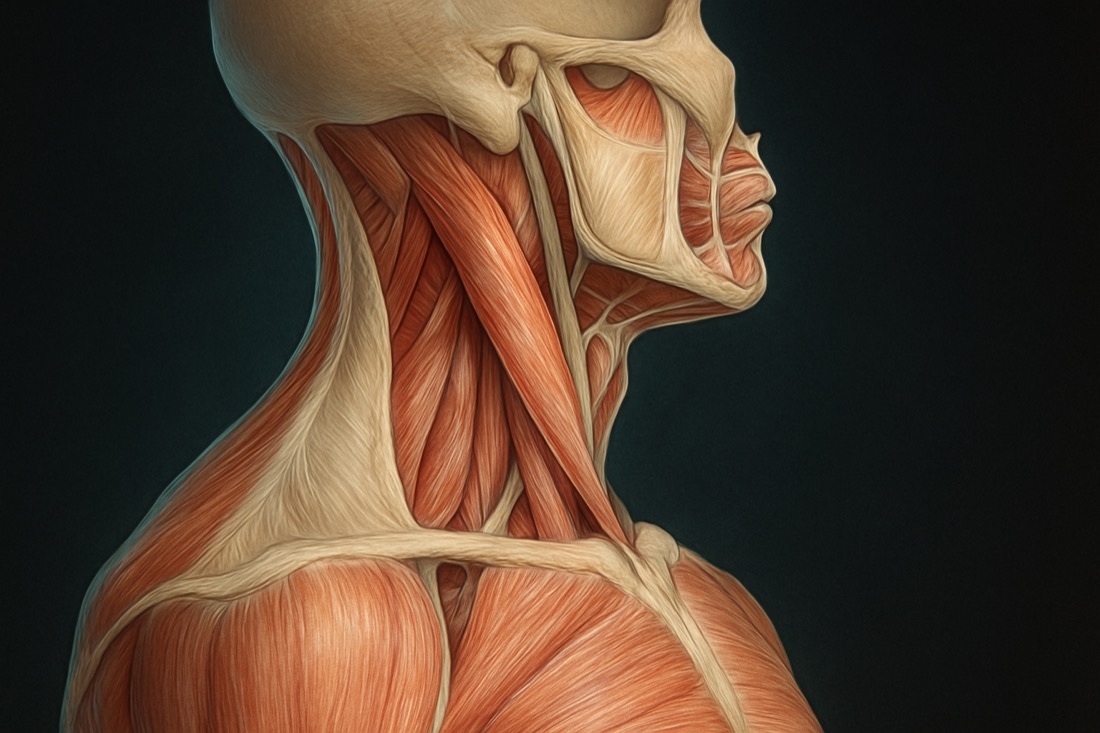
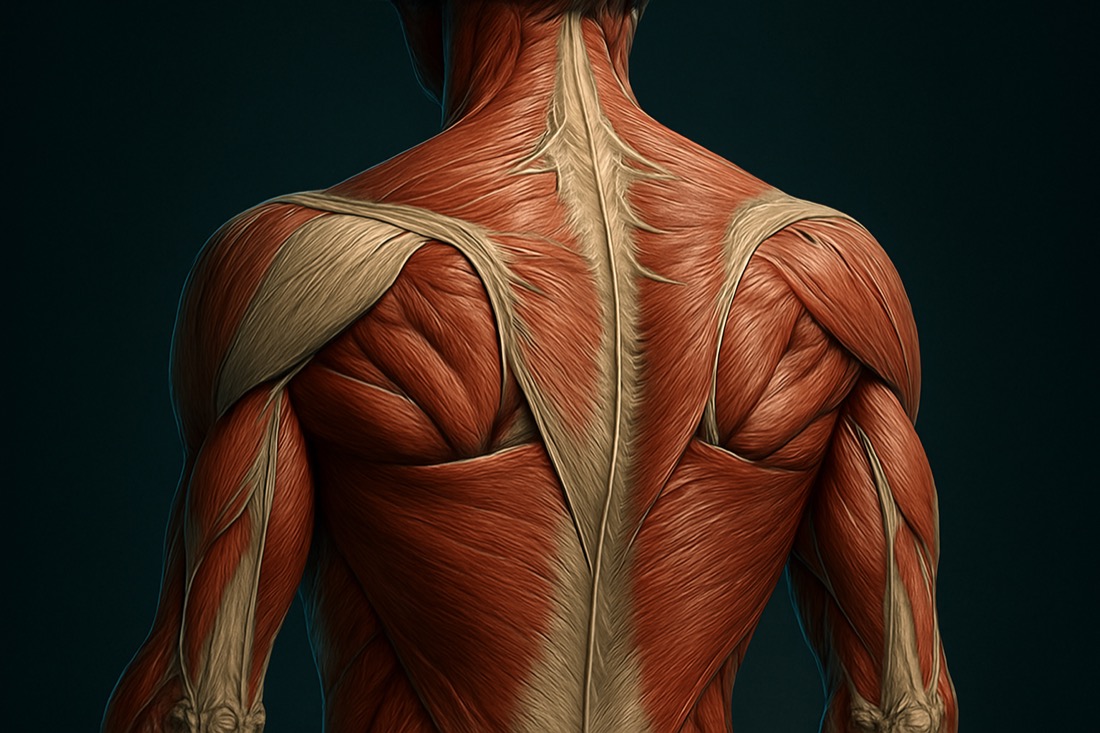
The shoulder blade, or scapula, is a key player in the body's musculoskeletal system. Its position is influenced by numerous muscles, resembling a floating boat within a river, subject to the currents and obstacles around it. When these muscles are tense, the scapula's alignment can affect the low back, leading to discomfort [1][2].
By focusing on releasing tension in specific areas of the shoulder blade, such as the medial and superior angles, patients can experience an improvement in their low back pain. This release allows for better movement and reduces the strain on the lower back muscles, ultimately enhancing overall mobility [3].
Why is fascia release important for back health?
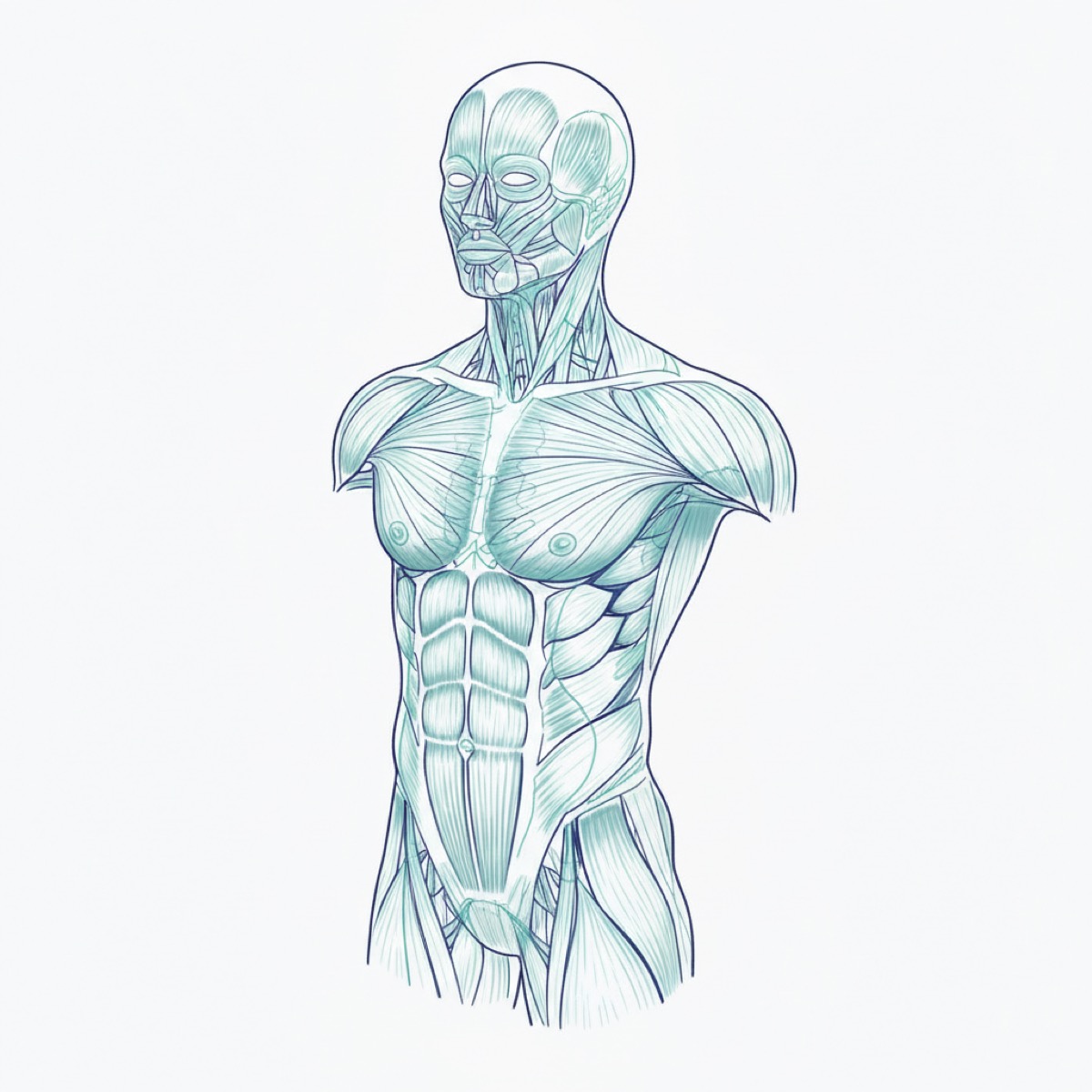
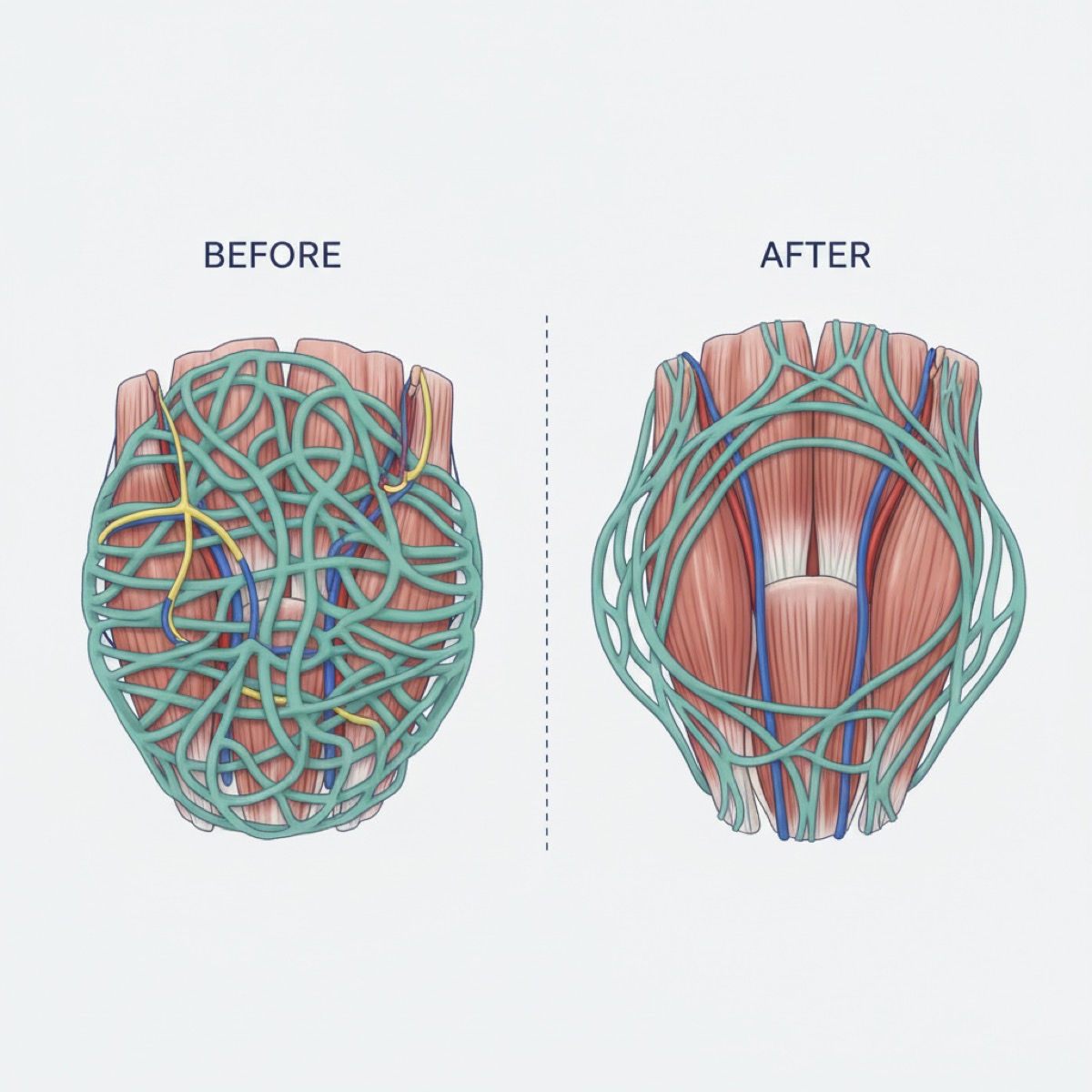
Fascia is a connective tissue that surrounds muscles, organs, and other structures in the body. When fascia becomes tight, it can restrict movement and lead to pain. For the lower back, releasing fascia tension can be crucial in alleviating pain and improving function [4].
Fascia release techniques focus on loosening these tight areas, which can help restore normal movement patterns and reduce pain. By integrating fascia release into a regular self-care routine, individuals can maintain better back health and prevent future discomfort.
What techniques can release shoulder blade fascia?
One effective technique involves gently mobilizing the shoulder blade to create space between it and the rib cage. This can be done by lying on your side, using your hand to support your head, and gently pulling the shoulder blade away from the ribs [5].
Another method is to apply gentle pressure to the medial and superior angles of the scapula, using slow, rhythmic movements to encourage the fascia to relax. These techniques can be performed daily to maintain shoulder blade mobility and reduce low back pain.

What are the benefits of regular fascia release?
Regular fascia release can lead to improved flexibility, reduced pain, and enhanced physical performance. By maintaining the health of the fascia, individuals can prevent the buildup of tension that often leads to discomfort and movement restrictions [6].
Incorporating fascia release into a self-care routine can also promote better posture and alignment, reducing the risk of injury. This proactive approach is especially beneficial for those with sedentary lifestyles or those who engage in repetitive physical activities.
Frequently asked questions
Is fascia release safe? — Yes, fascia release is generally safe when performed correctly. It's important to start gently and listen to your body, gradually increasing intensity as needed.
How often should I perform fascia release? — For optimal results, it is recommended to perform fascia release techniques daily or several times a week, depending on your individual needs and response to treatment.
Can fascia release help with chronic pain? — While fascia release can be beneficial for managing chronic pain, it is not a guaranteed cure. It is best used as part of a comprehensive treatment plan under the guidance of a healthcare professional.
References
- [1]Stecco C, Stern R, Porzionato A, et al. Hyaluronan within fascia in the etiology of myofascial pain. Surg Radiol Anat. 2011;33(10):891–896.
- [2]Ajimsha MS, Al-Mudahka NR, Al-Madzhar JA. Effectiveness of myofascial release: a systematic review of randomized controlled trials. J Bodyw Mov Ther. 2015;19(1):102–112.
- [3]Tozzi P, Bongiorno D, Vitturini C. Fascial release effects on patients with non-specific cervical or lumbar pain. J Bodyw Mov Ther. 2011;15(4):405–416.
- [4]Zügel M, Maganaris CN, Wilke J, et al. Fascial tissue research in sports medicine: from molecules to tissue adaptation, injury and diagnostics: consensus statement. Br J Sports Med. 2018;52(23):1497.
- [5]Klingler W, Velders M, Hoppe K, Pedro M, Schleip R. Clinical relevance of fascial tissue and dysfunctions. Curr Pain Headache Rep. 2014;18(8):439.
- [6]Wilke J, Vogt L, Niederer D, Banzer W. Is remote stretching based on myofascial chains as effective as local exercise? A randomised-controlled trial. J Sports Sci. 2017;35(20):2021–2027.