
Why This Pelvic Treatment Technique Outperforms Others in Pain Relief
Original title (JP): なぜ、この骨盤治療テクニックは他の骨盤調整よりもはるかに効果がバツグンで、全身の痛みが一撃で改善してしまうのか?

Supervised by
Shogo Fujii
Physiotherapist (PT) · Founder of the SHOGO FUJII® FASCIA METHOD
View profile →Clinical Article · 5 min read
Fascia release for low back pain is gaining attention for its effectiveness in alleviating discomfort compared to traditional treatments. Shogo Fujii's pelvic treatment technique, showcased at the World Fascia Conference, offers a unique approach that targets specific anatomical structures to provide relief. This method is particularly beneficial for those suffering from chronic pain conditions.
Why does fascia release help with low back pain?
Fascia release can significantly alleviate low back pain by addressing the root causes of discomfort. The technique focuses on releasing tension in the fascia, the connective tissue that surrounds muscles and organs. When fascia becomes tight or stuck, it can cause pain and restrict movement [1]. By applying specific techniques to release this tension, patients often experience reduced pain and improved mobility.
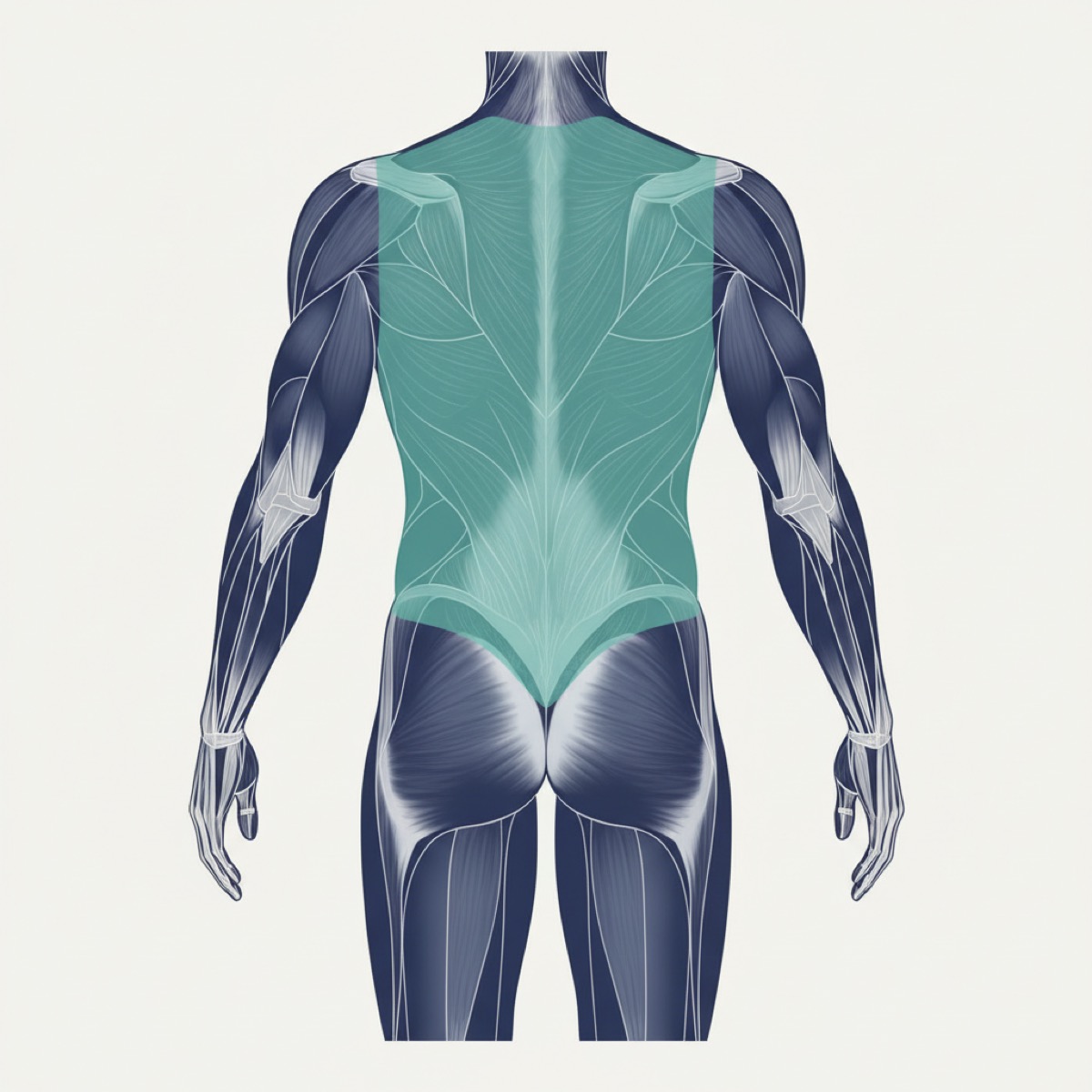
Shogo Fujii's approach specifically targets the pelvic region, which is crucial for overall body alignment. During the World Fascia Conference, Fujii demonstrated how releasing tension in the fascia around the pelvis can lead to dramatic improvements in low back pain. This method is particularly effective for those with chronic conditions, as it addresses the underlying fascial restrictions rather than just the symptoms.
How does Fujii's pelvic treatment technique work?
Fujii's technique involves a detailed assessment of the pelvic area, identifying areas where fascia has become dense and immobile. This is often done through palpation, where the clinician feels for tightness or knots in the fascia. One key area is the vastus lateralis muscle; tightness here can indicate pelvic misalignment [2].
Once identified, specific fascia release techniques are applied to these areas to restore normal movement and reduce pain. The technique also considers the alignment of the fibula and its connection to the sternum, highlighting the body's interconnectedness. This holistic approach ensures that treatment is comprehensive, addressing multiple factors contributing to low back pain.
What results can patients expect from this treatment?
Patients undergoing this fascia release technique often report significant improvements in their symptoms. Many experience reduced pain levels and increased range of motion, allowing them to return to daily activities with greater ease [3].
While results vary, the technique has shown promise for individuals with long-standing issues such as sciatica and spondylolisthesis. For instance, a patient with a decade-long history of left-sided sciatica reported a pain reduction from a 6 to a more manageable level after undergoing treatment. This demonstrates the potential for long-term relief and improved quality of life.
How does this approach compare to other treatments?
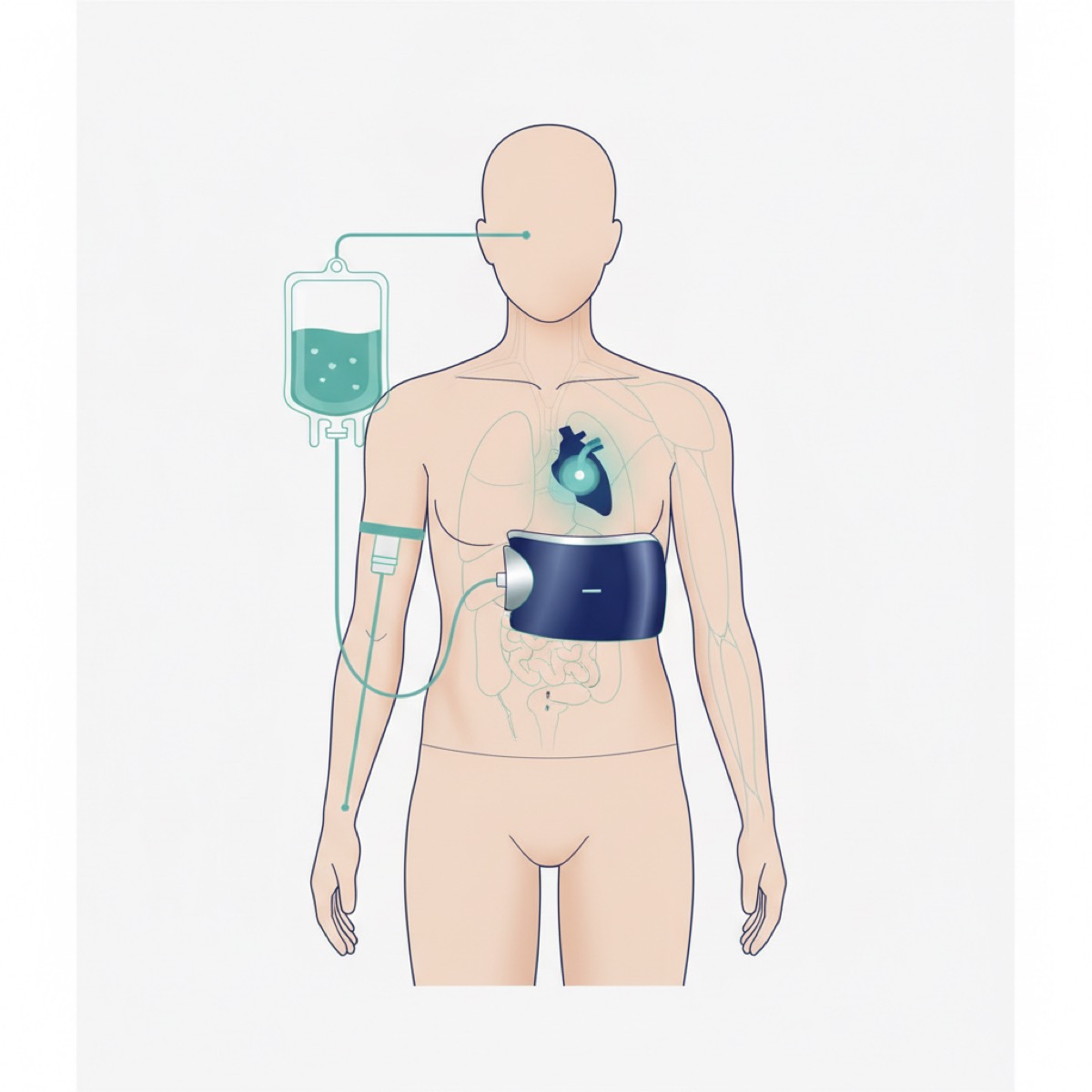
Compared to conventional methods, Fujii's fascia release technique offers a more targeted approach. Traditional treatments often focus on symptom management rather than addressing the underlying cause. By contrast, fascia release aims to resolve the fascial restrictions that contribute to pain [4].
This method is also less invasive than surgical options and can be an effective alternative for patients seeking non-pharmaceutical interventions. The holistic nature of the treatment means it can be tailored to individual needs, making it a versatile option for a wide range of low back pain sufferers.
Frequently asked questions
Is fascia release safe? — Fascia release is generally considered safe when performed by a trained professional. It is a non-invasive technique that focuses on manipulating the fascia to relieve tension and improve mobility [5].
How long do the effects of fascia release last? — The duration of relief can vary, but many patients report lasting improvements following treatment. Regular sessions may be needed to maintain results, especially for chronic conditions [6].
Can fascia release be combined with other treatments? — Yes, fascia release can complement other therapies such as physical therapy, chiropractic care, or acupuncture. Combining treatments can enhance overall outcomes and provide more comprehensive pain management.
References
- [1]Krause F, Wilke J, Vogt L, Banzer W. Intermuscular force transmission along myofascial chains: a systematic review. J Anat. 2016;228(6):910–918.
- [2]Stecco C, Stern R, Porzionato A, et al. Hyaluronan within fascia in the etiology of myofascial pain. Surg Radiol Anat. 2011;33(10):891–896.
- [3]Ajimsha MS, Al-Mudahka NR, Al-Madzhar JA. Effectiveness of myofascial release: a systematic review of randomized controlled trials. J Bodyw Mov Ther. 2015;19(1):102–112.
- [4]Tozzi P, Bongiorno D, Vitturini C. Fascial release effects on patients with non-specific cervical or lumbar pain. J Bodyw Mov Ther. 2011;15(4):405–416.
- [5]Zügel M, Maganaris CN, Wilke J, et al. Fascial tissue research in sports medicine: from molecules to tissue adaptation, injury and diagnostics: consensus statement. Br J Sports Med. 2018;52(23):1497.
- [6]Klingler W, Velders M, Hoppe K, Pedro M, Schleip R. Clinical relevance of fascial tissue and dysfunctions. Curr Pain Headache Rep. 2014;18(8):439.