Instant Relief for Shoulder Pain
Original title (JP): 肩の痛みを一撃で治す動画

Supervised by
Shogo Fujii
Physiotherapist (PT) · Founder of the SHOGO FUJII® FASCIA METHOD
View profile →Clinical Article · 5 min read
Fascia release for low back pain is a powerful technique that can help alleviate discomfort and improve mobility. By targeting specific muscles and fascia connections, practitioners can aid in relieving tension and enhancing body mechanics. Learn how these techniques can be applied effectively to address common pain issues.
Why does low back pain occur?
Low back pain is a common complaint that can arise from various factors, including muscle strain, poor posture, and fascia restrictions. The fascia, a network of connective tissue, can become tight or misaligned, contributing to pain and discomfort in the lower back.[1][2]
Understanding the role of fascia in low back pain is crucial. Fascia connects and supports muscles and organs, and when it becomes restricted, it can lead to aches and limited movement. Addressing these restrictions through targeted fascia release techniques can provide significant relief.
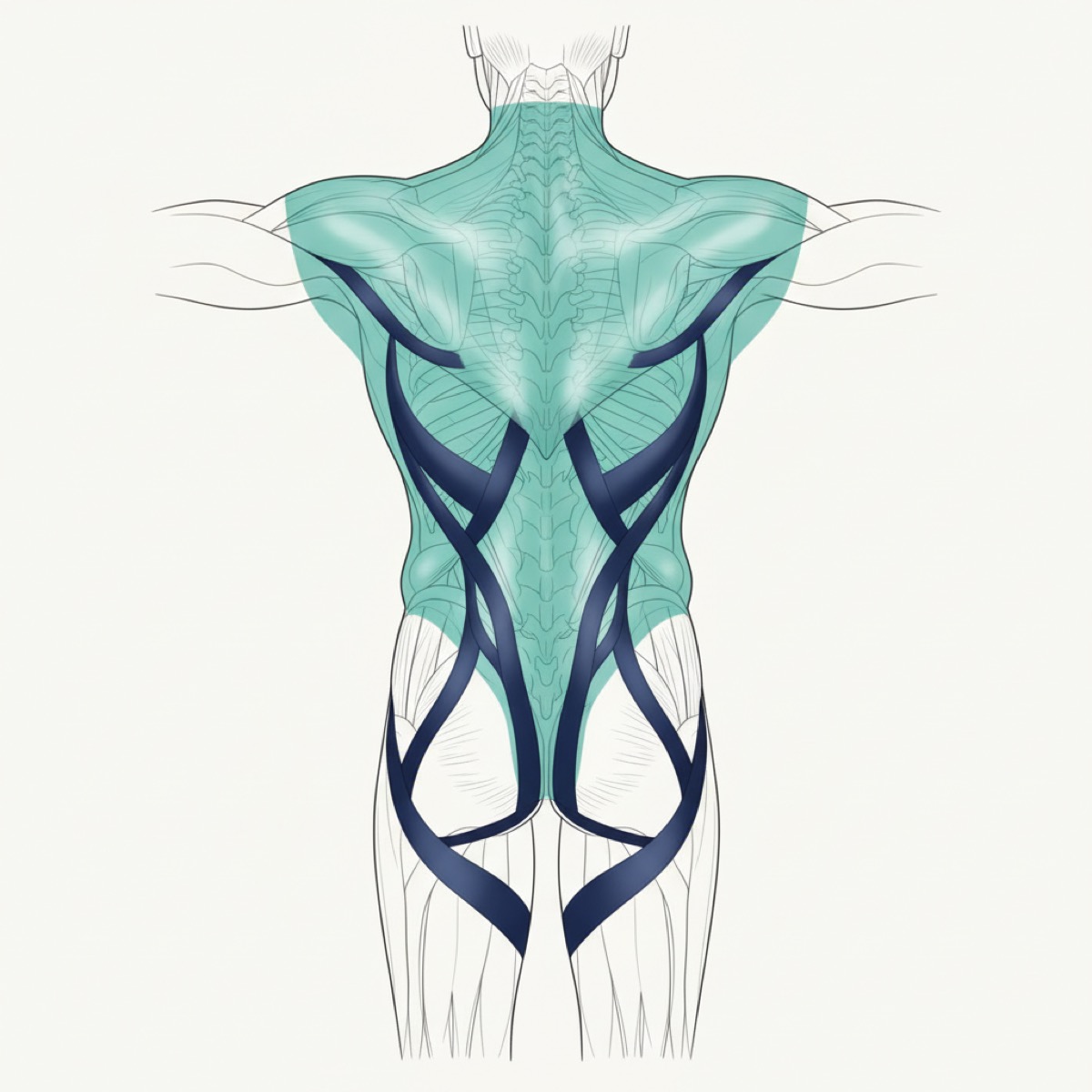
How fascia release works for low back pain
Fascia release involves gentle manipulation of the connective tissue to restore its natural flexibility and alignment. Techniques such as those demonstrated by Shogo Fujii focus on specific muscles, like the one linked to the forearm and elbow, which can influence the entire body's tension and alignment.[3][4]
By applying these techniques, practitioners can help reduce tension not only in the back but also in areas like the neck and shoulders. This holistic approach considers the interconnectedness of body parts, promoting overall well-being and pain reduction.
What to expect from a fascia release session
During a fascia release session, a practitioner will assess areas of tension and apply precise techniques to release fascia restrictions. This may involve palpation and guided movements to identify and alleviate tightness.[5]
Patients often report increased mobility and reduced pain following a session. While results can vary, many find that regular fascia release sessions contribute to sustained improvements in movement and comfort.
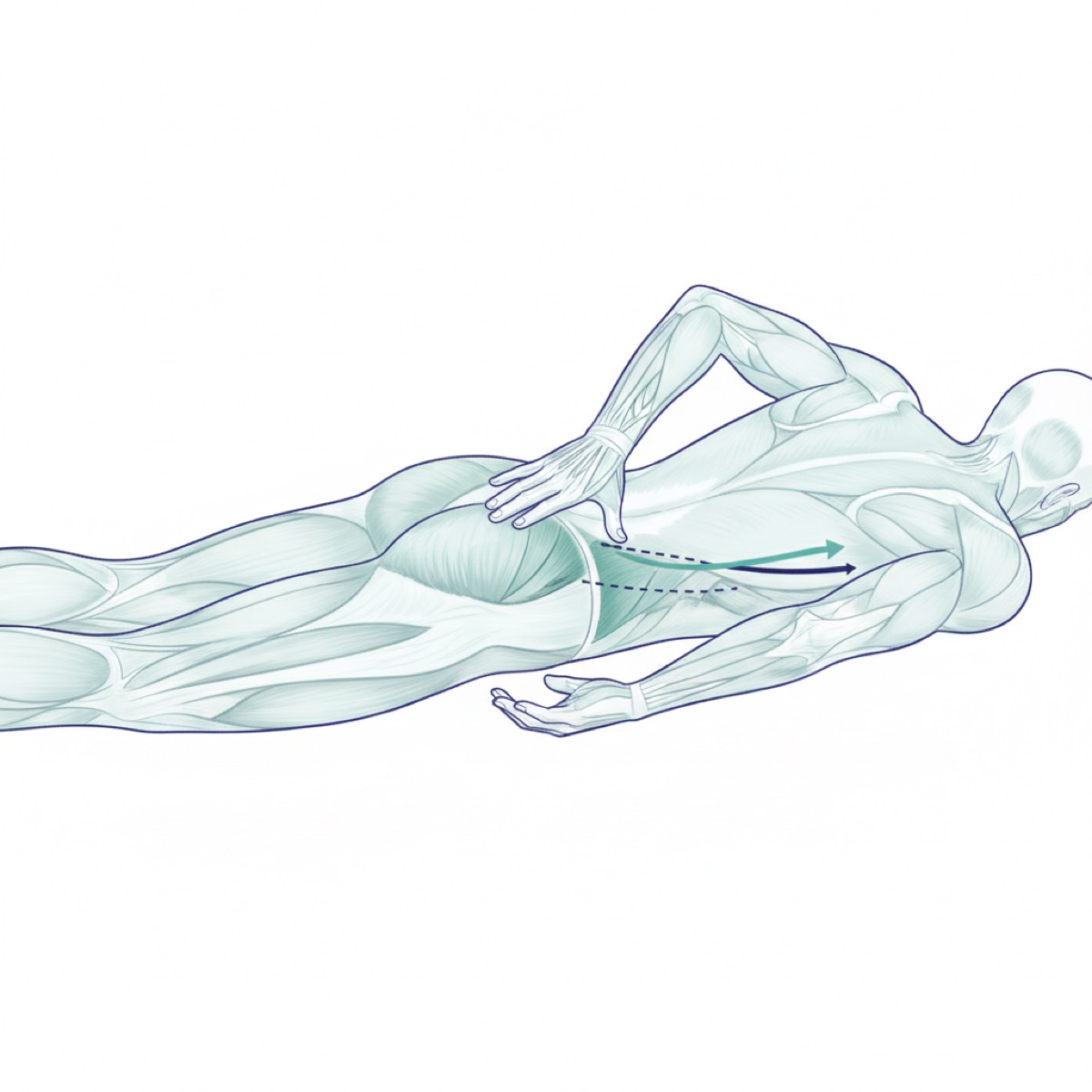
Benefits of fascia release for low back pain
Fascia release can offer numerous benefits for those suffering from low back pain. By addressing fascia restrictions, it can reduce muscle tension, improve posture, and enhance overall body mechanics.[6]
Additionally, this approach can complement other treatments and exercises aimed at strengthening the back and supporting long-term health. Patients often appreciate the non-invasive nature of fascia release, making it a preferred choice for pain management.
Frequently asked questions
Is fascia release safe? — Fascia release is generally considered safe when performed by trained professionals. It is a gentle technique that focuses on relieving tension without aggressive manipulation.
How quickly can I expect results? — Results can vary depending on the individual and severity of the condition. Some may experience relief after a single session, while others might require multiple visits to see significant improvements.
Can fascia release replace medical treatment? — While fascia release can be beneficial, it should not replace medical treatment for serious conditions. It is best used as a complementary therapy in conjunction with other medical advice and interventions.
References
- [1]Palomeque-del-Cerro L, Arráez-Aybar LA, Rodríguez-Blanco C, et al. A systematic review of the soft-tissue connections between neck muscles and dura mater: the myodural bridge. Spine. 2017;42(1):49–54.
- [2]Woolf CJ. Central sensitization: implications for the diagnosis and treatment of pain. Pain. 2011;152(3 Suppl):S2–S15.
- [3]Tracey KJ. The inflammatory reflex. Nature. 2002;420(6917):853–859.
- [4]Mayer EA. Gut feelings: the emerging biology of gut–brain communication. Nat Rev Neurosci. 2011;12(8):453–466.
- [5]Cryan JF, Dinan TG. Mind-altering microorganisms: the impact of the gut microbiota on brain and behaviour. Nat Rev Neurosci. 2012;13(10):701–712.
- [6]Guo R, Chen LH, Xing C, Liu T. Pain regulation by gut microbiota: molecular mechanisms and therapeutic potential. Br J Anaesth. 2019;123(5):637–654.