Instantly Relax Your Tight Pelvis: Effective Techniques
Original title (JP): ガチガチの骨盤を一瞬でユルユルにするテクニック #筋膜 #美容 #藤井翔悟

Supervised by
Shogo Fujii
Physiotherapist (PT) · Founder of the SHOGO FUJII® FASCIA METHOD
View profile →Clinical Article · 5 min read
Fascia release for low back pain is a powerful technique that can significantly enhance pelvic mobility and alleviate discomfort. In this article, we explore effective methods to relax a tight pelvis, drawing from the insights of Shogo Fujii, a renowned expert in the field. Whether you're a clinician or an informed patient, understanding these techniques can transform your approach to managing low back pain.
How does fascia release alleviate low back pain?
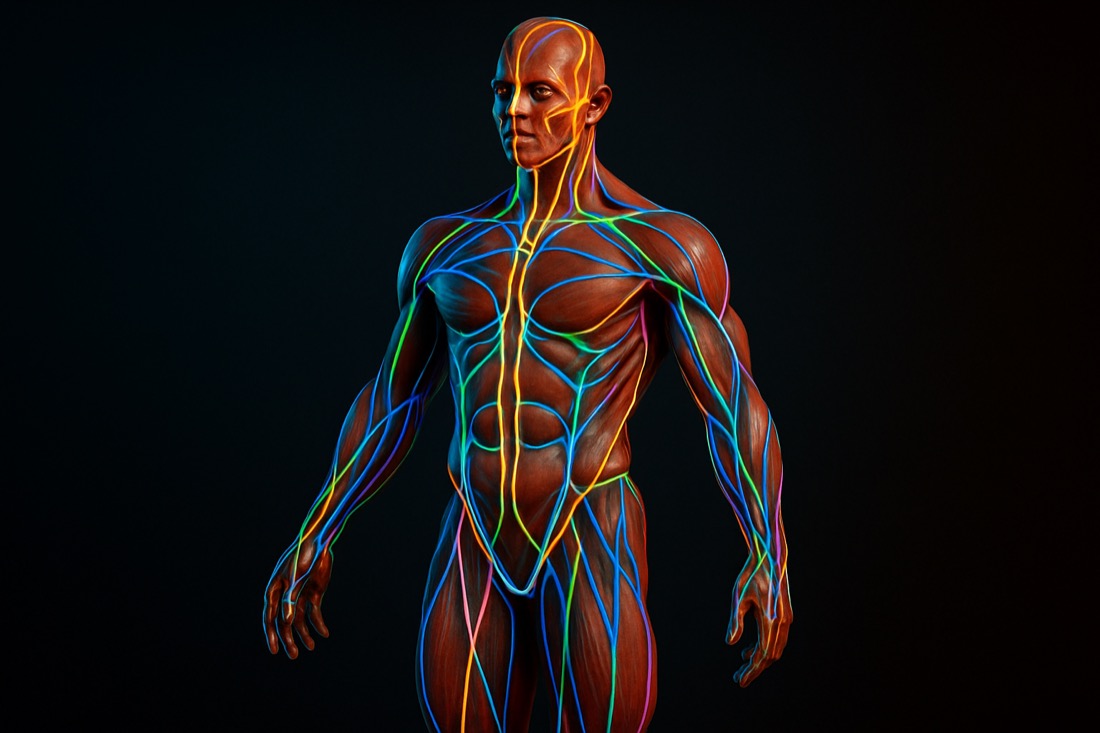
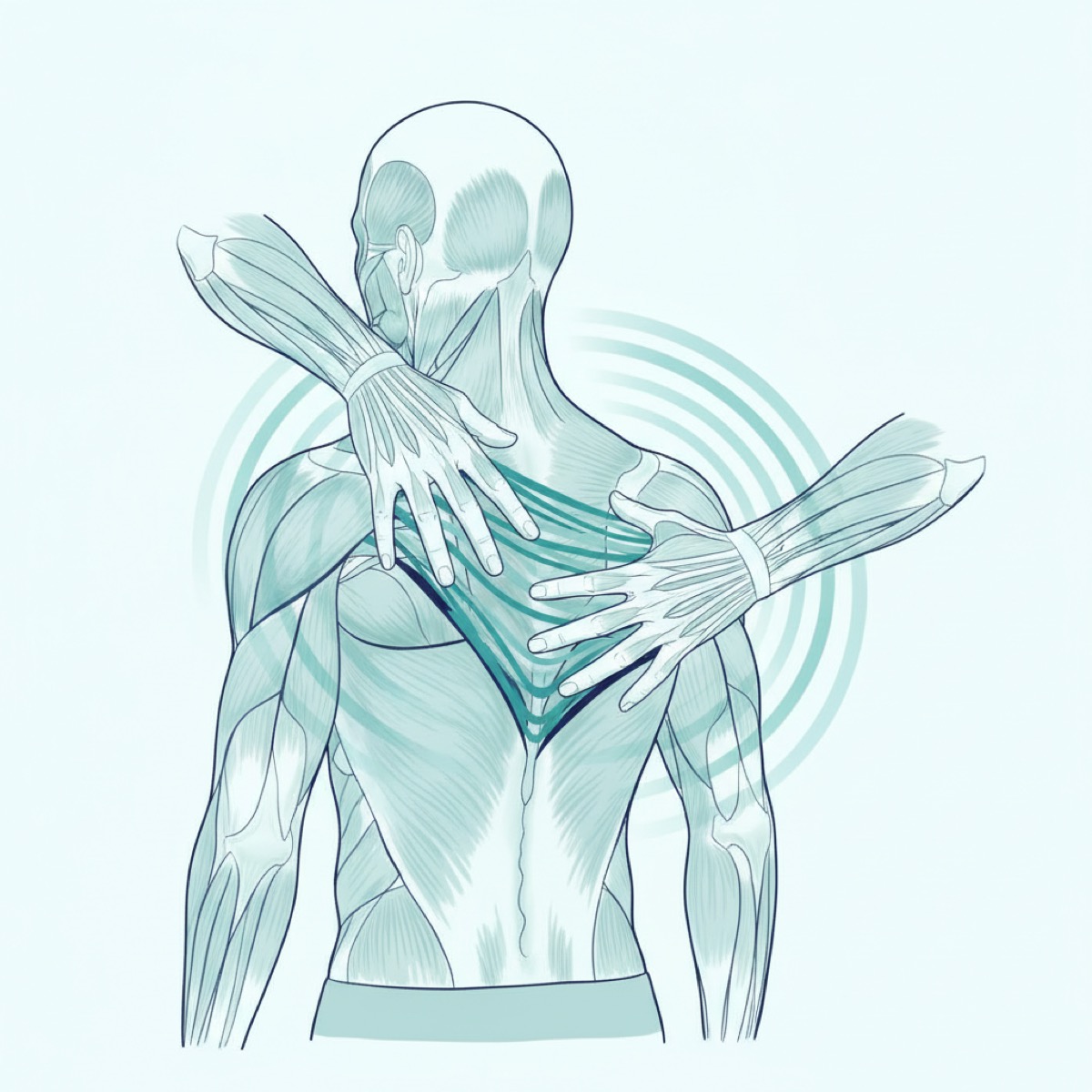
Fascia release is a technique focused on manipulating the connective tissues that surround and support our muscles and organs. By targeting the fascia, therapists can help improve the range of motion and reduce tension in the lower back. Shogo Fujii demonstrates how gentle pressure and specific movements can lead to a noticeable difference in pelvic flexibility and comfort.
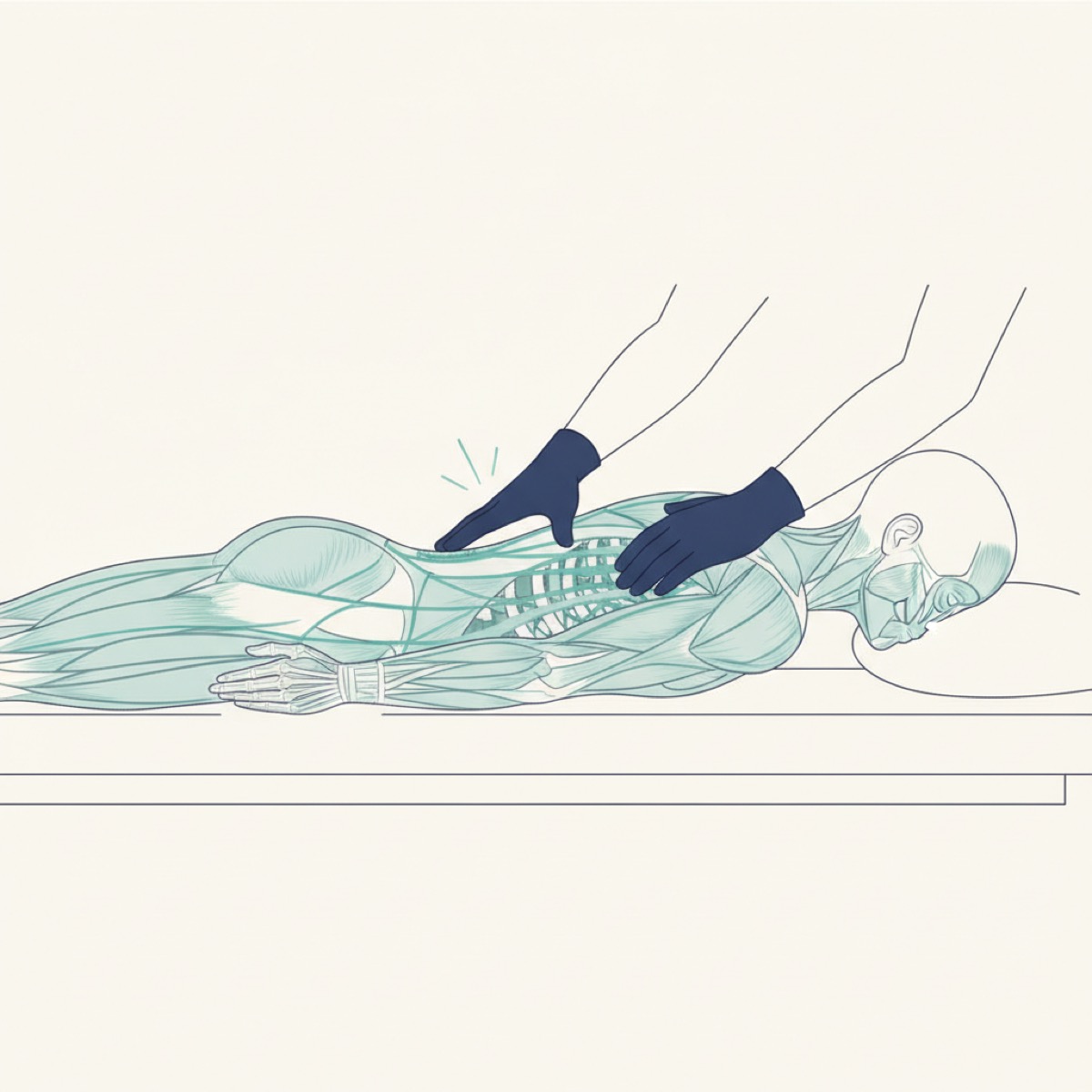
One of the methods involves using both hands to apply a gentle, rhythmic pressure around the posterior superior iliac spine (PSIS). This approach helps in loosening the fascia, allowing for smoother movement and less stiffness in the pelvis. This technique is especially beneficial for those experiencing chronic low back pain as it directly addresses the underlying fascial restrictions.
Why does a tight pelvis affect your low back?
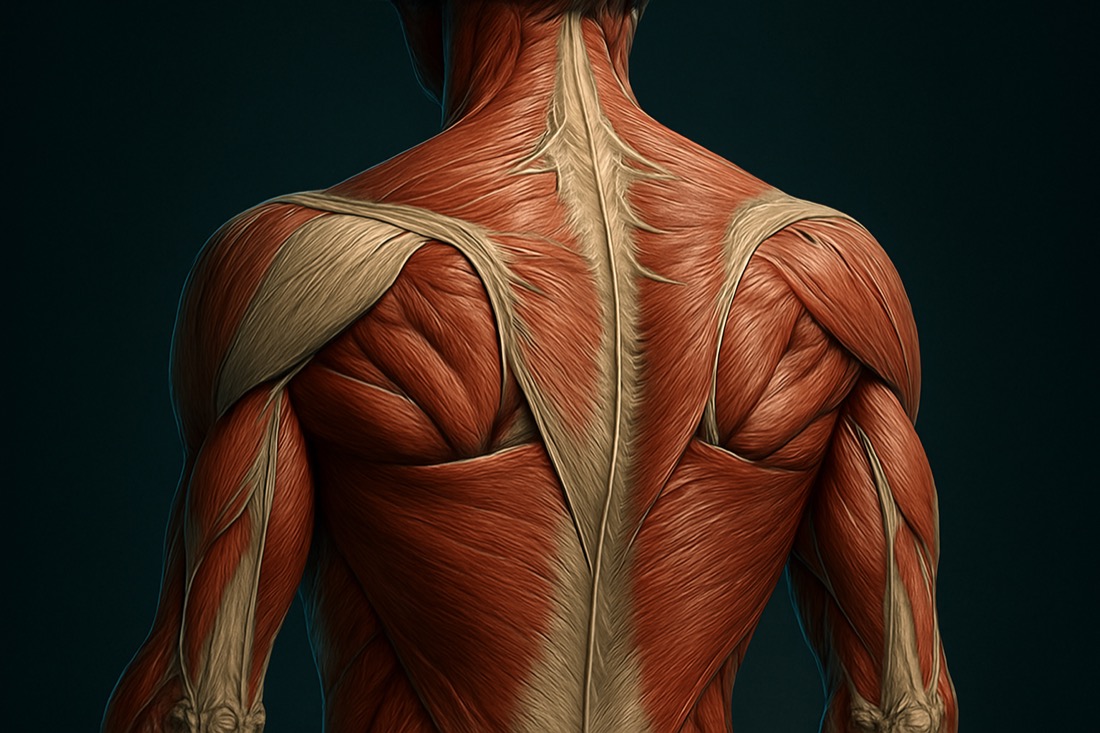
A tight pelvis can significantly impact the lower back due to the interconnected nature of the musculoskeletal system. When the pelvic region is restricted, it can lead to compensatory movements and increased strain on the lower back muscles, ultimately causing pain and discomfort.
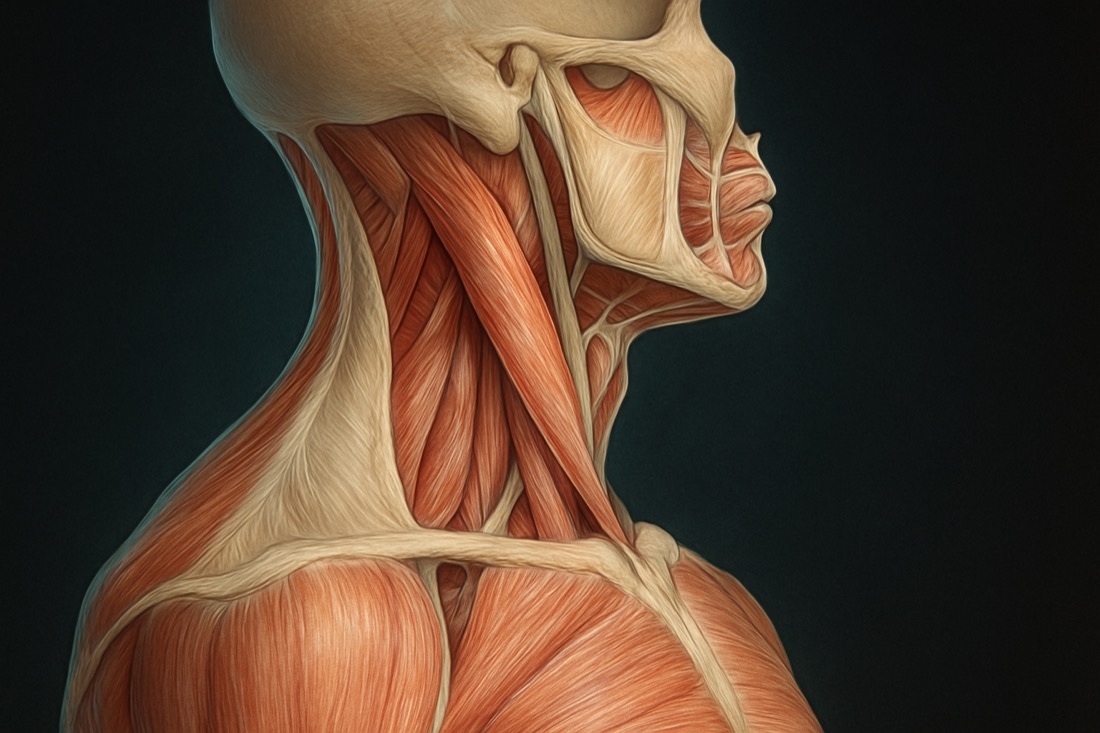
The fascia in the pelvic area, when tight, limits the natural movement of the pelvis and can exacerbate issues in the lumbar region. Addressing these restrictions through fascia release can help restore natural movement patterns and alleviate pressure on the lower back.
What techniques improve pelvic mobility?
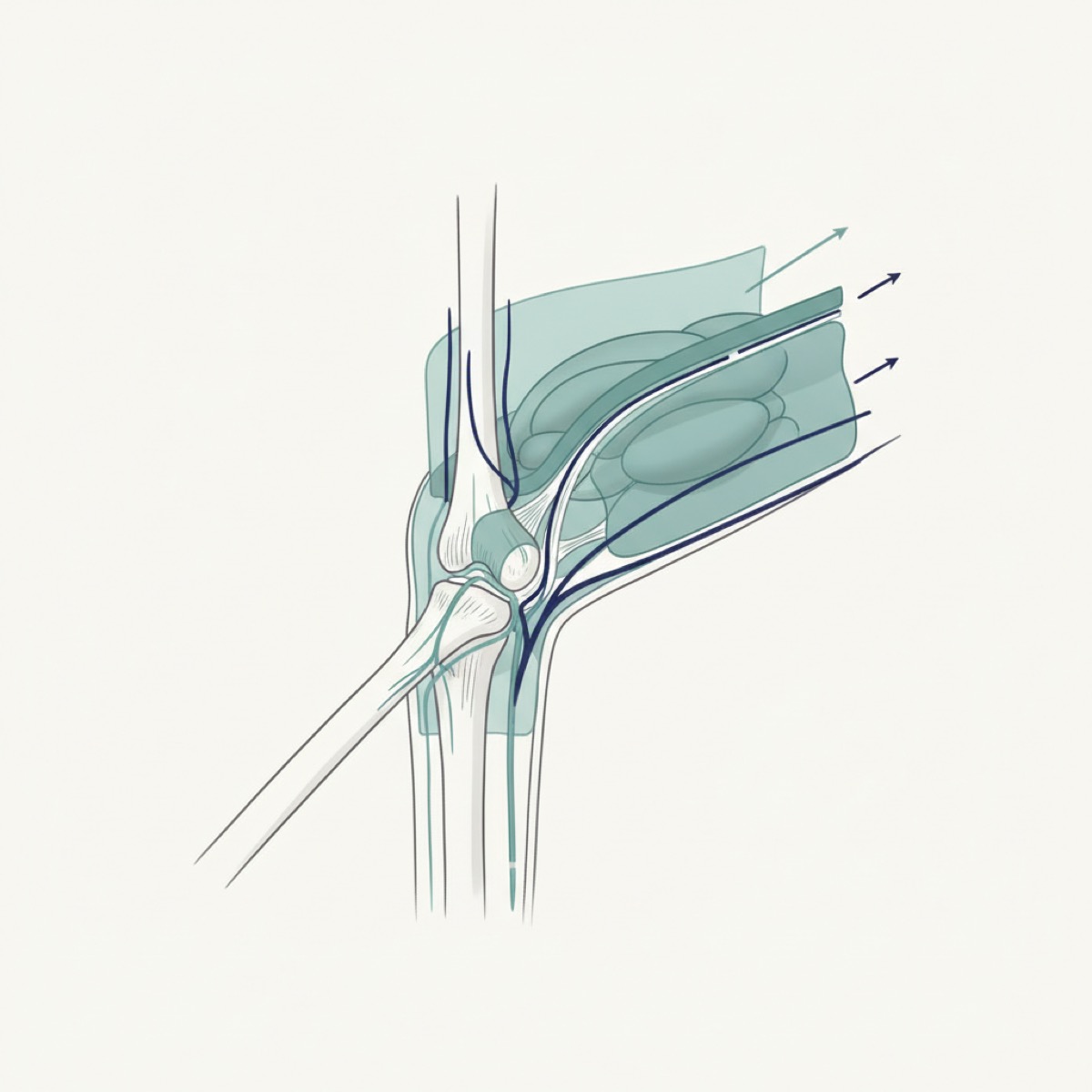
To enhance pelvic mobility, Shogo Fujii suggests a technique that involves light oscillations and pressure adjustments. By gently pressing and moving the fibula from below upwards, practitioners can facilitate a release in the fascia, promoting better alignment and movement of the pelvis.
Another effective method is to apply a consistent, gentle pressure on the surrounding muscles of the pelvis. This helps in warming up the area, which can increase blood flow and make the fascia more pliable. These techniques are designed to be easy to perform and can be incorporated into regular therapy sessions for lasting benefits.
What to expect during a fascia release session?
During a fascia release session, you can expect the therapist to use their hands to apply gentle pressure and perform specific movements aimed at releasing tension in the fascia. You might feel a sense of warmth and relaxation in the targeted area as the fascia begins to release.
Patients often report a noticeable improvement in their range of motion and a reduction in pain following a session. It's important to communicate with your therapist about any discomfort you experience during the process to ensure the techniques are applied effectively and safely.
Frequently asked questions
Is fascia release safe? — Fascia release is generally considered safe when performed by a trained professional. It is a non-invasive technique that aims to improve mobility and reduce pain without the need for medication or surgery.
How often should I have fascia release sessions? — The frequency of fascia release sessions depends on the individual's condition and response to treatment. Some may benefit from weekly sessions, while others might see improvements with less frequent visits.
Can I perform fascia release techniques at home? — Some basic fascia release techniques can be done at home with proper guidance. However, it's recommended to consult with a professional to ensure you're performing the techniques correctly to avoid injury.
References
- [1]Guo R, Chen LH, Xing C, Liu T. Pain regulation by gut microbiota: molecular mechanisms and therapeutic potential. Br J Anaesth. 2019;123(5):637–654.
- [2]Ricciotti E, FitzGerald GA. Prostaglandins and inflammation. Arterioscler Thromb Vasc Biol. 2011;31(5):986–1000.
- [3]Salehi B, Venditti A, Sharifi-Rad M, et al. The therapeutic potential of apigenin. Int J Mol Sci. 2019;20(6):1305.
- [4]Field R, Pourkazemi F, Turton J, Rooney K. Dietary interventions are beneficial for patients with chronic pain: a systematic review with meta-analysis. Pain Med. 2021;22(3):694–714.
- [5]Taljanovic MS, Gimber LH, Becker GW, et al. Shear-wave elastography: basic physics and musculoskeletal applications. RadioGraphics. 2017;37(3):855–870.
- [6]Langevin HM. Connective tissue: a body-wide signaling network? Med Hypotheses. 2006;66(6):1074–1077.