Release Tension in Just 3 Seconds! The Gott Hand Technique
Original title (JP): たった3秒触れれば緩む!ゴッドハンドテクニック!

Supervised by
Shogo Fujii
Physiotherapist (PT) · Founder of the SHOGO FUJII® FASCIA METHOD
View profile →Clinical Article · 5 min read
Fascia release for low back pain is a sought-after technique among clinicians and patients alike. The Gott Hand Technique, developed by Shogo Fujii, promises to alleviate tension in just three seconds by focusing on the pelvis, a central hub for musculoskeletal connections. Understanding and applying this method could transform your approach to managing low back pain.
How does the pelvis influence low back pain?
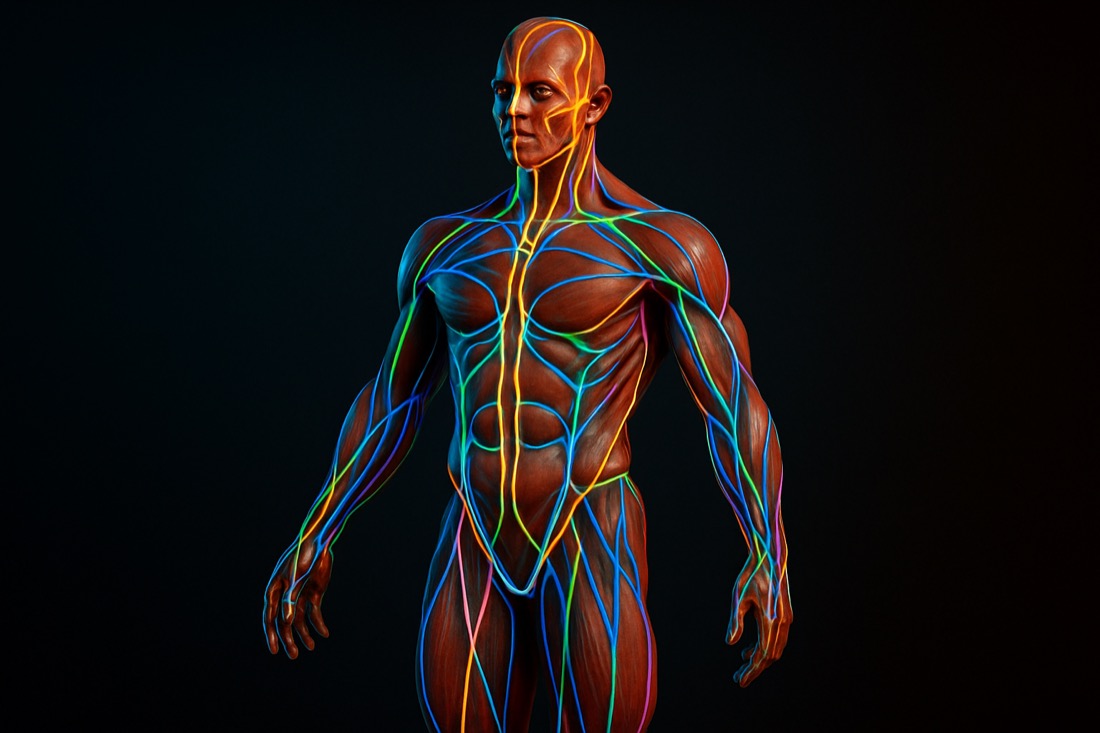
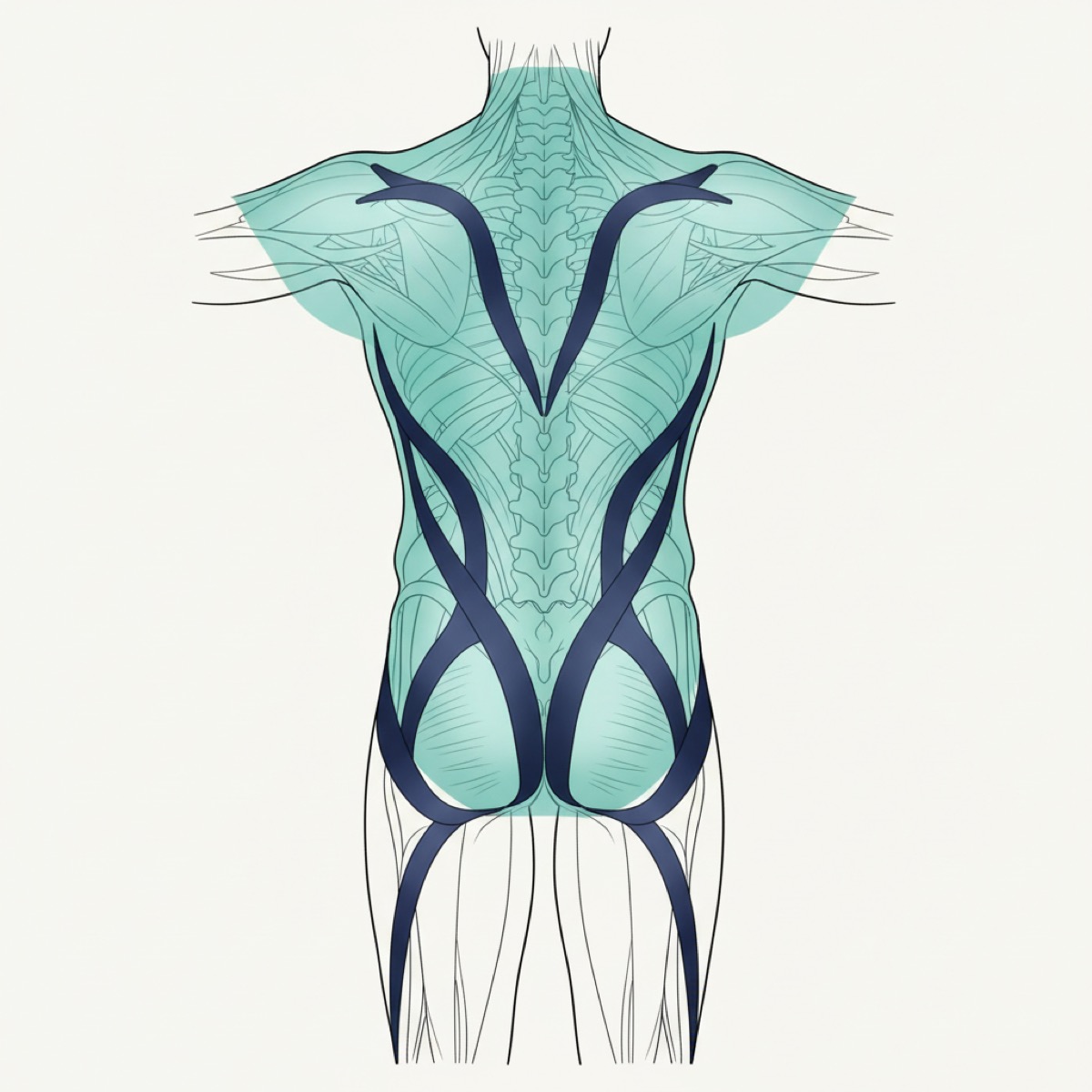
The pelvis is a critical structure in the body, serving as the foundation for many muscles, including those that extend to the extremities. According to Shogo Fujii, the pelvis is the endpoint for various anatomical lines, which means it plays a significant role in the tension and release of fascia throughout the body.
By focusing on the pelvic area, particularly the sacroiliac joint, practitioners can influence the entire body's fascia. This approach can lead to a reduction in pain and discomfort, not only in the low back but also in distant areas like the fingers and toes [1][2].
What is the Gott Hand Technique?
The Gott Hand Technique is a fascia release method that targets the sacroiliac joint of the pelvis. By applying precise manipulation to this area, practitioners can achieve a systemic relaxation effect, which may alleviate pain and improve mobility.
Fujii's technique emphasizes the interconnectedness of the body's fascia, suggesting that a well-executed release at the pelvis can address a range of issues, including low back pain, by altering the tension distribution across the body [3][4].
Why is fascia release important?
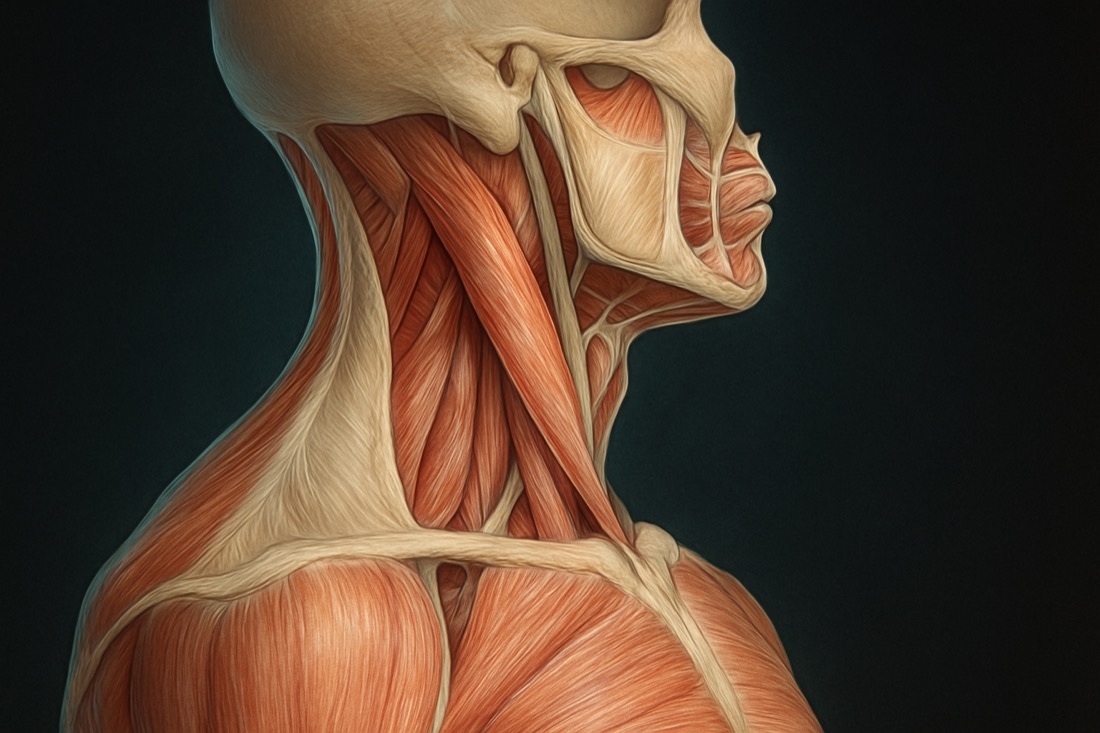
Fascia is a connective tissue that envelops muscles and organs, playing a crucial role in movement and stability. When fascia becomes tight or restricted, it can lead to pain and impaired function. Fascia release techniques aim to restore normal tension and mobility.
The Gott Hand Technique provides a targeted approach to fascia release, focusing on the pelvis as a pivotal point. This method is gaining popularity for its ability to quickly address tension and improve overall body function [5].
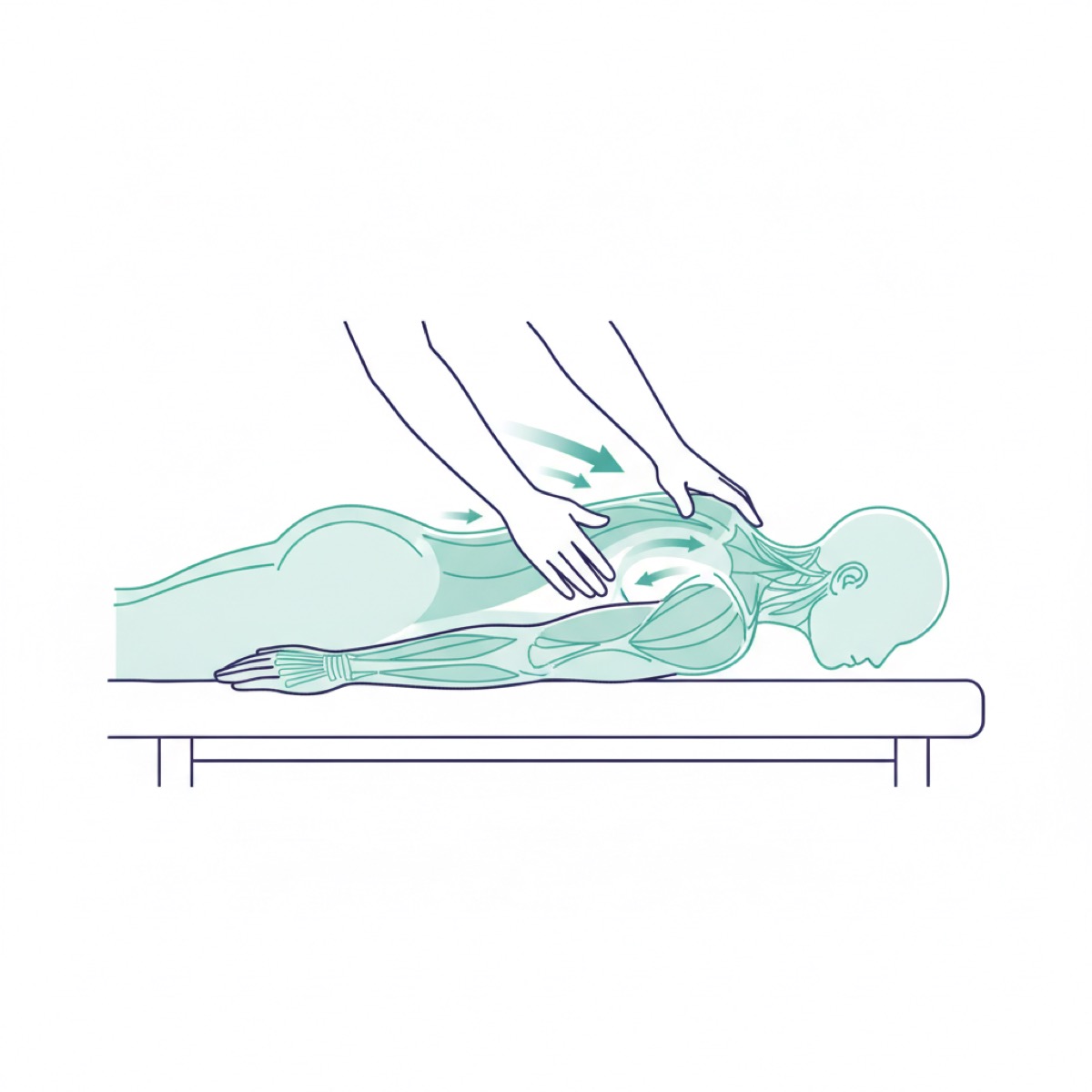
How to perform the Gott Hand Technique?
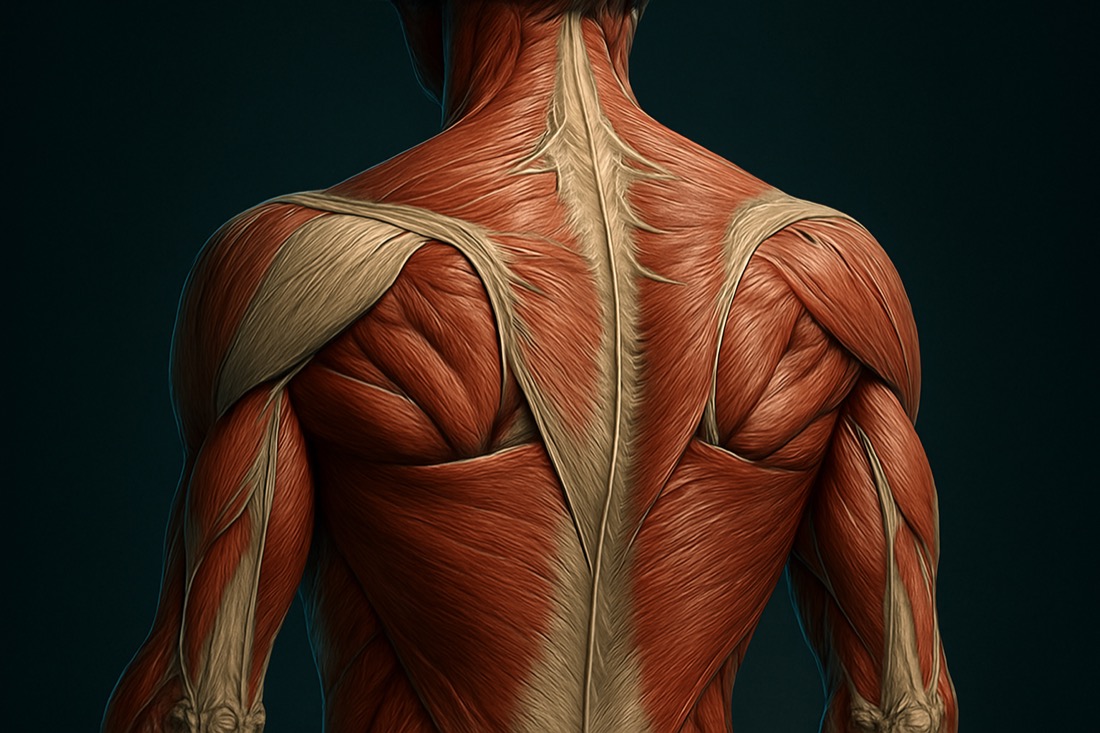
To perform the Gott Hand Technique, locate the posterior superior iliac spine (PSIS) on the pelvis. This bony landmark is crucial for applying the technique effectively. Gentle manipulation of this area can lead to significant fascia release.
Practitioners are encouraged to explore this technique in a controlled setting, ensuring they understand the anatomical structures involved. Proper execution can lead to remarkable improvements in patient outcomes, particularly for those suffering from low back pain [6].
Frequently asked questions
Is fascia release safe? — Fascia release is generally considered safe when performed by trained professionals. It involves gentle manipulation that aims to reduce tension without causing harm.
How quickly can results be seen? — While some individuals experience immediate relief, others may require multiple sessions to notice significant improvements. Each individual's response can vary.
Can I perform the Gott Hand Technique at home? — It is recommended to seek guidance from a qualified practitioner before attempting any fascia release techniques on your own, to ensure safety and effectiveness.
References
- [1]Stecco C, Stern R, Porzionato A, et al. Hyaluronan within fascia in the etiology of myofascial pain. Surg Radiol Anat. 2011;33(10):891–896.
- [2]Ajimsha MS, Al-Mudahka NR, Al-Madzhar JA. Effectiveness of myofascial release: a systematic review of randomized controlled trials. J Bodyw Mov Ther. 2015;19(1):102–112.
- [3]Tozzi P, Bongiorno D, Vitturini C. Fascial release effects on patients with non-specific cervical or lumbar pain. J Bodyw Mov Ther. 2011;15(4):405–416.
- [4]Zügel M, Maganaris CN, Wilke J, et al. Fascial tissue research in sports medicine: from molecules to tissue adaptation, injury and diagnostics: consensus statement. Br J Sports Med. 2018;52(23):1497.
- [5]Klingler W, Velders M, Hoppe K, Pedro M, Schleip R. Clinical relevance of fascial tissue and dysfunctions. Curr Pain Headache Rep. 2014;18(8):439.
- [6]Wilke J, Vogt L, Niederer D, Banzer W. Is remote stretching based on myofascial chains as effective as local exercise? A randomised-controlled trial. J Sports Sci. 2017;35(20):2021–2027.