Unlocking the Skull: A Powerful Release Technique
Original title (JP): 頭蓋骨を一撃でリリースできるツボ!

Supervised by
Shogo Fujii
Physiotherapist (PT) · Founder of the SHOGO FUJII® FASCIA METHOD
View profile →Clinical Article · 5 min read
Unlocking the power of fascia release for low back pain can offer significant relief by targeting tension through the skull. This innovative approach focuses on the Baihui point, a central spot on the top of the head, to promote relaxation and improve movement. By understanding the interconnectedness of our body’s fascia, you can explore new pathways to alleviate discomfort.
How does fascia release alleviate low back pain?
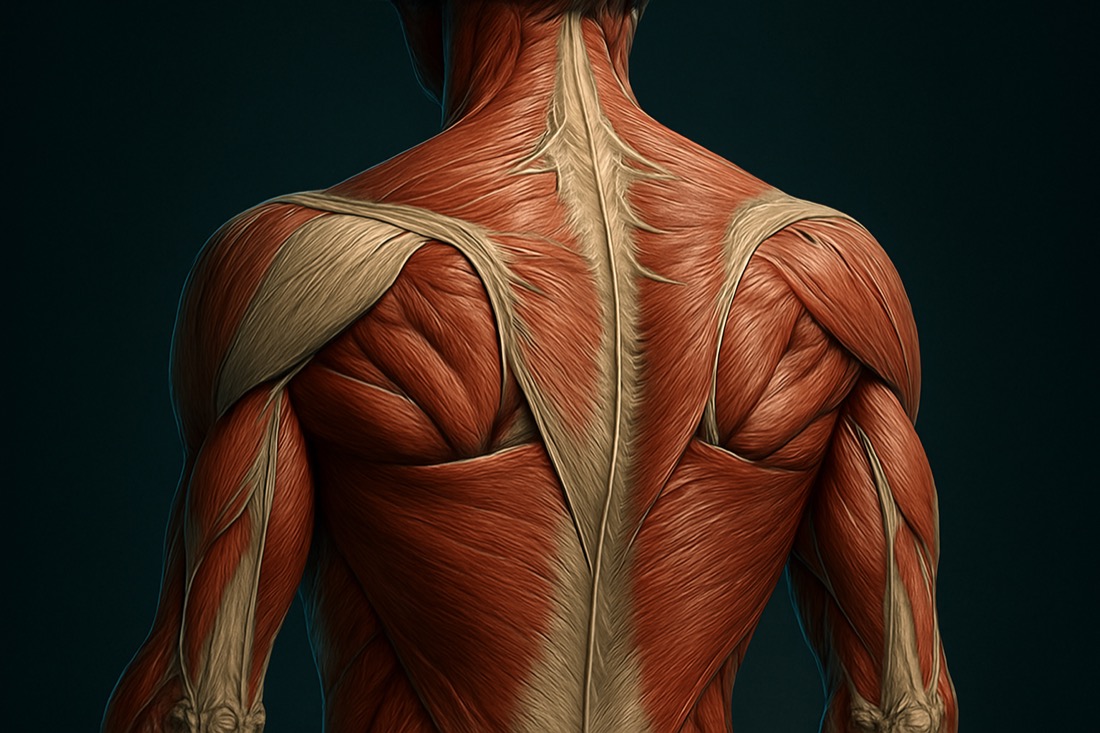
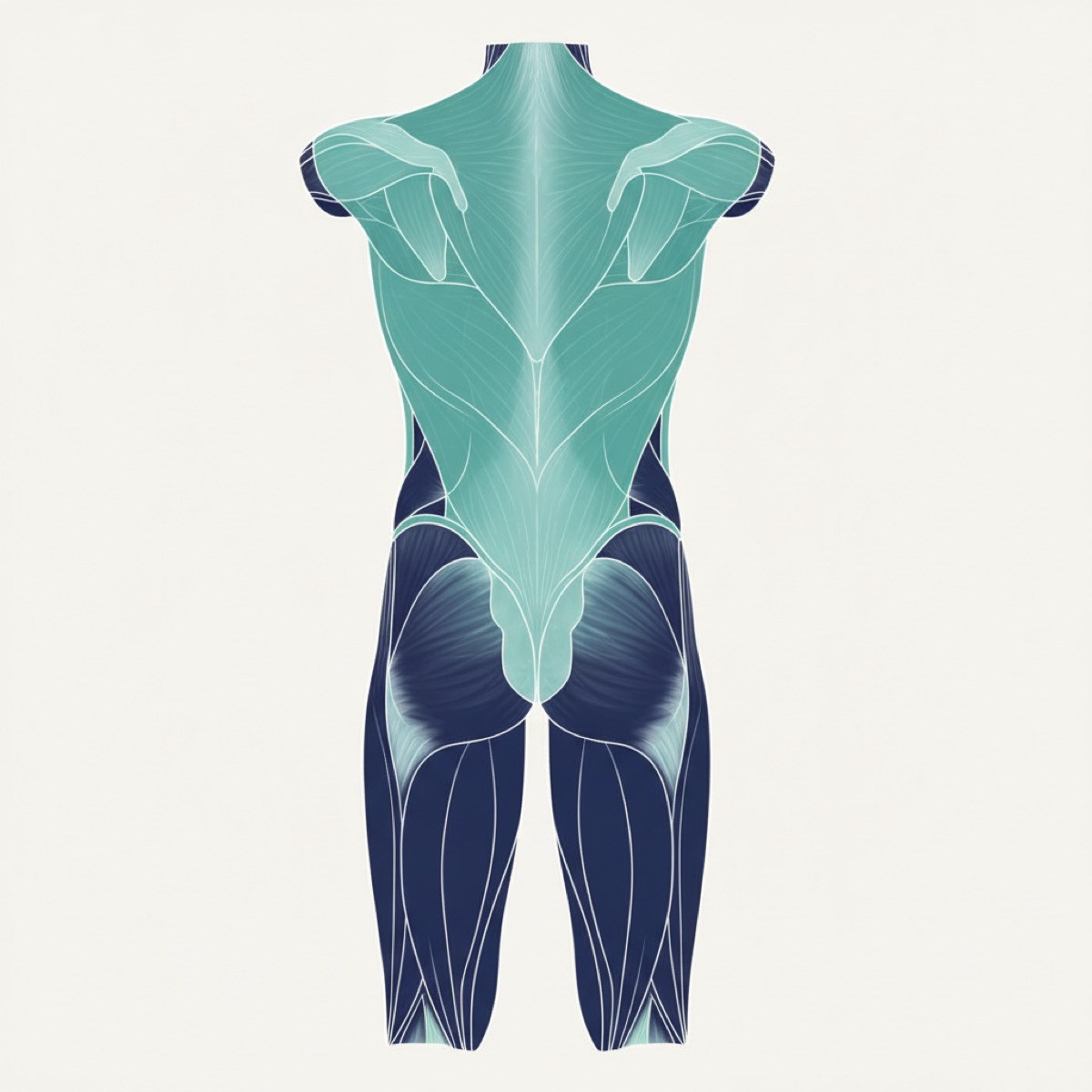
Fascia release for low back pain works by addressing the body’s connective tissue system. Fascia is a web-like structure that surrounds muscles, bones, and organs, providing support and flexibility. When fascia becomes tight or restricted, it can lead to pain and limited mobility. By focusing on releasing these restrictions, particularly through techniques involving the skull, practitioners aim to restore balance and ease discomfort.
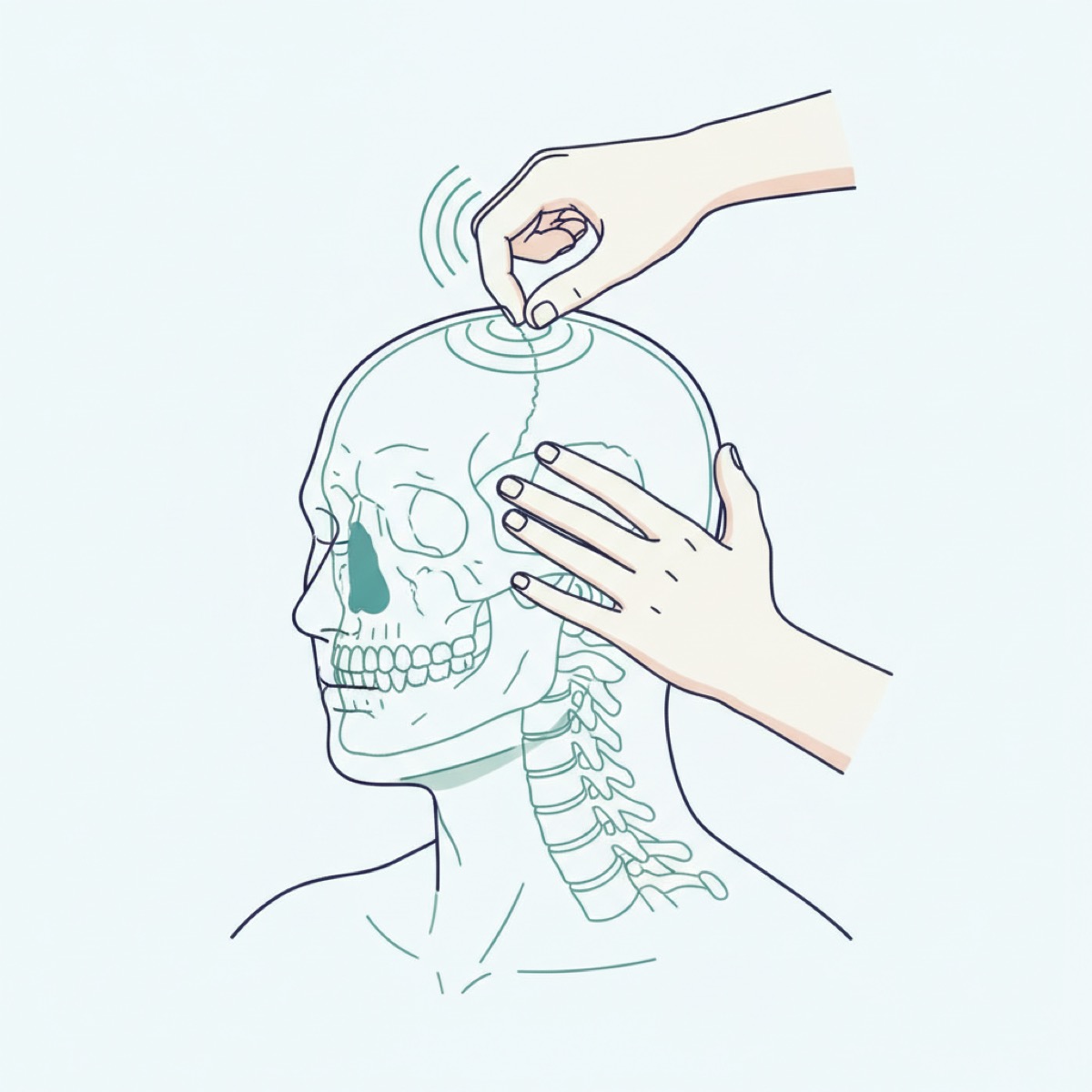
The technique highlighted by Shogo Fujii involves applying pressure to the Baihui point, located at the intersection of the frontal and parietal bones. This point acts as a catalyst for releasing tension throughout the head and neck, which can have a cascading effect on the rest of the body, including the lower back. By gently manipulating this area, the fascia can be encouraged to relax, potentially reducing pain and enhancing movement.
Why might the skull be key to fascia release?
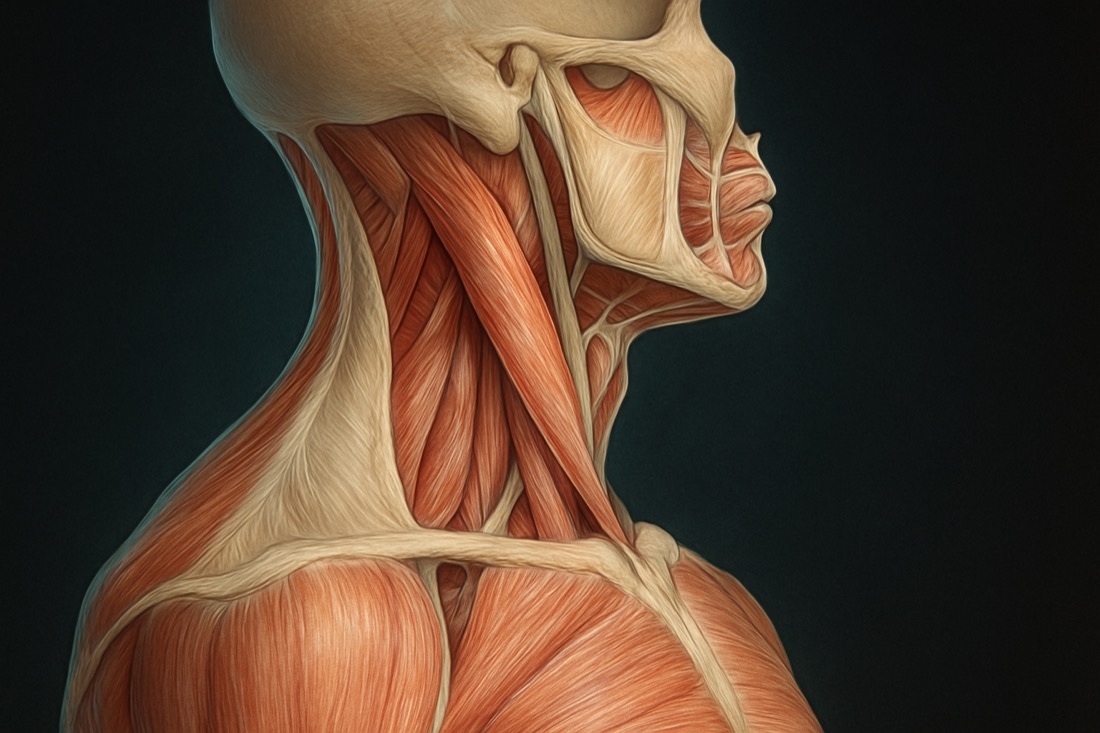
The skull plays a crucial role in fascia release due to its central position in the body's musculoskeletal system. The Baihui point, in particular, serves as an entryway to influence the entire fascia network. Applying pressure here can help open up the cranial structure, allowing the fascia to release tension more effectively throughout the body.
This approach is based on the principle that the body is a connected system, where tension in one area can influence other parts. By targeting the skull, practitioners can address underlying issues that contribute to low back pain. This method can be particularly beneficial for those who have not found relief through traditional means.
What should you expect from a fascia release session?
During a fascia release session, a clinician will focus on identifying and releasing points of tension. The process involves gentle manipulation and pressure on the Baihui point and other related areas to encourage relaxation. Patients may experience a sense of relief and increased mobility as the fascia releases its hold.
It is important to note that results can vary, and not everyone will experience the same level of improvement. However, many find that fascia release can complement other therapies and contribute to a holistic approach to managing low back pain. Practitioners emphasize the importance of understanding and feeling the technique, which is often demonstrated in specialized seminars.
How to locate and apply pressure to the Baihui point?
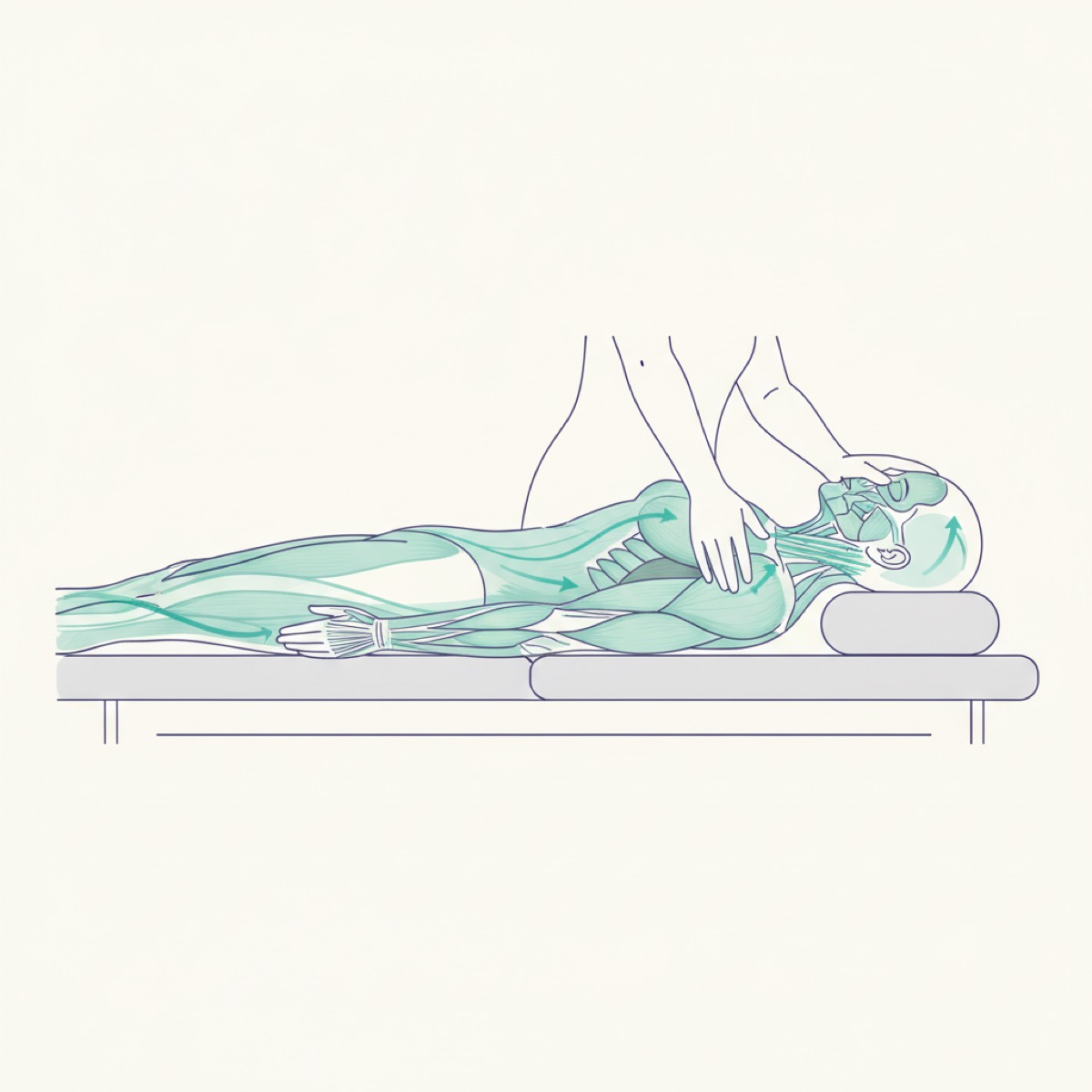
Locating the Baihui point requires a gentle yet precise approach. It is typically found by tracing the line from the frontal bone to the parietal bone, where a slight indentation or firm spot can be felt. Applying pressure with the middle finger or a similar tool can help stimulate this point effectively.
The technique involves a subtle movement, pressing into the point and holding it steady while allowing the surrounding fascia to release naturally. Practitioners often use a combination of finger pressure and slight rotational movements to maximize the effect. This method is sometimes likened to the gentle grip used when holding a small animal by the scruff, ensuring a firm but careful touch.
Frequently asked questions
Is fascia release safe? — Fascia release is generally considered safe when performed by a trained practitioner. However, it is essential to consult with a healthcare professional before beginning any new treatment.
How long does it take to see results? — Results can vary; some people may experience immediate relief, while others might require several sessions to notice significant changes.
Can I perform fascia release at home? — While some techniques can be practiced at home, it is recommended to learn from a professional to ensure proper technique and avoid injury.
References
- [1]Wilke J, Vogt L, Niederer D, Banzer W. Is remote stretching based on myofascial chains as effective as local exercise? A randomised-controlled trial. J Sports Sci. 2017;35(20):2021–2027.
- [2]Palomeque-del-Cerro L, Arráez-Aybar LA, Rodríguez-Blanco C, et al. A systematic review of the soft-tissue connections between neck muscles and dura mater: the myodural bridge. Spine. 2017;42(1):49–54.
- [3]Woolf CJ. Central sensitization: implications for the diagnosis and treatment of pain. Pain. 2011;152(3 Suppl):S2–S15.
- [4]Tracey KJ. The inflammatory reflex. Nature. 2002;420(6917):853–859.
- [5]Mayer EA. Gut feelings: the emerging biology of gut–brain communication. Nat Rev Neurosci. 2011;12(8):453–466.
- [6]Cryan JF, Dinan TG. Mind-altering microorganisms: the impact of the gut microbiota on brain and behaviour. Nat Rev Neurosci. 2012;13(10):701–712.