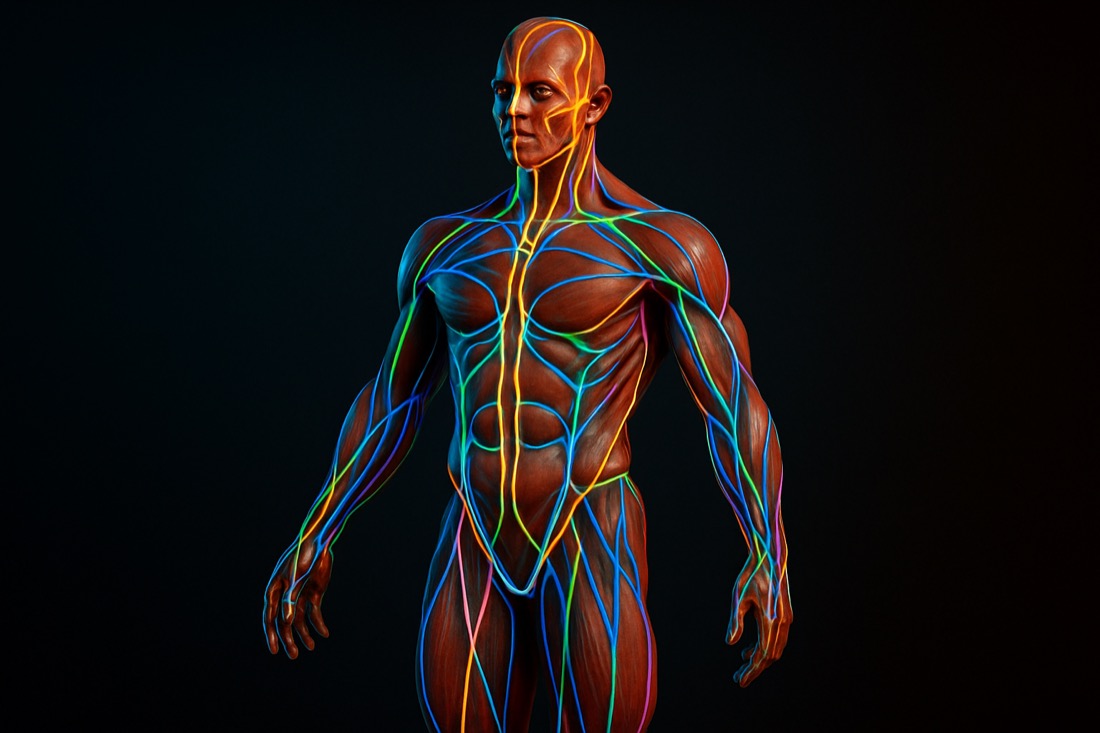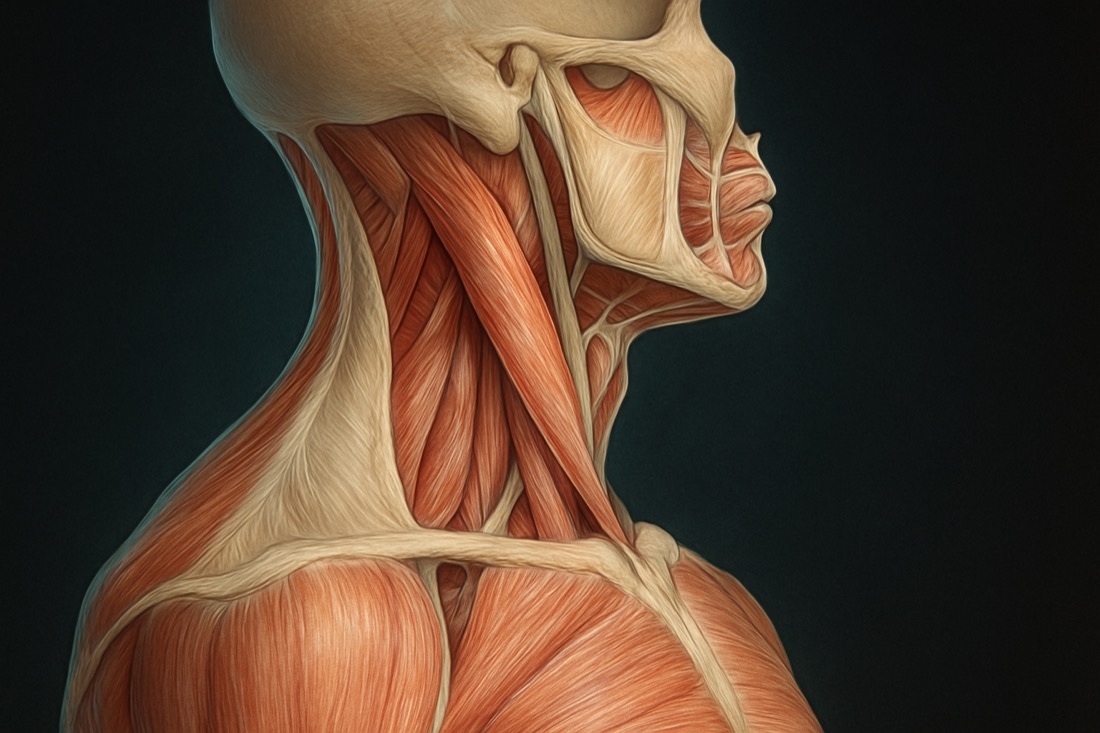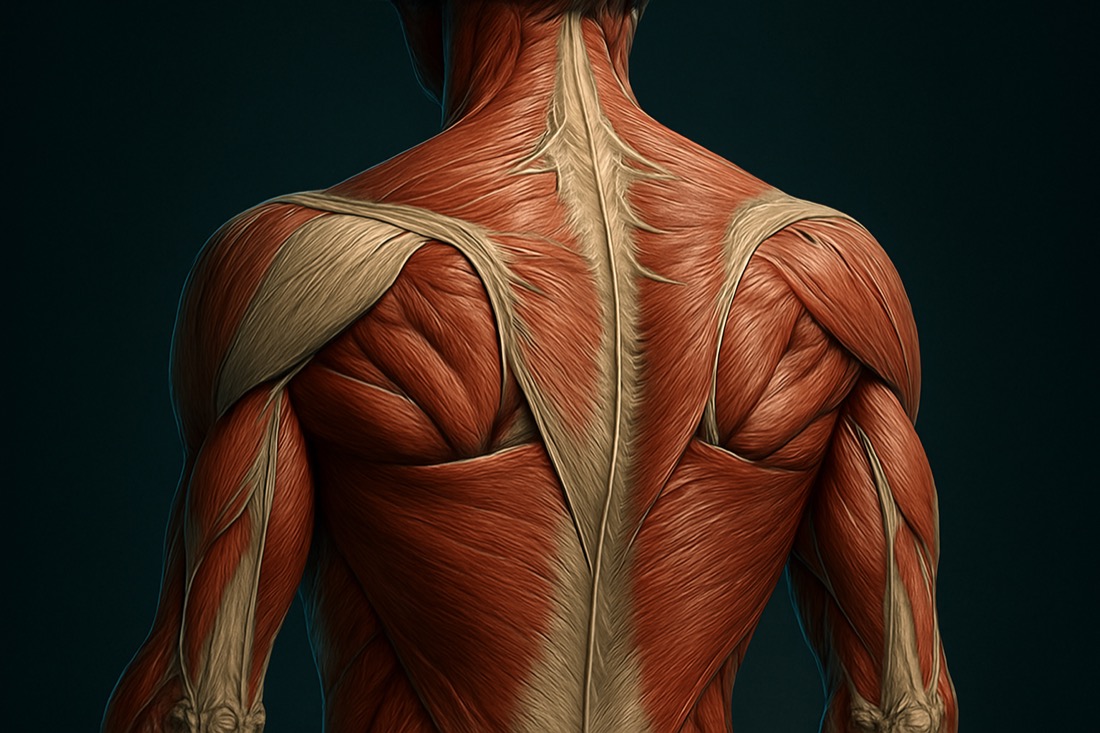
Instant Relief: Scalene Muscle Technique
Original title (JP): しびれを1回で治せる!斜角筋テクニック
Supervised by
Shogo Fujii
Physiotherapist (PT) · Founder of the SHOGO FUJII® FASCIA METHOD
View profile →Clinical Article · 5 min read
Fascia release for low back pain is a sought-after technique that promises relief for many sufferers. Shogo Fujii's innovative scalene muscle technique is gaining attention for its unique approach to easing tension in the neck and lower back. By focusing on the intricate connections of the fascia, this method offers an alternative to traditional muscle relaxation techniques. Clinicians and informed patients alike are exploring its potential benefits.
How does the scalene muscle affect low back pain?
The scalene muscles, located in the neck, play a crucial role in the body's overall posture and can significantly impact low back pain. By releasing tension in these muscles, it is possible to alleviate discomfort in the lower back. Shogo Fujii's technique targets these muscles effectively, offering relief where other methods may not [1].
This approach is particularly beneficial because the scalene muscles are connected to important blood vessels and nerves. When these muscles are tense, it can lead to symptoms like arm numbness or a pale appearance, which indirectly affects the lower back [2].
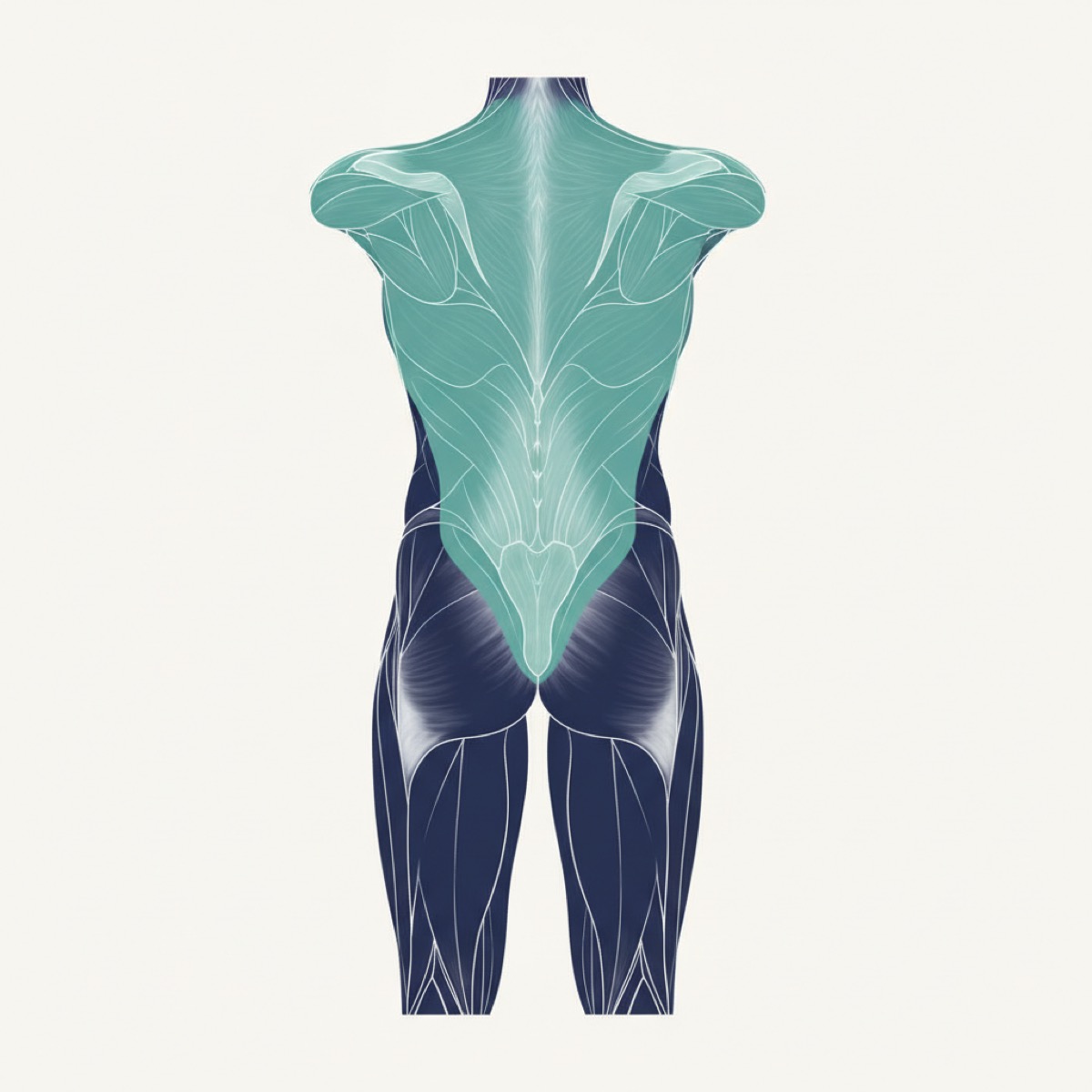
Why traditional methods may not work
Traditional methods such as massage or heat therapy often fail to address deep-seated tension in the scalene muscles. These techniques may provide temporary relief but do not fully release the fascia, which is why Fujii's method is noteworthy [3].
Fujii has developed a specialized technique that focuses on the unique anatomical structures around the scalene muscles, including the lesser and greater tubercles of the shoulder. This precision allows for more effective release and longer-lasting results [4].
How to perform the scalene muscle technique
Shogo Fujii's technique involves specific movements and pressure points that can be practiced by clinicians and patients with guidance. The method emphasizes the proper use of anatomical landmarks to achieve the best results.
Practitioners are encouraged to practice this technique in a controlled environment, such as a clinic or at home with family, to ensure safe and effective application. Watching Fujii's instructional video can enhance understanding and skill [5].
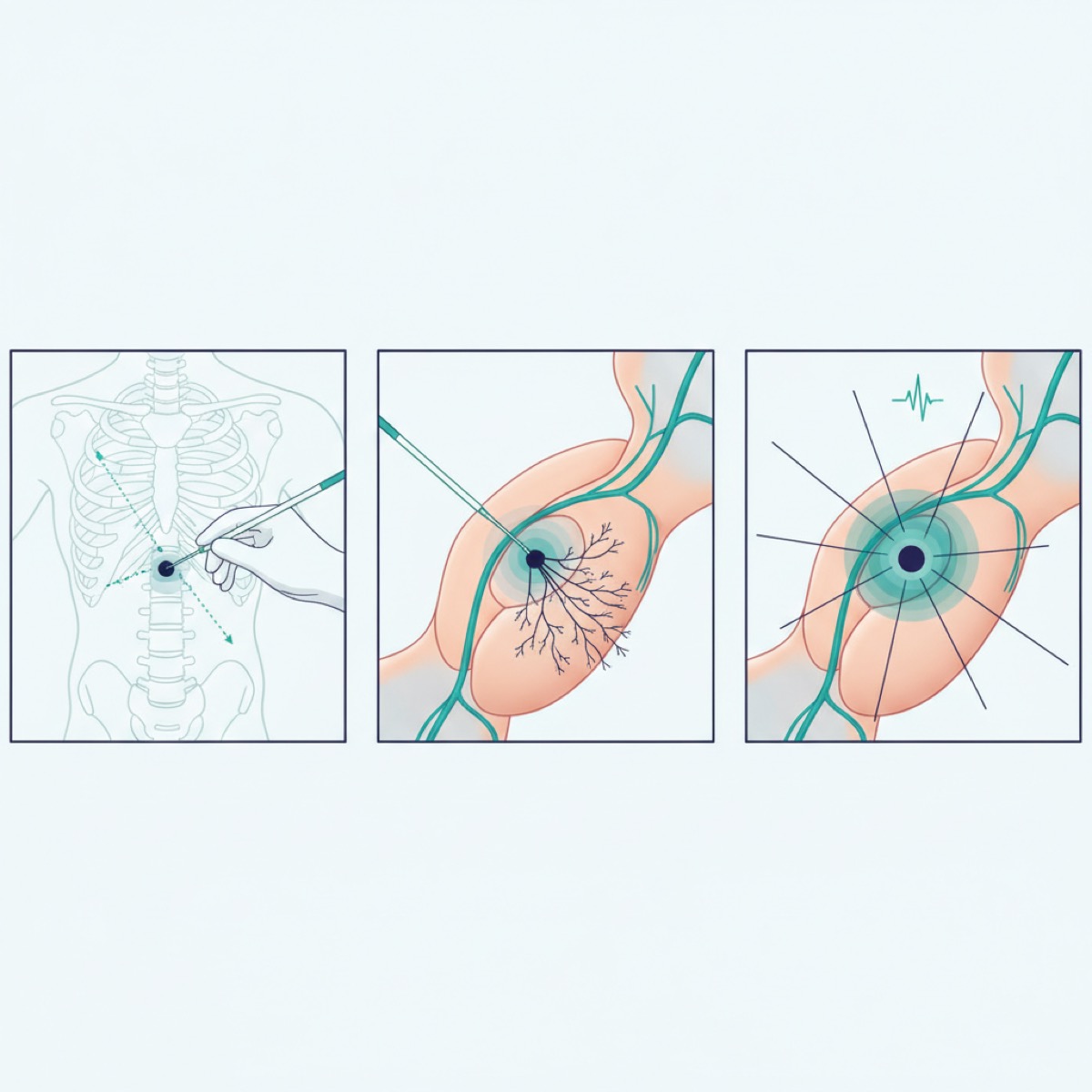
Expected outcomes of fascia release
While no method can guarantee complete relief, many individuals report significant improvements in their symptoms following the scalene muscle technique. The release of tension in the neck can lead to decreased pain and improved mobility in the lower back [6].
It's important to approach this technique as part of a comprehensive treatment plan. Combining it with other therapies, such as physical therapy or exercise, can enhance its effectiveness and contribute to overall well-being.
Frequently asked questions
Is fascia release safe? — Fascia release is generally safe when performed correctly by a trained professional. It is important to follow guidelines and consult with a healthcare provider if unsure.
How often should the technique be performed? — The frequency of performing the scalene muscle technique depends on individual needs and should be discussed with a healthcare provider to avoid overuse.
Can I perform this technique at home? — While the technique can be practiced at home, it is advisable to receive initial guidance from a professional to ensure proper execution and avoid injury.
References
- [1]Tracey KJ. The inflammatory reflex. Nature. 2002;420(6917):853–859.
- [2]Mayer EA. Gut feelings: the emerging biology of gut–brain communication. Nat Rev Neurosci. 2011;12(8):453–466.
- [3]Cryan JF, Dinan TG. Mind-altering microorganisms: the impact of the gut microbiota on brain and behaviour. Nat Rev Neurosci. 2012;13(10):701–712.
- [4]Guo R, Chen LH, Xing C, Liu T. Pain regulation by gut microbiota: molecular mechanisms and therapeutic potential. Br J Anaesth. 2019;123(5):637–654.
- [5]Ricciotti E, FitzGerald GA. Prostaglandins and inflammation. Arterioscler Thromb Vasc Biol. 2011;31(5):986–1000.
- [6]Salehi B, Venditti A, Sharifi-Rad M, et al. The therapeutic potential of apigenin. Int J Mol Sci. 2019;20(6):1305.