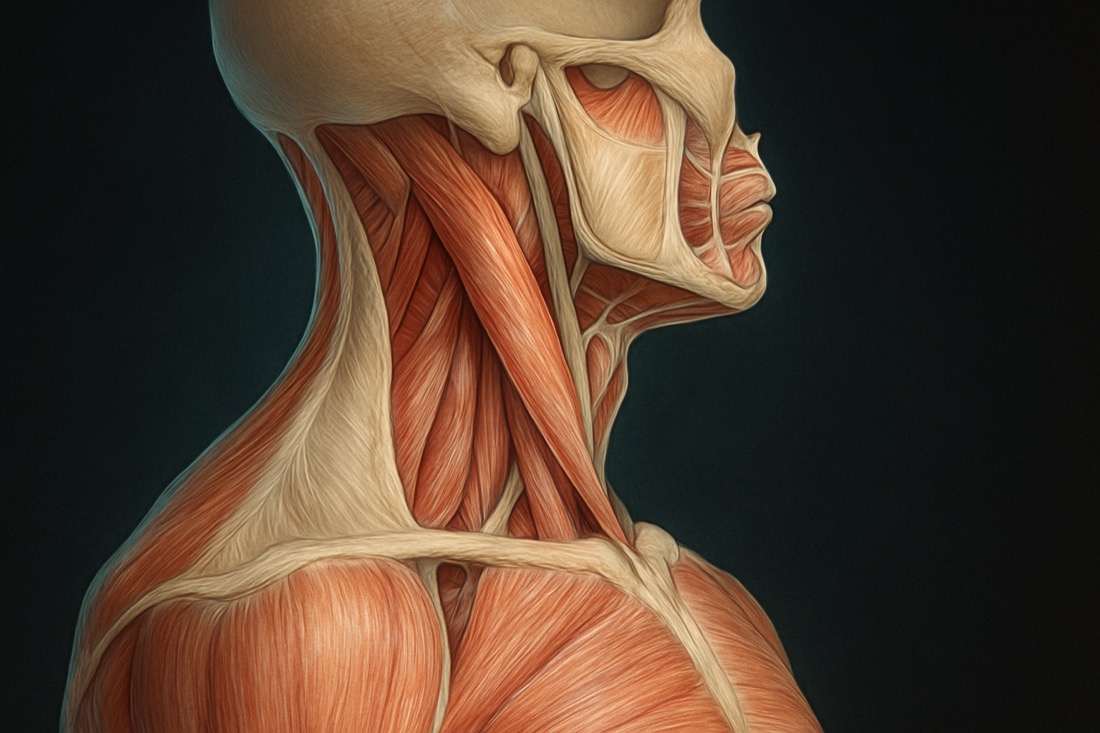
A Godly Technique That Instantly Loosens Rock-Hard Shoulder Blades
Original title (JP): ガチガチの肩甲骨を一瞬でゆるゆるにする神技テクニック

Supervised by
Shogo Fujii
Physiotherapist (PT) · Founder of the SHOGO FUJII® FASCIA METHOD
View profile →Clinical Article · 5 min read
Fascia release for low back pain is a promising approach for those struggling with persistent discomfort and limited mobility. By targeting the intricate network of fascia surrounding the shoulder blades, clinicians can help patients experience significant relief. In this article, discover expert techniques that offer both clinicians and informed patients a pathway to improved movement and reduced pain.
Why do stiff shoulder blades affect low back pain?
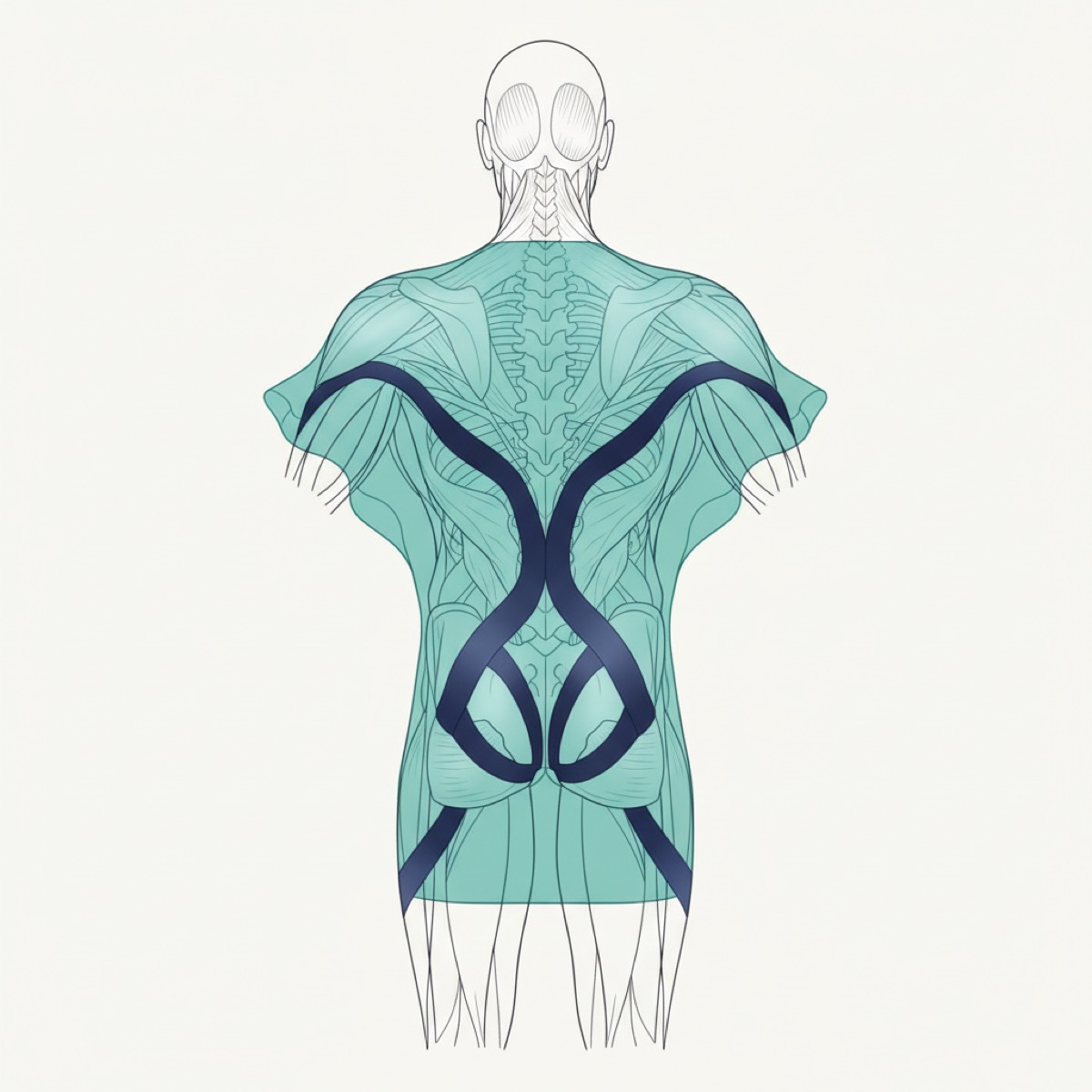
Stiff shoulder blades can significantly impact the low back due to the interconnected nature of the body's fascia and muscular systems. The scapula, or shoulder blade, forms a crucial joint with the thoracic region and acts as a central hub for muscle attachment. When stiffness occurs here, it can lead to compensatory patterns that strain the lower back, exacerbating pain[1][2].
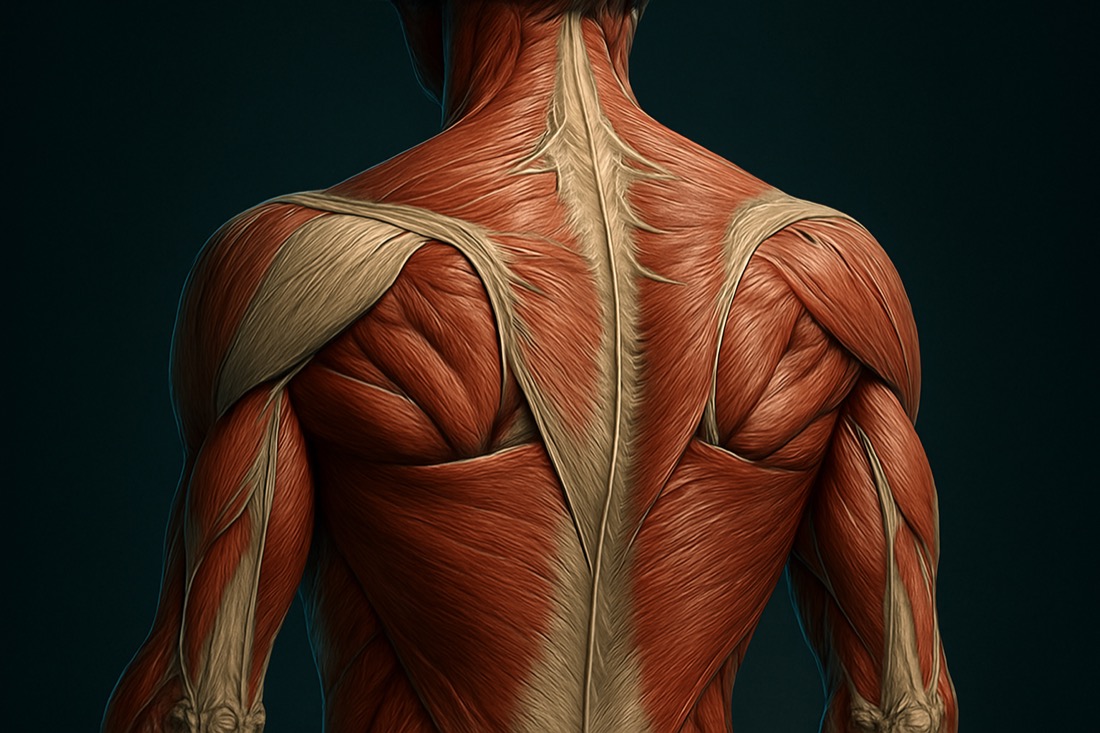
Releasing the fascia around the shoulder blades allows muscles like the levator scapulae and rhomboids to function optimally, reducing tension throughout the back. This interconnectedness highlights why addressing shoulder blade mobility can be pivotal in managing low back pain effectively[3].
How does fascia release work for shoulder blade stiffness?
Fascia release involves techniques that target the connective tissues surrounding muscles and bones. For shoulder blade stiffness, this means working on the fascia that encases muscles like the subscapularis and serratus anterior. By applying pressure and gentle movement, clinicians can help release these tissues, promoting better mobility and reducing discomfort[4].
The process often begins with releasing the upper regions of the shoulder blade, which can be tightly bound by muscles like the trapezius. This initial release facilitates further work on deeper muscles, making it easier to access and treat the underlying fascia effectively[5].
What techniques can be used to release fascia in the shoulder blades?
Several techniques can be utilized to effectively release fascia in the shoulder blades. One approach is to manually manipulate the area around the shoulder blade using fingers to gently separate and loosen the fascia. This can be particularly useful for accessing the subscapularis muscle, which is often difficult to reach due to its depth[6].
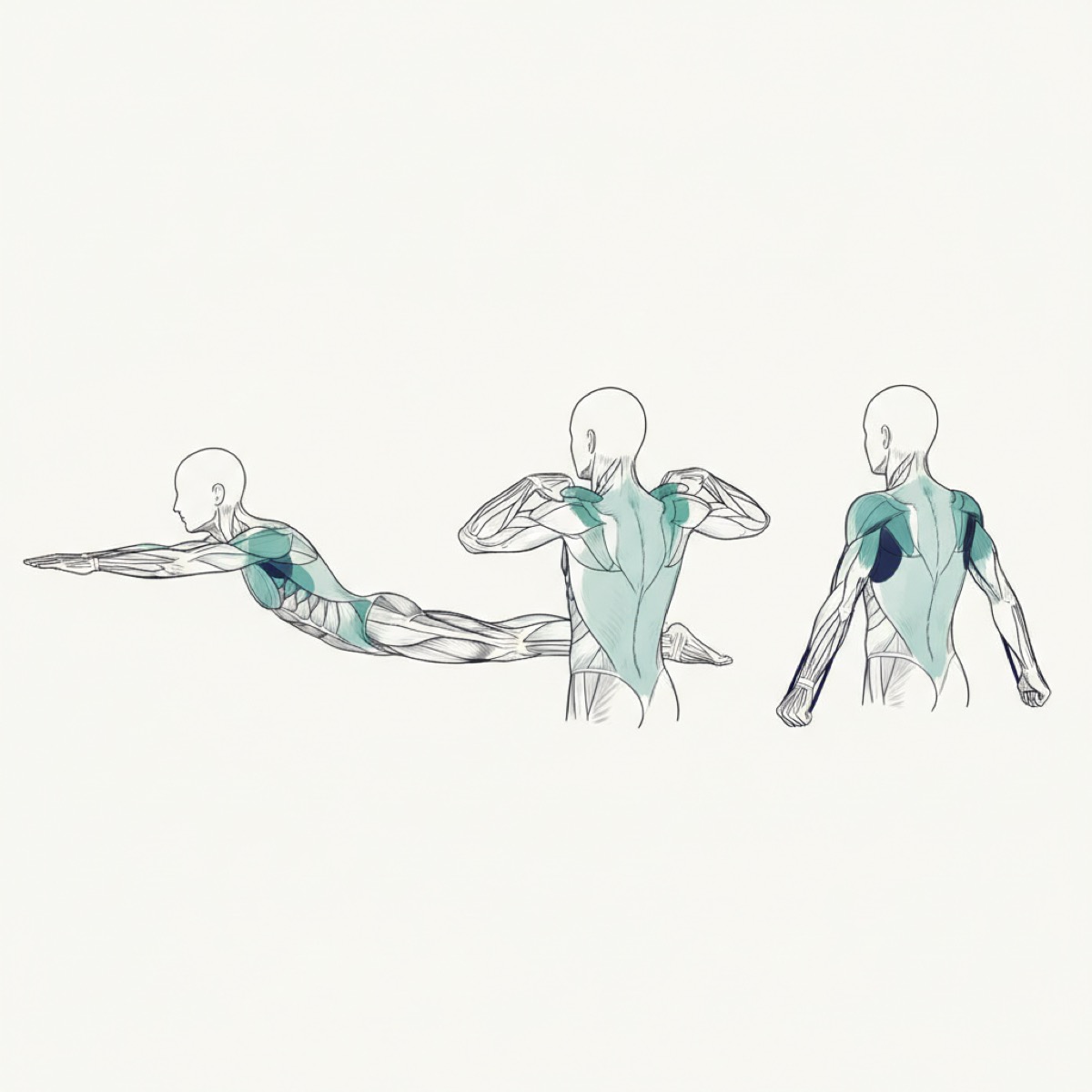
Another technique involves instructing patients to perform specific movements, such as raising their arms overhead (a movement akin to praising) to naturally stretch and release the fascia. This self-directed action can be a powerful adjunct to manual therapy, offering patients a way to maintain mobility between clinical sessions.
Benefits of self-fascia release techniques
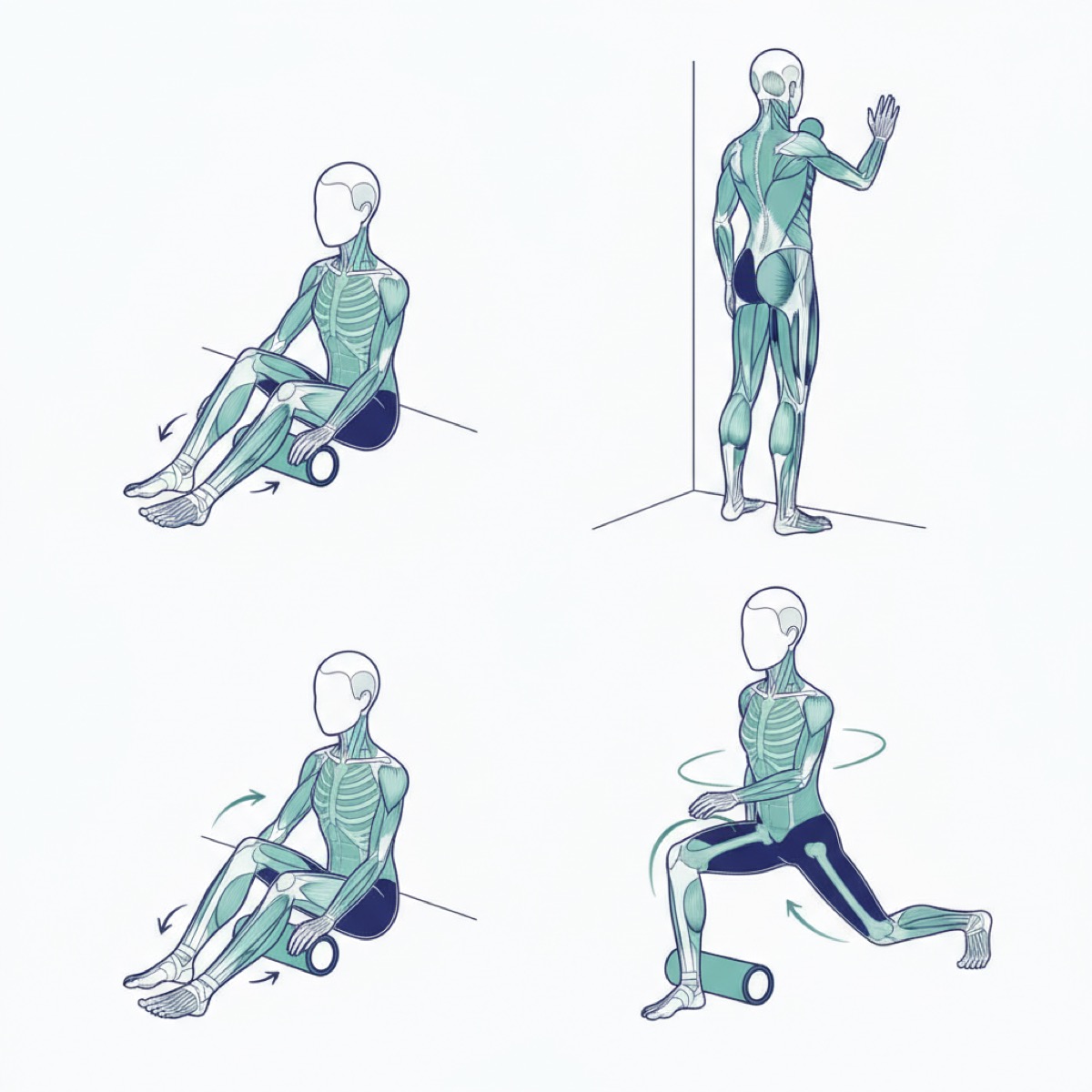
Self-fascia release techniques empower patients to manage their shoulder blade stiffness independently. By incorporating simple exercises into their daily routine, patients can maintain the benefits of clinical fascia release, improve their posture, and alleviate associated low back pain.
These exercises are straightforward and involve movements such as shoulder rotations and overhead stretches. Patients are encouraged to perform these exercises multiple times a day, focusing on maintaining a pain-free range of motion. This proactive approach not only reduces stiffness but also enhances overall well-being.
Frequently asked questions
Is fascia release safe? — Fascia release is generally safe when performed by trained professionals or under their guidance. It's essential to ensure techniques are applied correctly to avoid injury.
Can fascia release help with other types of pain? — Yes, fascia release can be beneficial for various types of musculoskeletal pain, as it addresses the underlying connective tissue restrictions that often contribute to discomfort.
How often should fascia release be performed? — The frequency of fascia release depends on individual needs and the severity of the condition. It's best to consult with a healthcare provider to determine an appropriate schedule.
References
- [1]Schleip R. Fascial plasticity — a new neurobiological explanation. J Bodyw Mov Ther. 2003;7(1):11–19.
- [2]Wilke J, Krause F, Vogt L, Banzer W. What Is Evidence-Based About Myofascial Chains? A Systematic Review. Arch Phys Med Rehabil. 2016;97(3):454–461.
- [3]Krause F, Wilke J, Vogt L, Banzer W. Intermuscular force transmission along myofascial chains: a systematic review. J Anat. 2016;228(6):910–918.
- [4]Stecco C, Stern R, Porzionato A, et al. Hyaluronan within fascia in the etiology of myofascial pain. Surg Radiol Anat. 2011;33(10):891–896.
- [5]Ajimsha MS, Al-Mudahka NR, Al-Madzhar JA. Effectiveness of myofascial release: a systematic review of randomized controlled trials. J Bodyw Mov Ther. 2015;19(1):102–112.
- [6]Tozzi P, Bongiorno D, Vitturini C. Fascial release effects on patients with non-specific cervical or lumbar pain. J Bodyw Mov Ther. 2011;15(4):405–416.
Related videos
Palpation X-Ray #84 | Is the Sacrum Really a Flat Plate? It's a Wedge, Wide at the Top and Narrowing Downward — Trace Down from the Lumbar Spine and Confirm at Gluteus Maximus
0:56
Dramatic Improvement in One Session: Manual Approach to the Pelvic Girdle, with Palpation of Anatomical Landmarks and Movement Assessment Before and After (Hands-On Demo)
5:48