Revolutionary Technique to Relieve Neck Pain Using the Sphenoid Bone
Original title (JP): 【超有料級】病院で改善困難な首の痛みを、蝶形骨で一撃で治す手技を大公開!!

Supervised by
Shogo Fujii
Physiotherapist (PT) · Founder of the SHOGO FUJII® FASCIA METHOD
View profile →Clinical Article · 5 min read
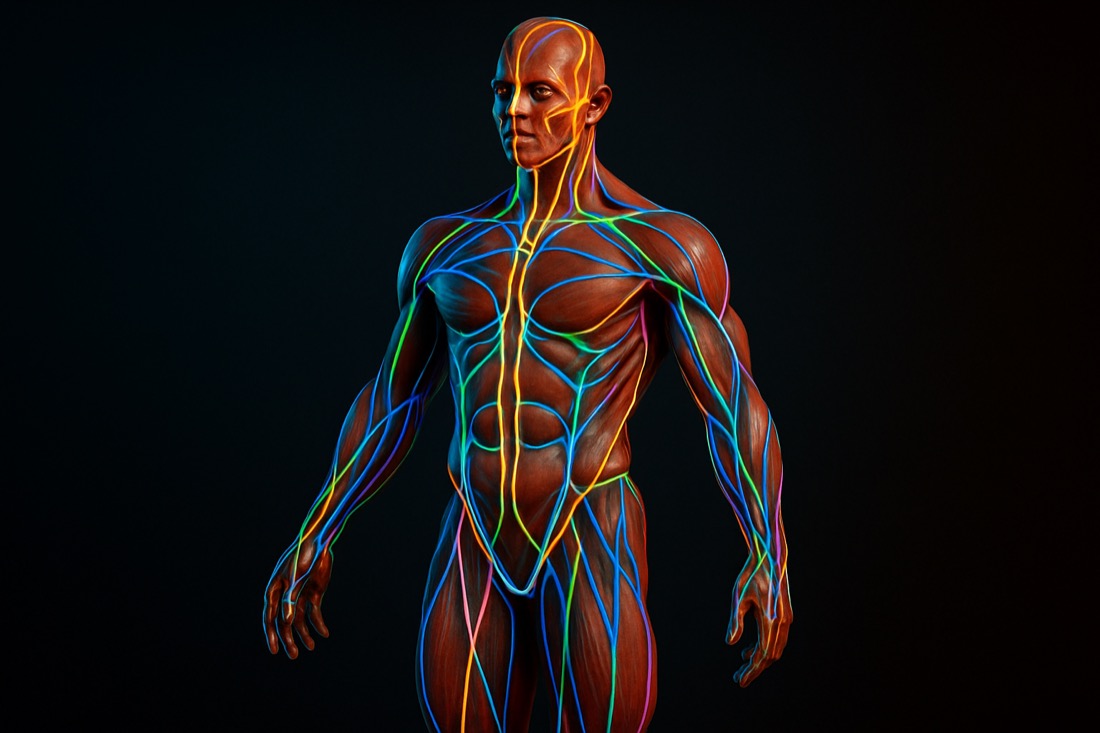
Fascia release for low back pain is gaining attention as a revolutionary technique that targets the underlying causes of discomfort. By understanding the connections between fascia, muscles, and bones, clinicians can offer more effective treatments. In this article, we explore how fascia release can alleviate low back pain and improve overall mobility.
Why does low-back pain persist?
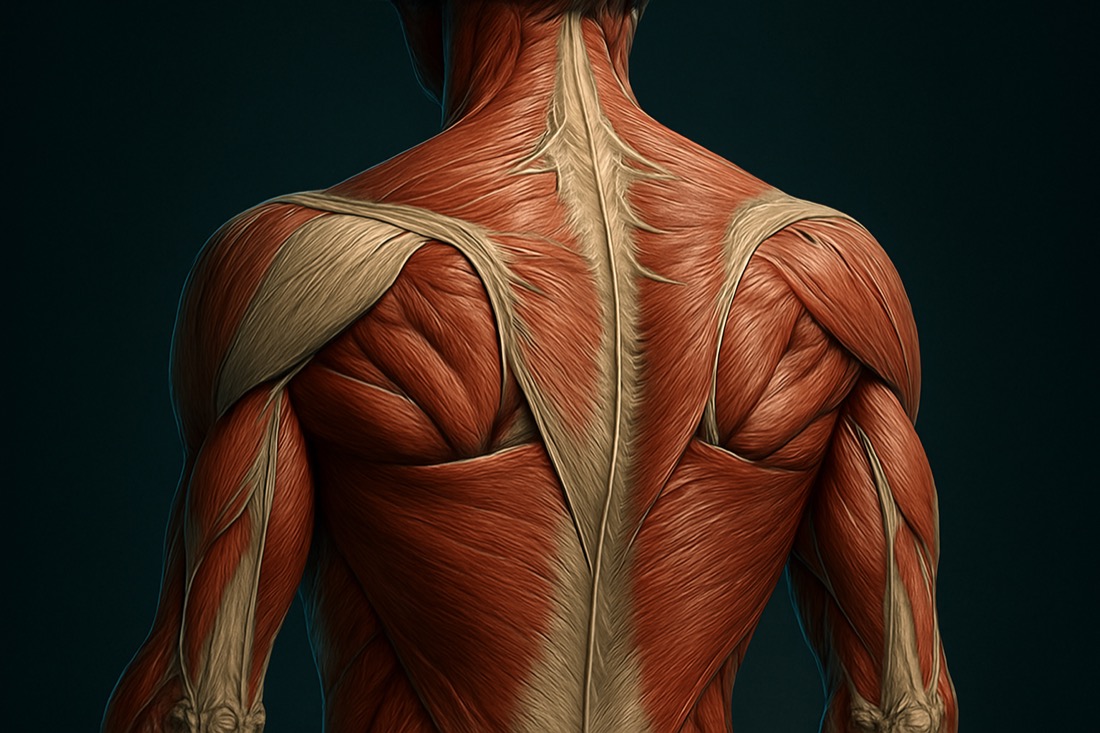
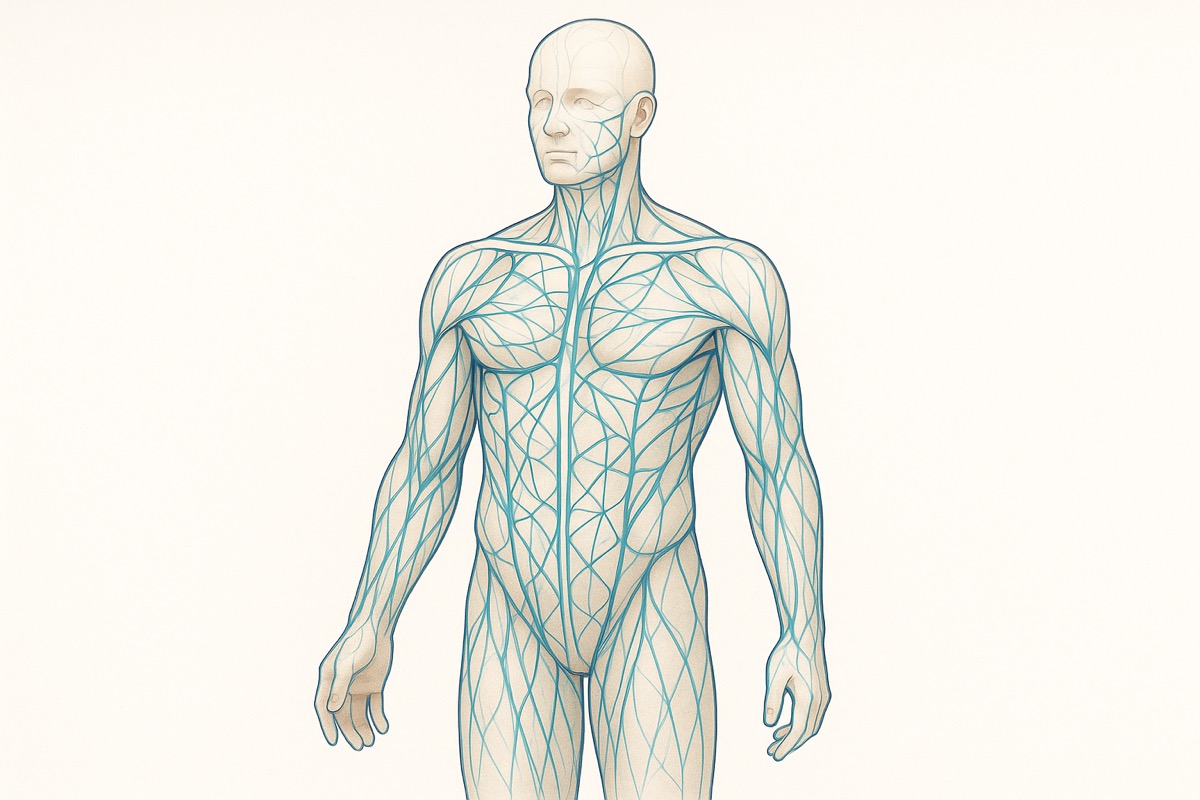
Low-back pain is a common ailment that can stem from various causes, including poor posture, muscle imbalances, and stress. The fascia, a connective tissue network, plays a crucial role in supporting and stabilizing the body. When fascia becomes restricted or tense, it can contribute to persistent pain and limited mobility [1].
Understanding the role of fascia in low-back pain is essential for both clinicians and patients. Fascia can be affected by lifestyle factors such as prolonged sitting or repetitive movements, leading to tension and discomfort. By addressing these fascial restrictions, individuals can experience significant relief and improved function.
How does fascia release work?
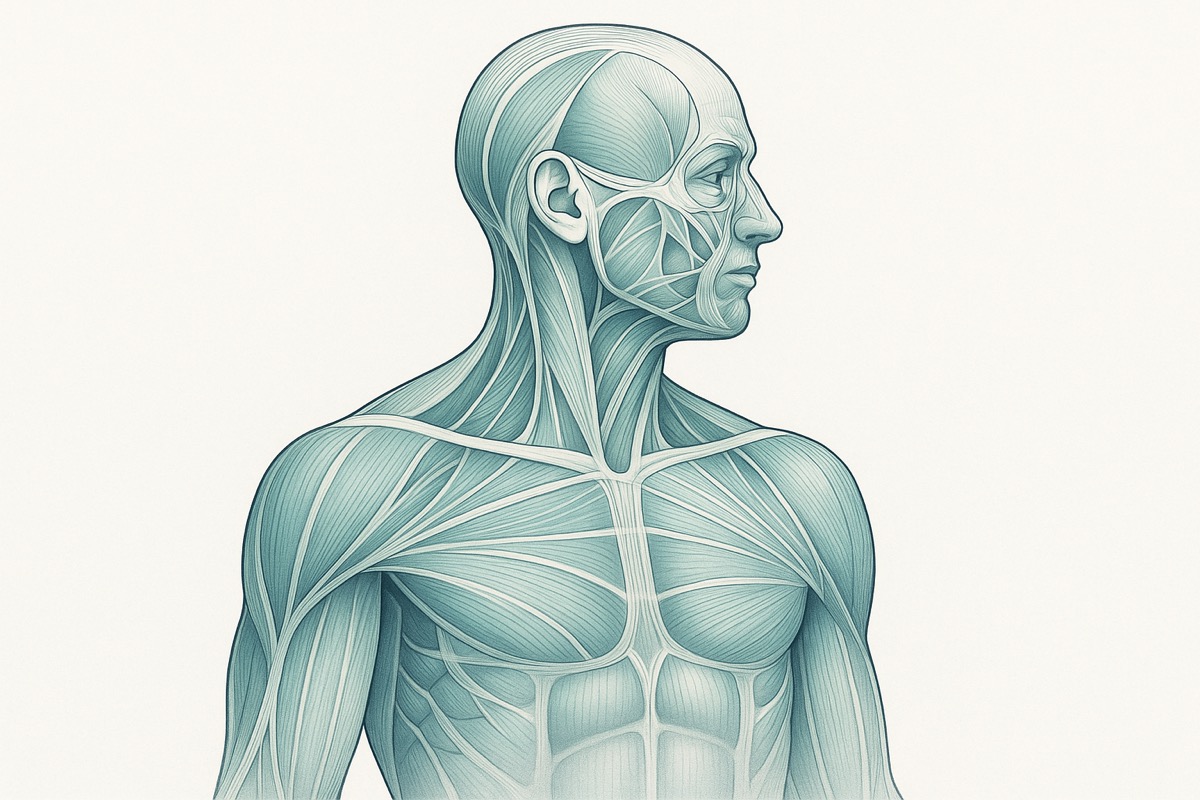
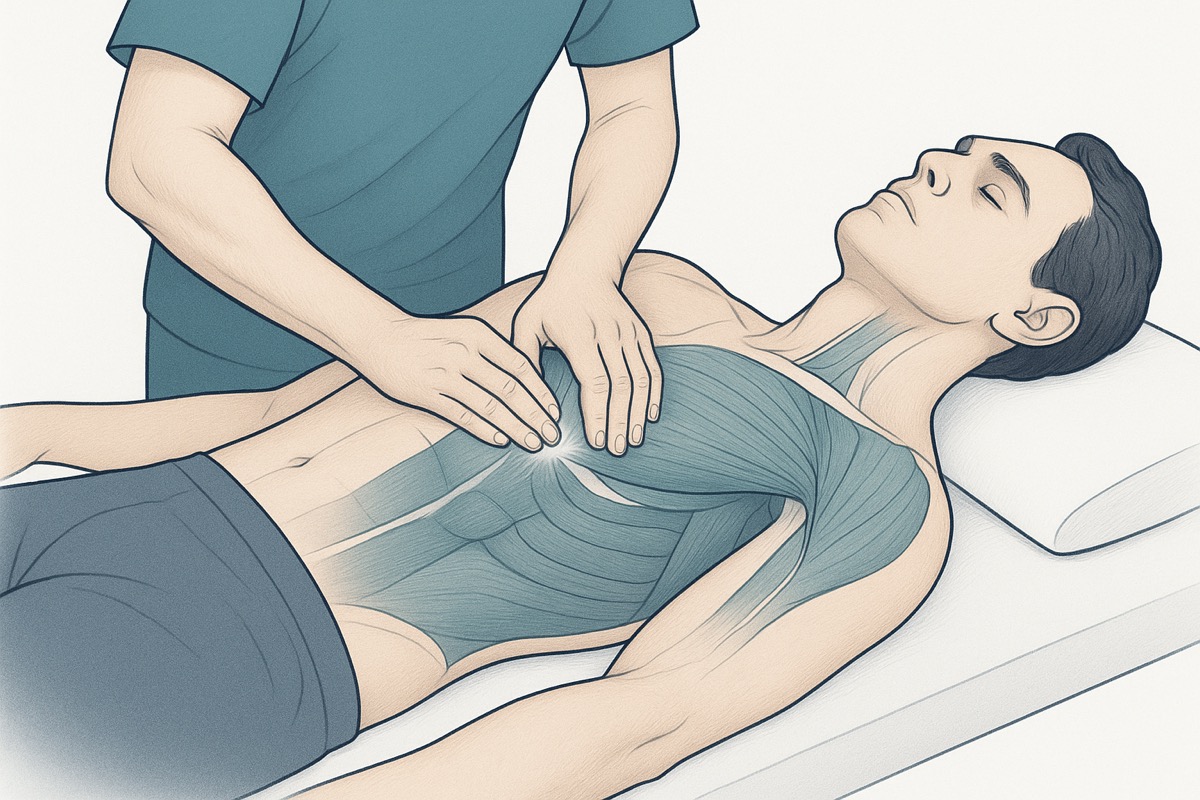
Fascia release involves techniques that target the connective tissue to reduce tension and improve mobility. Practitioners use various methods, such as manual pressure and stretching, to release fascial restrictions. This process can alleviate pain by restoring normal tissue function and promoting blood flow [2].
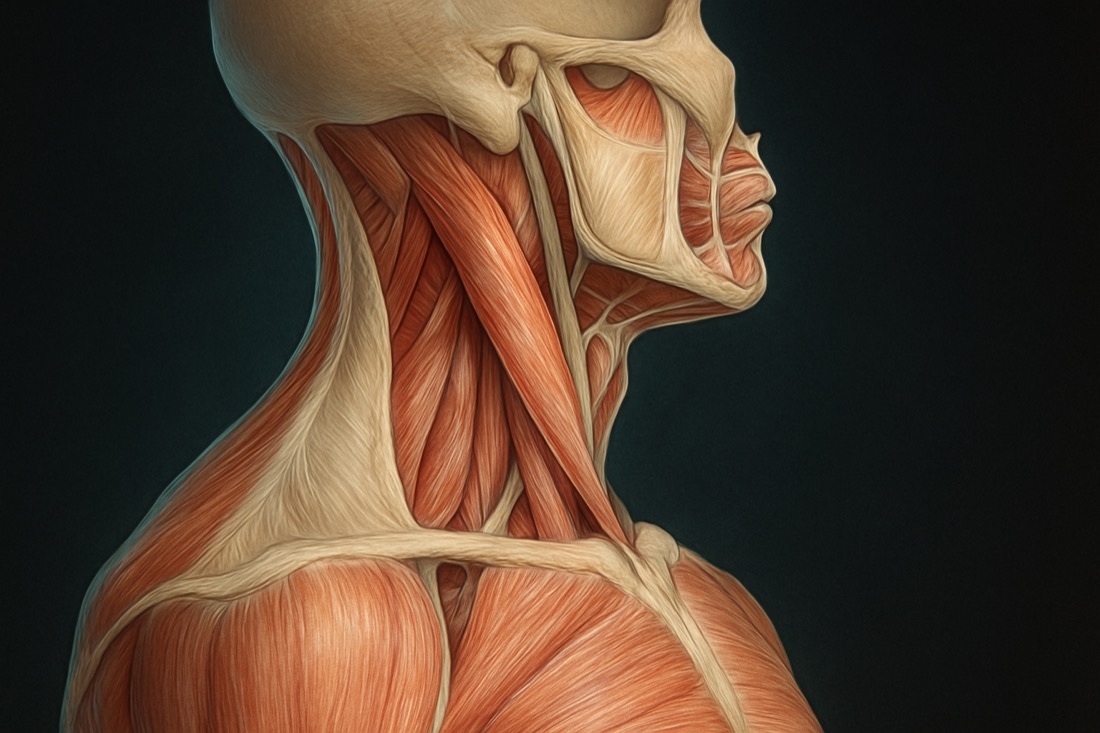
The sphenoid bone, located at the base of the skull, can influence fascia tension throughout the body. Techniques that focus on the sphenoid bone's alignment can reduce tension in the neck and lower back, leading to decreased pain and improved range of motion [3].
What to expect during a fascia release session
During a fascia release session, practitioners assess the patient's posture and movement patterns to identify areas of tension. Techniques may involve gentle pressure and manipulation of specific points, such as the underarm or the base of the skull, to alleviate discomfort [4].
Patients may experience immediate improvements in mobility and a reduction in pain. However, it's essential to understand that fascia release is part of a comprehensive approach to pain management. Consistent sessions and lifestyle adjustments, including hydration and nutrition, can enhance the benefits of fascia release [5].
Benefits of integrating fascia release into treatment
Integrating fascia release into a treatment plan can offer numerous benefits, including reduced pain, increased flexibility, and improved posture. For clinicians, understanding the connections between fascia and other body structures can enhance diagnostic accuracy and treatment effectiveness [6].
Patients who incorporate fascia release into their self-care routines report not only physical relief but also a greater sense of well-being. Educating patients on the importance of hydration and nutrition further supports fascia health and overall recovery.
Frequently asked questions
Is fascia release safe? — Yes, fascia release is generally safe when performed by a trained practitioner. It involves non-invasive techniques that focus on relieving tension and improving tissue mobility.
How often should I undergo fascia release? — The frequency of sessions depends on individual needs and the severity of symptoms. Some patients benefit from weekly sessions, while others may only need monthly maintenance.
Can fascia release help with other conditions? — Fascia release can be beneficial for various conditions beyond low-back pain, including neck pain, headaches, and postural issues. It is a versatile technique that addresses the body's connective tissue system.
References
- [1]Klingler W, Velders M, Hoppe K, Pedro M, Schleip R. Clinical relevance of fascial tissue and dysfunctions. Curr Pain Headache Rep. 2014;18(8):439.
- [2]Wilke J, Vogt L, Niederer D, Banzer W. Is remote stretching based on myofascial chains as effective as local exercise? A randomised-controlled trial. J Sports Sci. 2017;35(20):2021–2027.
- [3]Langevin HM. Connective tissue: a body-wide signaling network? Med Hypotheses. 2006;66(6):1074–1077.
- [4]Schleip R. Fascial plasticity — a new neurobiological explanation. J Bodyw Mov Ther. 2003;7(1):11–19.
- [5]Wilke J, Krause F, Vogt L, Banzer W. What Is Evidence-Based About Myofascial Chains? A Systematic Review. Arch Phys Med Rehabil. 2016;97(3):454–461.
- [6]Krause F, Wilke J, Vogt L, Banzer W. Intermuscular force transmission along myofascial chains: a systematic review. J Anat. 2016;228(6):910–918.