Solve Trigger Finger, Baseball Elbow, and Golf Elbow with This Video
Original title (JP): 【神回】バネ指や野球肘、ゴルフ肘はこの動画を見れば全て解決できます。

Supervised by
Shogo Fujii
Physiotherapist (PT) · Founder of the SHOGO FUJII® FASCIA METHOD
View profile →Clinical Article · 5 min read
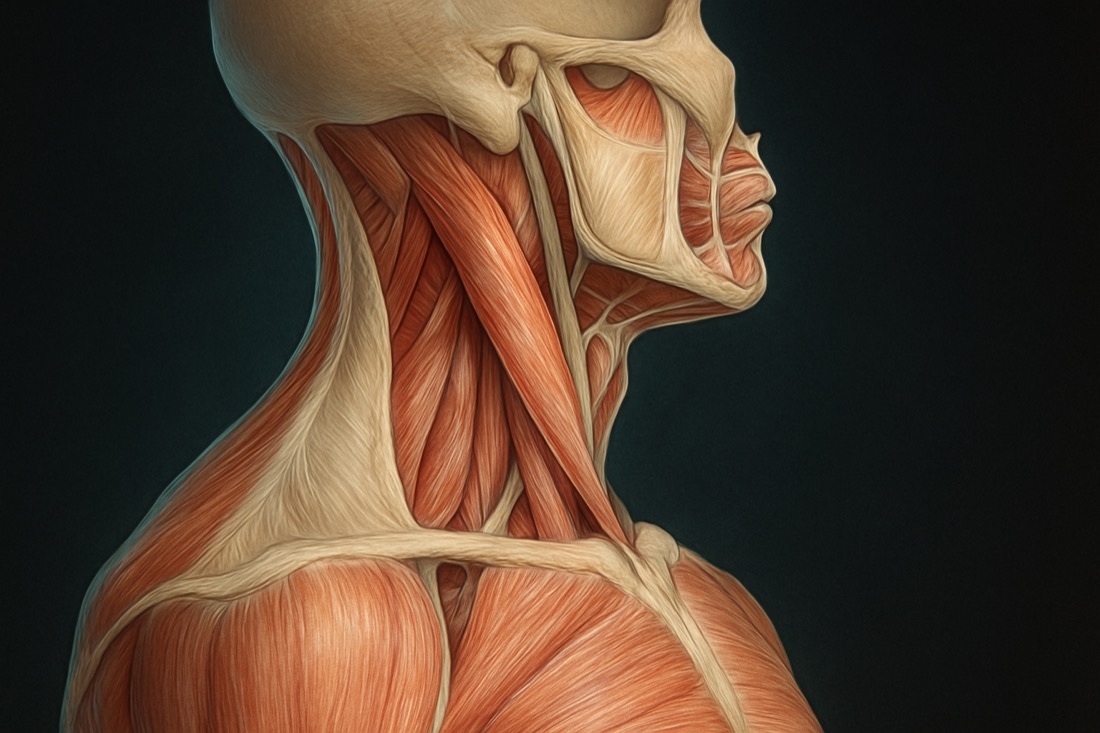
Fascia release for low back pain has become a popular topic among clinicians and informed patients seeking relief from discomfort. Understanding how fascia affects muscle function can unlock new ways to approach pain management. In this article, we'll explore the anatomy of the fascia and how targeted techniques can alleviate issues such as trigger finger and elbow pain.
Why does fascia affect low back pain?
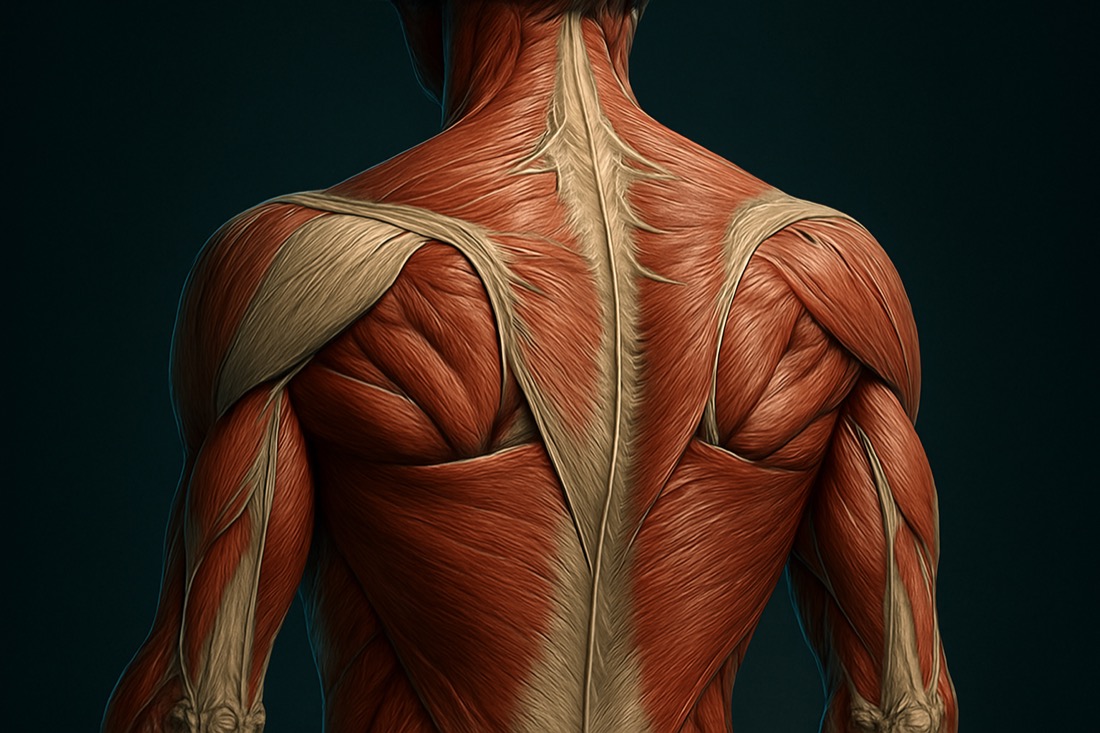
Fascia, a connective tissue that encases muscles and organs, plays a crucial role in maintaining structural integrity and facilitating movement. When fascia becomes tight or restricted, it can lead to discomfort and pain, particularly in the low back area. This is often due to repetitive strain or poor posture, which causes the fascia to lose flexibility and compress surrounding tissues[1].
Understanding the role of fascia in low back pain is essential for effective treatment. By targeting specific fascia layers, clinicians can improve mobility and reduce pain. Techniques such as myofascial release focus on stretching and loosening the fascia to restore normal function and alleviate discomfort[2].

How does fascia release work for elbow and finger pain?
Fascia release techniques are not only beneficial for the low back but also effective for conditions like trigger finger, baseball elbow, and golf elbow. These issues are often linked to tension in the forearm's flexor muscles, which can be addressed through targeted fascia manipulation.
By applying pressure and stretching the fascia in the forearm, clinicians can alleviate muscle tightness and improve joint mobility. This approach helps in reducing pain and preventing further complications by ensuring that the fascia remains flexible and responsive to movement[3].
What to expect during a fascia release session
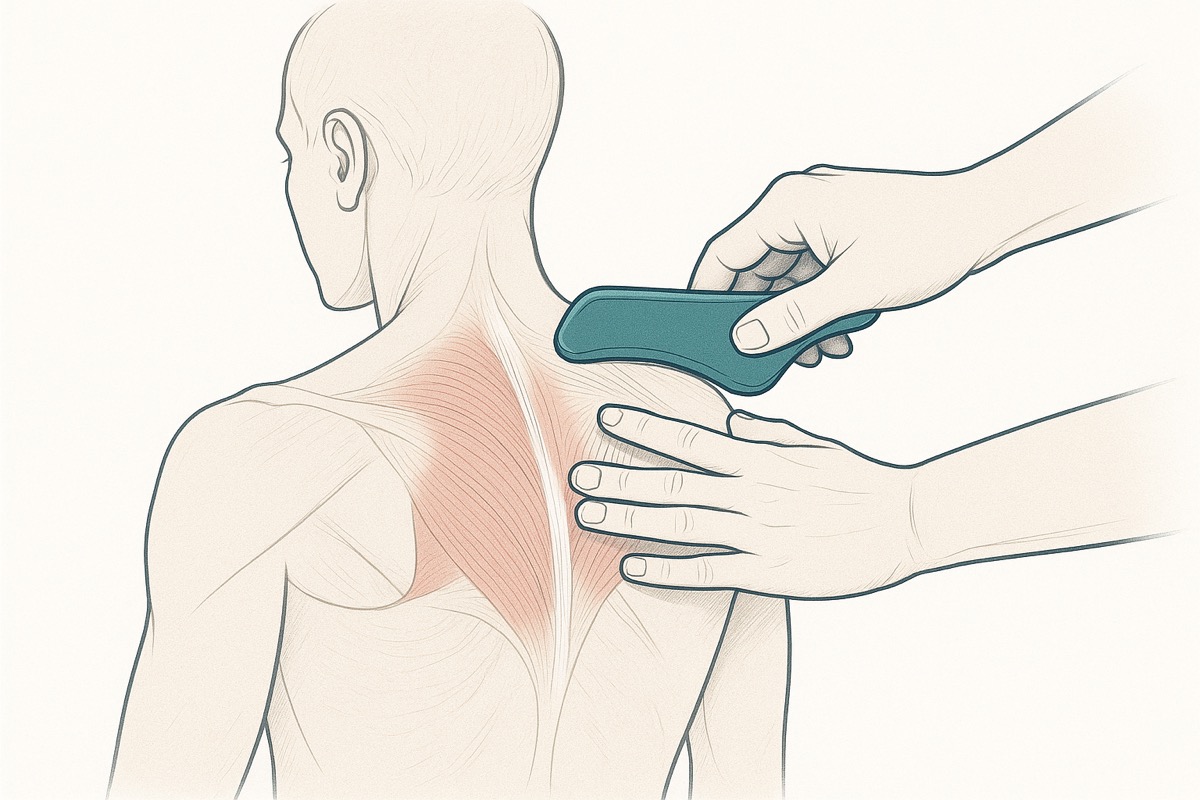
A typical fascia release session involves assessing the affected area and applying specific techniques to stretch and loosen the fascia. The clinician may use their hands or specialized tools to manipulate the tissue, focusing on areas of tightness and restriction[4].
Patients might experience temporary discomfort as the fascia is stretched, but this is generally followed by a sense of relief and increased range of motion. It's important to communicate with your clinician to ensure that the pressure applied is within a comfortable range[5].
Benefits of fascia release for overall health
Fascia release not only targets specific pain areas but also contributes to overall well-being. By improving fascia flexibility, it enhances circulation, reduces tension, and promotes better posture. This holistic approach can lead to long-term benefits, reducing the likelihood of recurring pain issues[6].
Incorporating fascia release into a regular wellness routine can help maintain muscle health and prevent injuries. It is particularly beneficial for athletes and individuals with physically demanding lifestyles, as it supports optimal muscle function and recovery.

Frequently asked questions
Is fascia release safe? — Yes, fascia release is generally considered safe when performed by a trained professional. It is important to communicate any discomfort during the session to ensure a safe and effective treatment.
How often should I undergo fascia release therapy? — The frequency of fascia release therapy depends on individual needs and the severity of the condition. Some may benefit from weekly sessions, while others may only require occasional maintenance.
Can fascia release help with chronic pain? — Fascia release can be effective in managing chronic pain by addressing underlying fascia restrictions. However, it should be part of a comprehensive treatment plan tailored to the individual's specific condition.
References
- [1]Krause F, Wilke J, Vogt L, Banzer W. Intermuscular force transmission along myofascial chains: a systematic review. J Anat. 2016;228(6):910–918.
- [2]Stecco C, Stern R, Porzionato A, et al. Hyaluronan within fascia in the etiology of myofascial pain. Surg Radiol Anat. 2011;33(10):891–896.
- [3]Ajimsha MS, Al-Mudahka NR, Al-Madzhar JA. Effectiveness of myofascial release: a systematic review of randomized controlled trials. J Bodyw Mov Ther. 2015;19(1):102–112.
- [4]Tozzi P, Bongiorno D, Vitturini C. Fascial release effects on patients with non-specific cervical or lumbar pain. J Bodyw Mov Ther. 2011;15(4):405–416.
- [5]Zügel M, Maganaris CN, Wilke J, et al. Fascial tissue research in sports medicine: from molecules to tissue adaptation, injury and diagnostics: consensus statement. Br J Sports Med. 2018;52(23):1497.
- [6]Klingler W, Velders M, Hoppe K, Pedro M, Schleip R. Clinical relevance of fascial tissue and dysfunctions. Curr Pain Headache Rep. 2014;18(8):439.