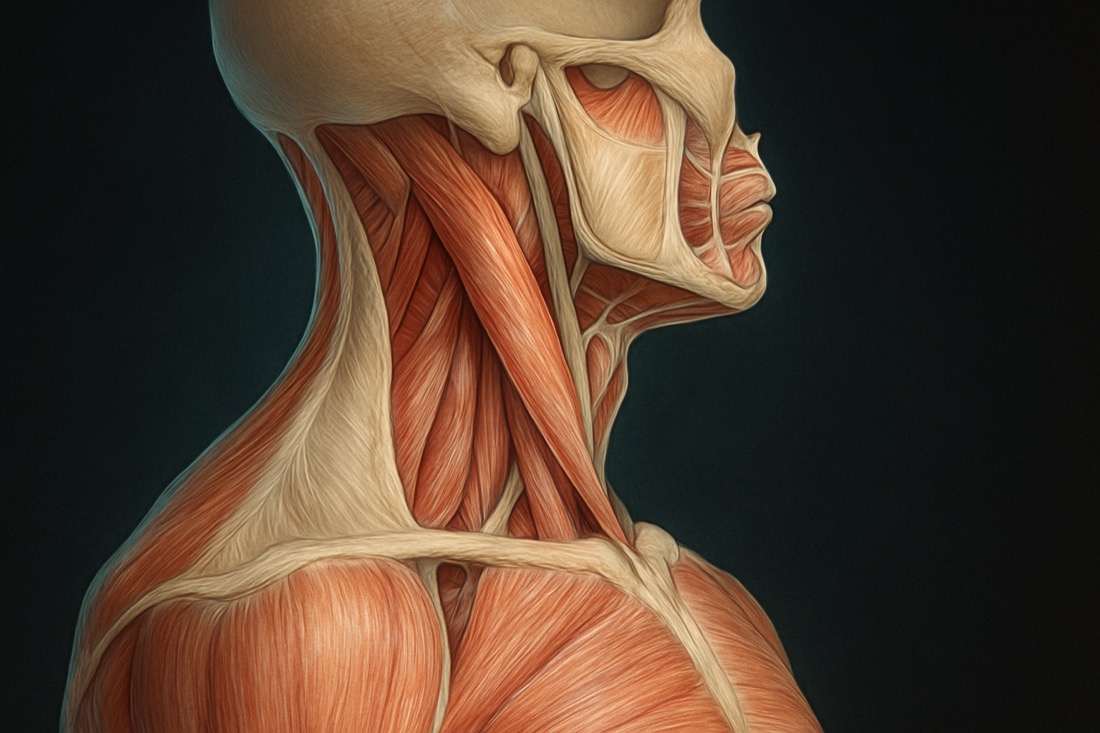
Why Do 90% of Therapists Overlook the Thoracic Spine?
Original title (JP): なぜ9割の治療家が“胸椎”を見落としているのか?

Supervised by
Shogo Fujii
Physiotherapist (PT) · Founder of the SHOGO FUJII® FASCIA METHOD
View profile →Clinical Article · 6 min read
Many individuals grappling with persistent low back pain may be surprised to learn that the root of their discomfort often lies not in the lumbar region itself, but in the less-addressed thoracic spine. Despite its critical role in spinal mechanics and overall body function, the thoracic spine is frequently overlooked in therapeutic interventions. Understanding and improving **thoracic spine mobility for low back pain** is a game-changer for clinicians and patients alike, offering a pathway to more comprehensive and lasting relief.
Why the Thoracic Spine is a Hidden Key to Low Back Relief
The thoracic spine (T-spine), located between the cervical (neck) and lumbar (lower back) regions, comprises twelve vertebrae to which the ribs attach. Its primary functions include protecting vital organs and providing stability. However, its often-limited natural range of motion, particularly in rotation and extension, can lead to compensatory movements in the more mobile lumbar spine [1].
When the T-spine becomes stiff or dysfunctional, the lumbar spine is forced to overwork, leading to increased stress on its discs, joints, and musculature. This compensatory strain is a significant contributor to chronic low back pain. Addressing **thoracic spine mobility for low back pain** is therefore not just an adjunct therapy but often a fundamental step in resolving persistent discomfort and preventing future issues.
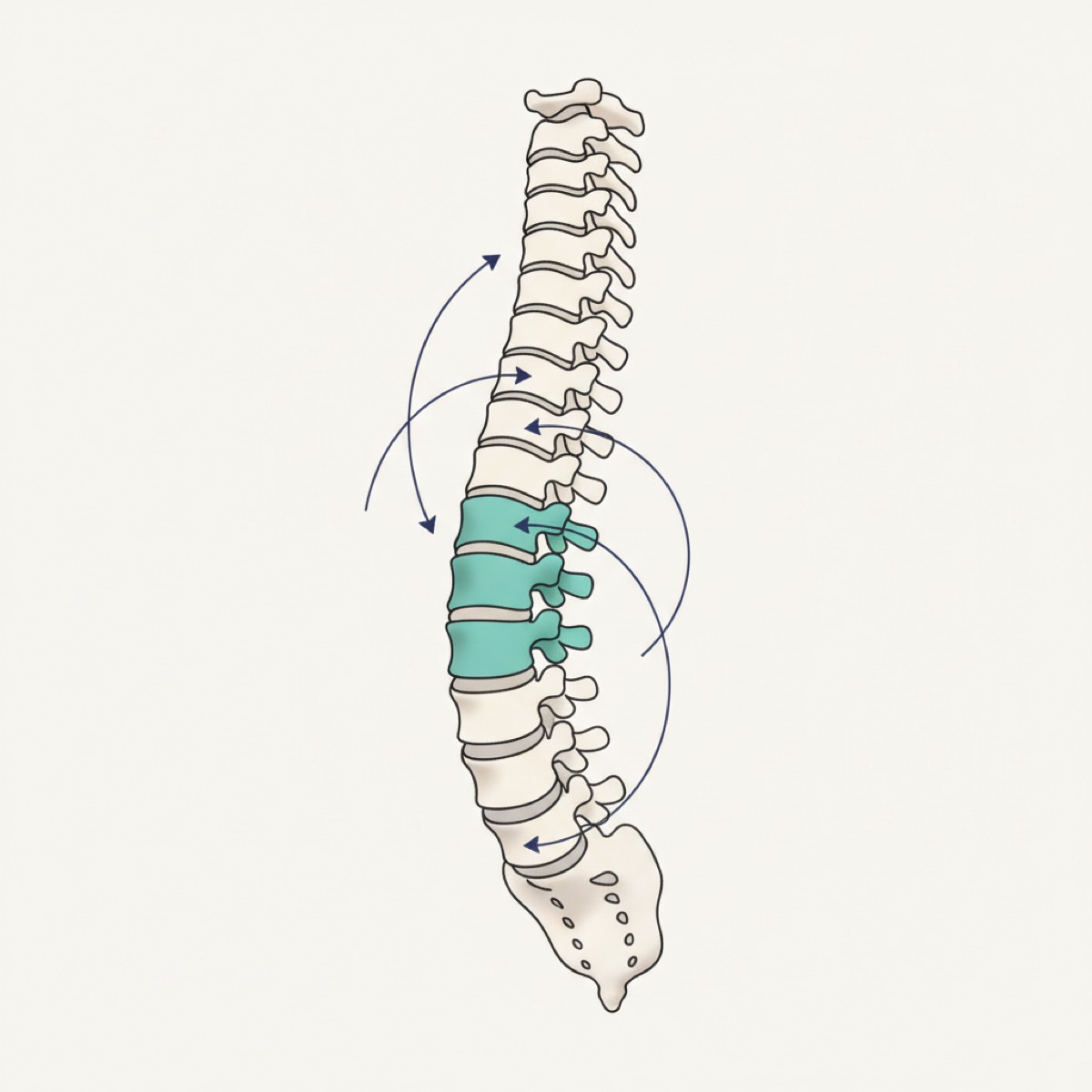
The Widespread Impact of Thoracic Spine Dysfunction
The consequences of restricted thoracic spine mobility extend far beyond the lower back. Due to the intricate fascial connections and kinetic chain relationships throughout the body, dysfunction in the T-spine can manifest as pain or limited movement in the neck, shoulders, and even the extremities [2]. For instance, a stiff upper back can restrict shoulder blade movement, contributing to shoulder impingement or neck tension.
This interconnectedness explains why therapists might overlook the thoracic spine when focusing solely on the site of pain. The body operates as a single unit, and a problem in one area can create a cascade of compensatory issues elsewhere. Recognizing these broader implications is crucial for effective treatment, moving beyond symptomatic relief to address underlying biomechanical imbalances.
Precision Assessment: Uncovering Thoracic Spine Deviations
Effective intervention begins with a precise assessment of the thoracic spine. Clinicians meticulously palpate the spinous processes—the bony protrusions felt along the back of the spine—from the cervical-thoracic junction down to the thoracolumbar junction. The goal is to identify subtle misalignments, areas of increased tension, or restricted movement that indicate dysfunction [3].
During this assessment, the therapist looks for specific "reactive spots" where applying gentle pressure elicits a distinct response, such as a localized softening or a change in tissue texture. These reactive points are highly individual, varying from person to person, and may not always correlate directly with the most prominent visual deviation. Observing a patient's overall posture and movements, including neck flexion, extension, and rotation, provides additional diagnostic clues.
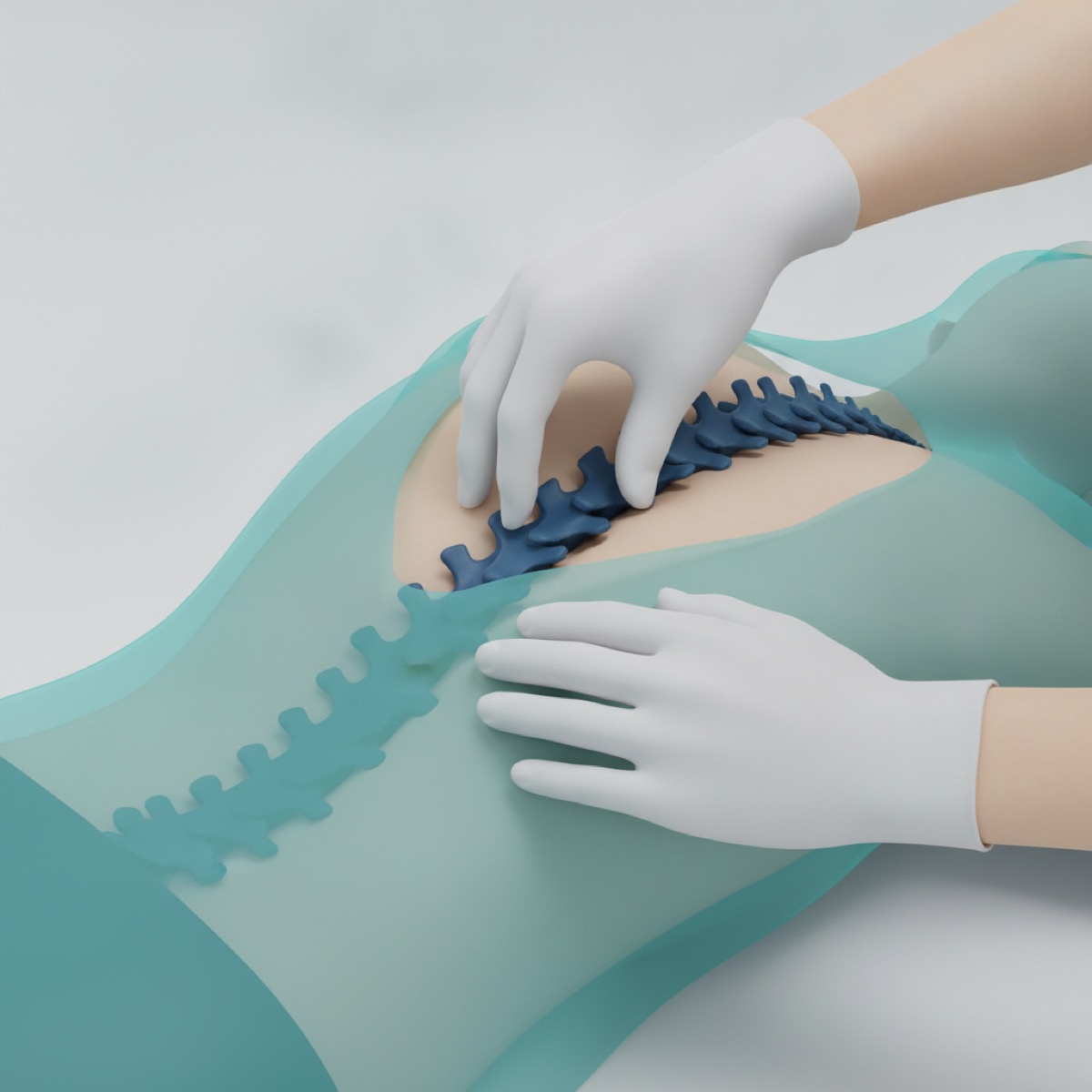
Targeted Myofascial Release: Restoring Spinal Harmony
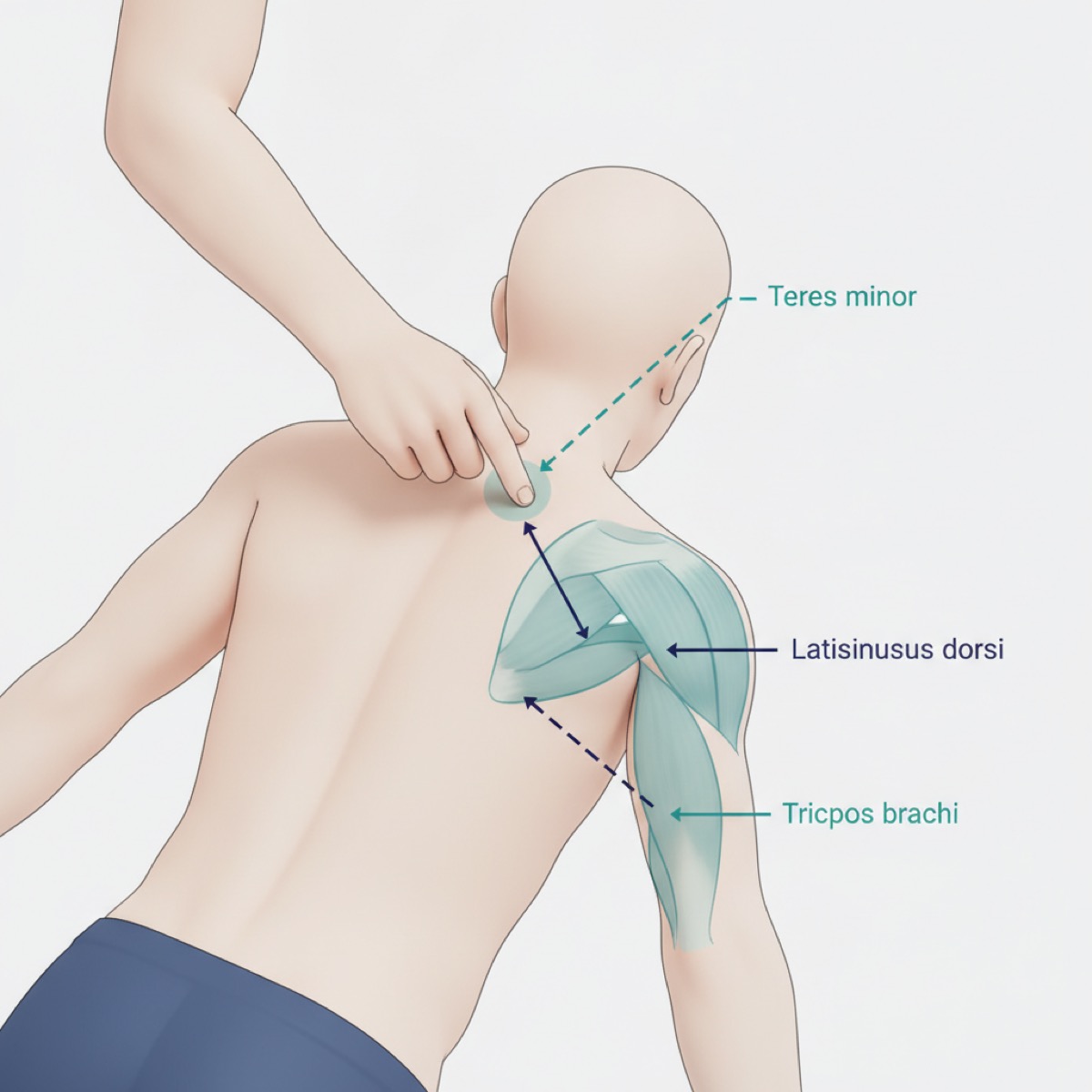
Once a key dysfunctional thoracic segment and its associated reactive points are identified, the therapist employs targeted myofascial release techniques. This involves applying specific, sustained pressure to the identified spinous process. Simultaneously, the therapist monitors for a "release" or softening in key muscle insertions, such as the teres minor, the insertion of the latissimus dorsi, or the triceps brachii insertion [4]. The exact point and vector of pressure are tailored to the individual's unique response.
The goal is to facilitate a deep release in the surrounding fascial and muscular tissues, allowing the thoracic segment to regain its natural mobility. As the primary restriction resolves, it's common to observe a ripple effect throughout the body: improved range of motion in the neck and shoulders, reduced tension in the lower back, and even enhanced mobility in the hips, knees, and ankles [5]. This demonstrates the body's profound interconnectedness, where a precise intervention in one area can unlock widespread systemic improvements, much like releasing a knot in a complex fishing line.
Frequently asked questions
**Is fascia release safe?** — Fascia release, when performed by a qualified and experienced physiotherapist or manual therapist, is generally considered safe. The techniques involve gentle, sustained pressure rather than abrupt movements, minimizing risks. However, it's crucial to consult with a healthcare professional to determine if it's appropriate for your specific condition [6].
**How long does it take to see results from thoracic spine mobility work?** — Many individuals experience immediate improvements in range of motion and a reduction in tension after a single session. However, lasting relief and sustained benefits typically require a series of treatments, combined with personalized home exercises and postural awareness, to retrain the body and consolidate new movement patterns.
**Can improving thoracic spine mobility help with issues beyond low back pain?** — Absolutely. Due to the body's intricate fascial network and biomechanical connections, enhancing thoracic spine mobility can positively impact a wide range of conditions, including neck pain, shoulder dysfunction, headaches, and even contribute to better breathing mechanics and athletic performance.
References
- [1]Cryan JF, Dinan TG. Mind-altering microorganisms: the impact of the gut microbiota on brain and behaviour. Nat Rev Neurosci. 2012;13(10):701–712.
- [2]Guo R, Chen LH, Xing C, Liu T. Pain regulation by gut microbiota: molecular mechanisms and therapeutic potential. Br J Anaesth. 2019;123(5):637–654.
- [3]Ricciotti E, FitzGerald GA. Prostaglandins and inflammation. Arterioscler Thromb Vasc Biol. 2011;31(5):986–1000.
- [4]Salehi B, Venditti A, Sharifi-Rad M, et al. The therapeutic potential of apigenin. Int J Mol Sci. 2019;20(6):1305.
- [5]Field R, Pourkazemi F, Turton J, Rooney K. Dietary interventions are beneficial for patients with chronic pain: a systematic review with meta-analysis. Pain Med. 2021;22(3):694–714.
- [6]Taljanovic MS, Gimber LH, Becker GW, et al. Shear-wave elastography: basic physics and musculoskeletal applications. RadioGraphics. 2017;37(3):855–870.
Related videos
Palpation X-Ray #84 | Is the Sacrum Really a Flat Plate? It's a Wedge, Wide at the Top and Narrowing Downward — Trace Down from the Lumbar Spine and Confirm at Gluteus Maximus
0:56
Dramatic Improvement in One Session: Manual Approach to the Pelvic Girdle, with Palpation of Anatomical Landmarks and Movement Assessment Before and After (Hands-On Demo)
5:48