Revealed! The 'Divine' Release Technique for the Psoas Muscle
Original title (JP): ついに公開!大腰筋の「神」リリーステクニック!

Supervised by
Shogo Fujii
Physiotherapist (PT) · Founder of the SHOGO FUJII® FASCIA METHOD
View profile →Clinical Article · 5 min read
If you're experiencing persistent low back pain, understanding the role of fascia release for low back pain can be pivotal. The psoas muscle, often overlooked, is a major contributor to core stability and hip flexion. By applying targeted fascia release techniques, you can alleviate discomfort and improve mobility, whether you're a clinician guiding patients or an informed individual seeking self-care solutions.
What is the psoas muscle and why is it important?
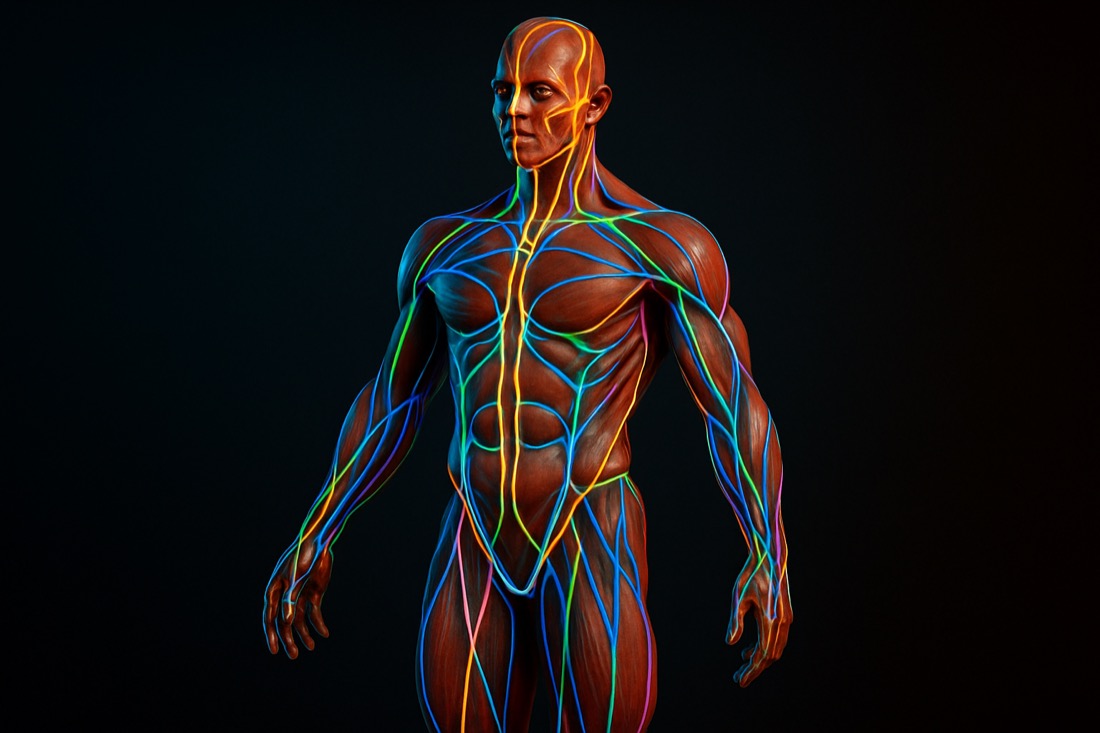
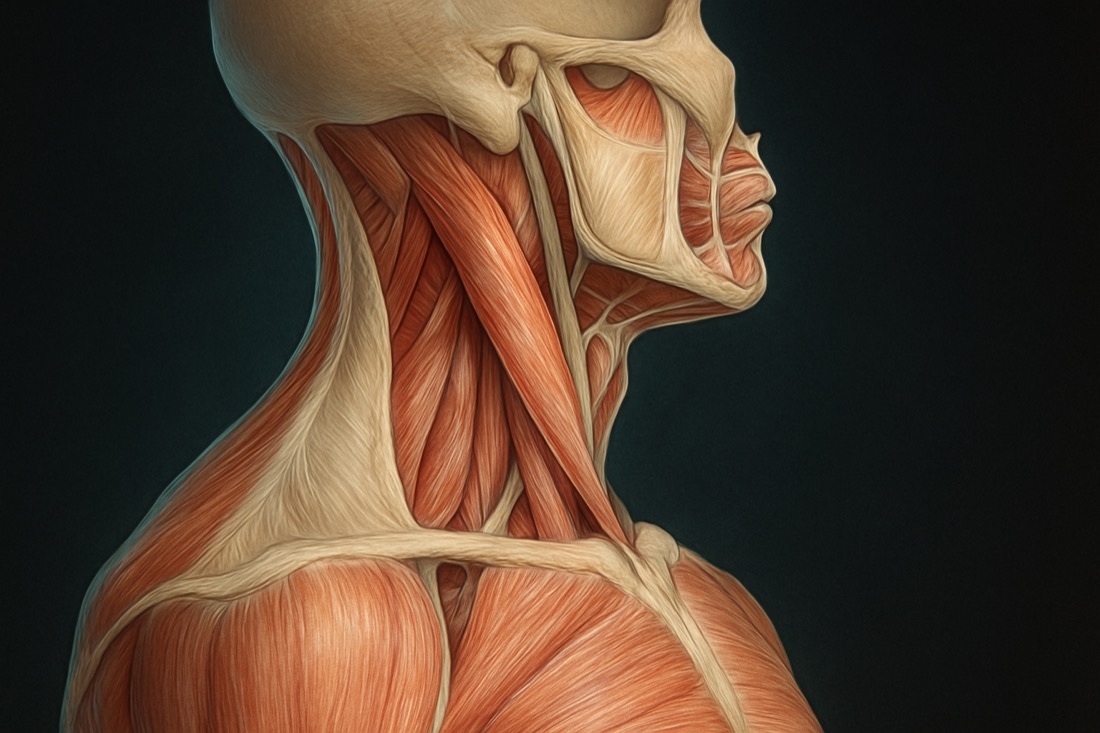
The psoas muscle, part of the iliopsoas group, originates from the lumbar vertebrae and extends to the femur. It plays a crucial role in hip flexion and maintaining upright posture. However, due to modern sedentary lifestyles, the psoas often becomes shortened or inactive, leading to low back pain.
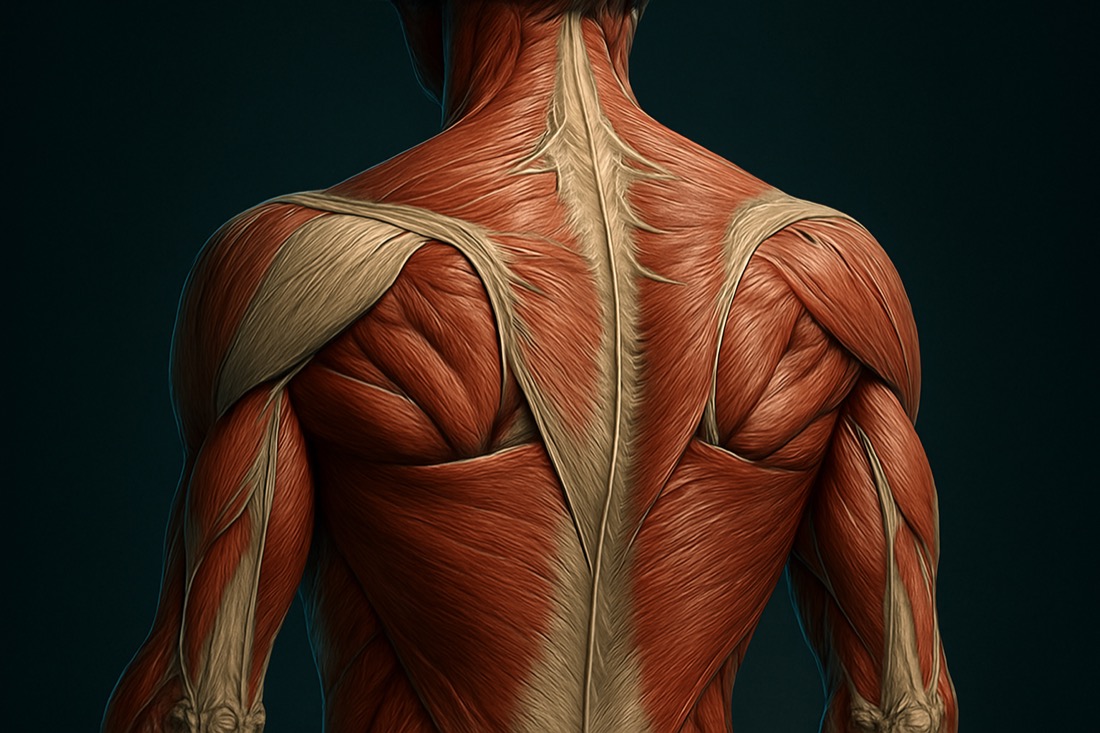
Athletes, particularly sprinters, exhibit a well-developed psoas muscle, which supports powerful leg movements. In contrast, individuals with poor posture or prolonged sitting habits may experience muscle tightness and associated discomfort. Understanding this muscle's function helps in addressing underlying causes of pain.
How does fascia release alleviate low back pain?
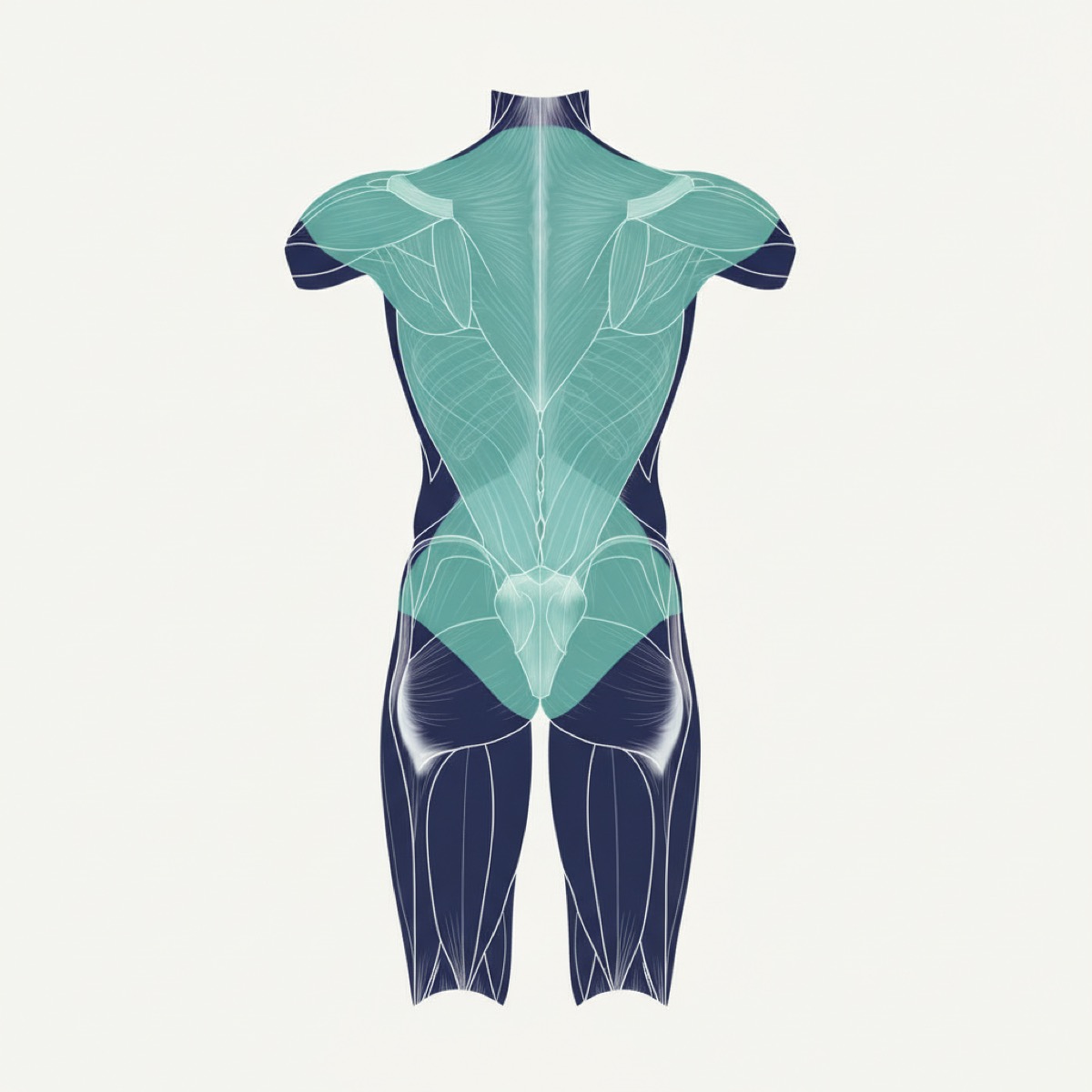
Fascia release targets the connective tissue surrounding muscles, helping to relieve tension and improve flexibility. For the psoas muscle, specific release techniques can reduce adhesions and trigger points that contribute to discomfort.
Self-administered fascia release involves gentle pressure and movement to encourage muscle relaxation. Techniques such as using a fist to apply pressure near the navel and controlled breathing can effectively loosen the psoas, promoting better posture and reducing pain.
Step-by-step guide to self-release techniques
Begin by lying on your back with knees bent. Place your fist beside your navel and apply gentle pressure. Breathe out slowly while rotating your hips side to side. This helps the muscle relax and the tissue to loosen.
Perform this movement about 20 times, ensuring to maintain a slow pace. As you progress, you should feel warmth and increased flexibility in the abdominal area. This technique can be done daily to manage and prevent low back pain.
Who can benefit from psoas fascia release?
Individuals with a sedentary lifestyle, athletes, and those with postural imbalances can benefit from psoas fascia release. It is particularly useful for those experiencing low back pain due to muscle tightness and inactivity.
By incorporating these techniques into your routine, you can enhance your body's natural movement patterns, improve core stability, and potentially alleviate chronic pain. Always consult with a healthcare professional before beginning any self-care regimen.
Frequently asked questions
Is fascia release safe? — Fascia release is generally safe when performed correctly. However, it's important to listen to your body and avoid overexertion. Always consult with a healthcare provider if you have any concerns.
How often should I perform psoas fascia release? — For best results, practice the release technique daily or as needed, depending on your level of discomfort. Consistency is key to achieving long-term benefits.
Can fascia release replace medical treatment? — Fascia release is a complementary approach and should not replace professional medical advice or treatment. It can be part of a holistic strategy to manage pain and improve mobility.
References
- [1]Schleip R. Fascial plasticity — a new neurobiological explanation. J Bodyw Mov Ther. 2003;7(1):11–19.
- [2]Wilke J, Krause F, Vogt L, Banzer W. What Is Evidence-Based About Myofascial Chains? A Systematic Review. Arch Phys Med Rehabil. 2016;97(3):454–461.
- [3]Krause F, Wilke J, Vogt L, Banzer W. Intermuscular force transmission along myofascial chains: a systematic review. J Anat. 2016;228(6):910–918.
- [4]Stecco C, Stern R, Porzionato A, et al. Hyaluronan within fascia in the etiology of myofascial pain. Surg Radiol Anat. 2011;33(10):891–896.
- [5]Ajimsha MS, Al-Mudahka NR, Al-Madzhar JA. Effectiveness of myofascial release: a systematic review of randomized controlled trials. J Bodyw Mov Ther. 2015;19(1):102–112.
- [6]Tozzi P, Bongiorno D, Vitturini C. Fascial release effects on patients with non-specific cervical or lumbar pain. J Bodyw Mov Ther. 2011;15(4):405–416.