Promoting Cerebrospinal Fluid Flow to Instantly Relieve Headaches
Original title (JP): 脳脊髄液の還流を促し、頭痛を一撃で治す手技。

Supervised by
Shogo Fujii
Physiotherapist (PT) · Founder of the SHOGO FUJII® FASCIA METHOD
View profile →Clinical Article · 5 min read
Fascia release for low back pain is gaining attention as an effective technique to alleviate discomfort and headaches. By enhancing cerebrospinal fluid flow, this method targets the underlying causes of pain and tension, offering potential relief for those suffering from these conditions.
Why does low back pain cause headaches?
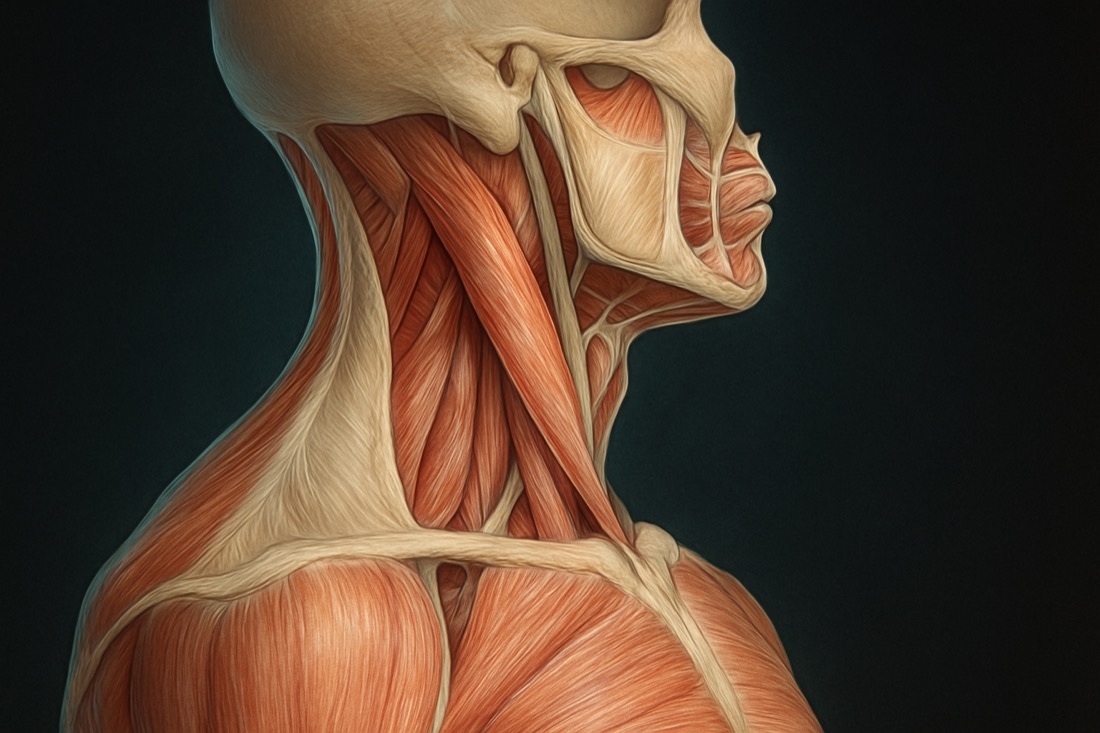
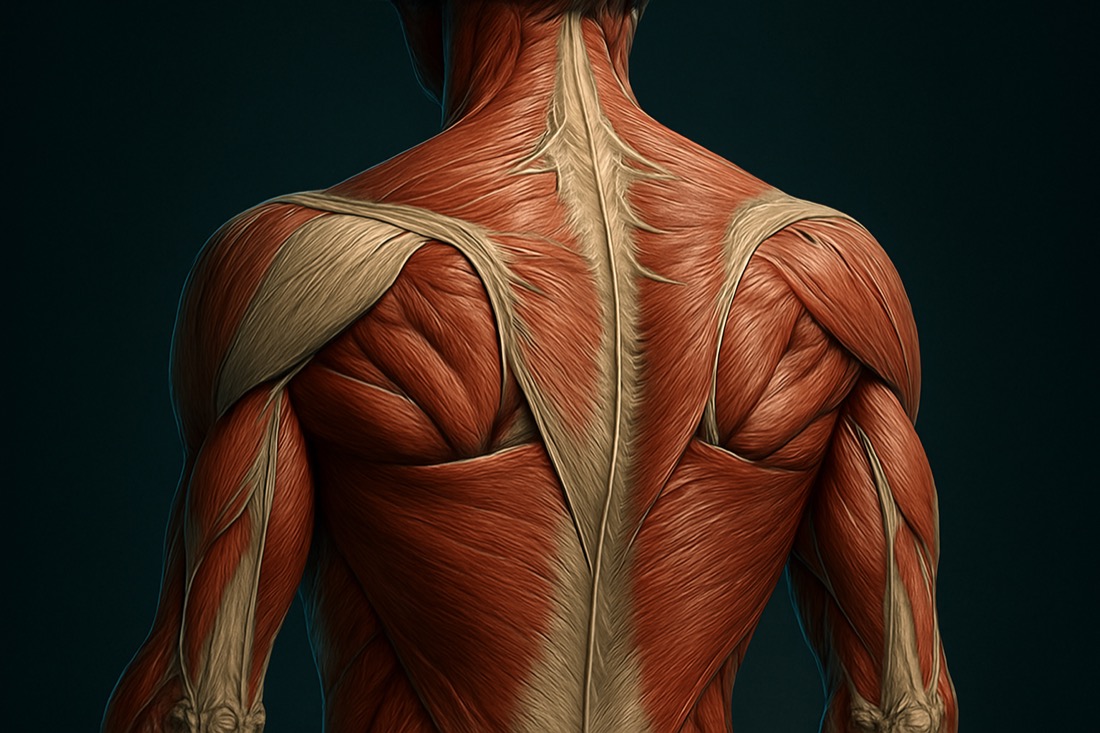
Low back pain and headaches are often interconnected, as tension in the lower back can affect the entire body, including the head. The occipital muscles, located at the base of the skull, can become tense and restrict the flow of cerebrospinal fluid, leading to headaches. Addressing the tension in these muscles may help alleviate headaches [1][2].
In some cases, activities like prolonged sitting or poor posture can exacerbate these issues, leading to what's commonly known as tension headaches. By understanding the relationship between low back pain and headaches, individuals can seek targeted treatments like fascia release to address both symptoms effectively.
How does fascia release work for pain relief?
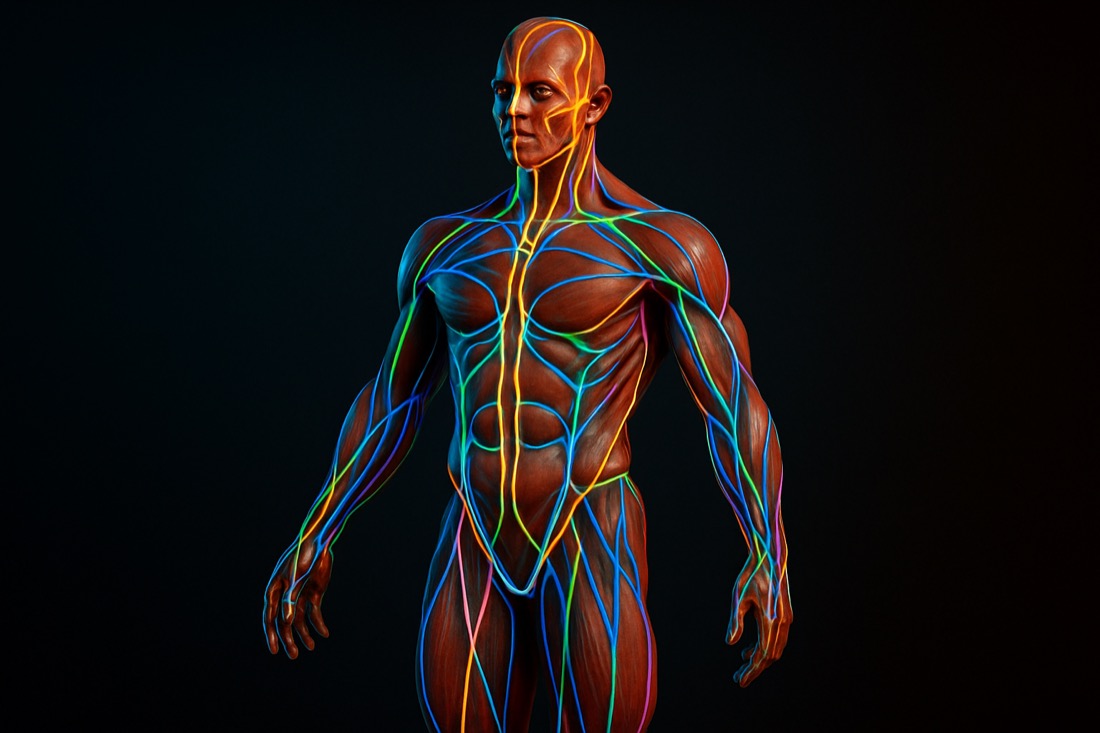
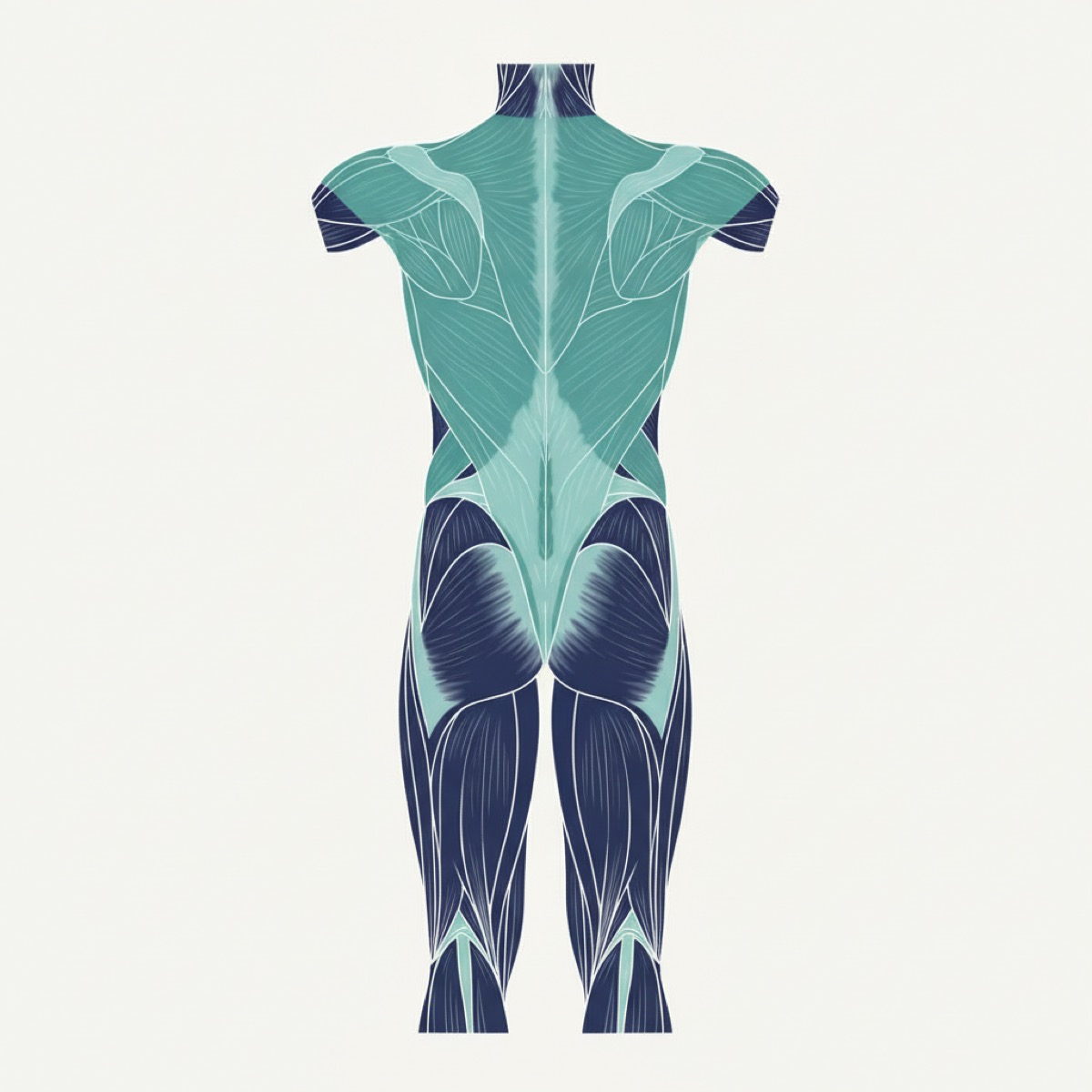
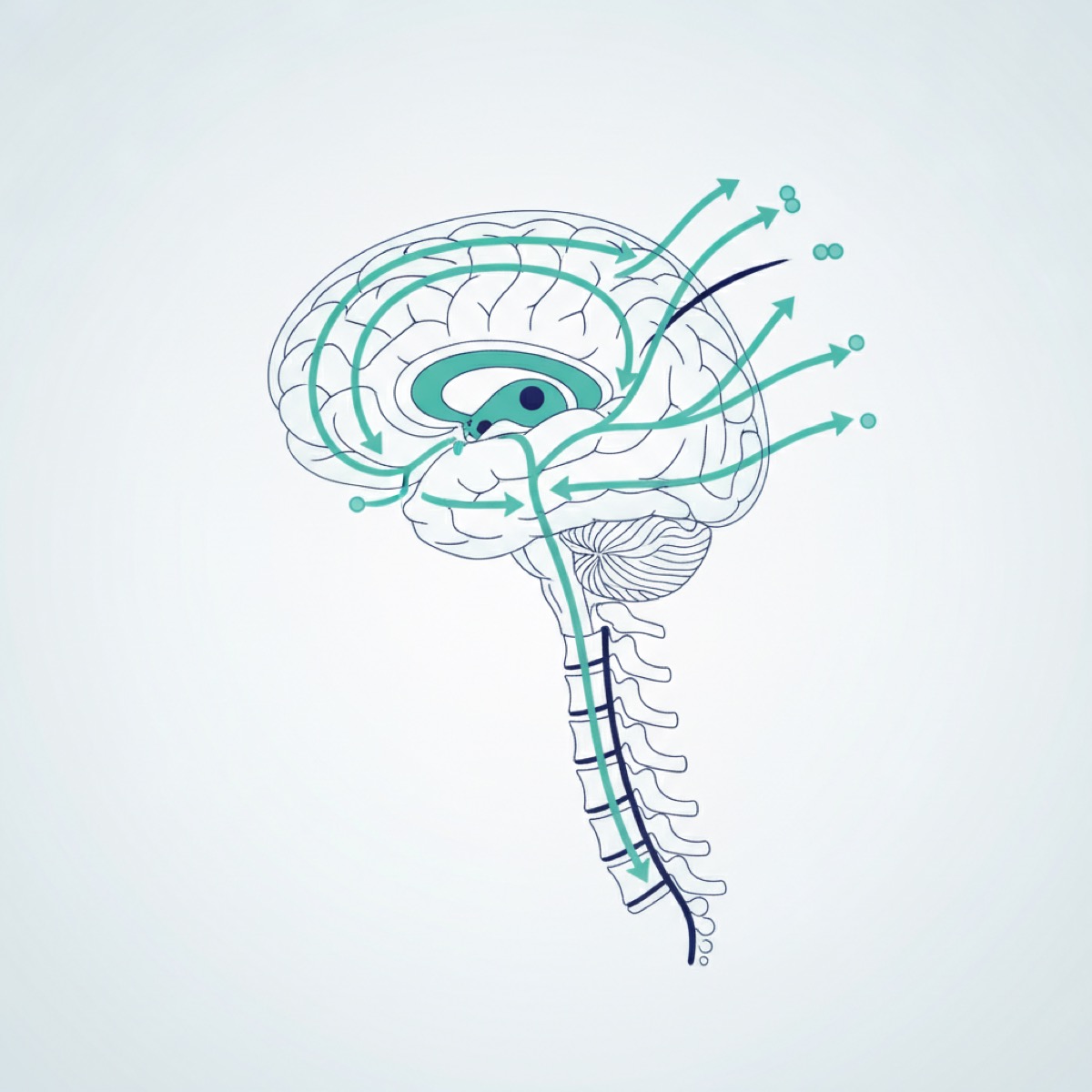
Fascia release focuses on loosening the connective tissues that surround muscles, allowing for improved circulation and reduced tension. This technique can promote the flow of cerebrospinal fluid from the brain to the sacrum, potentially easing headaches and low back pain [3][4].
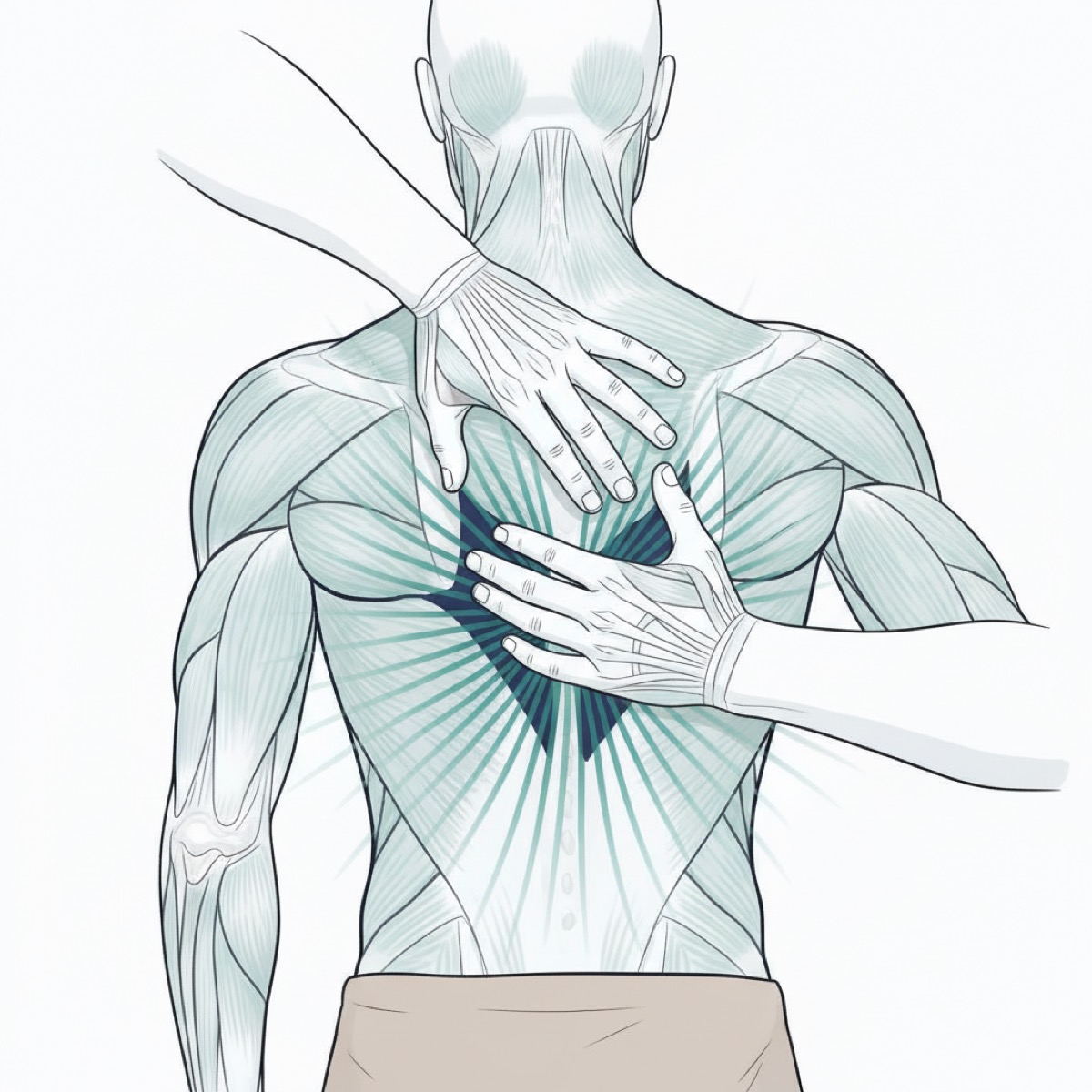
Practitioners often use gentle pressure on specific points, such as the occipital muscles, to encourage relaxation and fluid movement. By targeting these areas, fascia release can help reduce symptoms of brain fog, eye strain, and tension headaches, providing a holistic approach to pain management.
What to expect during a fascia release session
A typical fascia release session may involve the practitioner applying pressure to areas behind the ears and at the base of the skull. This pressure helps release tension in the occipital muscles, potentially improving symptoms like headaches and neck stiffness [5].
Patients might feel immediate relief as the tension dissipates, but it's important to understand that results can vary. Some may experience a sensation of lightness or improved clarity as the cerebrospinal fluid flow is enhanced.
Why enhance cerebrospinal fluid flow?
Cerebrospinal fluid plays a crucial role in cushioning the brain and spinal cord, facilitating nutrient transport and waste removal. Restricted fluid flow can lead to symptoms like headaches and cognitive fog [6].
Enhancing this flow through techniques like fascia release can help alleviate these symptoms, promoting overall well-being. By addressing the root cause of fluid stagnation, individuals may experience reduced pain and better mental clarity.
Frequently asked questions
Is fascia release safe? — Fascia release is generally considered safe when performed by a trained practitioner. It is important to consult with a healthcare provider before starting any new treatment.
Can fascia release cure headaches? — While fascia release can help alleviate symptoms, it is not a guaranteed cure for headaches. It should be used as part of a comprehensive treatment plan.
How often should I receive fascia release therapy? — The frequency of therapy sessions varies based on individual needs and symptoms. Consulting with a therapist can help determine the appropriate schedule.
References
- [1]Langevin HM. Connective tissue: a body-wide signaling network? Med Hypotheses. 2006;66(6):1074–1077.
- [2]Schleip R. Fascial plasticity — a new neurobiological explanation. J Bodyw Mov Ther. 2003;7(1):11–19.
- [3]Wilke J, Krause F, Vogt L, Banzer W. What Is Evidence-Based About Myofascial Chains? A Systematic Review. Arch Phys Med Rehabil. 2016;97(3):454–461.
- [4]Krause F, Wilke J, Vogt L, Banzer W. Intermuscular force transmission along myofascial chains: a systematic review. J Anat. 2016;228(6):910–918.
- [5]Stecco C, Stern R, Porzionato A, et al. Hyaluronan within fascia in the etiology of myofascial pain. Surg Radiol Anat. 2011;33(10):891–896.
- [6]Ajimsha MS, Al-Mudahka NR, Al-Madzhar JA. Effectiveness of myofascial release: a systematic review of randomized controlled trials. J Bodyw Mov Ther. 2015;19(1):102–112.