Beginner Squats: Aim for 50kg to Transform Your Fascia Release
Original title (JP): 初級スクワット まずは50キロを目標にしよう 筋膜リリースが劇的にかわる! #筋膜 #美容 #治し方 #藤井翔悟

Supervised by
Shogo Fujii
Physiotherapist (PT) · Founder of the SHOGO FUJII® FASCIA METHOD
View profile →Clinical Article · 5 min read
Are you looking to enhance your fascia release technique? Incorporating beginner squats into your routine might be the key. By aiming to lift 50kg, you can significantly stabilize your lower body, providing a solid foundation for effective fascia therapy. Whether you're a clinician or an informed patient, understanding the role of strength training in fascia release can transform your approach to pain management.
How can squats improve fascia release?
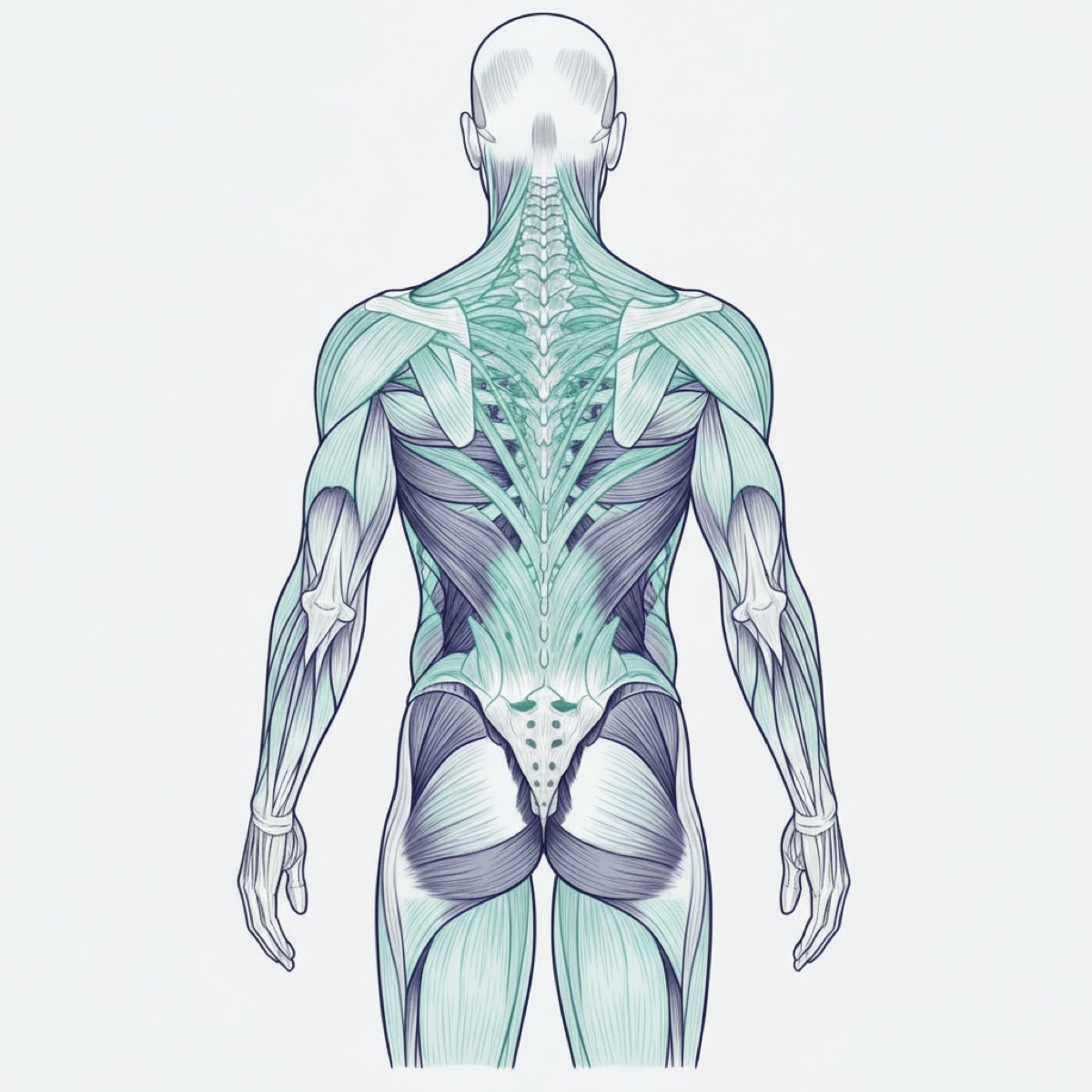
Squats are a powerful exercise that can enhance the stability of the lower body, crucial for effective fascia release. By strengthening the muscles around the hips and knees, squats provide the support necessary to maintain proper posture and alignment during therapy sessions. For those new to this exercise, beginning with a goal of lifting 50kg can help build foundational strength without overstraining the joints [1].
The key to successful fascia release lies in the stability of your stance. When your lower body is strong and balanced, the fascia can be manipulated more effectively, reducing tension and improving mobility. This stability not only aids in therapeutic practices but also enhances everyday movements, making it a valuable addition for both practitioners and patients.
What are the benefits of lifting 50kg?
Aiming to lift 50kg in squats offers a balanced challenge that supports muscle growth and joint stability, essential for those focusing on fascia release. This weight is typically manageable for most individuals without causing undue stress on the knees or hips, provided there are no pre-existing conditions [2].
Achieving this level of strength can lead to improved posture and reduced risk of injury during both physical activity and therapeutic interventions. It is an effective way to prepare the body for more advanced fascia release techniques, ensuring that the muscles and connective tissues can handle the demands placed upon them.
Why is lower body stability important for fascia therapy?
Lower body stability is crucial for fascia therapy because it ensures that the body's alignment is maintained during treatment. This stability allows for more precise and effective manipulation of the fascia, which can lead to better outcomes in terms of pain relief and increased range of motion [3].
When the lower body is unstable, it can lead to compensatory movements that may hinder the effectiveness of fascia release techniques. By focusing on building strength through exercises like squats, clinicians and patients can achieve a more stable foundation, facilitating more successful therapy sessions.
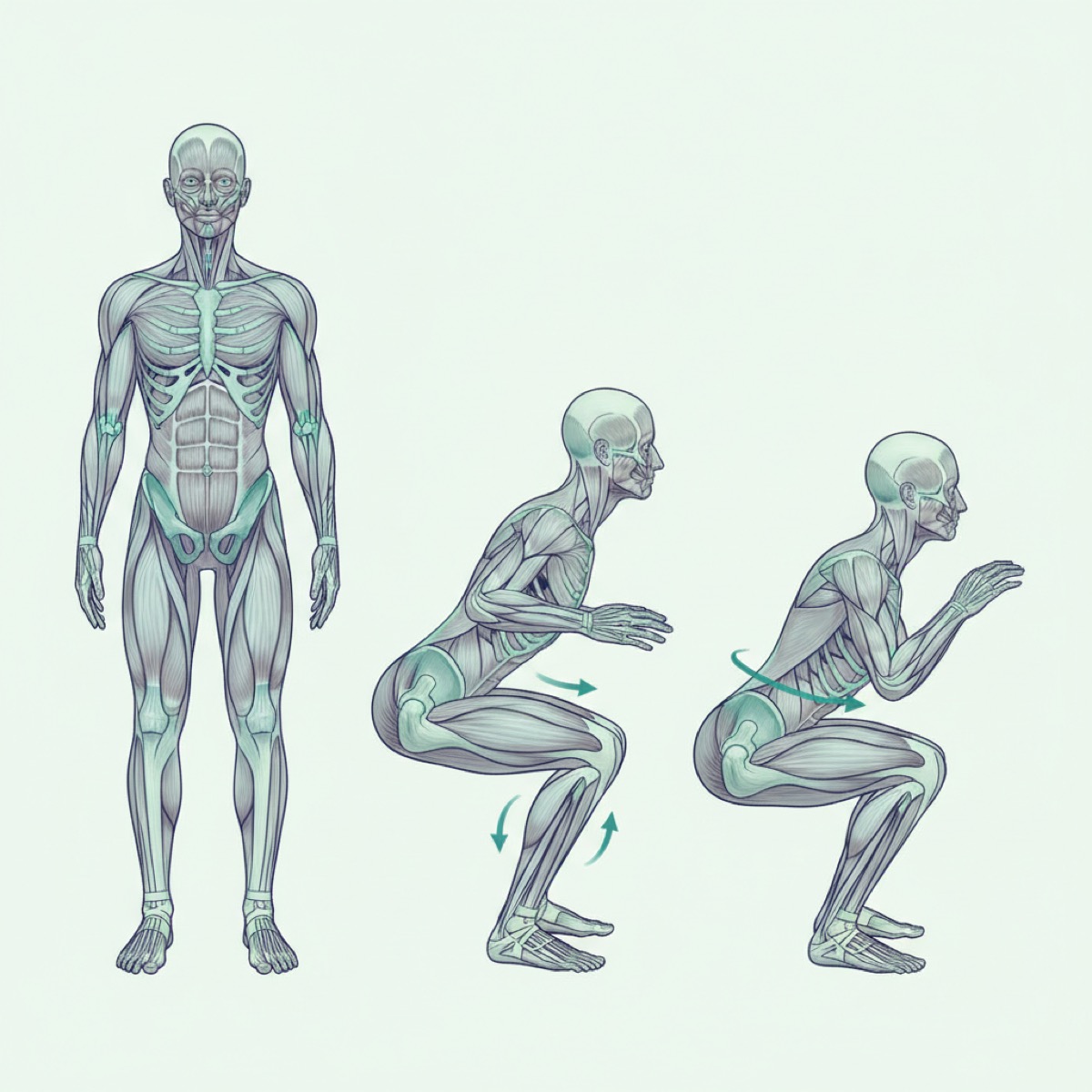
How to safely start a squat routine for fascia release?
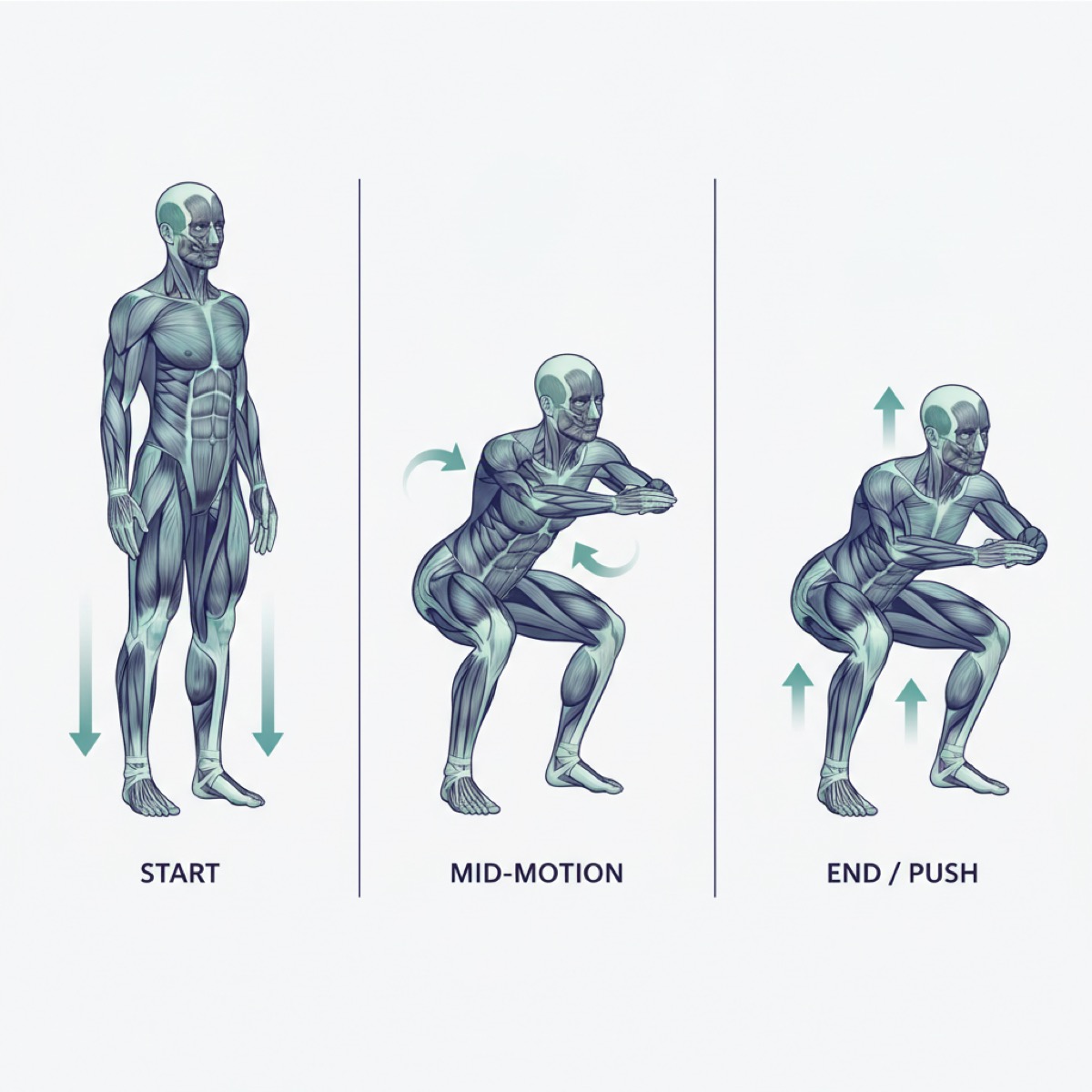
Starting a squat routine aimed at enhancing fascia release should be approached with caution and proper form. Begin with lighter weights, such as 40kg, and gradually increase to 50kg as your strength and confidence improve. Ensure that your knees and hips are pain-free and consult with a physiotherapist if you have any concerns [4].
Proper technique is essential to avoid injury. Keep your back straight, feet shoulder-width apart, and lower your body as if sitting back into a chair. Focus on engaging the core and maintaining alignment throughout the movement. This approach not only protects your joints but also maximizes the benefits of the exercise for fascia therapy.
Frequently asked questions
Is fascia release safe? — Yes, fascia release is generally safe when performed by trained professionals or with proper guidance. It is important to ensure that the techniques used are appropriate for your specific condition [5].
Can squats help with myofascial pain? — Squats can help stabilize the lower body, which may support other treatments for myofascial pain by providing a solid foundation for therapy [6]. However, they should be part of a comprehensive treatment plan.
How often should I do squats for fascia release? — It is recommended to incorporate squats into your routine 2-3 times per week, allowing for rest days in between to promote muscle recovery and prevent overuse injuries.
References
- [1]Palomeque-del-Cerro L, Arráez-Aybar LA, Rodríguez-Blanco C, et al. A systematic review of the soft-tissue connections between neck muscles and dura mater: the myodural bridge. Spine. 2017;42(1):49–54.
- [2]Woolf CJ. Central sensitization: implications for the diagnosis and treatment of pain. Pain. 2011;152(3 Suppl):S2–S15.
- [3]Tracey KJ. The inflammatory reflex. Nature. 2002;420(6917):853–859.
- [4]Mayer EA. Gut feelings: the emerging biology of gut–brain communication. Nat Rev Neurosci. 2011;12(8):453–466.
- [5]Cryan JF, Dinan TG. Mind-altering microorganisms: the impact of the gut microbiota on brain and behaviour. Nat Rev Neurosci. 2012;13(10):701–712.
- [6]Guo R, Chen LH, Xing C, Liu T. Pain regulation by gut microbiota: molecular mechanisms and therapeutic potential. Br J Anaesth. 2019;123(5):637–654.