Instant Relief for Frozen Shoulder
Original title (JP): 五十肩を一発で治す #藤井翔悟 #美容 #医師 #筋膜 #筋膜整体

Supervised by
Shogo Fujii
Physiotherapist (PT) · Founder of the SHOGO FUJII® FASCIA METHOD
View profile →Clinical Article · 5 min read
If you’re searching for effective ways to relieve frozen shoulder, fascia release may offer the solution you need. This technique targets the deep layers of connective tissue, helping to alleviate the stiffness and pain often associated with this condition. By focusing on specific areas, fascia release can improve shoulder mobility and provide much-needed relief.
How does fascia release help with frozen shoulder?
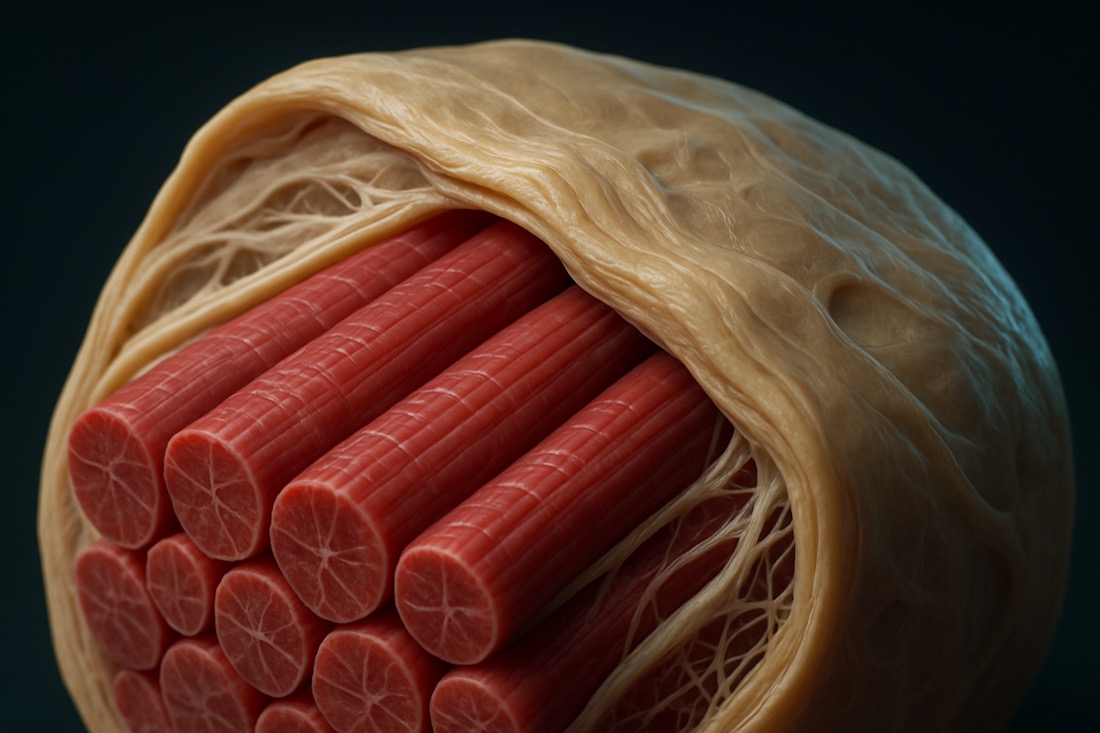
Fascia release is a therapeutic technique designed to reduce tension and adhesions in the connective tissues surrounding muscles and joints. In cases of frozen shoulder, these adhesions can severely limit mobility and cause significant discomfort. By applying targeted pressure and gentle manipulation, fascia release helps to break down these adhesions, facilitating increased range of motion and reduced pain [1][2].
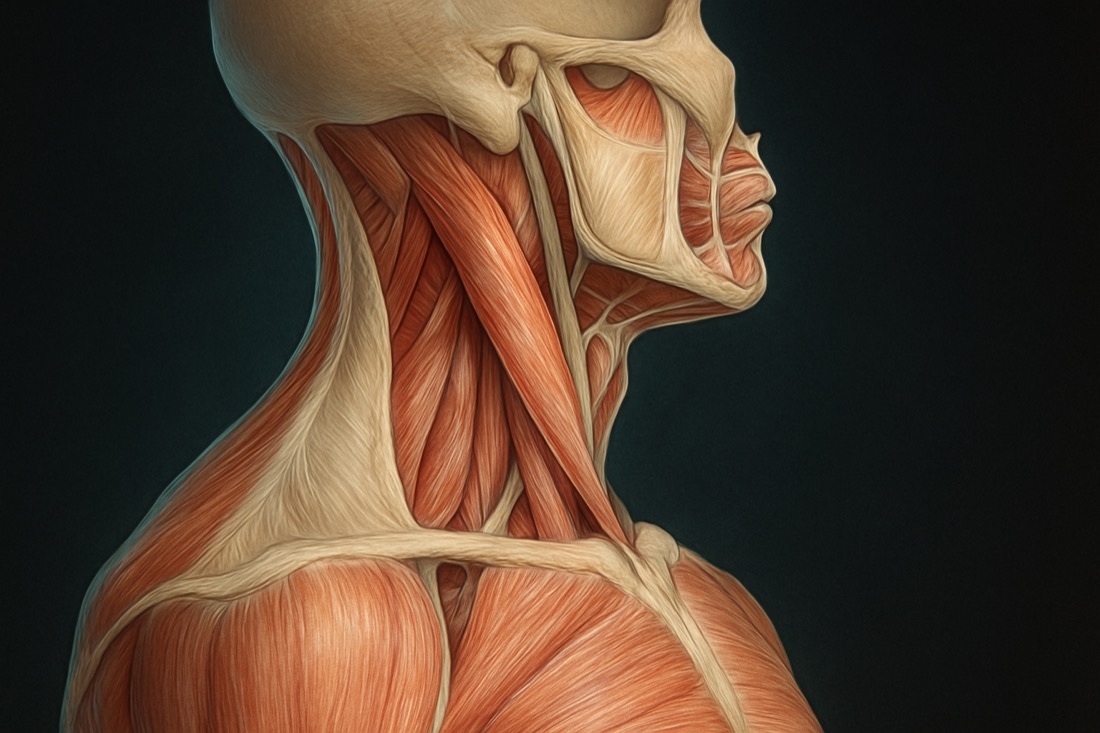
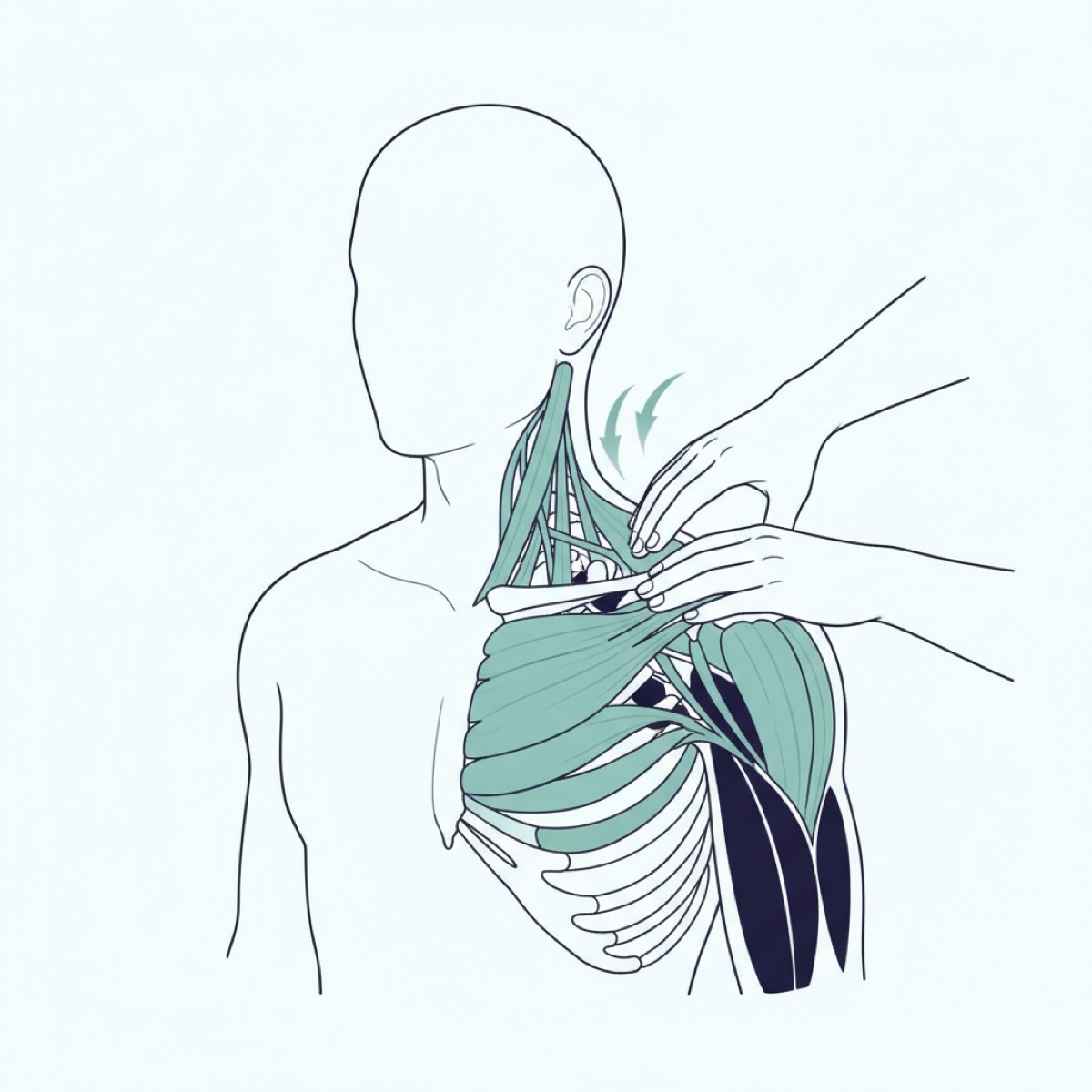
In the video by Shogo Fujii, the focus is on releasing tension around the neck and shoulder area, particularly in the radial and adductor muscles. The technique involves gently holding and rotating the affected shoulder to facilitate release. This method aims to improve circulation and flexibility, allowing the shoulder to move more freely and comfortably.
What are the benefits of fascia release for shoulder pain?
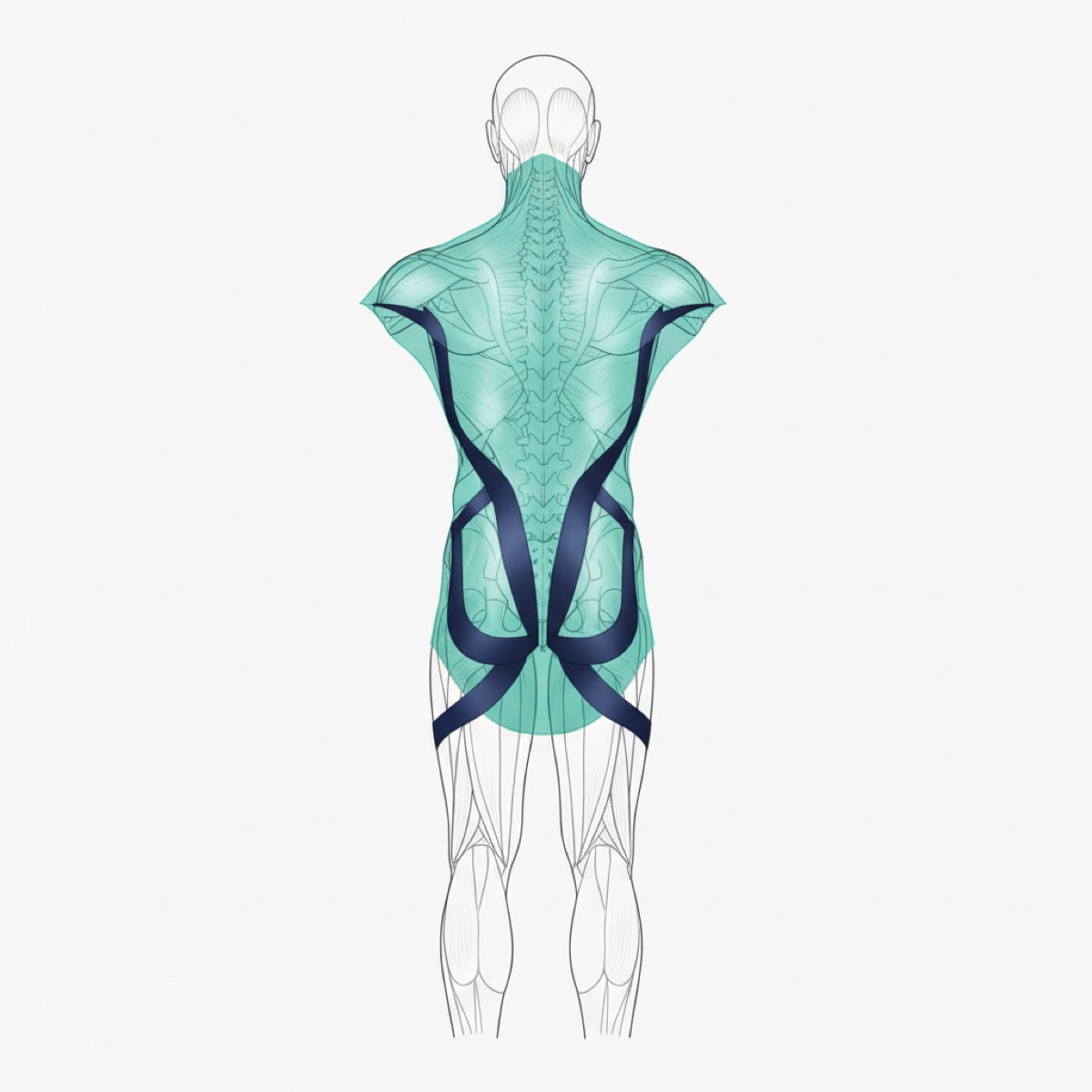
The primary benefit of fascia release for shoulder pain is the improvement in mobility and reduction in pain. Patients often report a significant increase in their arm's range of motion after a session. This is because releasing the fascia allows muscles to function more efficiently, reducing the strain on the shoulder joint [3].
Additionally, fascia release can enhance overall muscle function, leading to better posture and less stress on the shoulder and neck. By addressing the root cause of the tension, this therapy can provide long-term relief and prevent future stiffness [4].
What to expect during a fascia release session?
During a fascia release session, the practitioner will assess the areas of tightness and adhesions around your shoulder. The process is usually gentle, focusing on applying sustained pressure to specific points to encourage the fascia to release [5].
The practitioner may use their hands to perform circular motions around the shoulder, as demonstrated by Shogo Fujii. This helps to gradually loosen the tissues, making the shoulder feel lighter and more relaxed. Patients often feel immediate relief, although several sessions may be necessary for lasting results.
Are there any risks associated with fascia release?
Fascia release is generally considered safe when performed by a trained professional. However, it is important to communicate any discomfort during the session, as the pressure should be adjusted to suit your tolerance level [6].
Some patients may experience mild soreness after a session, similar to what you might feel after a workout. This is typically temporary and subsides within a day or two. Ensuring that your therapist is certified and experienced can minimize any potential risks.

Frequently asked questions
Is fascia release safe for everyone? — Fascia release is safe for most individuals, but those with specific medical conditions should consult their healthcare provider before starting therapy.
How many sessions are needed for effective relief? — The number of sessions varies based on individual needs, but many patients notice improvement after 3-5 sessions.
Can I do fascia release at home? — While some techniques can be practiced at home, it is advisable to start with a professional to ensure proper technique and safety.
References
- [1]Langevin HM. Connective tissue: a body-wide signaling network? Med Hypotheses. 2006;66(6):1074–1077.
- [2]Schleip R. Fascial plasticity — a new neurobiological explanation. J Bodyw Mov Ther. 2003;7(1):11–19.
- [3]Wilke J, Krause F, Vogt L, Banzer W. What Is Evidence-Based About Myofascial Chains? A Systematic Review. Arch Phys Med Rehabil. 2016;97(3):454–461.
- [4]Krause F, Wilke J, Vogt L, Banzer W. Intermuscular force transmission along myofascial chains: a systematic review. J Anat. 2016;228(6):910–918.
- [5]Stecco C, Stern R, Porzionato A, et al. Hyaluronan within fascia in the etiology of myofascial pain. Surg Radiol Anat. 2011;33(10):891–896.
- [6]Ajimsha MS, Al-Mudahka NR, Al-Madzhar JA. Effectiveness of myofascial release: a systematic review of randomized controlled trials. J Bodyw Mov Ther. 2015;19(1):102–112.