Instant Pain Relief with Shogo Fujii's Fascial Release Techniques
Original title (JP): 整体で治さなかった痛みを、藤井翔悟の筋膜リリースで一回で治す! #筋膜 #治し方 #藤井翔悟

Supervised by
Shogo Fujii
Physiotherapist (PT) · Founder of the SHOGO FUJII® FASCIA METHOD
View profile →Clinical Article · 5 min read
Fascia release for neck pain can significantly improve mobility and reduce discomfort. Shogo Fujii's innovative techniques focus on manipulating key points to alleviate pain and enhance flexibility. By understanding the interconnectedness of fascia, patients and clinicians can achieve noticeable improvements in movement and comfort.
How does fascia release alleviate neck pain?
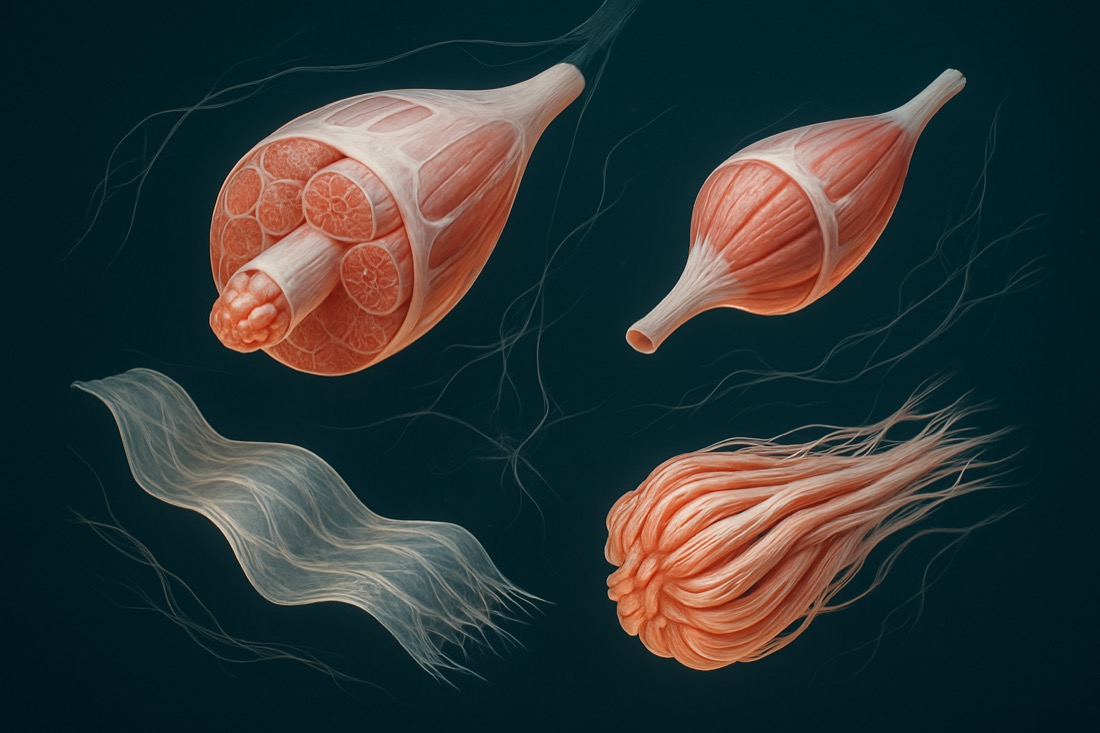
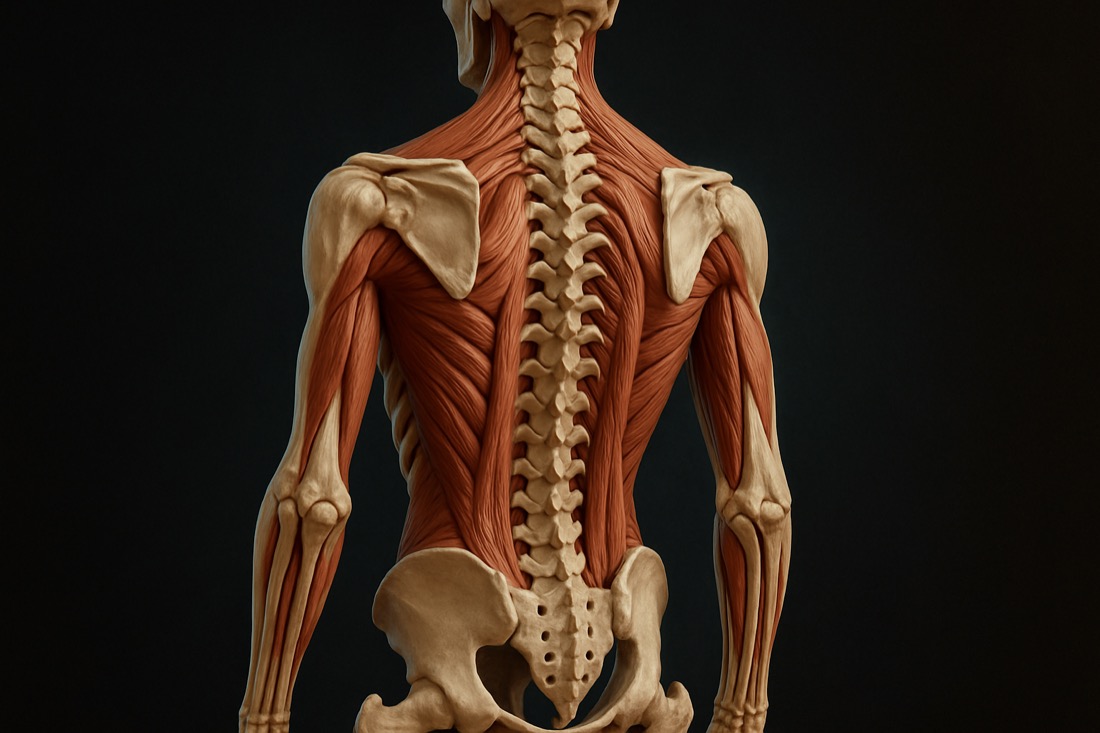
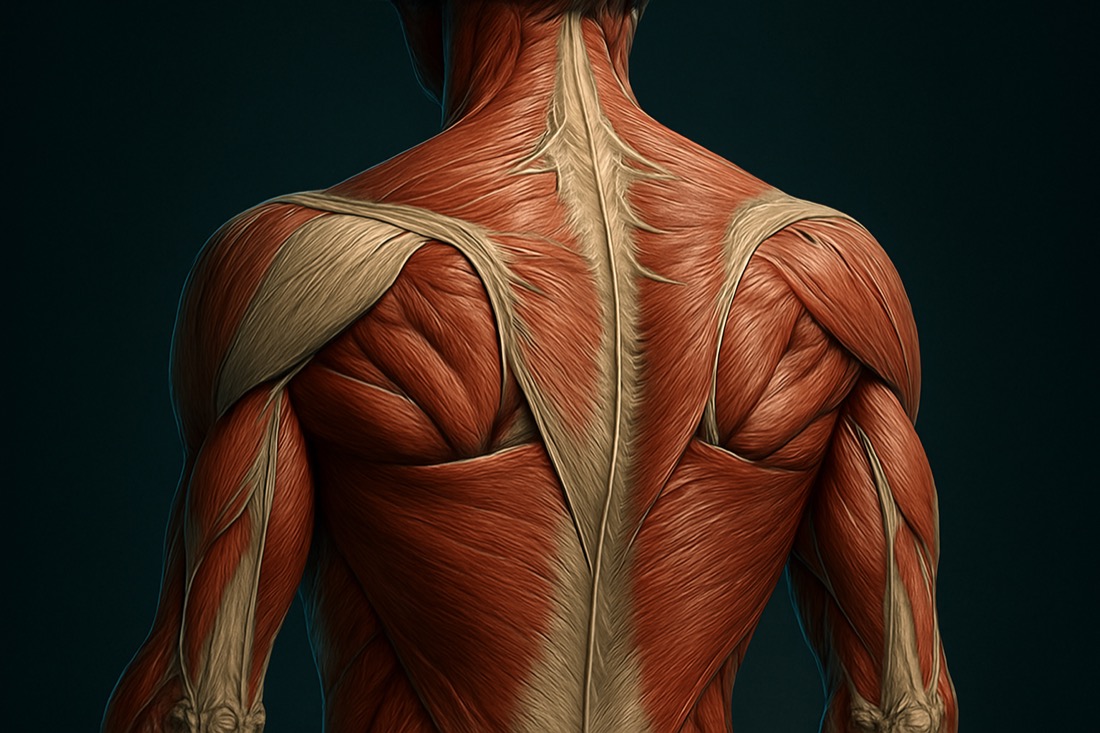
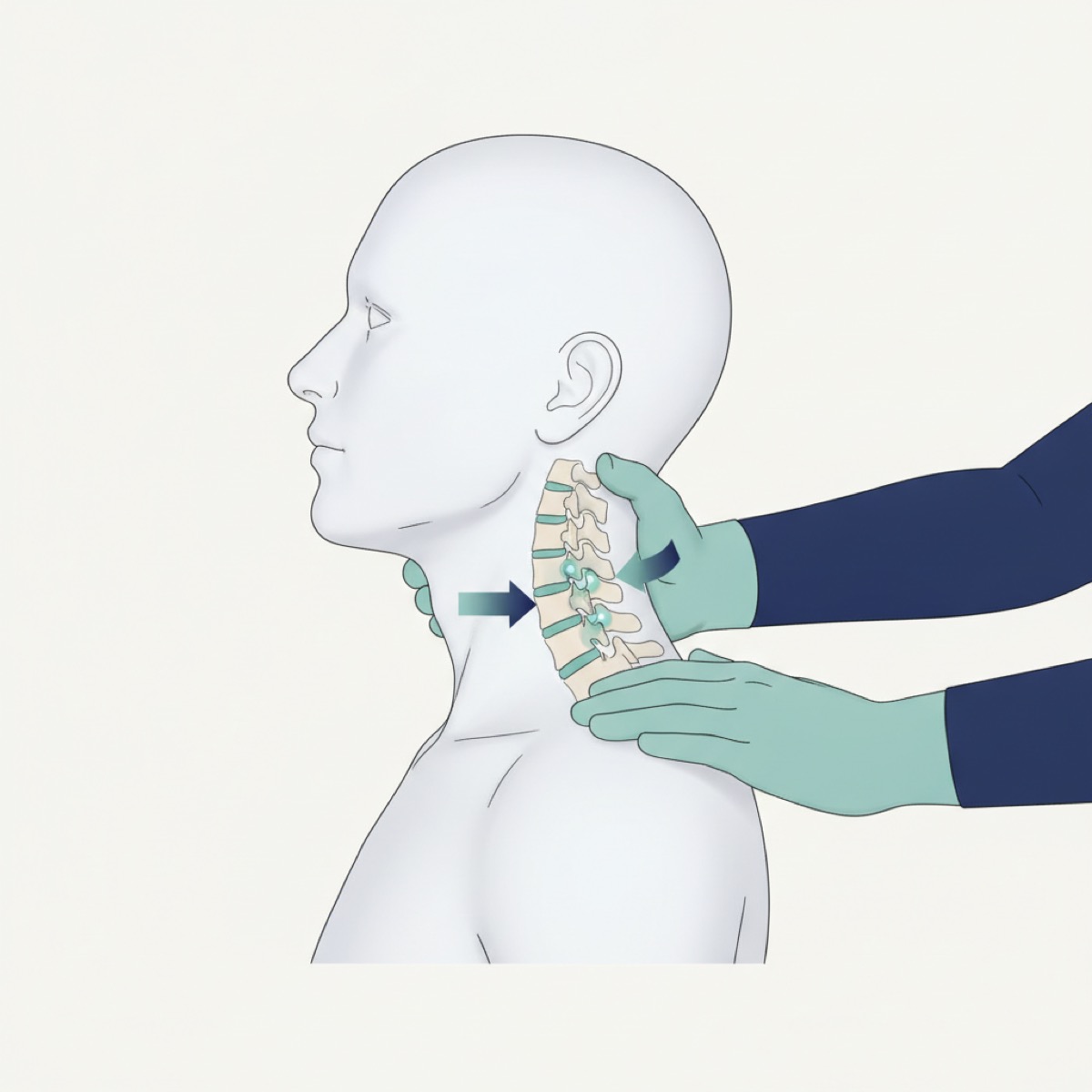
Fascia release techniques target the connective tissue surrounding muscles and organs, which can become tight and restrict movement. In the video by Shogo Fujii, the focus is on the mastoid process behind the neck, where gentle manipulation can help realign cervical vertebrae. This process reduces tension in the neck and shoulders, often the source of pain [1][2].
By applying pressure to specific points like the Baihui acupoint on the top of the head, Fujii demonstrates how these techniques can further relax the fascia. This targeted approach allows for a more comprehensive release, promoting better posture and reducing pain symptoms [3].
What techniques are used in fascia release?
Fujii employs a combination of pressure application and gentle movement to facilitate fascia release. For example, he instructs patients to lean back and stretch while applying light pressure to the head. This helps in easing the tension along the spinal column and neck area [4].
Additionally, manipulating the ears is shown to have a warming effect on the back, indicating increased blood flow and relaxation of the fascia. These simple yet effective techniques require minimal equipment and can be easily incorporated into regular physiotherapy sessions.
Why do these techniques improve mobility?
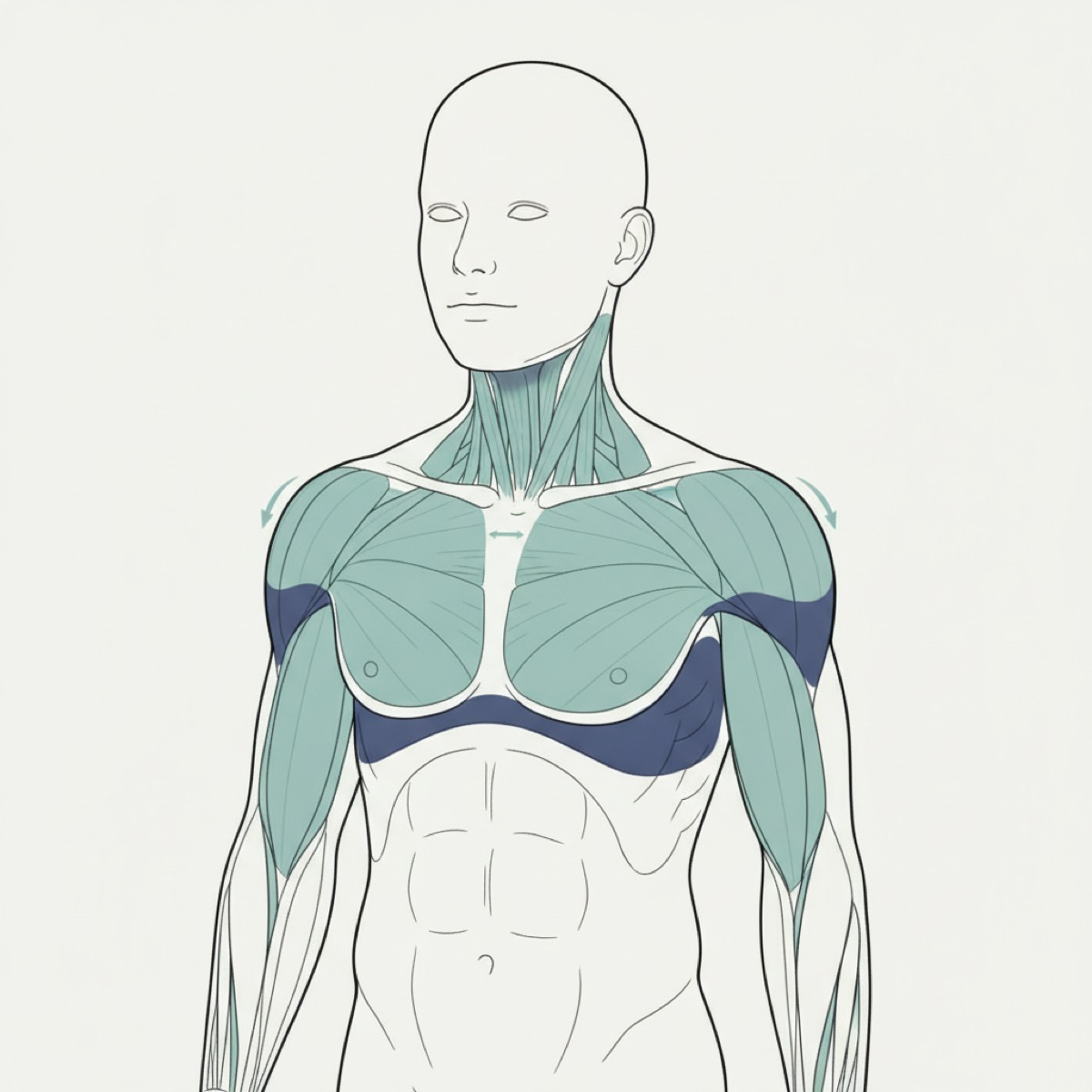
The interconnected nature of fascia means that tension in one area can affect movement throughout the body. By focusing on key points like the cervical spine and acupressure points, Fujii's techniques help in releasing restrictions, thus enhancing overall mobility [5].
Patients often report feeling looser and experiencing a greater range of motion after undergoing these fascia release techniques. This is because releasing fascial tension can often lead to immediate improvements in flexibility and reduction in pain sensations.
What can patients expect after fascia release?
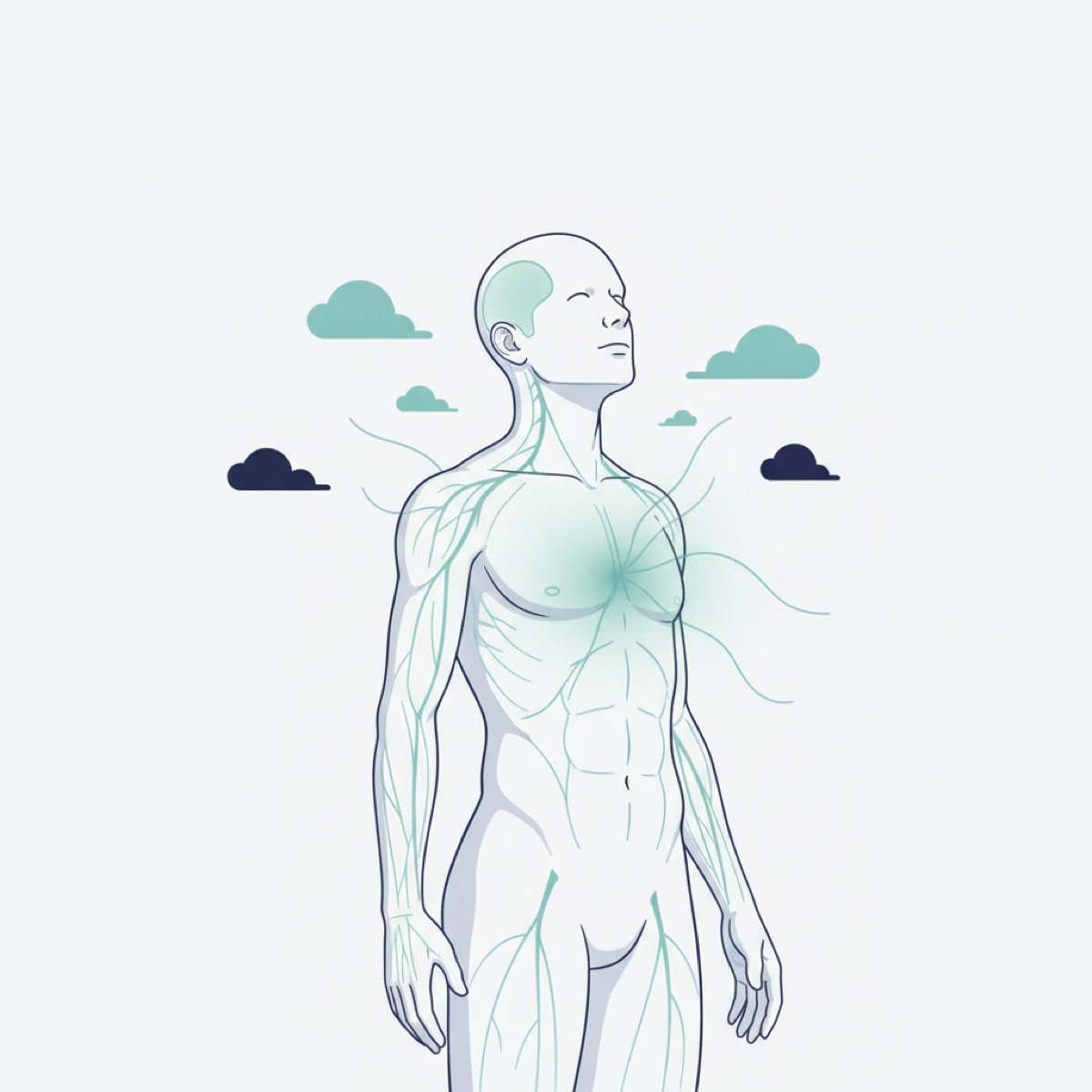
Patients may notice immediate changes in their posture and a reduction in pain. The warmth in the back noted by Fujii's patients suggests increased circulation, which aids in the healing process and further relieves tension [6].
After a session of fascia release, it is common for patients to experience a sense of lightness and ease of movement. This therapeutic approach not only addresses the symptoms but also targets the underlying fascial restrictions that contribute to chronic discomfort.
Frequently asked questions
Is fascia release safe? — Fascia release is generally considered safe when performed by a trained professional. It involves gentle techniques that aim to improve mobility and reduce pain without causing harm.
How often should fascia release be done? — The frequency of fascia release sessions depends on individual needs and the severity of symptoms. Consult with a physiotherapist to develop a personalized plan.
Can fascia release be self-administered? — While some techniques can be performed at home, it is advisable to seek guidance from a professional to ensure proper technique and avoid injury.
References
- [1]Krause F, Wilke J, Vogt L, Banzer W. Intermuscular force transmission along myofascial chains: a systematic review. J Anat. 2016;228(6):910–918.
- [2]Stecco C, Stern R, Porzionato A, et al. Hyaluronan within fascia in the etiology of myofascial pain. Surg Radiol Anat. 2011;33(10):891–896.
- [3]Ajimsha MS, Al-Mudahka NR, Al-Madzhar JA. Effectiveness of myofascial release: a systematic review of randomized controlled trials. J Bodyw Mov Ther. 2015;19(1):102–112.
- [4]Tozzi P, Bongiorno D, Vitturini C. Fascial release effects on patients with non-specific cervical or lumbar pain. J Bodyw Mov Ther. 2011;15(4):405–416.
- [5]Zügel M, Maganaris CN, Wilke J, et al. Fascial tissue research in sports medicine: from molecules to tissue adaptation, injury and diagnostics: consensus statement. Br J Sports Med. 2018;52(23):1497.
- [6]Klingler W, Velders M, Hoppe K, Pedro M, Schleip R. Clinical relevance of fascial tissue and dysfunctions. Curr Pain Headache Rep. 2014;18(8):439.