Challenging Limits: Shogo Fujii's Journey to Bench Press 70kg
Original title (JP): 日々限界に挑む、藤井翔悟日記 ベンチ70キロに挑戦 #筋膜 #治し方 #藤井翔悟

Supervised by
Shogo Fujii
Physiotherapist (PT) · Founder of the SHOGO FUJII® FASCIA METHOD
View profile →Clinical Article · 5 min read
Fascia therapy is gaining traction among fitness enthusiasts for its role in enhancing muscle growth and performance. Shogo Fujii, a passionate advocate, demonstrates its potential by challenging his limits in a 70kg bench press session. This article explores how fascia therapy can support your strength training goals.
What is fascia therapy and how does it help muscle growth?
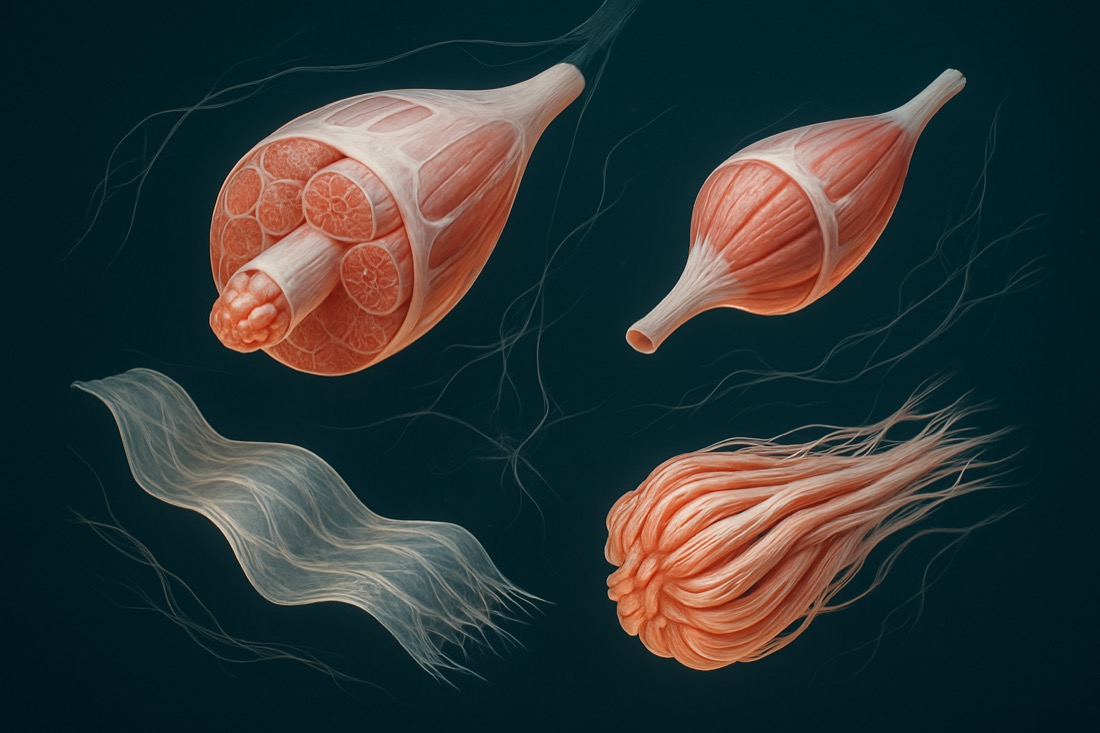
Fascia therapy focuses on the connective tissues that surround and support muscles, playing a crucial role in muscle function and recovery. By maintaining the flexibility and health of these tissues, fascia therapy can enhance muscle growth and performance. Shogo Fujii illustrates this by pushing his physical boundaries during a bench press session, where his fascia health significantly contributes to his strength gains.
Incorporating fascia therapy into your workout routine may lead to improved muscle hypertrophy. This is achieved by ensuring that the fascia is not restricting muscle expansion during strength training exercises. Regular fascia work can aid in preventing injuries and promoting overall muscle resilience, making it a valuable component of any fitness regimen.
How can fascia therapy enhance your bench press performance?
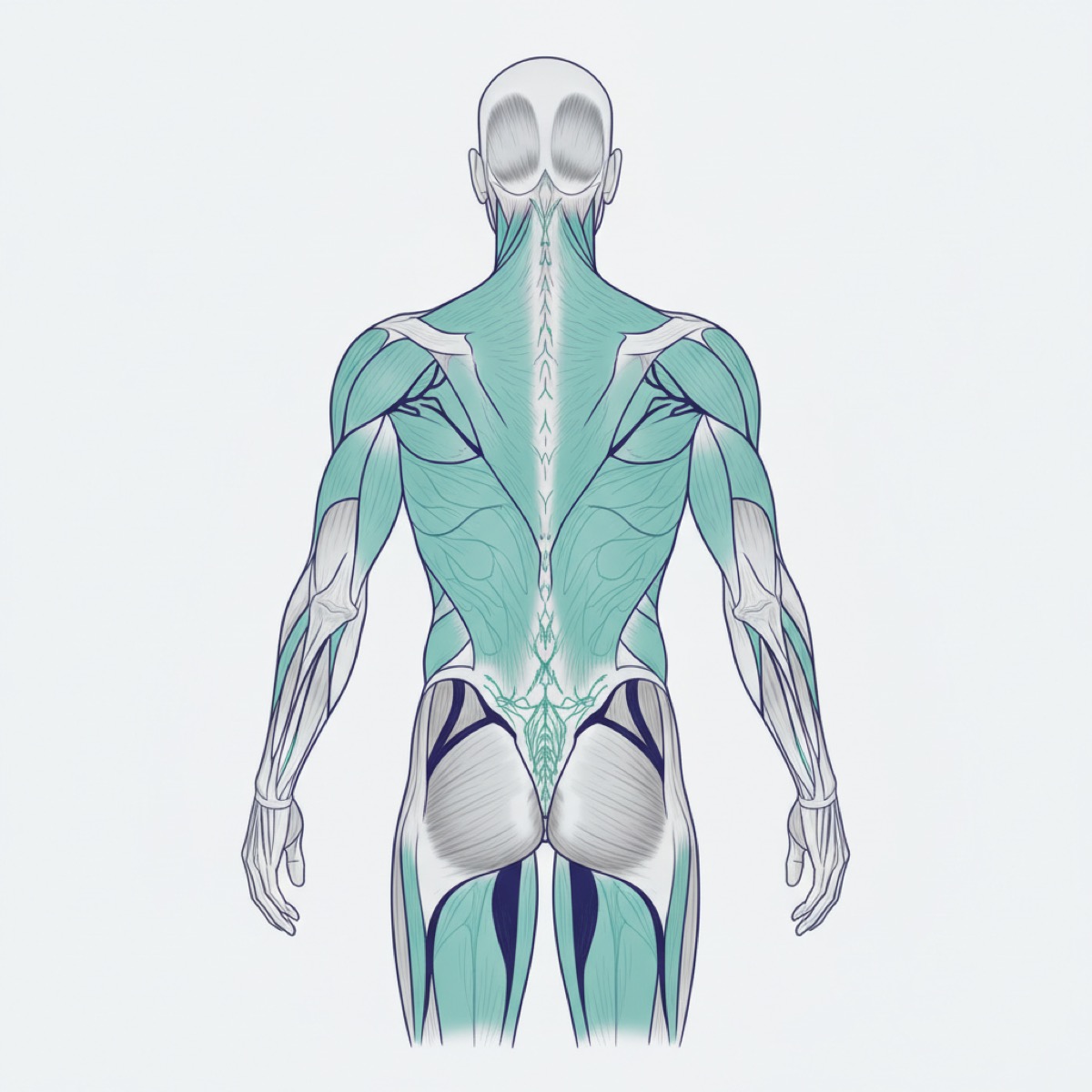
Fascia therapy can be particularly beneficial for those looking to enhance their bench press performance. By ensuring that the fascia is pliable and not overly tight, athletes can achieve a greater range of motion and improved muscle activation during lifts. This was evident in Shogo Fujii's training, where he aimed to bench press 70kg, relying on fascia health to maximize his strength.
Through consistent fascia therapy, individuals can experience enhanced blood flow to the muscles, reduced stiffness, and quicker recovery times. These benefits collectively contribute to better performance in strength training exercises, including the bench press, allowing for gradual increases in weight and improved muscle gains.
Why should you incorporate fascia therapy into your fitness routine?
Integrating fascia therapy into your fitness routine can offer numerous advantages beyond just muscle growth. It helps in maintaining overall body balance and preventing muscle imbalances that could lead to injuries. Shogo Fujii's approach to fascia therapy exemplifies how it supports not only strength but also longevity in training.
Fascia therapy can also enhance your proprioception, or body awareness, which is crucial for performing exercises with correct form. Better technique reduces the risk of injury and ensures that you are targeting the intended muscle groups effectively. This holistic approach to fitness can lead to sustained improvements and greater athletic performance.
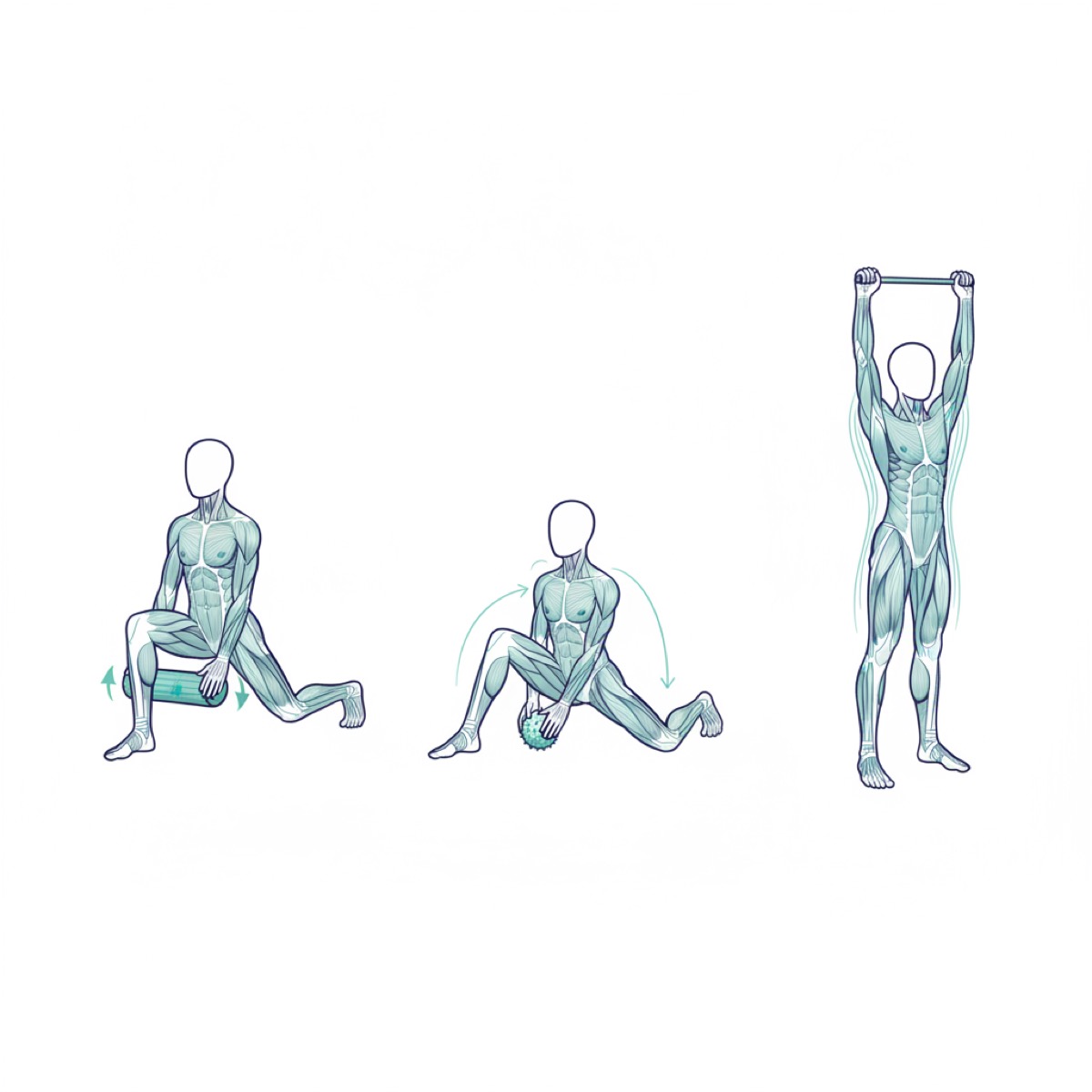
What are the benefits of repeating high-intensity sets?
Repeating high-intensity sets, as demonstrated by Shogo Fujii, can lead to significant muscle hypertrophy. By pushing the muscles to their limits repeatedly, individuals can stimulate muscle growth and strength gains. Fujii's routine of performing 5 to 6 reps until failure showcases the effectiveness of this training strategy.
This approach not only builds muscle but also enhances endurance and mental toughness. By continuously challenging the body's limits, you can achieve progressive overload, a key principle in strength training. Fascia therapy supports this by ensuring that the muscles and connective tissues recover efficiently between sessions.
Frequently asked questions
Is fascia therapy safe? — Fascia therapy is generally safe when performed correctly and can be beneficial for most individuals. However, it is important to consult with a qualified therapist to ensure techniques are appropriate for your needs.
Can fascia therapy prevent injuries? — Yes, by improving flexibility and range of motion, fascia therapy can help prevent injuries related to muscle tightness and imbalances. It supports muscle health and resilience during physical activities.
How often should I perform fascia therapy? — The frequency of fascia therapy depends on individual goals and physical demands. It can be integrated into weekly routines, with adjustments based on workout intensity and recovery needs.
References
- [1]Krause F, Wilke J, Vogt L, Banzer W. Intermuscular force transmission along myofascial chains: a systematic review. J Anat. 2016;228(6):910–918.
- [2]Stecco C, Stern R, Porzionato A, et al. Hyaluronan within fascia in the etiology of myofascial pain. Surg Radiol Anat. 2011;33(10):891–896.
- [3]Ajimsha MS, Al-Mudahka NR, Al-Madzhar JA. Effectiveness of myofascial release: a systematic review of randomized controlled trials. J Bodyw Mov Ther. 2015;19(1):102–112.
- [4]Tozzi P, Bongiorno D, Vitturini C. Fascial release effects on patients with non-specific cervical or lumbar pain. J Bodyw Mov Ther. 2011;15(4):405–416.
- [5]Zügel M, Maganaris CN, Wilke J, et al. Fascial tissue research in sports medicine: from molecules to tissue adaptation, injury and diagnostics: consensus statement. Br J Sports Med. 2018;52(23):1497.
- [6]Klingler W, Velders M, Hoppe K, Pedro M, Schleip R. Clinical relevance of fascial tissue and dysfunctions. Curr Pain Headache Rep. 2014;18(8):439.