Instant Relief for Sitting Pain: Fascia Release Techniques
Original title (JP): 座位の痛みを一撃で治す筋膜リリーステクニック #筋膜 #藤井翔悟 #自費診療

Supervised by
Shogo Fujii
Physiotherapist (PT) · Founder of the SHOGO FUJII® FASCIA METHOD
View profile →Clinical Article · 5 min read
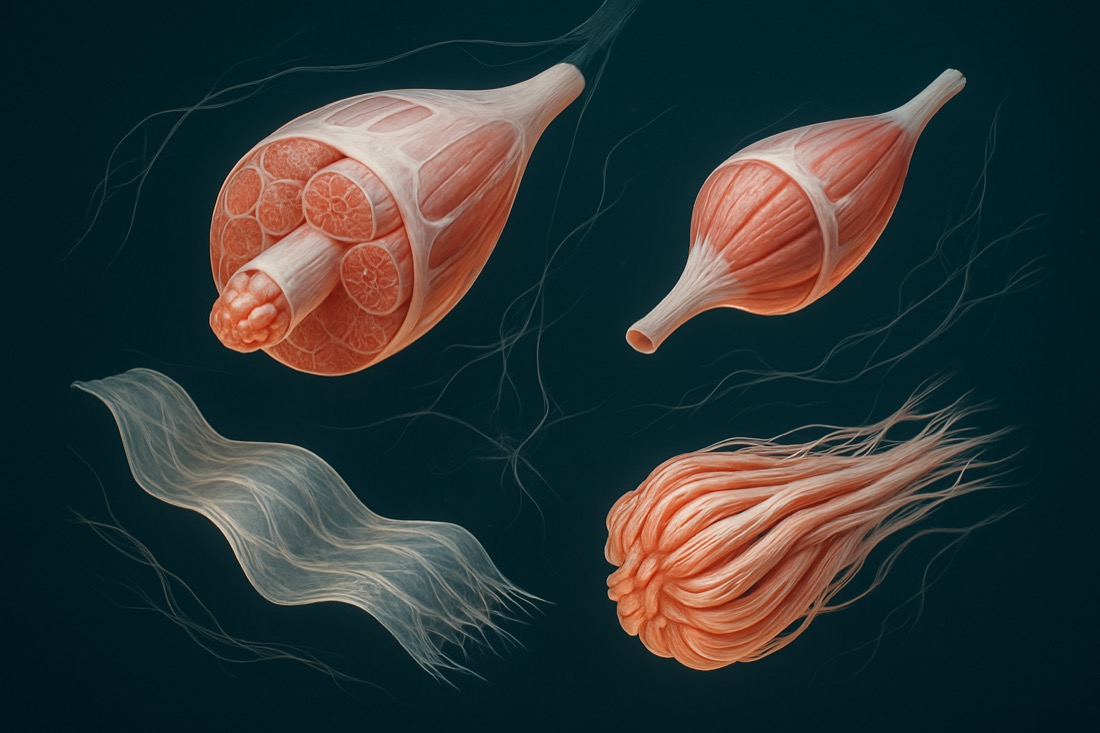
If you're experiencing discomfort while sitting, fascia release techniques might offer the relief you need. Fascia, the connective tissue surrounding muscles, can become tight and cause pain, particularly in the lower back. Understanding how to effectively release fascia can help alleviate this discomfort and improve your overall well-being.
Why does sitting cause back pain?
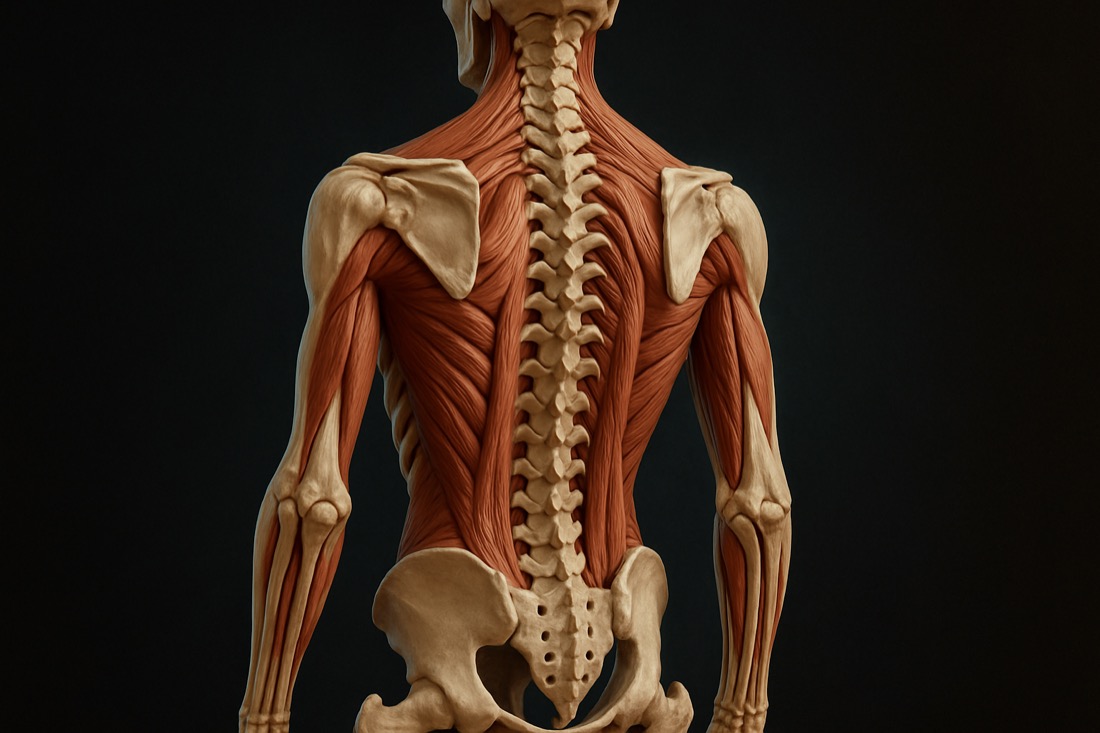
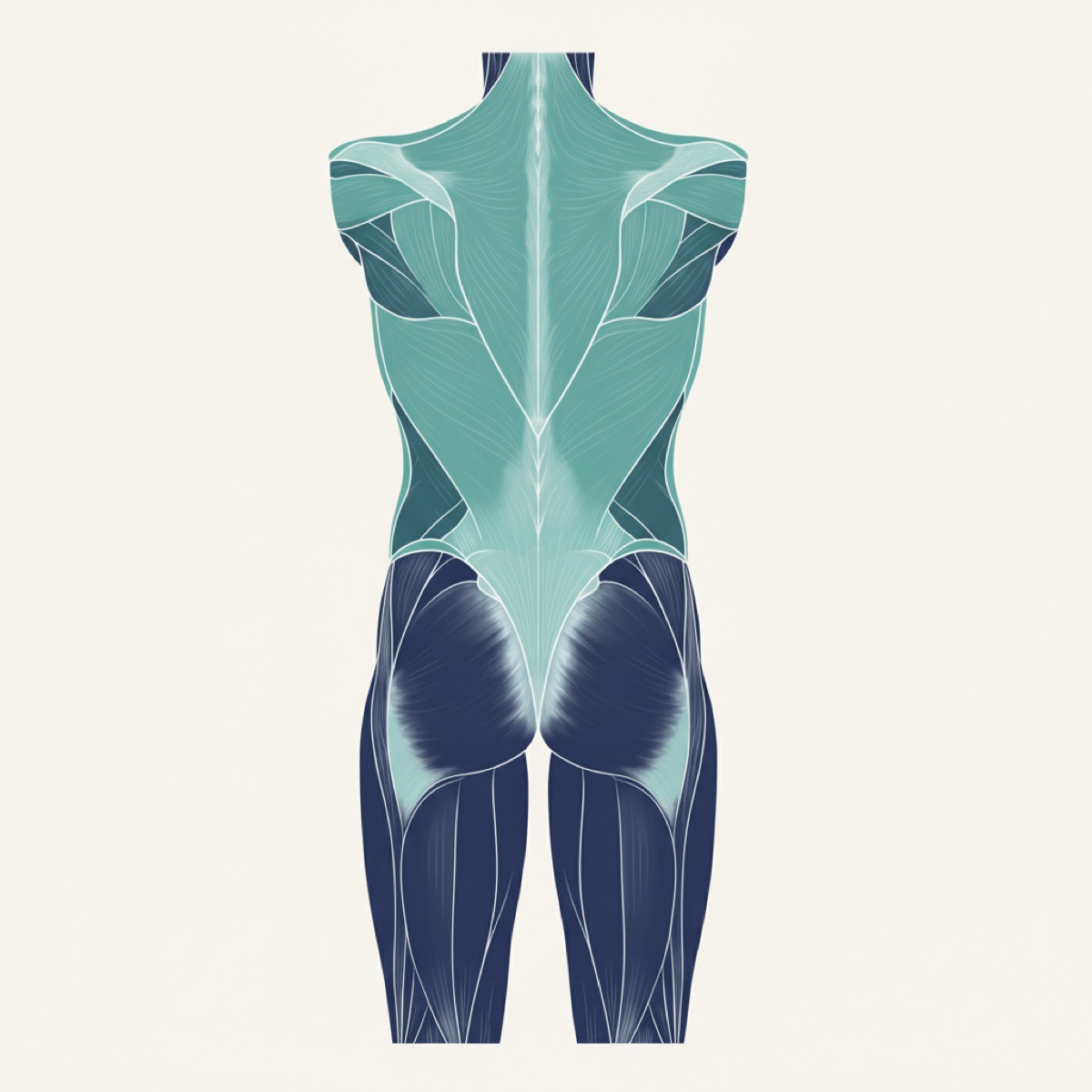
Sitting for prolonged periods can lead to lower back pain due to tension in the fascia surrounding the lumbar region. This tension often results from an overarched lower back and strain placed on the muscles and fascia in the abdomen and lower thoracic area. The diaphragm, psoas major, and transverse abdominis are key players in this scenario, as tightness here can translate to discomfort in the back.
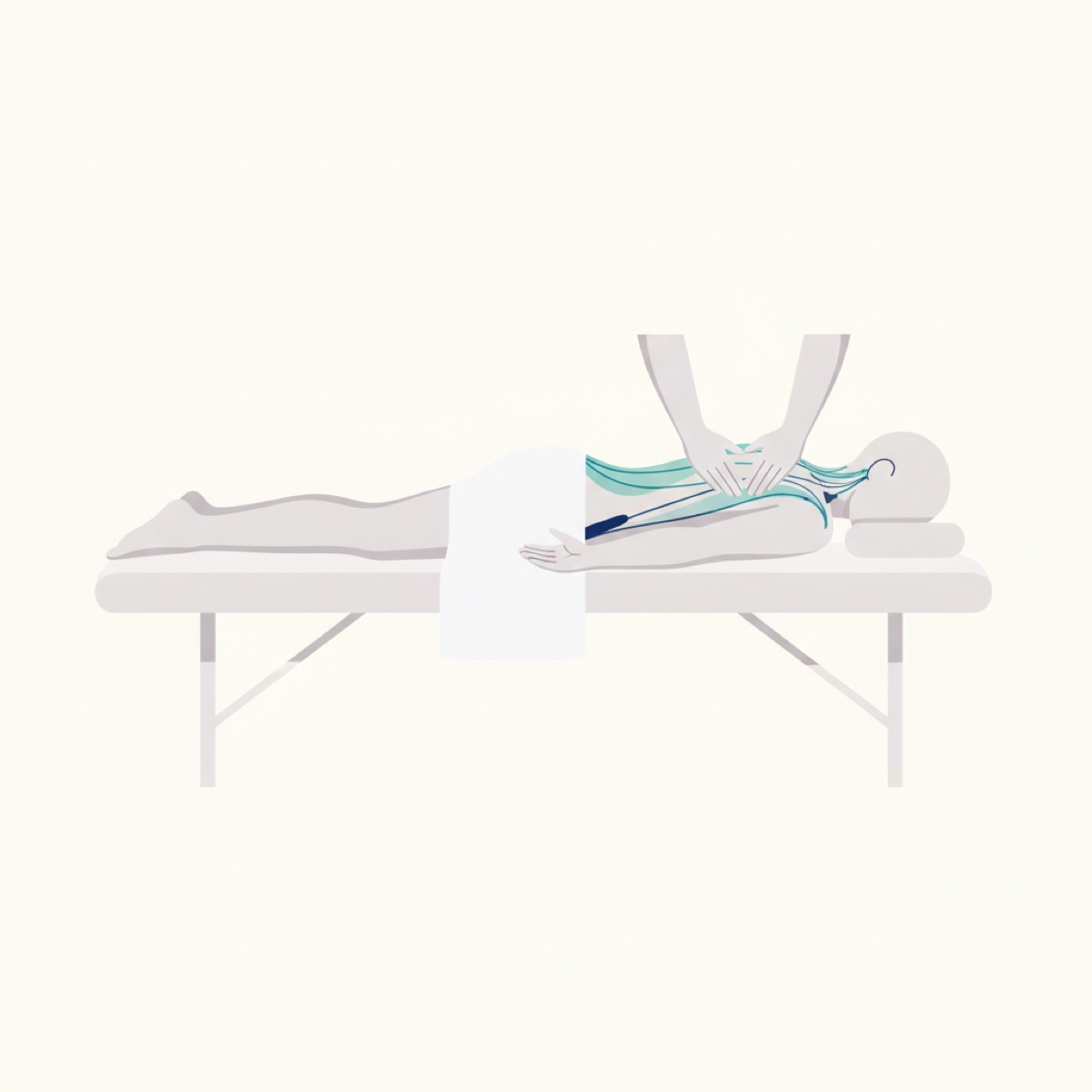
Releasing tension in these areas can significantly reduce pain. By applying gentle pressure to the fascia around the anterior superior iliac spine (ASIS) and the muscles alongside it, you can encourage the fascia to relax. This relaxation can lead to a noticeable decrease in back tension, making sitting more comfortable.
How does fascia release work?
Fascia release involves manipulating the connective tissue to alleviate tension and improve mobility. The process typically includes applying targeted pressure to specific areas, which helps to 'unlock' the fascia and reduce muscular strain. This can lead to an immediate sense of relief and improved range of motion.
When you press into the fascia, particularly in the abdominal region, it can impact the back by releasing tension. The technique involves gentle pressure and movement, which can be self-administered or performed by a clinician. Breathing deeply while applying pressure can also enhance the release process, providing further relaxation.
What to expect from fascia release therapy
Fascia release therapy can lead to a significant reduction in pain and an increase in comfort while sitting. Initially, you may feel a change in the tension of your back as the fascia begins to release. Many people report feeling lighter and more relaxed after a session.
For self-application, it's important to gently move the fascia once pressure is applied. This can be done by slightly shifting the area under your fingers, promoting further release. Regular practice can contribute to ongoing relief from sitting-induced pain.
Benefits of fascia release for sitting pain
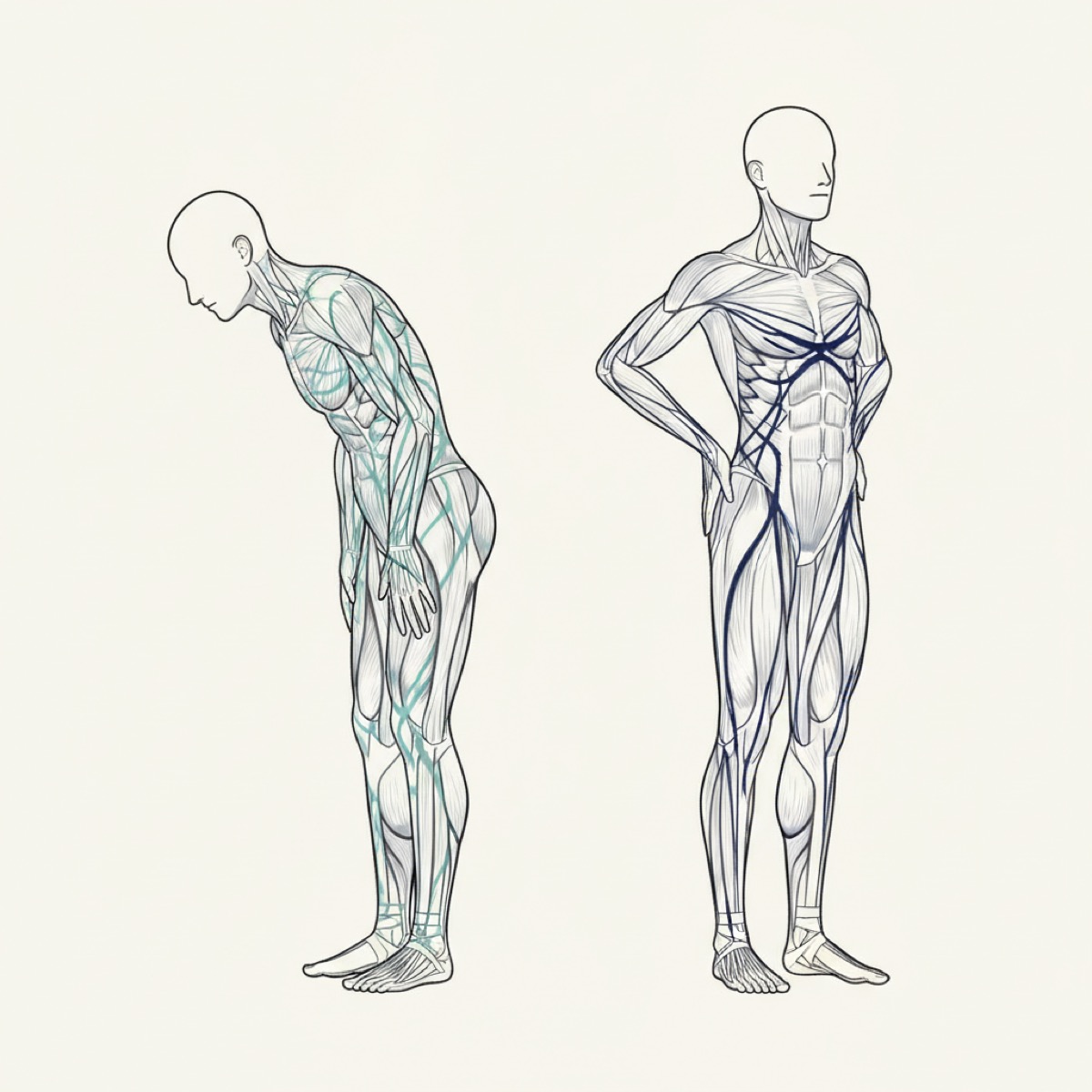
The primary benefit of fascia release is the reduction of pain associated with prolonged sitting. By addressing the root cause—tight fascia—patients can experience a more comfortable sitting experience, with less strain on the back muscles.
In addition to pain relief, fascia release can improve posture and enhance overall mobility. This technique promotes better alignment of the body, which can prevent future discomfort and contribute to a healthier musculoskeletal system.
Frequently asked questions
Is fascia release safe? — Yes, when performed correctly, fascia release is generally safe. It involves gentle pressure and movement, which should not cause pain. However, individuals should consult with a healthcare professional before starting any new therapy.
Can fascia release be done at home? — Absolutely, fascia release techniques can be self-administered at home. It's important to learn proper techniques to avoid injury and maximize benefits. Watching instructional videos or consulting a therapist can be helpful.
How often should I perform fascia release? — The frequency of fascia release depends on individual needs and goals. For some, daily practice may be beneficial, while others may find relief with less frequent sessions. Consulting with a healthcare provider can help determine the best schedule.
References
- [1]Stecco C, Stern R, Porzionato A, et al. Hyaluronan within fascia in the etiology of myofascial pain. Surg Radiol Anat. 2011;33(10):891–896.
- [2]Ajimsha MS, Al-Mudahka NR, Al-Madzhar JA. Effectiveness of myofascial release: a systematic review of randomized controlled trials. J Bodyw Mov Ther. 2015;19(1):102–112.
- [3]Tozzi P, Bongiorno D, Vitturini C. Fascial release effects on patients with non-specific cervical or lumbar pain. J Bodyw Mov Ther. 2011;15(4):405–416.
- [4]Zügel M, Maganaris CN, Wilke J, et al. Fascial tissue research in sports medicine: from molecules to tissue adaptation, injury and diagnostics: consensus statement. Br J Sports Med. 2018;52(23):1497.
- [5]Klingler W, Velders M, Hoppe K, Pedro M, Schleip R. Clinical relevance of fascial tissue and dysfunctions. Curr Pain Headache Rep. 2014;18(8):439.
- [6]Wilke J, Vogt L, Niederer D, Banzer W. Is remote stretching based on myofascial chains as effective as local exercise? A randomised-controlled trial. J Sports Sci. 2017;35(20):2021–2027.