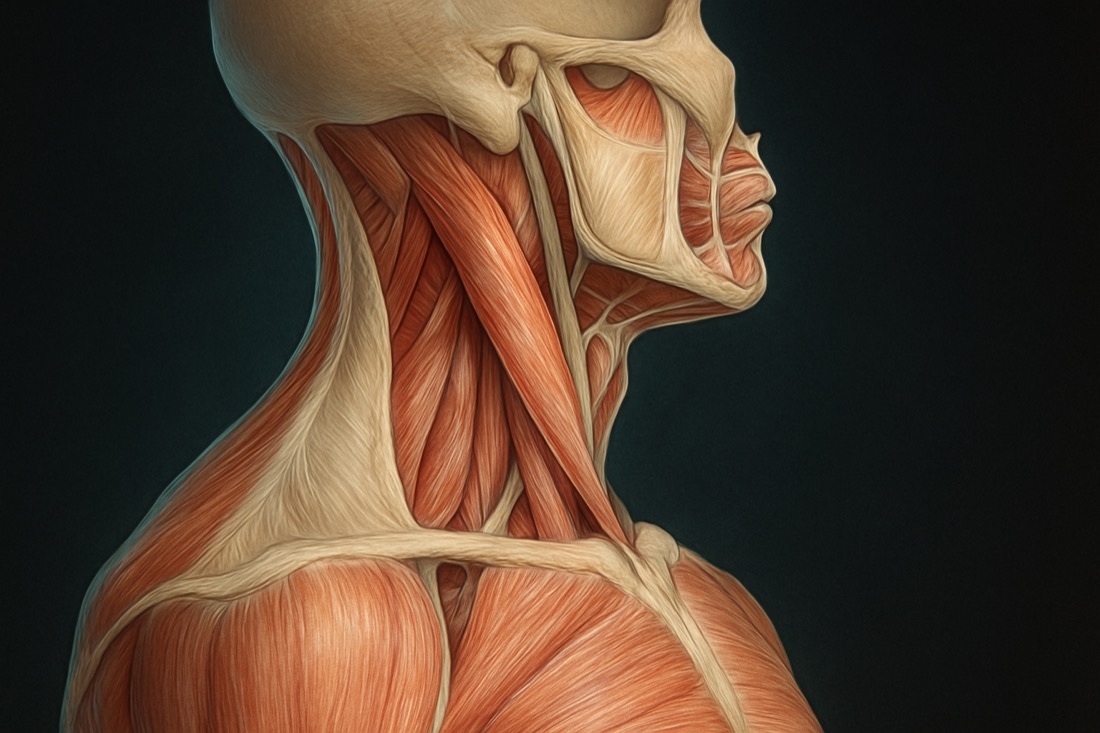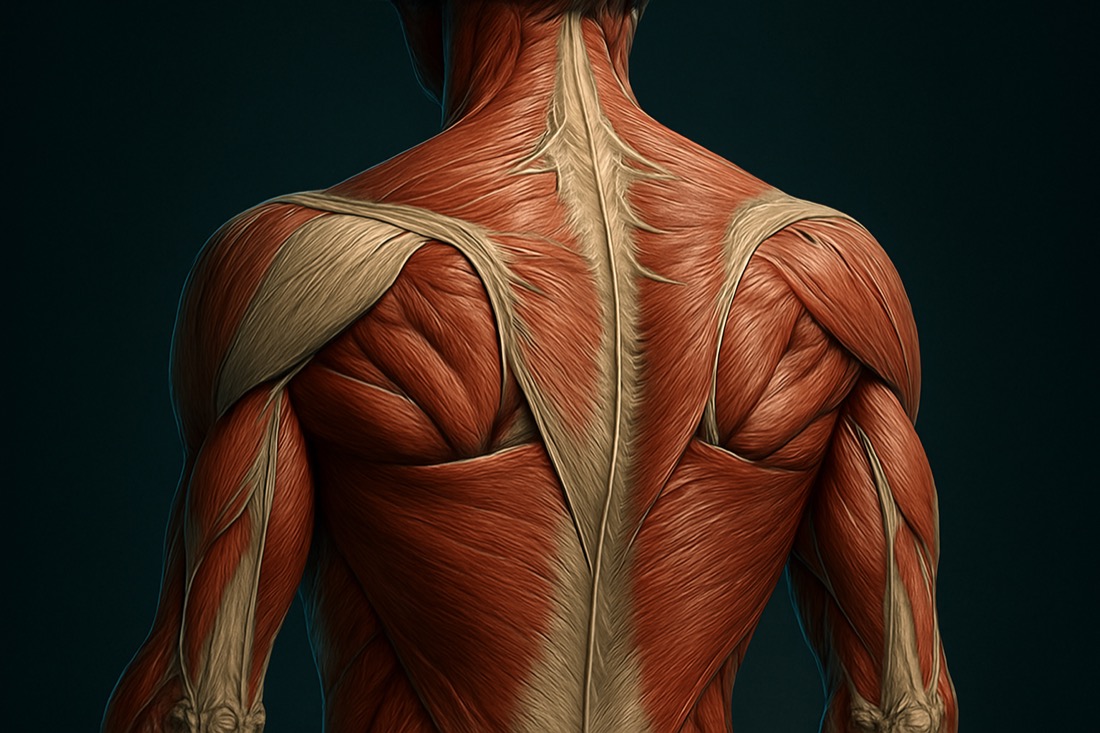
Transform Your Face with Scapula Release Techniques!
Original title (JP): 肩甲骨剥がしで劇的小顔になる!藤井翔悟の筋膜リリース! #筋膜 #治し方 #藤井翔悟

Supervised by
Shogo Fujii
Physiotherapist (PT) · Founder of the SHOGO FUJII® FASCIA METHOD
View profile →Clinical Article · 5 min read
If you've ever wondered how to enhance your facial symmetry while easing neck and shoulder tension, scapula release techniques might be your answer. This innovative approach targets the fascia around the shoulder blades, offering potential relief and aesthetic benefits. Dive into the transformative effects of these techniques and learn how they might benefit you.
How does scapula release transform your face?
Scapula release techniques can have surprising effects on facial appearance by addressing underlying fascia tension. When the scapula, or shoulder blade, is released, it can help reduce facial puffiness and reposition cheekbones. This is because the interconnected fascia network influences both posture and facial structure [1].
As the fascial tension around the scapula decreases, it can lead to noticeable changes in the face's symmetry and contour. Clinicians and patients alike have observed these subtle yet impactful shifts, which may also enhance overall comfort in the neck and shoulder area.

What is the scapula release technique?
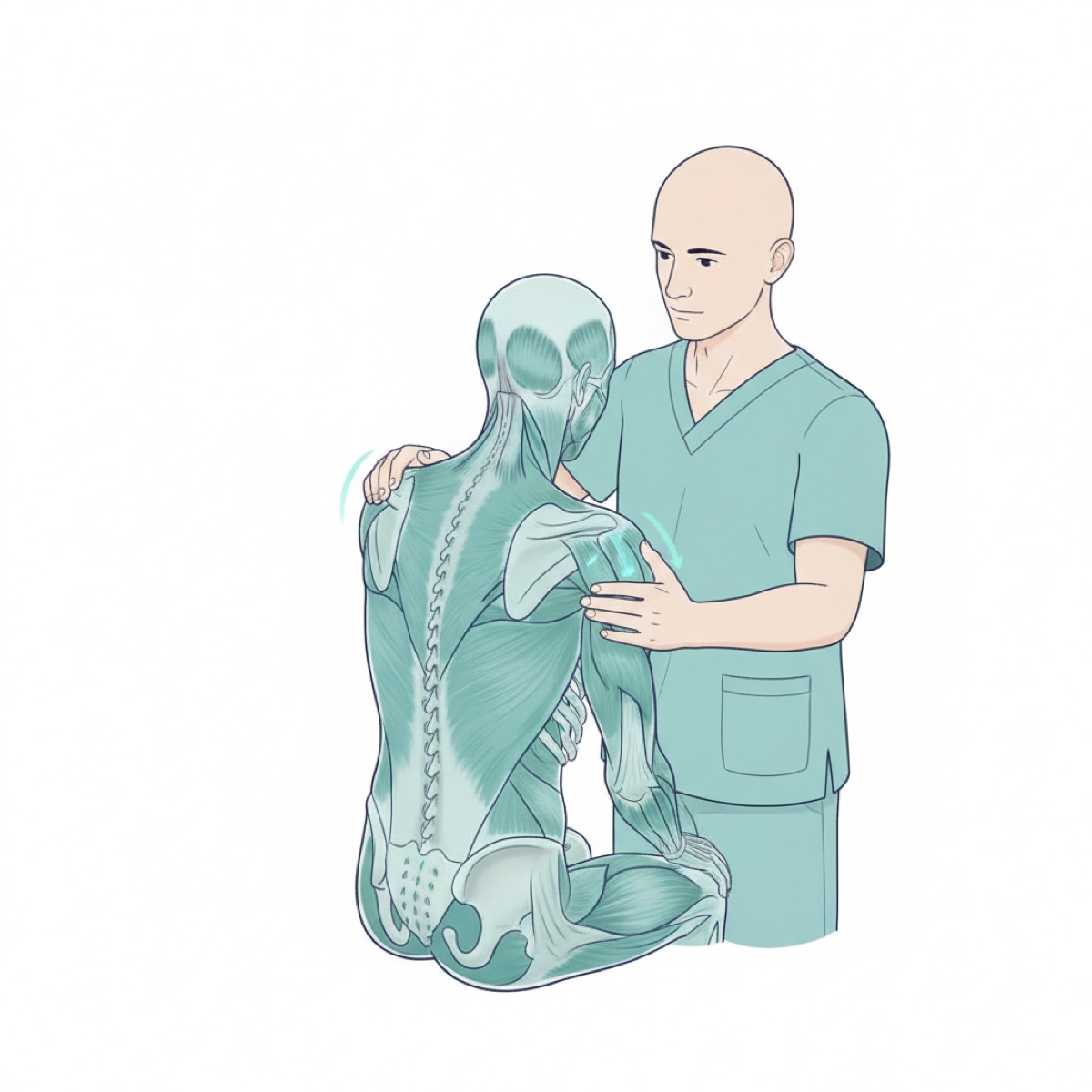
The scapula release technique involves specific movements and manipulations to free the shoulder blade from surrounding fascia and muscle tension. Start by moving the right hand behind the back and bending the left leg significantly. This position helps create a stretch that separates the scapula from the rib cage.
By gently inserting fingers between the scapula and the rib cage, practitioners can apply a soft release. This allows for a deeper and more effective scapula mobilization, which can enhance the range of motion and relieve tension in the neck and shoulders [2].
What benefits can you expect from scapula release?
Patients often report a sense of lightness and increased mobility following a scapula release session. The technique helps alleviate the 'core' tension many feel in their shoulders, leading to improved posture and reduced discomfort [3].
Moreover, the release can lead to an improved sense of well-being, as the reduction in tension allows for better circulation and muscle function. While individual results may vary, many find the practice beneficial for both physical and aesthetic reasons.
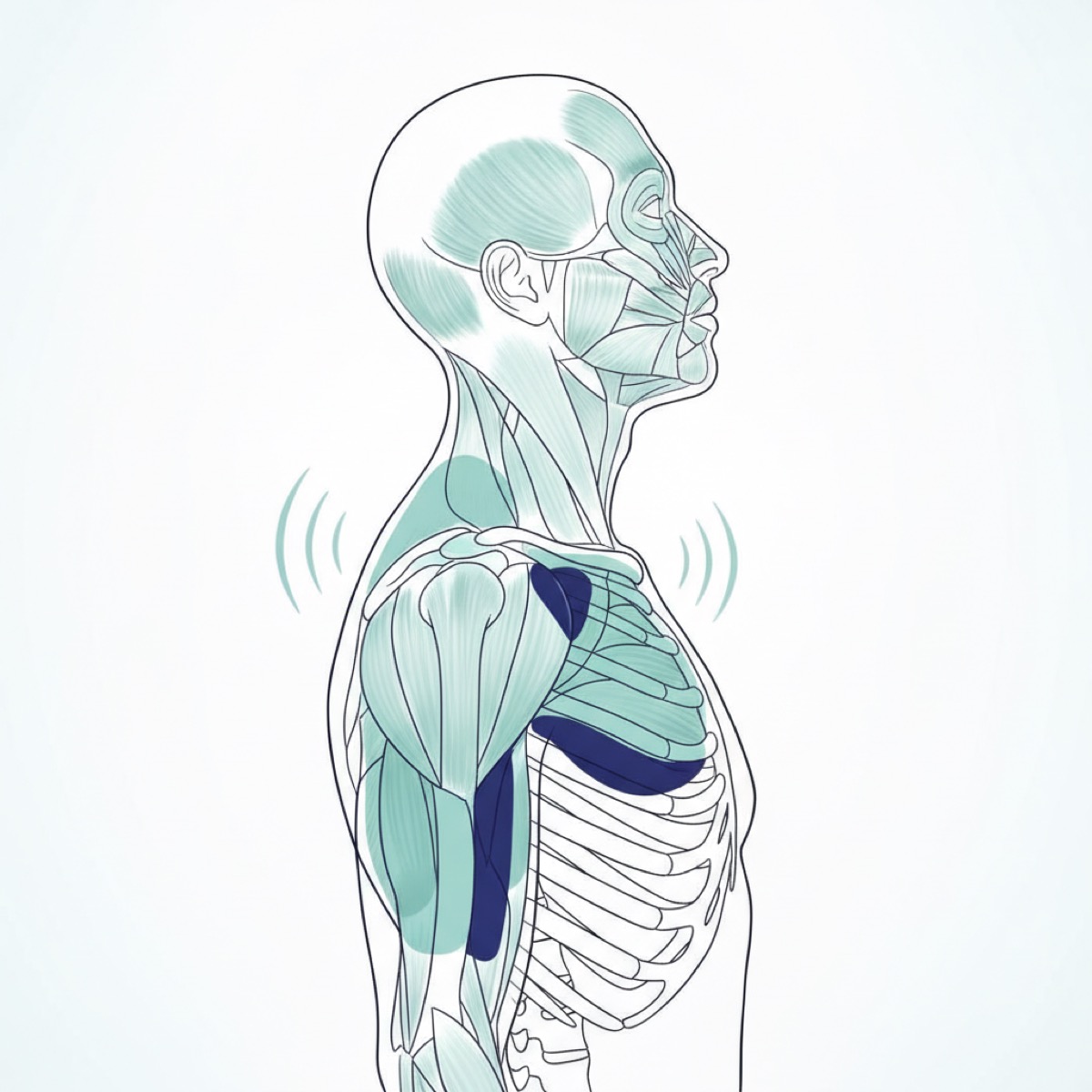
Why is scapula release popular with patients?
Scapula release is gaining popularity due to its dual benefits of physical relief and aesthetic enhancement. Patients often express enthusiasm over the immediate sensations of relief and the visible changes in their facial structure [4].
The practice is appreciated for its non-invasive nature and the fact that it can be incorporated into regular physiotherapy sessions. As more people seek holistic approaches to wellness, techniques like scapula release offer a compelling option.
Frequently asked questions
Is scapula release safe? — Yes, when performed by a trained professional, scapula release is generally considered safe. It is important to ensure that the technique is tailored to the individual's needs and physical condition [5].
Can I do scapula release at home? — While some aspects of the technique can be practiced at home, it is recommended to first consult with a physiotherapist to ensure proper form and avoid injury [6].
Will scapula release cure my neck pain? — While scapula release can alleviate neck pain by reducing tension, it is not a guaranteed cure. It should be part of a comprehensive treatment plan tailored to your specific condition.
References
- [1]Ricciotti E, FitzGerald GA. Prostaglandins and inflammation. Arterioscler Thromb Vasc Biol. 2011;31(5):986–1000.
- [2]Salehi B, Venditti A, Sharifi-Rad M, et al. The therapeutic potential of apigenin. Int J Mol Sci. 2019;20(6):1305.
- [3]Field R, Pourkazemi F, Turton J, Rooney K. Dietary interventions are beneficial for patients with chronic pain: a systematic review with meta-analysis. Pain Med. 2021;22(3):694–714.
- [4]Taljanovic MS, Gimber LH, Becker GW, et al. Shear-wave elastography: basic physics and musculoskeletal applications. RadioGraphics. 2017;37(3):855–870.
- [5]Langevin HM. Connective tissue: a body-wide signaling network? Med Hypotheses. 2006;66(6):1074–1077.
- [6]Schleip R. Fascial plasticity — a new neurobiological explanation. J Bodyw Mov Ther. 2003;7(1):11–19.