Cure Neck Pain and Teeth Grinding in One Session
Original title (JP): 首痛&歯ぎしりを一回で治す #藤井翔悟 #美容 #医師 #anatomy #治し方

Supervised by
Shogo Fujii
Physiotherapist (PT) · Founder of the SHOGO FUJII® FASCIA METHOD
View profile →Clinical Article · 5 min read
Fascia release for neck pain has gained attention as an effective method to alleviate discomfort and associated issues like teeth grinding. This holistic approach targets the connective tissues, offering potential relief in just one session. Understanding the underlying causes and techniques can empower both clinicians and patients to manage symptoms effectively.
Why does neck pain and teeth grinding occur?
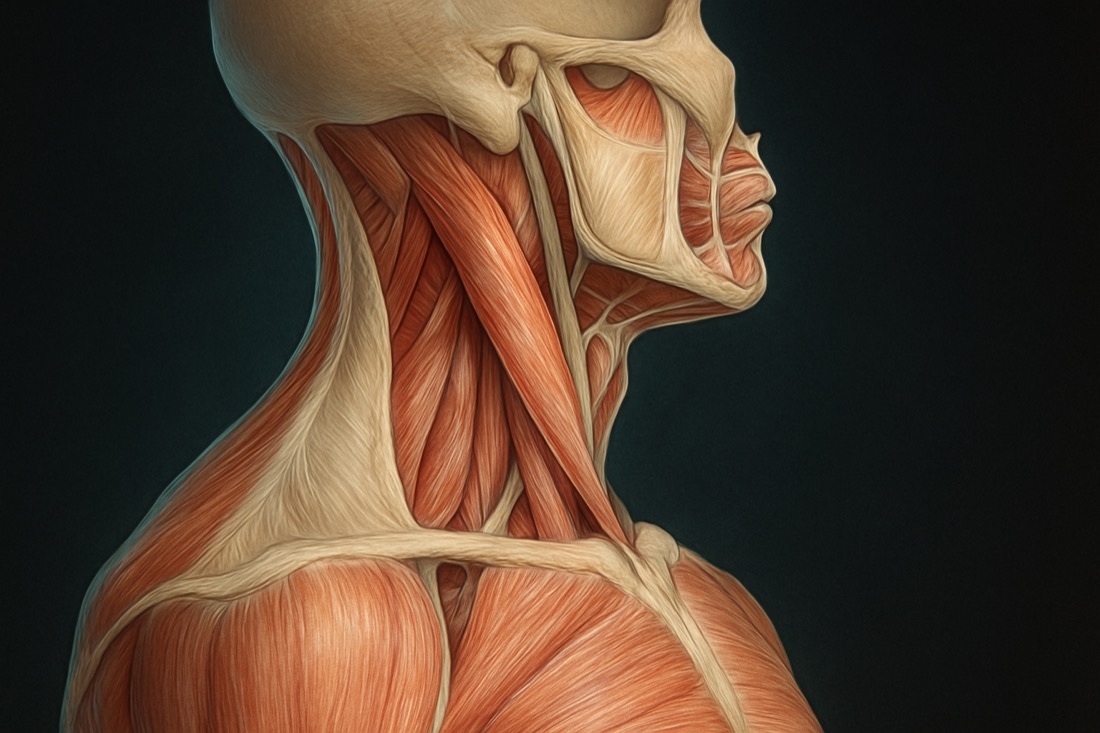
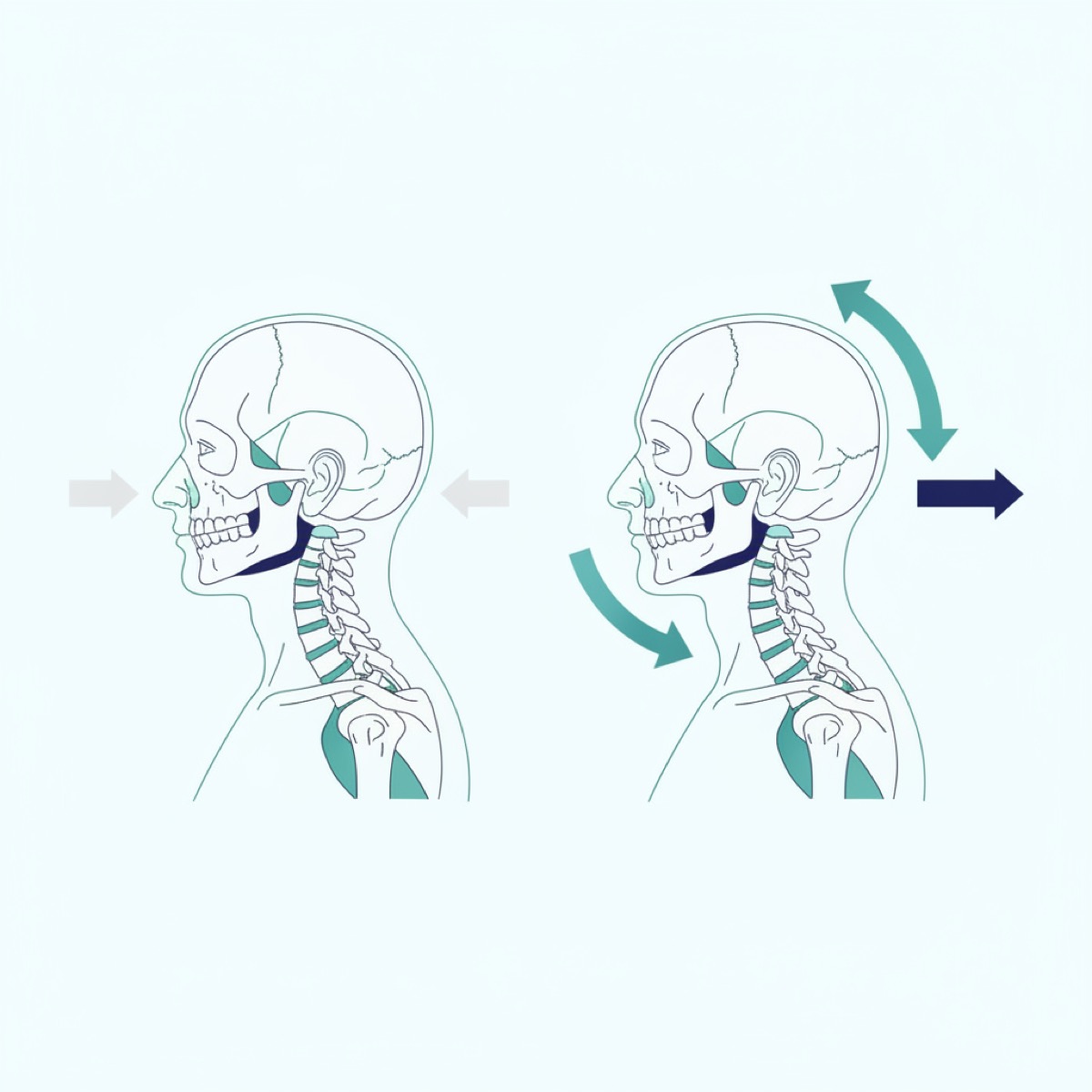
Neck pain and teeth grinding often arise from tension in the muscles and fascia surrounding the neck and jaw. Specifically, the left sternocleidomastoid, masseter, and temporalis muscles can become tight due to stress, poor posture, or habitual clenching. This tension can lead to discomfort and restricted movement, making daily activities challenging.
Identifying the source of discomfort is crucial for effective treatment. Palpating the areas around the mastoid process and the fibers beneath it can reveal hardened tissues contributing to the pain. By understanding these anatomical connections, practitioners can better target their interventions.
How does fascia release work for these issues?
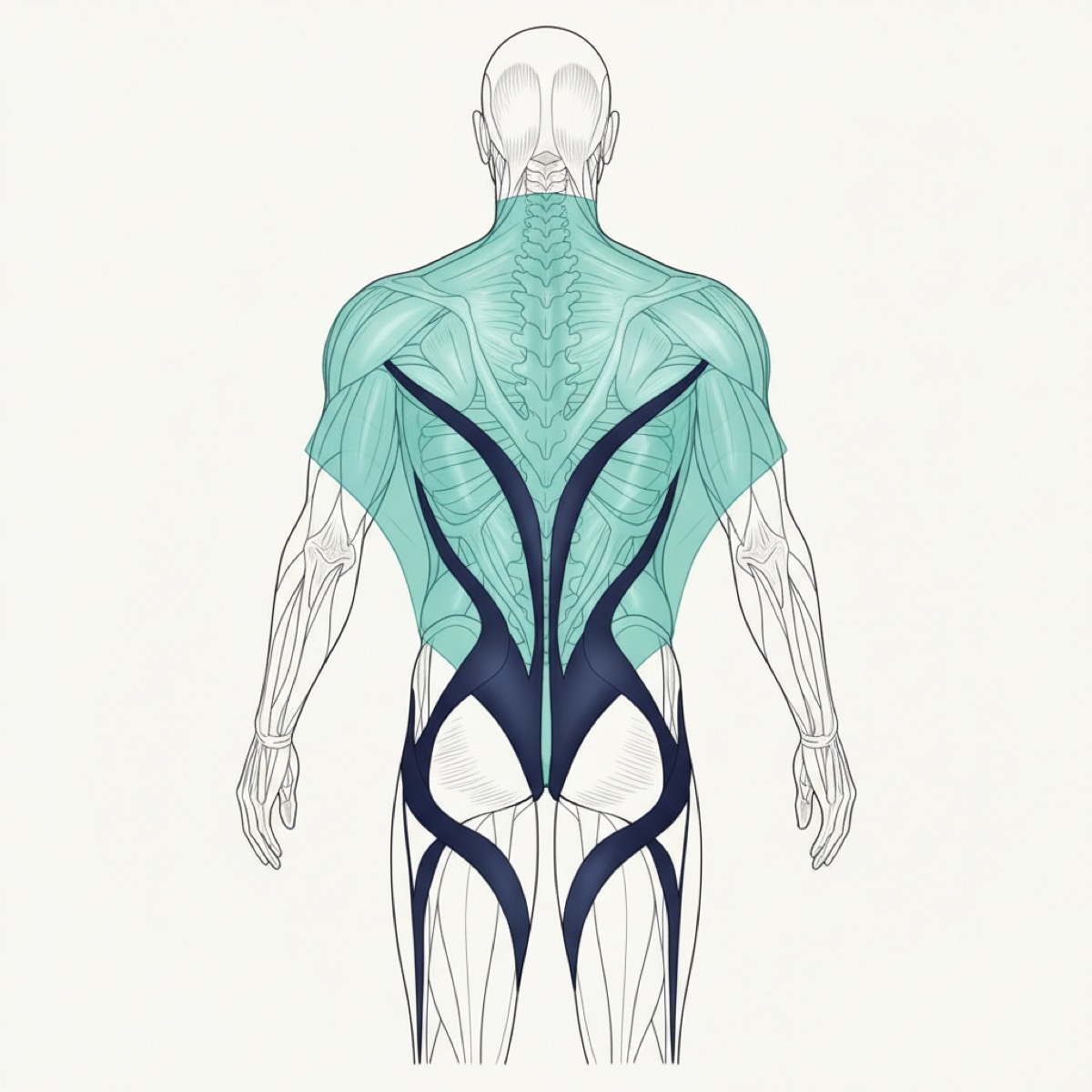
Fascia release involves manipulating the connective tissues to alleviate tension and restore mobility. Techniques such as applying pressure to the temporalis and masseter muscles, while gently moving the neck, can help reduce pain and improve function. This process helps in breaking down the 'knots' or adhesions within the fascia.
Patients often report a sense of relief as these tight areas are addressed. The release of fascia not only eases physical discomfort but can also contribute to reduced stress levels, as the body feels more relaxed and aligned.
What to expect during a fascia release session?
During a fascia release session, the clinician will focus on identifying and targeting areas of tension. Pressure is applied strategically to the affected muscles, such as the sternocleidomastoid and temporalis, while the patient may be asked to move their neck gently to assess pain relief.
Sessions are generally comfortable, with patients experiencing a 'good pain' as tight areas are worked on. The goal is to ensure that any discomfort is temporary and leads to improved mobility and pain reduction over time.

Benefits of fascia release for neck and jaw issues
Fascia release offers several benefits for those suffering from neck pain and teeth grinding. It can improve range of motion, decrease pain, and enhance overall function. By addressing the root causes of tension, patients often find long-term relief from chronic issues.
Additionally, fascia release can positively impact mental well-being, as reduced physical tension often correlates with decreased stress and anxiety levels. This holistic approach supports both physical and emotional health, making it a valuable tool in pain management.
Frequently asked questions
Is fascia release safe? — Yes, when performed by a trained professional, fascia release is generally safe and effective. It is important to communicate any discomfort during the session to ensure a positive experience.
How long does it take to see results? — Many patients report feeling relief after just one session, though individual results may vary. Consistent treatment may be necessary for chronic conditions.
Can fascia release help with other conditions? — While primarily used for muscle and joint pain, fascia release may also benefit conditions like headaches and stress-related tension, as it promotes overall relaxation and alignment.
References
- [1]Woolf CJ. Central sensitization: implications for the diagnosis and treatment of pain. Pain. 2011;152(3 Suppl):S2–S15.
- [2]Tracey KJ. The inflammatory reflex. Nature. 2002;420(6917):853–859.
- [3]Mayer EA. Gut feelings: the emerging biology of gut–brain communication. Nat Rev Neurosci. 2011;12(8):453–466.
- [4]Cryan JF, Dinan TG. Mind-altering microorganisms: the impact of the gut microbiota on brain and behaviour. Nat Rev Neurosci. 2012;13(10):701–712.
- [5]Guo R, Chen LH, Xing C, Liu T. Pain regulation by gut microbiota: molecular mechanisms and therapeutic potential. Br J Anaesth. 2019;123(5):637–654.
- [6]Ricciotti E, FitzGerald GA. Prostaglandins and inflammation. Arterioscler Thromb Vasc Biol. 2011;31(5):986–1000.