
Instant Relief for Neck and Back Pain Using Hamstring Techniques
Original title (JP): 首、背中の痛みをハムストリングで一撃で治すテクニック! #筋膜 #藤井翔悟 #美容

Supervised by
Shogo Fujii
Physiotherapist (PT) · Founder of the SHOGO FUJII® FASCIA METHOD
View profile →Clinical Article · 5 min read
For those struggling with persistent neck and back pain, fascia release using hamstring techniques offers a promising approach. This innovative method connects the tension in your hamstrings with relief in the neck and back, providing a holistic way to address discomfort. Understanding how these muscle groups interact can lead to more effective pain management strategies.
How does fascia release help neck and back pain?
Fascia release is a technique that targets the connective tissues surrounding muscles, known as fascia, to alleviate tension and pain. In the context of neck and back pain, releasing fascia in the hamstrings can have a profound effect on these areas. This is because the fascia network is interconnected, meaning tension in one part of the body can influence another[1]. By focusing on the hamstrings, practitioners can indirectly relieve pressure in the neck and back, offering a non-invasive treatment option.
The process involves applying pressure and manipulating the muscles between the knee and the back of the leg. This action can reduce stiffness and improve mobility, which are crucial for pain relief. The method is particularly beneficial for those who experience chronic pain, as it addresses the root cause rather than just the symptoms[2].
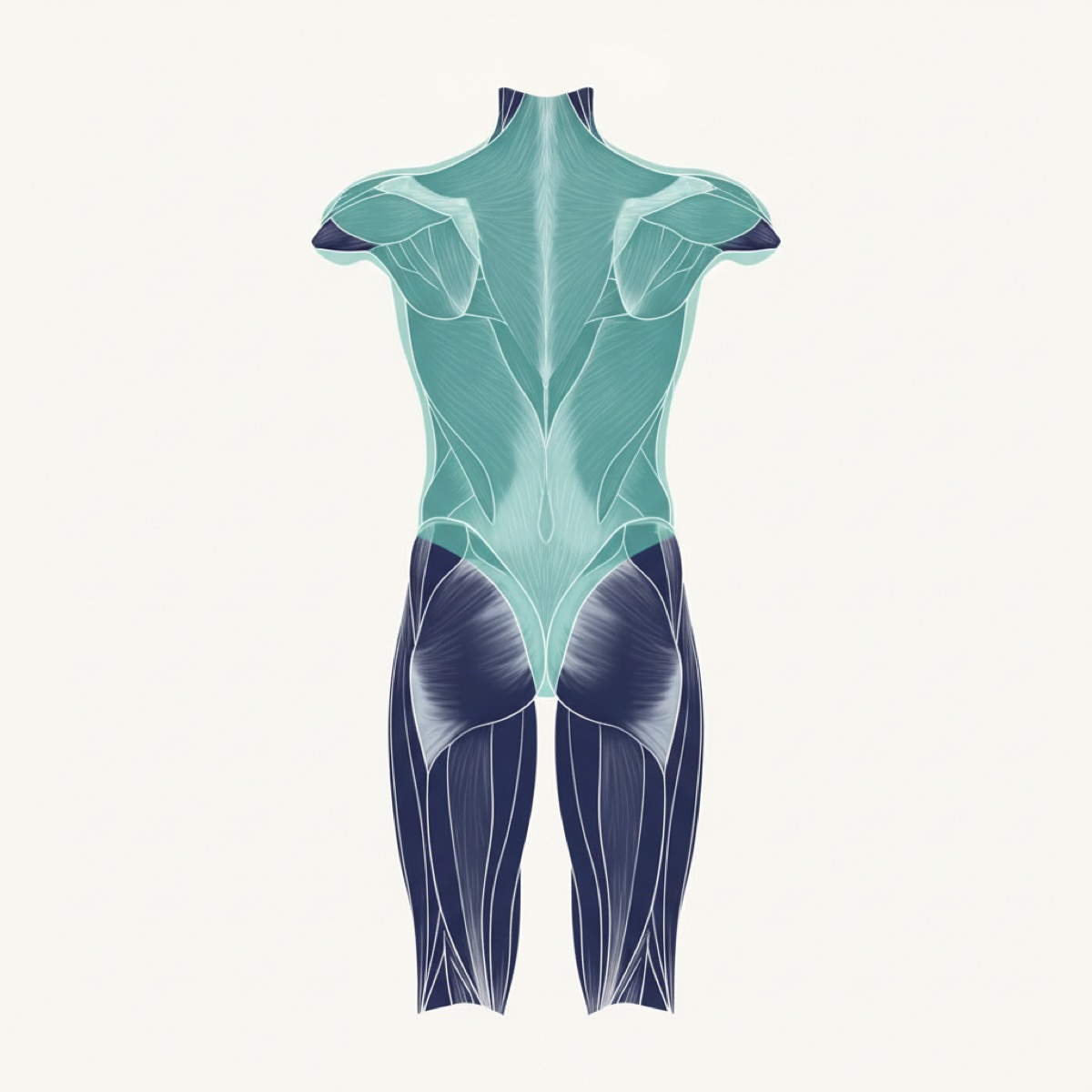
Why do hamstrings affect neck and back pain?
The hamstrings play a critical role in postural alignment and movement. When these muscles are tight, they can contribute to poor posture, which in turn places additional stress on the neck and back. This is due to the kinetic chain principle, where a dysfunction in one part of the body can affect others[3].
By releasing tension in the hamstrings, you can potentially correct posture and reduce the strain on the neck and back. This is particularly useful for individuals who spend long hours sitting or standing, as these positions can exacerbate tension in the hamstrings and, consequently, the neck and back[4].
What techniques are used in fascia release for neck and back pain?
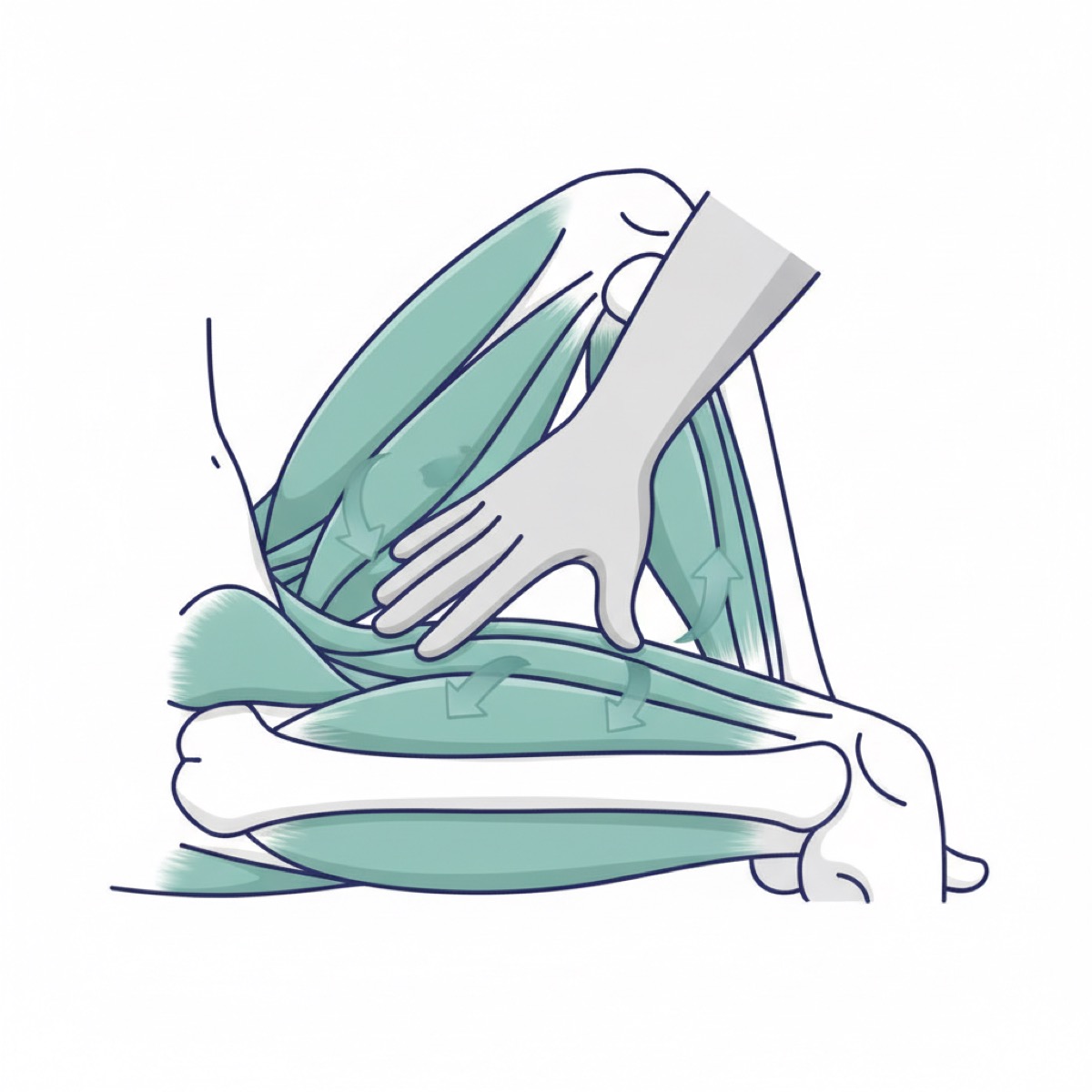
The technique involves gently rolling and pressing between the muscles in the back of the leg. This action helps to loosen the muscle fibers and release tension. The key is to apply consistent, gentle pressure without causing discomfort. This allows the fascia to relax and the muscles to return to their natural state[5].
An important aspect of this process is the connection between the hamstrings and the neck, which can be felt by touching the area behind the ear. As the pressure is applied to the hamstrings, the tension in the neck can decrease, providing relief. This demonstrates the interconnectedness of the fascia system[6].
What should you expect from fascia release therapy?
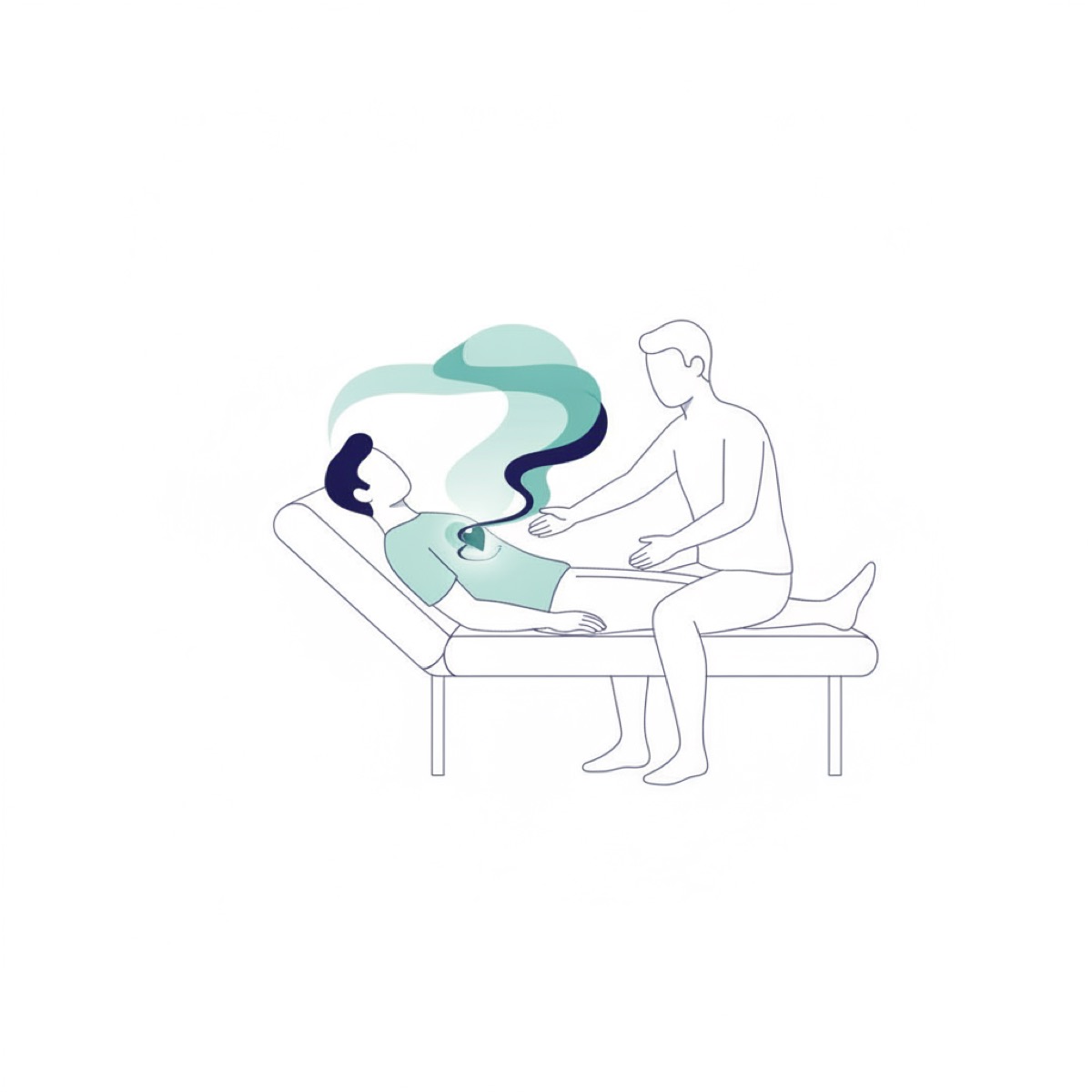
During a fascia release session, you may feel a sense of relaxation and a reduction in pain. The process is generally gentle and should not cause any discomfort. It's important to communicate with your therapist about any sensations you experience to ensure the treatment is tailored to your needs.
While some people may experience immediate relief, others might need a few sessions to notice significant changes. The effectiveness of fascia release can vary based on individual conditions and the extent of muscle tension. It's a safe, non-invasive option that complements other therapeutic approaches.
Frequently asked questions
Is fascia release safe? — Fascia release is generally considered safe when performed by a trained professional. It involves gentle manipulation and pressure, making it a low-risk option for pain management.
How often should fascia release be done? — The frequency of sessions depends on individual needs and the severity of symptoms. Some may benefit from weekly sessions, while others might require less frequent visits.
Can I perform fascia release at home? — While some techniques can be done at home with the guidance of a professional, it's best to consult a therapist to ensure proper technique and safety.
References
- [1]Woolf CJ. Central sensitization: implications for the diagnosis and treatment of pain. Pain. 2011;152(3 Suppl):S2–S15.
- [2]Tracey KJ. The inflammatory reflex. Nature. 2002;420(6917):853–859.
- [3]Mayer EA. Gut feelings: the emerging biology of gut–brain communication. Nat Rev Neurosci. 2011;12(8):453–466.
- [4]Cryan JF, Dinan TG. Mind-altering microorganisms: the impact of the gut microbiota on brain and behaviour. Nat Rev Neurosci. 2012;13(10):701–712.
- [5]Guo R, Chen LH, Xing C, Liu T. Pain regulation by gut microbiota: molecular mechanisms and therapeutic potential. Br J Anaesth. 2019;123(5):637–654.
- [6]Ricciotti E, FitzGerald GA. Prostaglandins and inflammation. Arterioscler Thromb Vasc Biol. 2011;31(5):986–1000.