Magic Techniques for a Smaller Face Without Touching
Original title (JP): 顔に触れずに小顔にする魔法 #美容 #筋膜 #筋膜整体

Supervised by
Shogo Fujii
Physiotherapist (PT) · Founder of the SHOGO FUJII® FASCIA METHOD
View profile →Clinical Article · 5 min read
Have you ever wondered how fascia therapy can result in a smaller face without even touching it? This fascinating method leverages the body's connective tissue to release tension and improve the appearance of the face. By understanding how fascia works, you can achieve noticeable changes in facial structure and symmetry. Let's explore these magic techniques and learn how they can transform your look naturally.
How does fascia therapy reduce facial size?
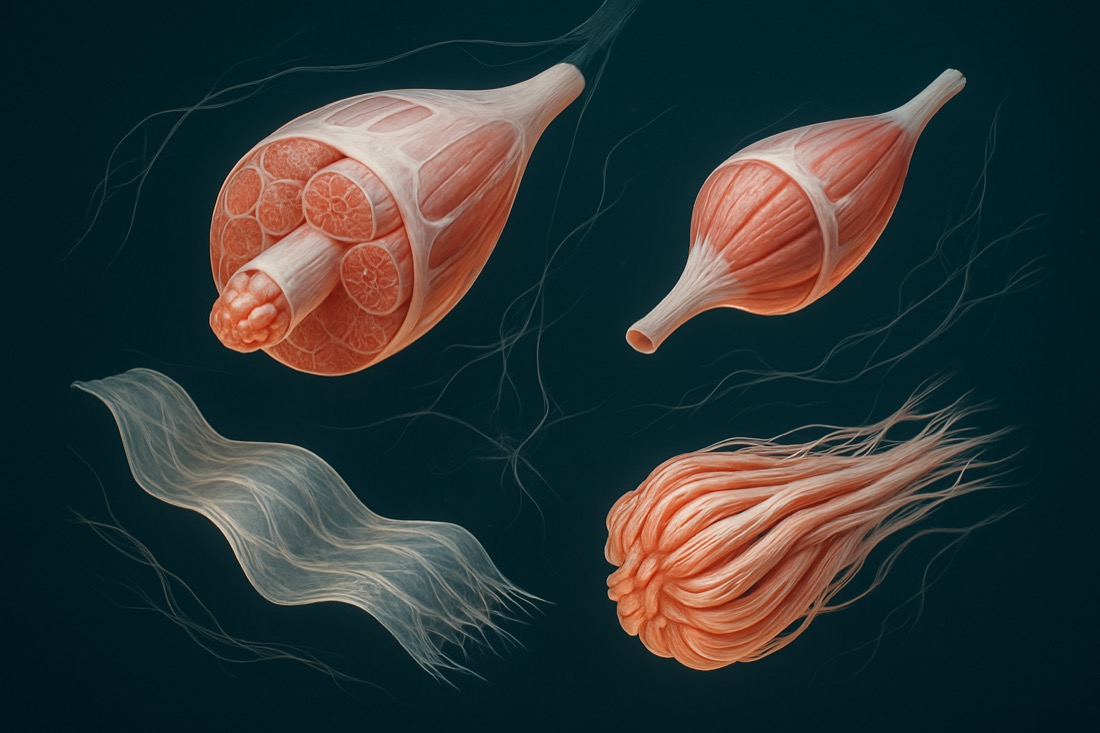
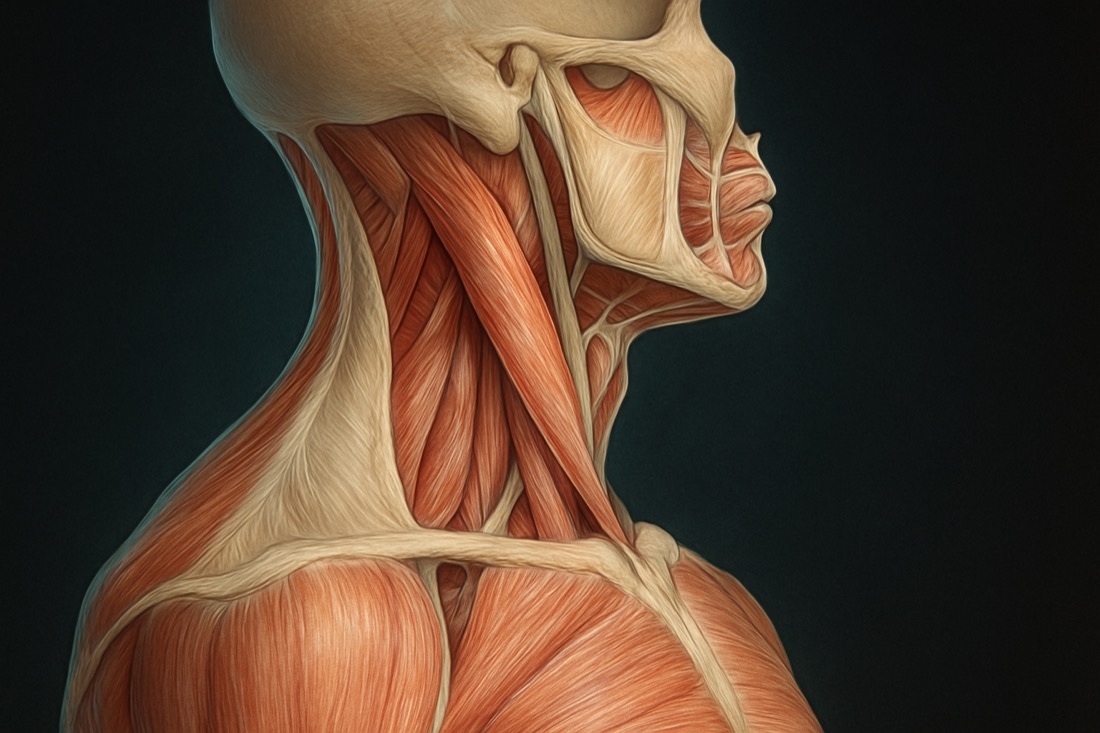
Fascia therapy focuses on the connective tissue that surrounds muscles and organs, playing a crucial role in maintaining structural integrity. When fascia becomes tight or misaligned, it can affect muscle function and appearance, including in the face. By releasing tension in specific areas, fascia therapy can help lift and slim the face without direct contact.
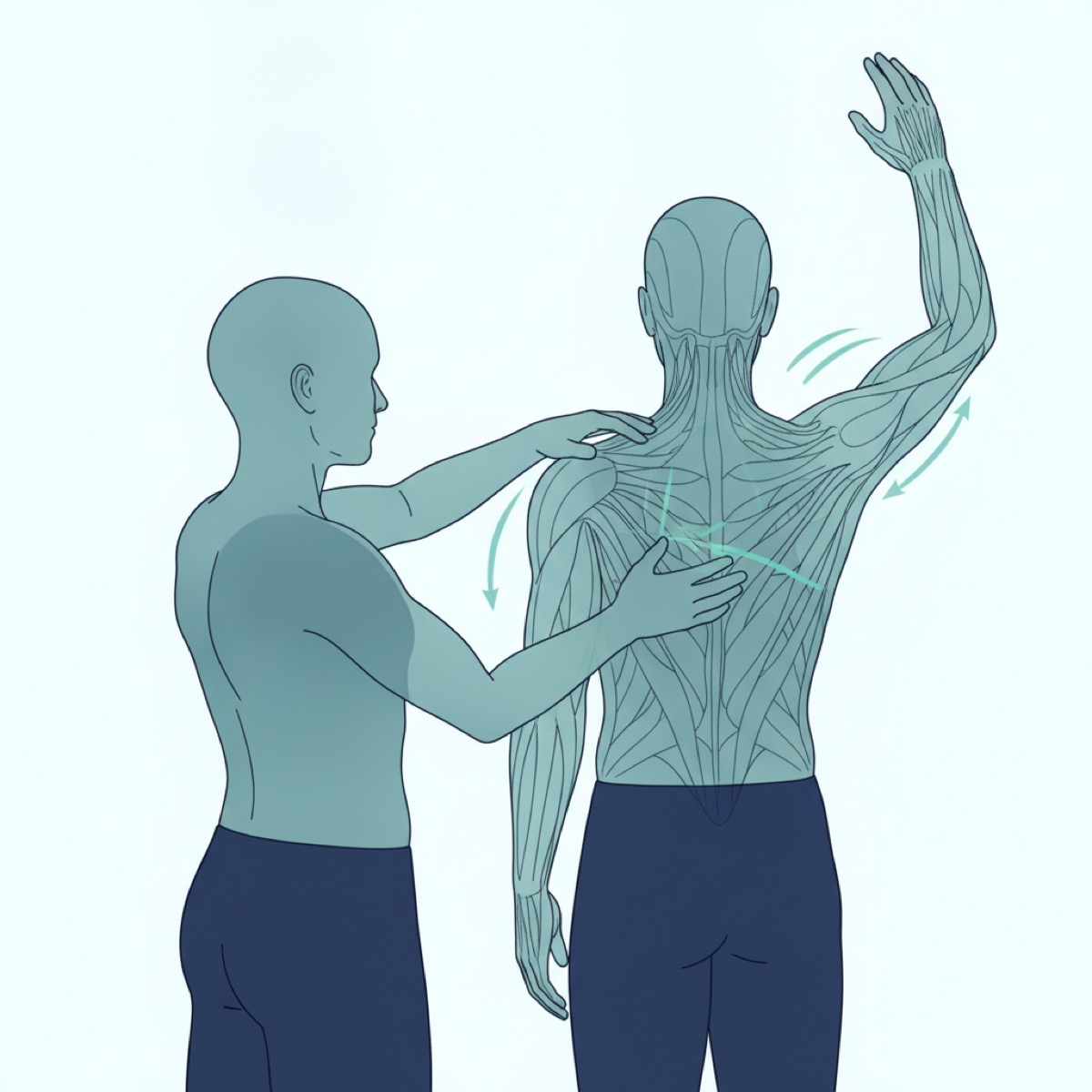
In the video by Shogo Fujii, the emphasis is on identifying points of tension that may cause the jaw to misalign. By gently pressing specific muscles like the teres minor and manipulating areas around the spine, practitioners can facilitate a natural adjustment in the facial structure, making it appear smaller and more symmetrical.
What techniques are used in fascia therapy for the face?
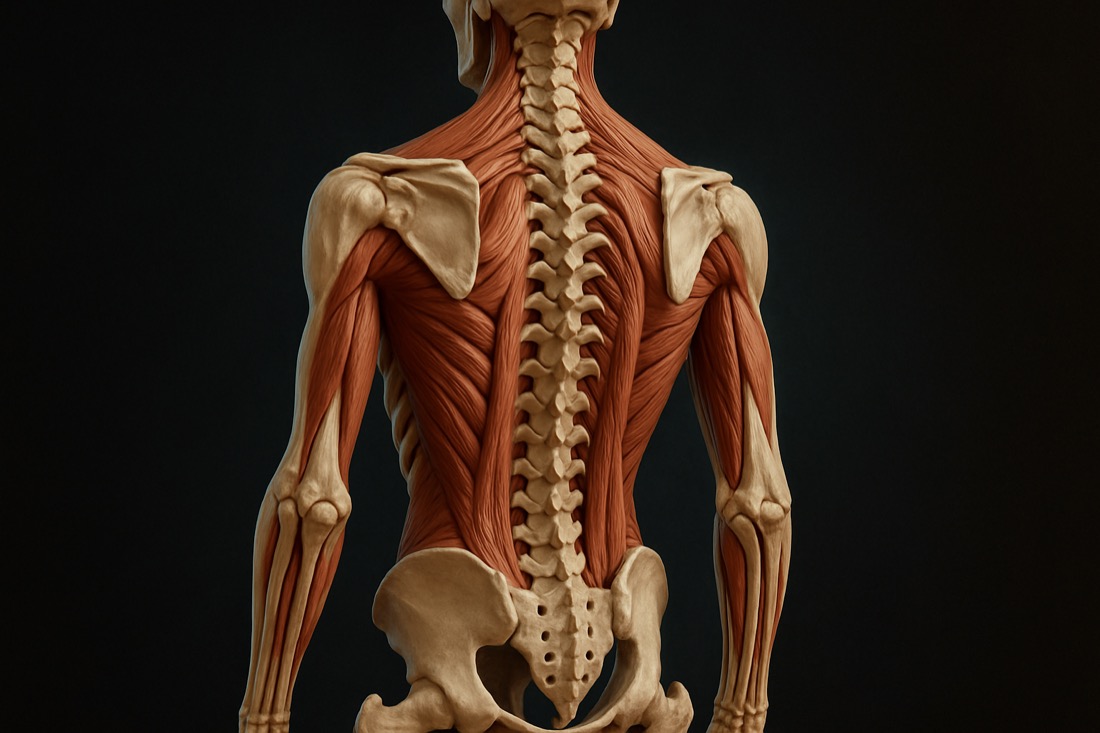
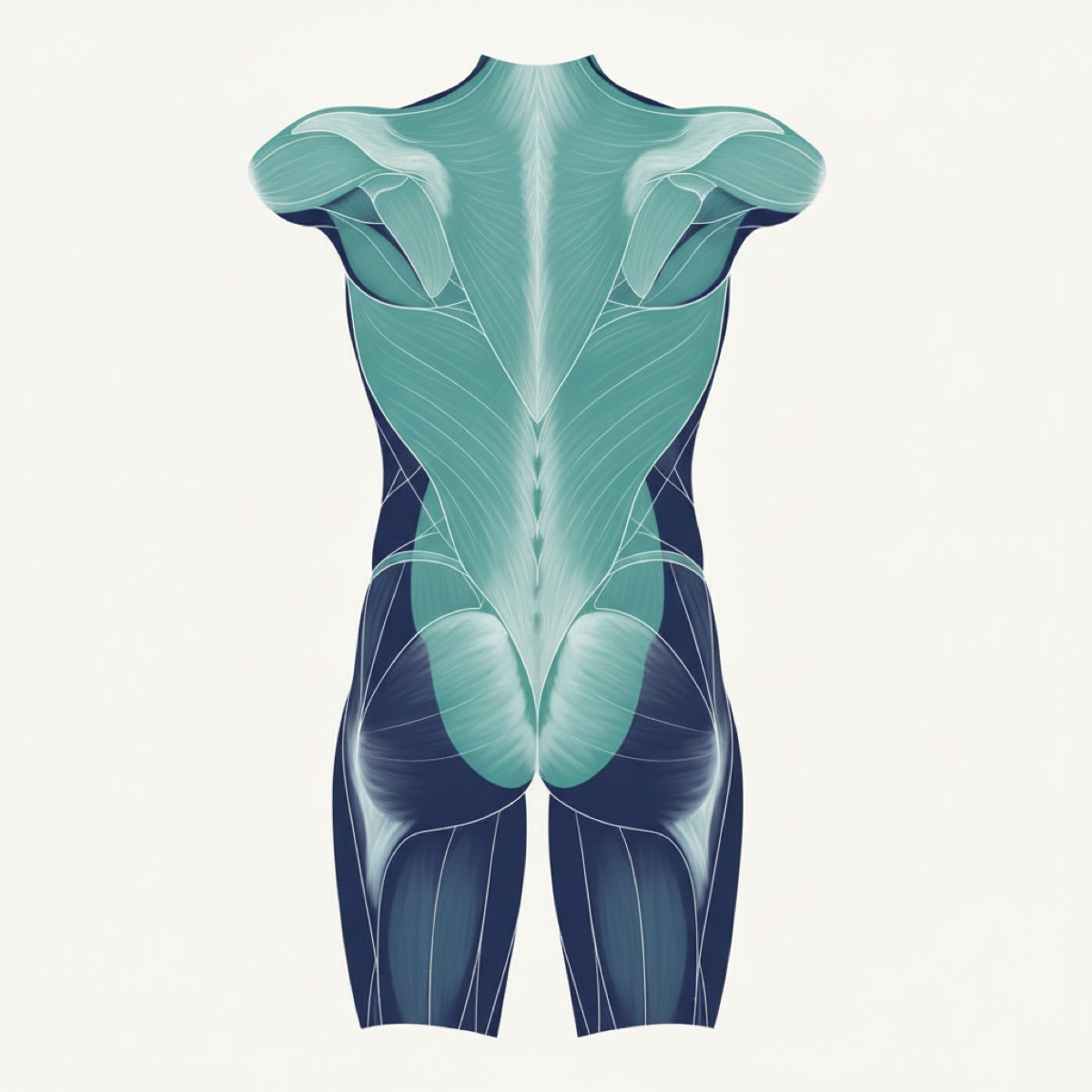
The techniques highlighted in the video involve indirect manipulation of fascia rather than direct facial contact. These include targeting muscles like the triceps and latissimus dorsi, which connect to the shoulder and back, indirectly impacting facial appearance. By addressing these areas, it creates a cascading effect that influences the facial muscles.
The process involves gently pressing and moving the fascia in areas like the underarm, where the triceps and latissimus dorsi intersect. This helps in releasing built-up tension and can lead to a visible change in the face, such as a lifted jawline and a more defined facial contour.
Why is no direct facial contact needed?
Fascia therapy relies on the interconnected nature of the body's tissues. By working on areas distant from the face, therapists can trigger changes that affect facial muscles. This approach minimizes discomfort and focuses on holistic balance rather than isolated treatment.
The video demonstrates that even without touching the face, the jaw and facial contours can be lifted. This is achieved through the manipulation of fascia that indirectly supports facial muscles, leading to a more balanced and harmonious appearance.
What results can you expect from fascia therapy?
Fascia therapy can result in a slimmer and more lifted face, as observed in the video. Patients often report a noticeable change in their appearance, feeling that their face has become more defined and symmetrical. These results are achieved through the careful release of fascia tension around the body.
While individual results may vary, many find that fascia therapy provides a non-invasive option for enhancing facial appearance. It's important to remember that these changes are gradual and depend on regular practice and professional guidance to maintain the benefits.
Frequently asked questions
Is fascia therapy safe? — Yes, when performed by a trained professional, fascia therapy is generally safe and non-invasive. It focuses on gentle manipulation of the body's tissues to promote balance and reduce tension.
How long do the effects of fascia therapy last? — The duration of results can vary based on individual factors and consistency of treatment. Regular sessions may be necessary to maintain the desired effects.
Can I perform fascia therapy at home? — While some basic techniques can be practiced at home, it's recommended to consult with a professional to ensure correct technique and avoid any potential harm.
References
- [1]Field R, Pourkazemi F, Turton J, Rooney K. Dietary interventions are beneficial for patients with chronic pain: a systematic review with meta-analysis. Pain Med. 2021;22(3):694–714.
- [2]Taljanovic MS, Gimber LH, Becker GW, et al. Shear-wave elastography: basic physics and musculoskeletal applications. RadioGraphics. 2017;37(3):855–870.
- [3]Langevin HM. Connective tissue: a body-wide signaling network? Med Hypotheses. 2006;66(6):1074–1077.
- [4]Schleip R. Fascial plasticity — a new neurobiological explanation. J Bodyw Mov Ther. 2003;7(1):11–19.
- [5]Wilke J, Krause F, Vogt L, Banzer W. What Is Evidence-Based About Myofascial Chains? A Systematic Review. Arch Phys Med Rehabil. 2016;97(3):454–461.
- [6]Krause F, Wilke J, Vogt L, Banzer W. Intermuscular force transmission along myofascial chains: a systematic review. J Anat. 2016;228(6):910–918.