Instant Relief for Trigger Finger and Tendonitis
Original title (JP): 腱鞘炎 ばね指を一発で治す #筋膜 #藤井翔悟 #筋膜整体

Supervised by
Shogo Fujii
Physiotherapist (PT) · Founder of the SHOGO FUJII® FASCIA METHOD
View profile →Clinical Article · 5 min read
Fascia release for trigger finger and tendonitis has been gaining attention for its potential to alleviate discomfort and improve mobility. By focusing on the intricate network of fascia, practitioners like Shogo Fujii are exploring new ways to target pain and stiffness. This article delves into the techniques and benefits of fascia therapy, offering insights for both clinicians and informed patients.
How does fascia contribute to trigger finger and tendonitis?
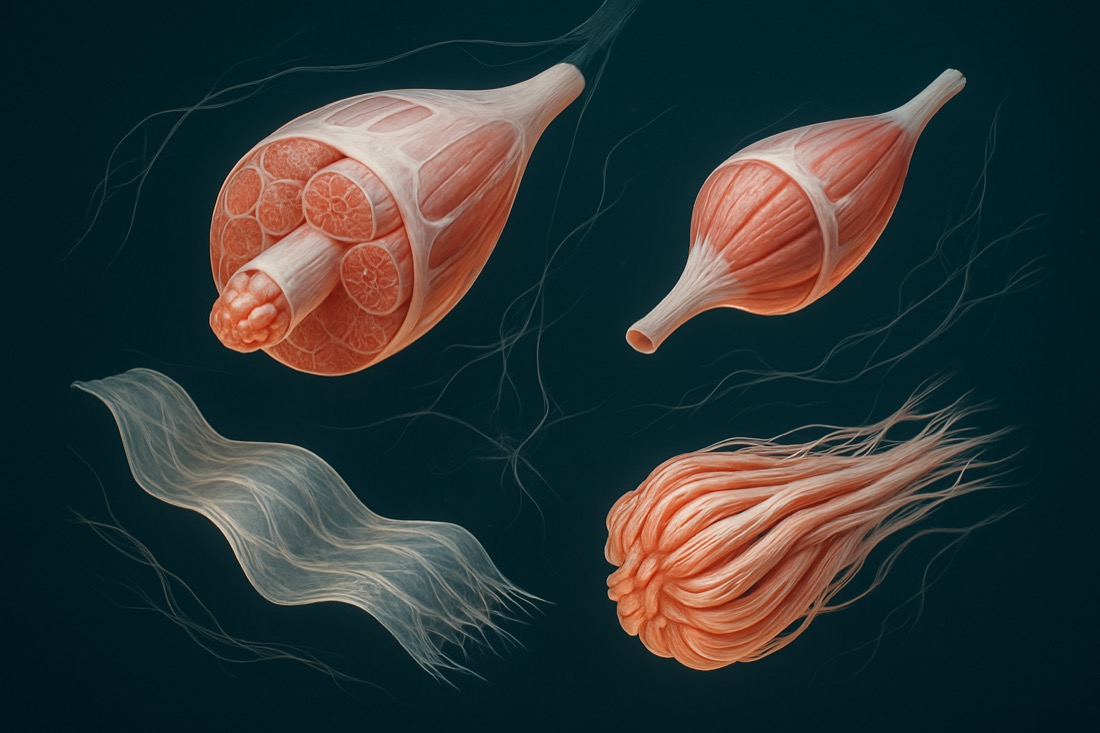
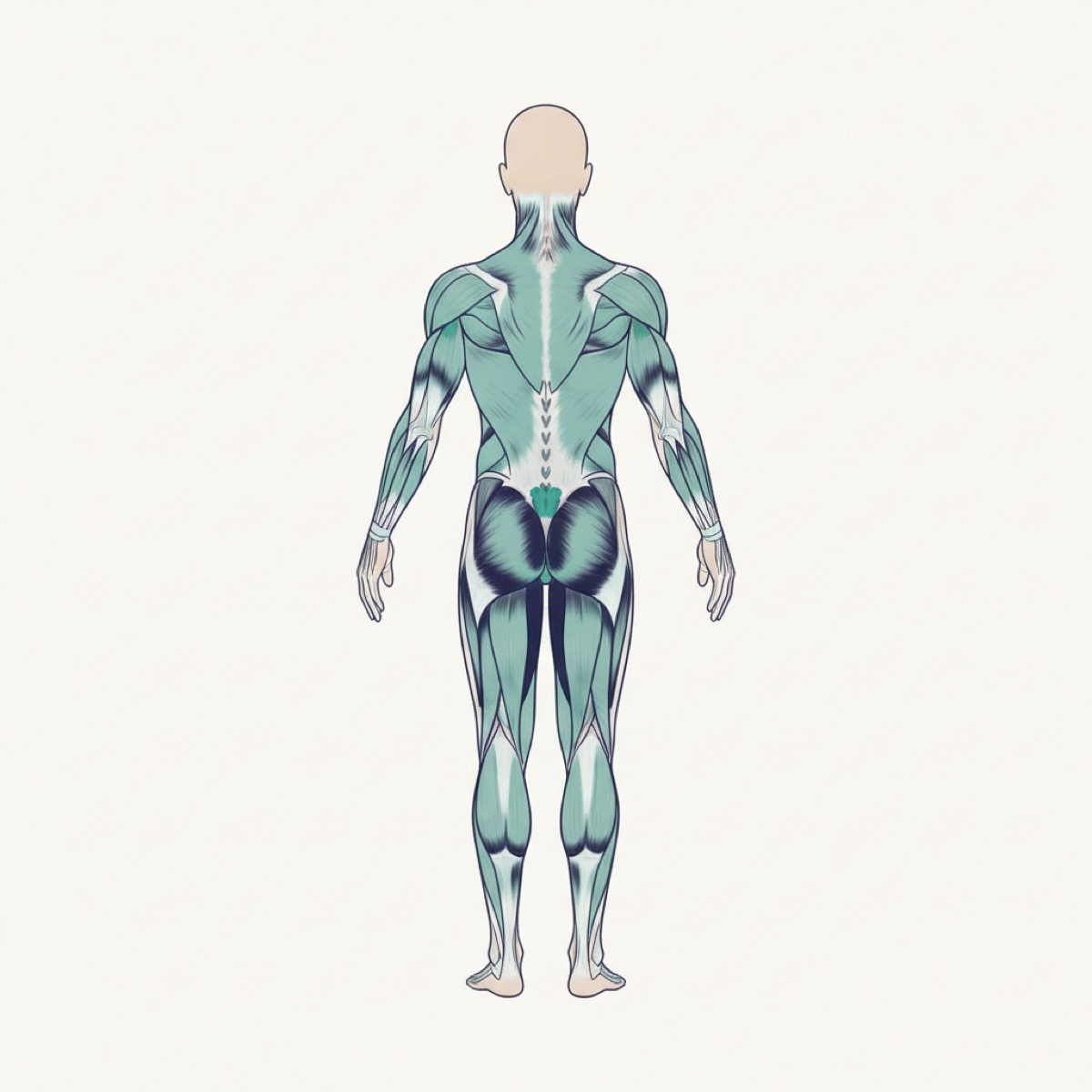
Fascia, the connective tissue surrounding muscles and organs, plays a crucial role in the mobility and health of our limbs. When fascia becomes tight or restricted, it can contribute to conditions like trigger finger and tendonitis by limiting movement and causing pain. Understanding how fascia interacts with muscles such as the pectoralis minor and serratus anterior can provide valuable insights into treatment approaches [1][2].
In the video by Shogo Fujii, he highlights the importance of addressing fascia in the context of these conditions. By applying targeted pressure and movement, therapists can release tension in the fascia, potentially reducing symptoms and improving function. This approach underscores the interconnected nature of our musculoskeletal system.
What techniques are used for fascia release?
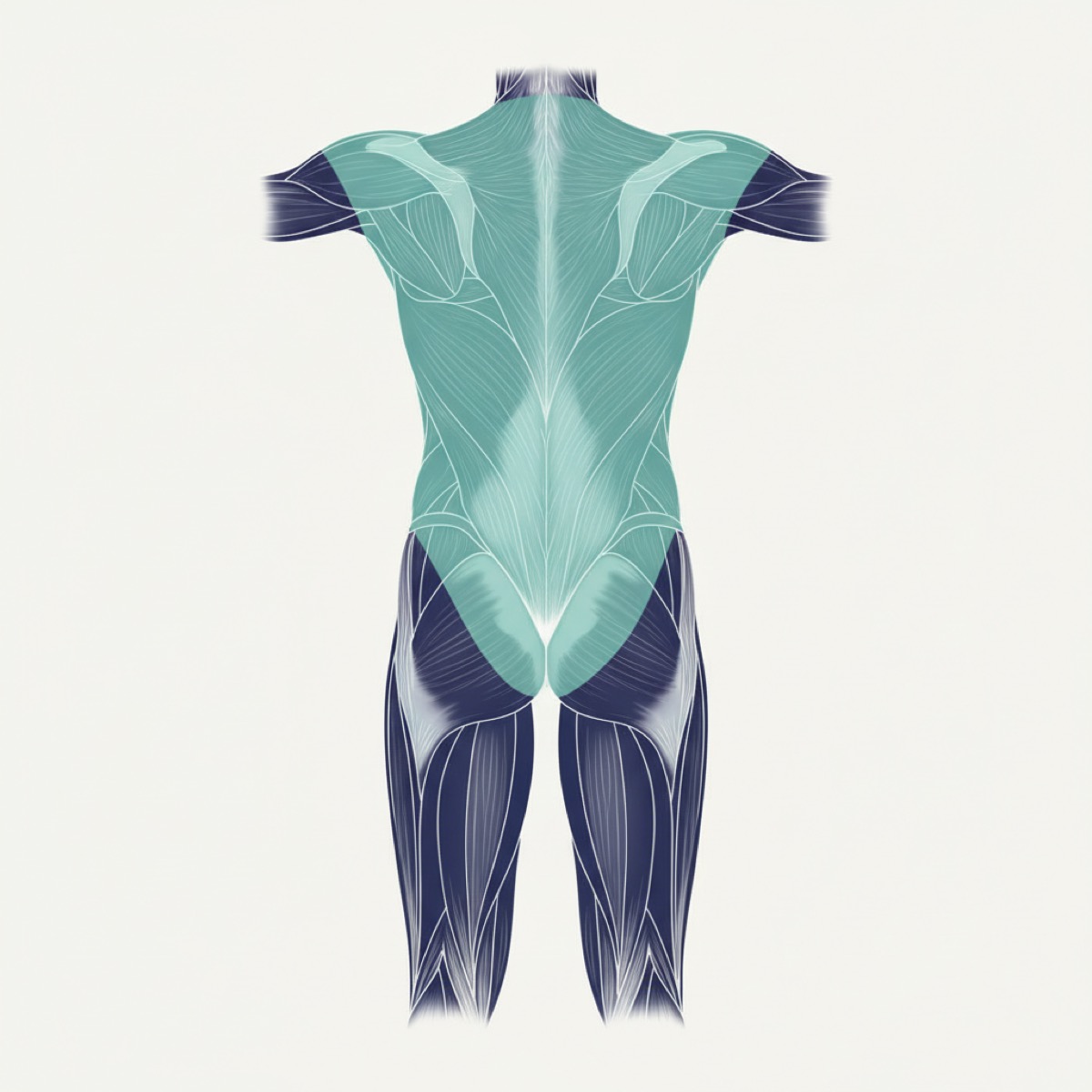
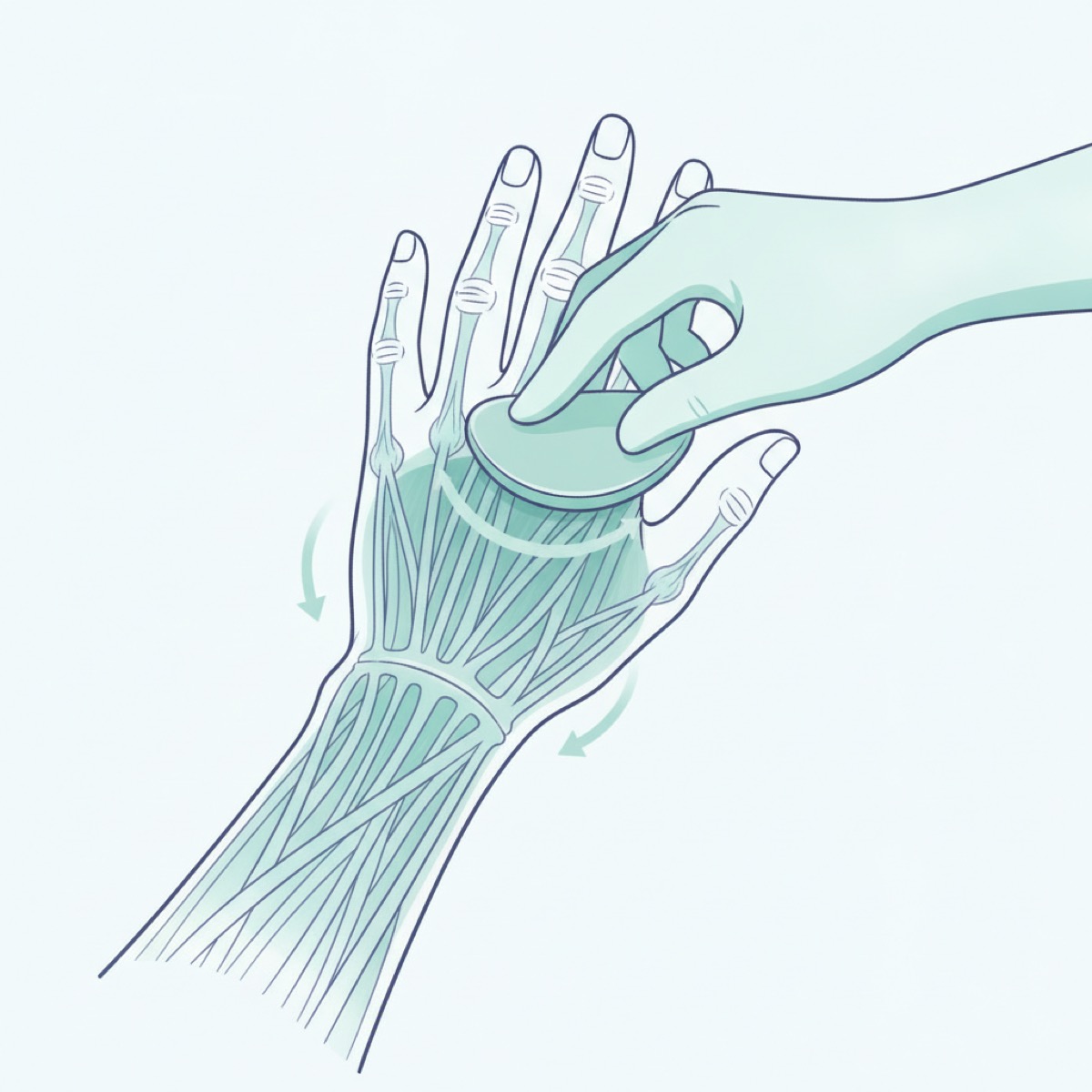
Fujii demonstrates a methodical approach to fascia release, emphasizing the need to focus on specific muscle groups and joint movements. The process involves applying pressure to the middle regions of the muscles, such as the pectoralis minor and serratus anterior, to initiate a release. This pressure helps in alleviating the stiffness and tension that often accompany trigger finger and tendonitis [3][4].
Additionally, Fujii points out the significance of certain positions, like shoulder abduction at 90°, which can facilitate the relaxation of fascia. By pressing and gently vibrating these areas, practitioners can encourage a more fluid range of motion. This technique requires a delicate balance of force and precision, tailored to the individual's response.
Why target the pectoralis minor and serratus anterior?
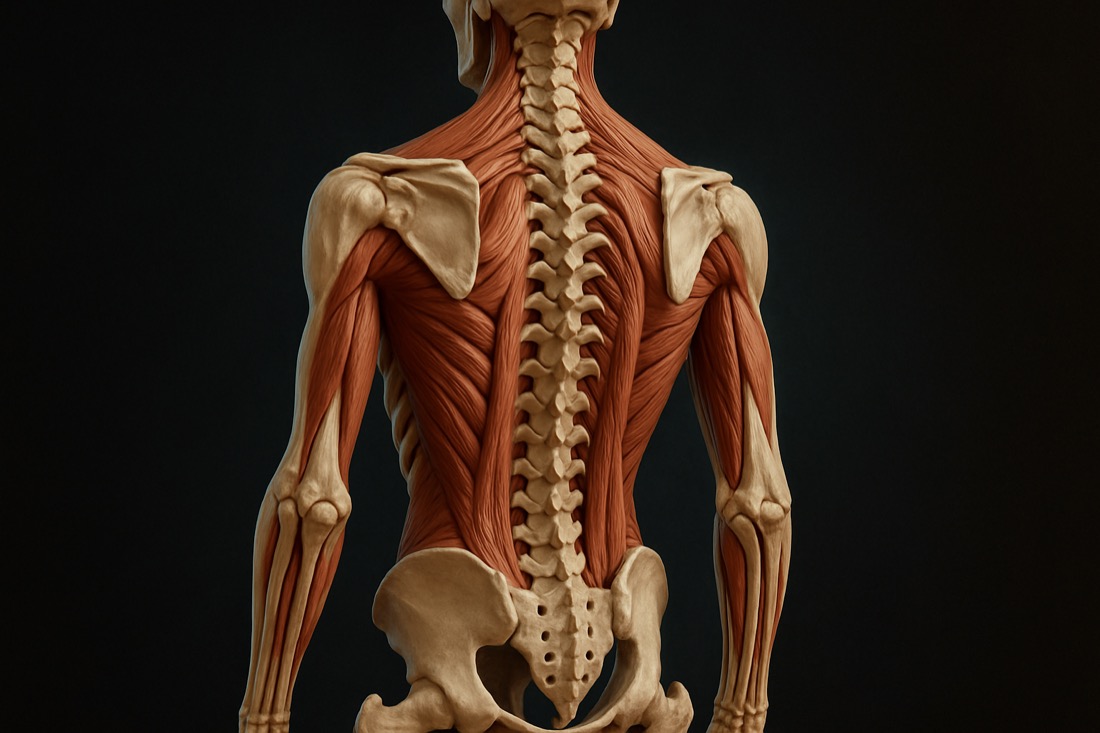
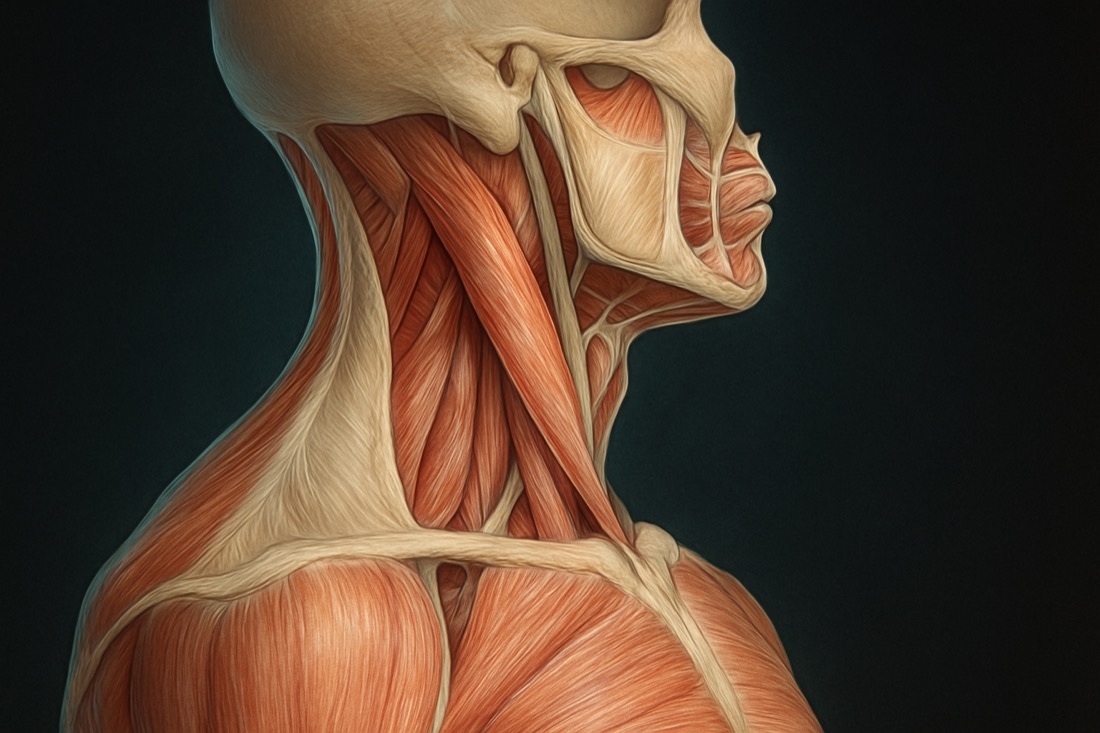
The pectoralis minor and serratus anterior are pivotal in maintaining shoulder and arm function. Tightness in these muscles can lead to compensatory movements and exacerbate conditions like trigger finger and tendonitis. By focusing on these areas, therapists can address underlying fascial restrictions that contribute to pain and limited mobility [5].
Fujii's approach involves a combination of muscle activation and release techniques that specifically target these muscle groups. By doing so, the fascia associated with these muscles can be effectively released, potentially leading to improved outcomes for patients.
What are the benefits of fascia release for trigger finger?
Fascia release can offer several benefits for individuals suffering from trigger finger, including reduced pain, increased flexibility, and improved hand function. By addressing the fascial components of the condition, patients may experience a more comprehensive relief that goes beyond temporary symptom management [6].
Fujii's techniques highlight the importance of a holistic approach, considering not just the affected finger but the entire arm and shoulder complex. This can lead to more sustainable results and a better understanding of the body's interconnected systems.
Frequently asked questions
Is fascia release safe? — Fascia release is generally considered safe when performed by trained professionals. It is important to ensure that the therapist is knowledgeable about anatomy and the specific needs of the patient.
How long does it take to see results? — Results can vary depending on the individual and the severity of the condition. Some patients may experience relief after a few sessions, while others might require a longer treatment plan.
Can fascia release be done at home? — While certain techniques can be performed at home with guidance, it is recommended to consult with a professional to ensure proper technique and avoid injury.
References
- [1]Ajimsha MS, Al-Mudahka NR, Al-Madzhar JA. Effectiveness of myofascial release: a systematic review of randomized controlled trials. J Bodyw Mov Ther. 2015;19(1):102–112.
- [2]Tozzi P, Bongiorno D, Vitturini C. Fascial release effects on patients with non-specific cervical or lumbar pain. J Bodyw Mov Ther. 2011;15(4):405–416.
- [3]Zügel M, Maganaris CN, Wilke J, et al. Fascial tissue research in sports medicine: from molecules to tissue adaptation, injury and diagnostics: consensus statement. Br J Sports Med. 2018;52(23):1497.
- [4]Klingler W, Velders M, Hoppe K, Pedro M, Schleip R. Clinical relevance of fascial tissue and dysfunctions. Curr Pain Headache Rep. 2014;18(8):439.
- [5]Wilke J, Vogt L, Niederer D, Banzer W. Is remote stretching based on myofascial chains as effective as local exercise? A randomised-controlled trial. J Sports Sci. 2017;35(20):2021–2027.
- [6]Palomeque-del-Cerro L, Arráez-Aybar LA, Rodríguez-Blanco C, et al. A systematic review of the soft-tissue connections between neck muscles and dura mater: the myodural bridge. Spine. 2017;42(1):49–54.