Unlocking the Secrets of Fascia Release: Evidence-Based Techniques
Original title (JP): 医学的に認められた!筋膜リリースの極意 #筋膜 #美容 #藤井翔悟 #治し方

Supervised by
Shogo Fujii
Physiotherapist (PT) · Founder of the SHOGO FUJII® FASCIA METHOD
View profile →Clinical Article · 5 min read
Fascia release therapy has gained attention as an effective method for alleviating various types of pain and discomfort. By understanding the complex network of fascia in the body, you can unlock its potential to improve mobility and reduce tension. This article delves into the evidence-based techniques of fascia release, offering insights into how these methods can be applied in clinical settings.
How does fascia release work?
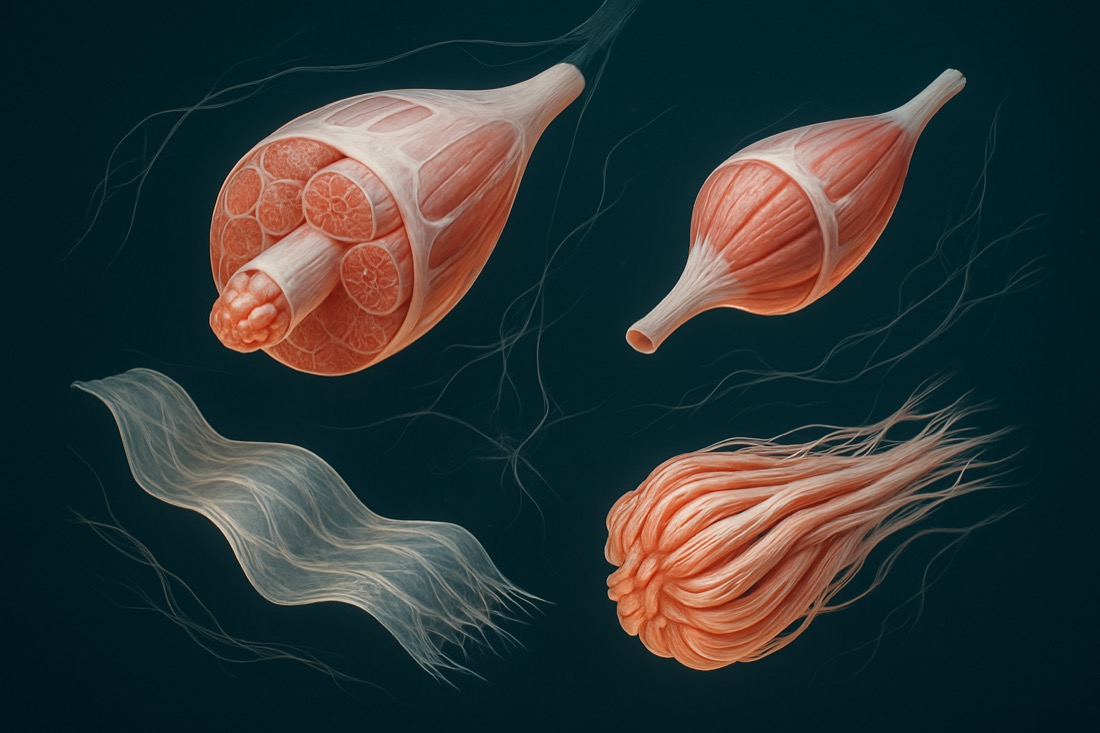
Fascia is a connective tissue that envelops muscles, organs, and other structures within the body. When this tissue becomes tight or restricted, it can lead to pain and limited movement. Fascia release techniques aim to alleviate these restrictions by applying pressure to specific areas, allowing the fascia to stretch and relax. This process can enhance overall mobility and reduce discomfort [1][2].
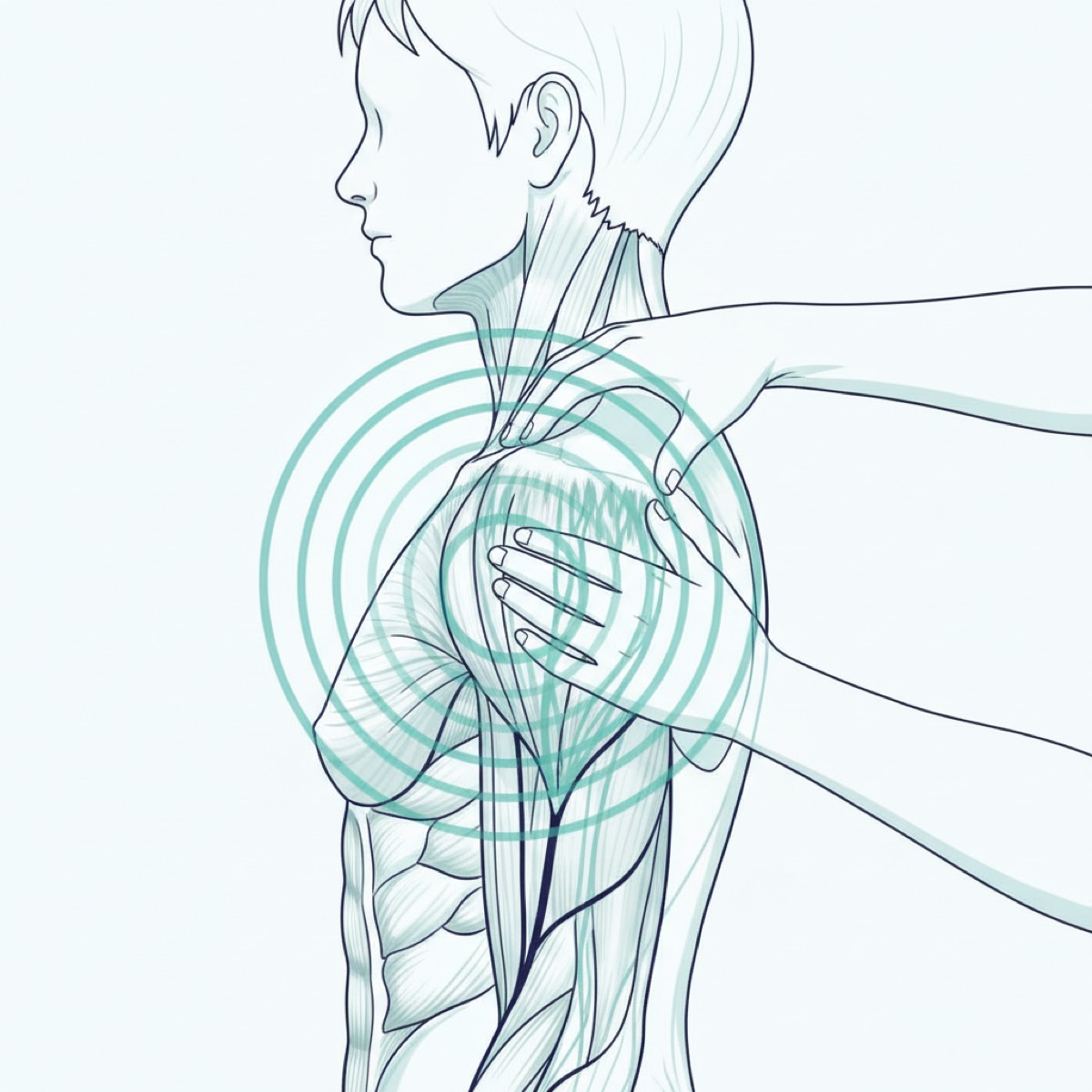
In the video by Shogo Fujii, a demonstration reveals how pressing certain points on the shoulder can cause a reflexive response in other parts of the body, such as the hip. This interconnectedness highlights the importance of understanding the fascia's role in body mechanics and the potential for targeted therapy to yield significant results [3].

What are the benefits of fascia release?
Fascia release offers a range of benefits, including improved range of motion, decreased pain, and enhanced circulation. By targeting areas where fascia is restricted, practitioners can help patients experience a sense of warmth and relaxation as tension is relieved. This method is particularly beneficial for individuals with chronic pain conditions, as it provides a non-invasive option for pain management [4].
The video illustrates how effective fascia release can lead to noticeable changes, such as increased shoulder mobility and warmth in the lower back. These outcomes suggest that fascia release not only addresses localized pain but also promotes overall well-being by facilitating better body alignment and function [5].
What to expect during a fascia release session?
During a fascia release session, a practitioner will apply gentle, sustained pressure to the affected areas. Patients may feel a mild discomfort as the fascia begins to stretch and release, but this sensation is typically followed by a sense of relief and increased mobility. The session may last anywhere from 30 minutes to an hour, depending on the areas being targeted.
Patients often report a feeling of warmth and relaxation following a session, as demonstrated in the video. This response is believed to be due to improved blood flow and the release of tension throughout the body. It is important for patients to communicate with their practitioner to ensure that the pressure applied is within their comfort level [6].
Why is fascia release important for overall health?
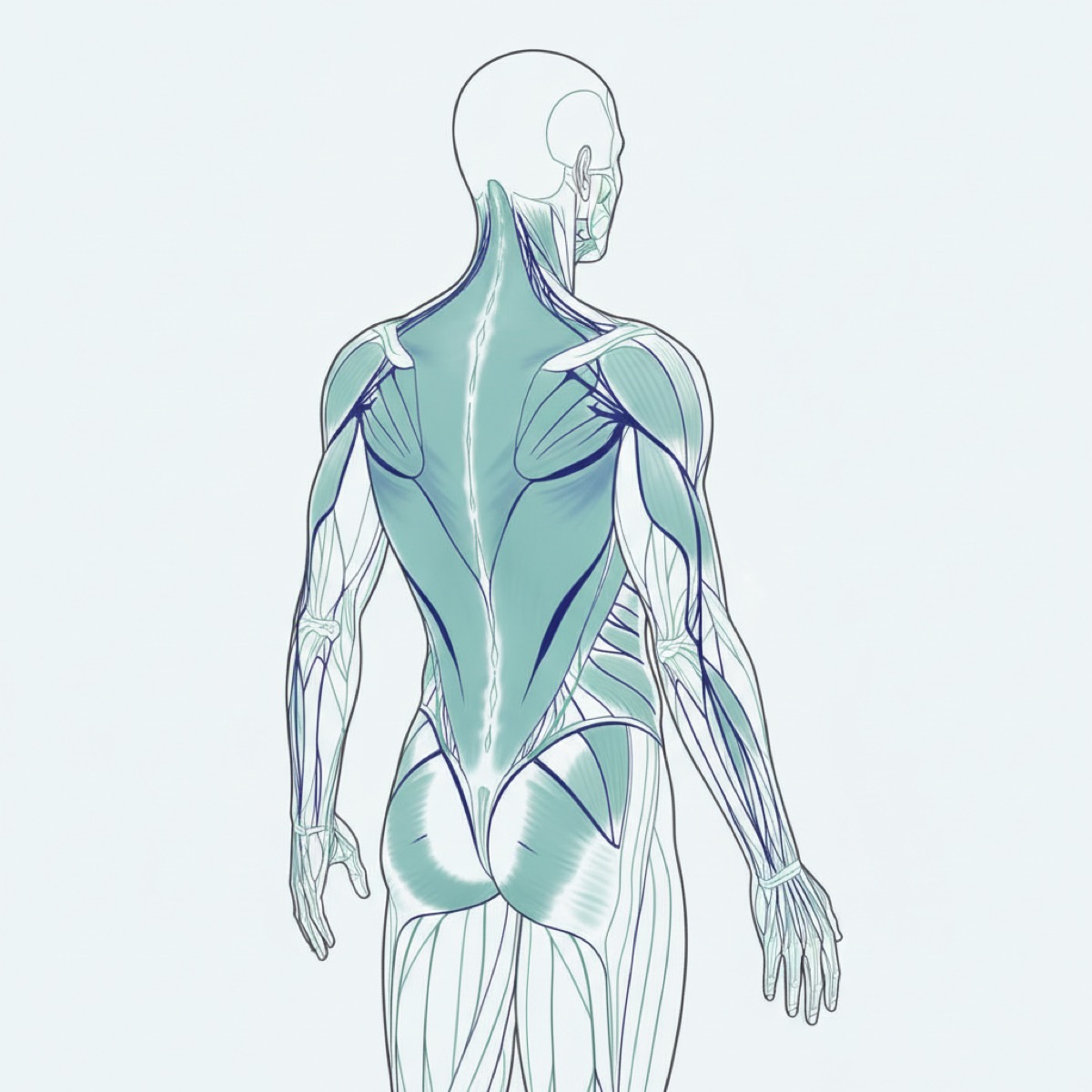
Fascia plays a critical role in maintaining the structural integrity of the body. When fascia is properly aligned and free from restrictions, it supports efficient movement and reduces the risk of injuries. Regular fascia release can help maintain this alignment, promoting better posture and reducing the likelihood of chronic pain conditions.
The interconnected nature of fascia means that issues in one area can affect the entire body. By addressing these issues through fascia release, individuals can experience a holistic improvement in their physical health. This approach not only addresses specific pain points but also contributes to a more balanced and harmonious bodily function.
Frequently asked questions
Is fascia release safe? — Fascia release is generally considered safe when performed by a trained professional. It is important to communicate with your therapist to ensure the pressure applied is comfortable and appropriate for your condition.
How often should I undergo fascia release therapy? — The frequency of fascia release therapy sessions depends on individual needs and conditions. Some may benefit from weekly sessions, while others may only require treatment as needed for pain relief or maintenance.
Can fascia release help with chronic pain? — Fascia release can be an effective component of a comprehensive pain management plan for chronic conditions. It may help reduce pain and improve mobility, but it should be used in conjunction with other treatments as recommended by a healthcare provider.
References
- [1]Schleip R. Fascial plasticity — a new neurobiological explanation. J Bodyw Mov Ther. 2003;7(1):11–19.
- [2]Wilke J, Krause F, Vogt L, Banzer W. What Is Evidence-Based About Myofascial Chains? A Systematic Review. Arch Phys Med Rehabil. 2016;97(3):454–461.
- [3]Krause F, Wilke J, Vogt L, Banzer W. Intermuscular force transmission along myofascial chains: a systematic review. J Anat. 2016;228(6):910–918.
- [4]Stecco C, Stern R, Porzionato A, et al. Hyaluronan within fascia in the etiology of myofascial pain. Surg Radiol Anat. 2011;33(10):891–896.
- [5]Ajimsha MS, Al-Mudahka NR, Al-Madzhar JA. Effectiveness of myofascial release: a systematic review of randomized controlled trials. J Bodyw Mov Ther. 2015;19(1):102–112.
- [6]Tozzi P, Bongiorno D, Vitturini C. Fascial release effects on patients with non-specific cervical or lumbar pain. J Bodyw Mov Ther. 2011;15(4):405–416.
Related videos
Balancing the Body through the Gut-Brain Axis: Proven Techniques by Professionals
1:00
Enhancing Tanden Power: Effective Squat Techniques for Therapists
1:15