Effective Remedies for Hand and Foot Numbness
Original title (JP): 手足の痺れほど特効薬! #筋膜 #藤井翔悟 #治し方

Supervised by
Shogo Fujii
Physiotherapist (PT) · Founder of the SHOGO FUJII® FASCIA METHOD
View profile →Clinical Article · 5 min read
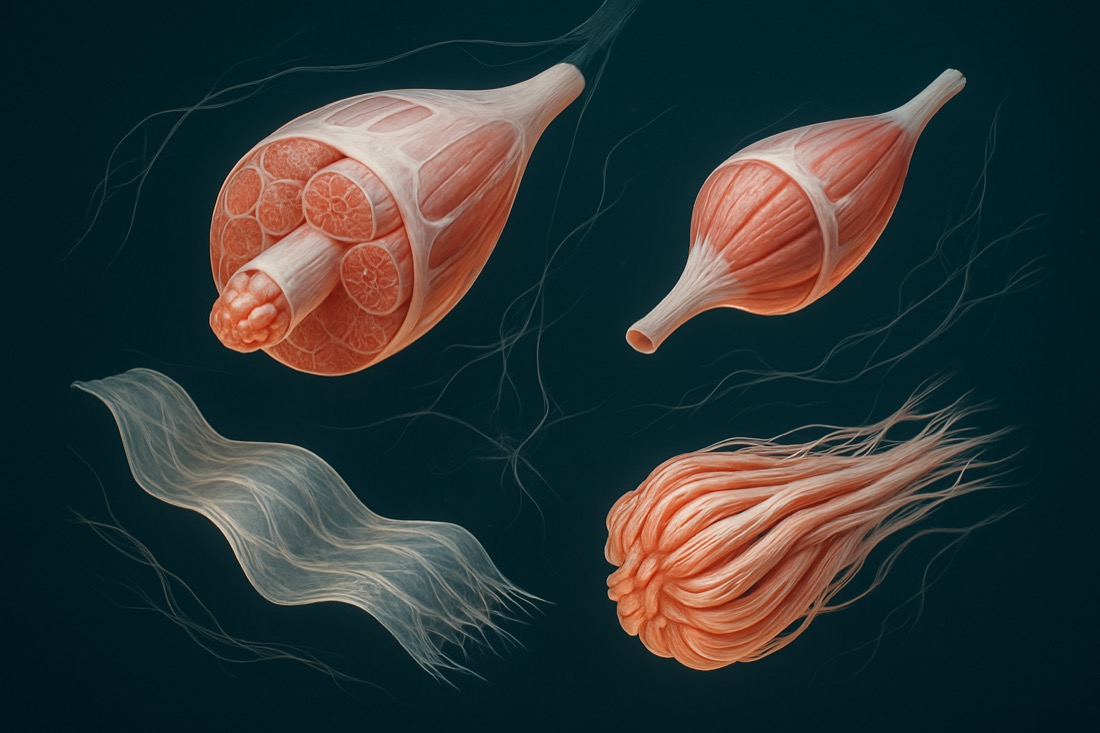
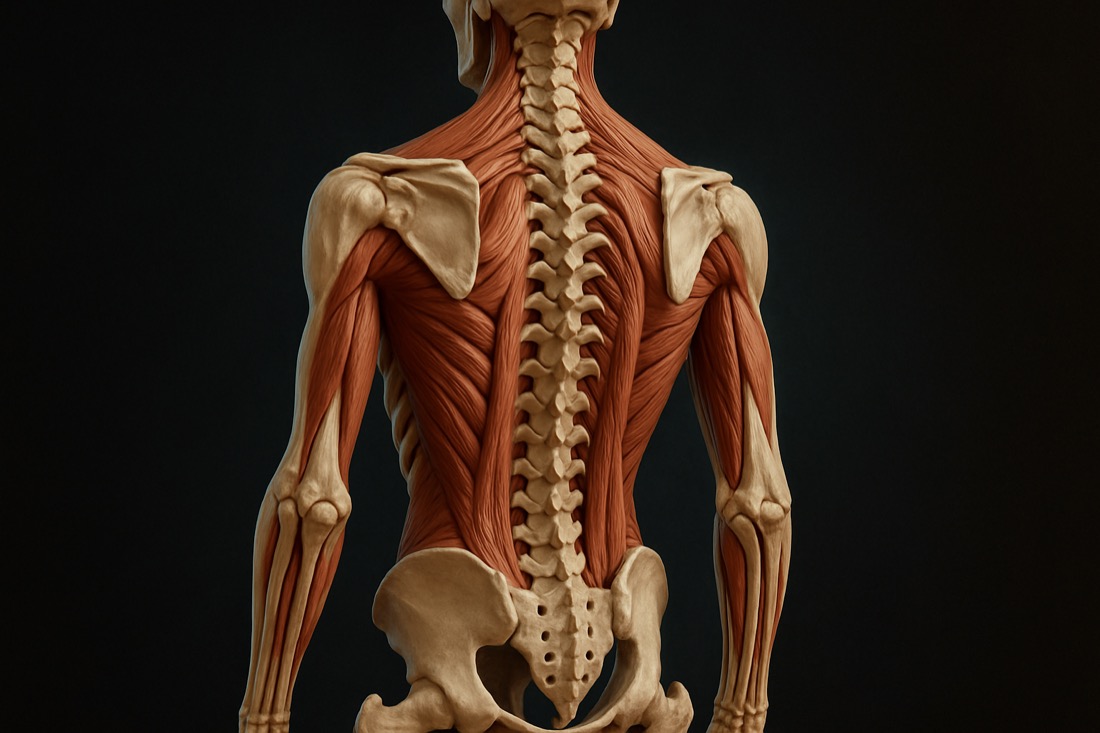
Experiencing hand and foot numbness can be distressing, but fascia release techniques offer a promising remedy. This method focuses on the intricate network of fascia, the connective tissue surrounding muscles, to alleviate discomfort and improve mobility. Understanding and applying these techniques can lead to significant relief from symptoms.
How can fascia release relieve hand and foot numbness?
Fascia release is a therapeutic technique that targets the connective tissue enveloping muscles and organs. By manipulating this tissue, we can alleviate tension and improve circulation, which may help reduce symptoms like numbness in the hands and feet. The process involves gentle pressure and stretching to loosen tight fascia, potentially providing relief from associated discomfort and enhancing overall mobility.
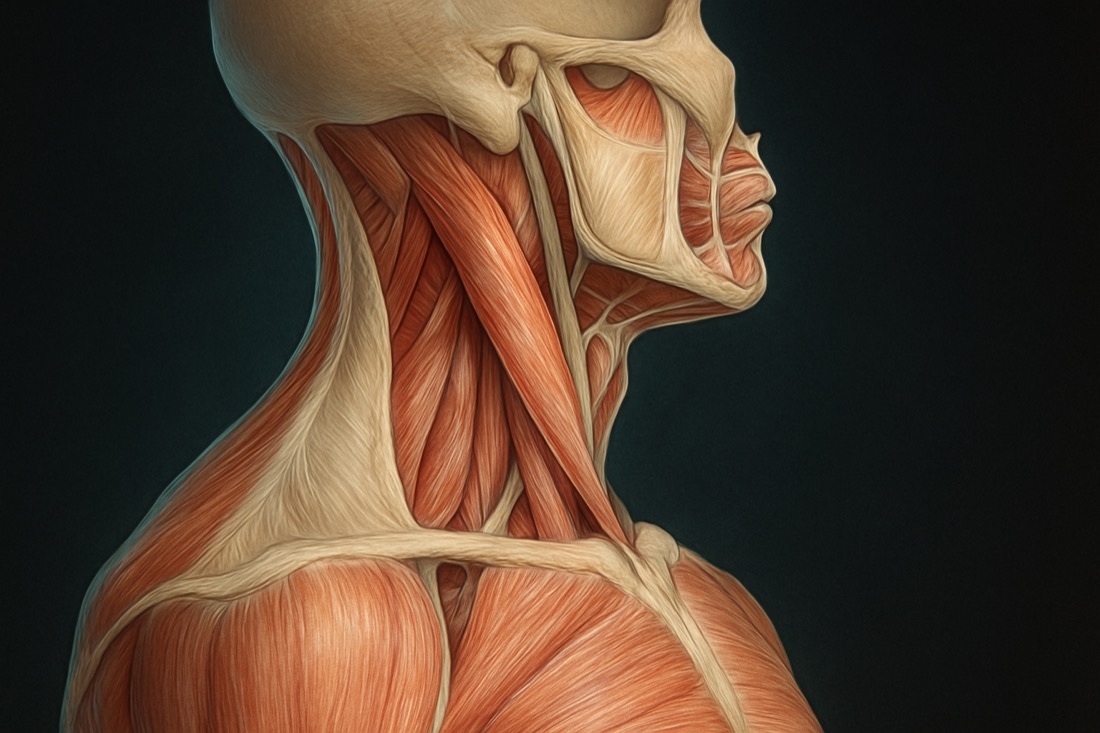
The process described by Shogo Fujii emphasizes the importance of specific muscle groups such as the sternocleidomastoid and scalene muscles. These muscles, when tense, can contribute to nerve compression and subsequent numbness. By targeting these areas through fascia release, practitioners aim to reduce tension and improve nerve function.
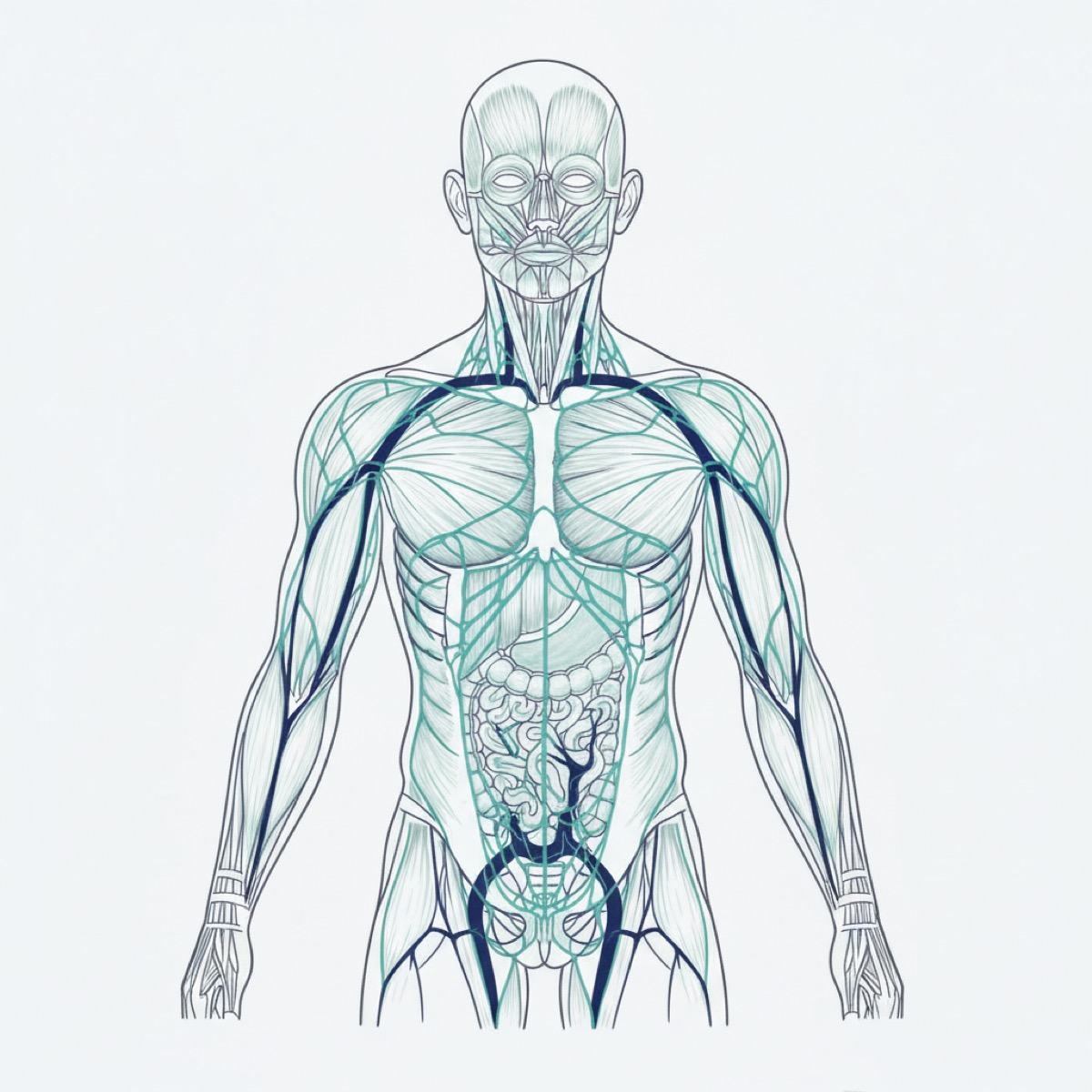
What are the steps involved in fascia release?
Fascia release involves a series of steps that require precision and understanding of anatomy. Fujii highlights the importance of using fingers to apply pressure on specific muscles, such as the sternocleidomastoid. This involves pressing with the index, middle, and ring fingers to engage the muscle effectively.
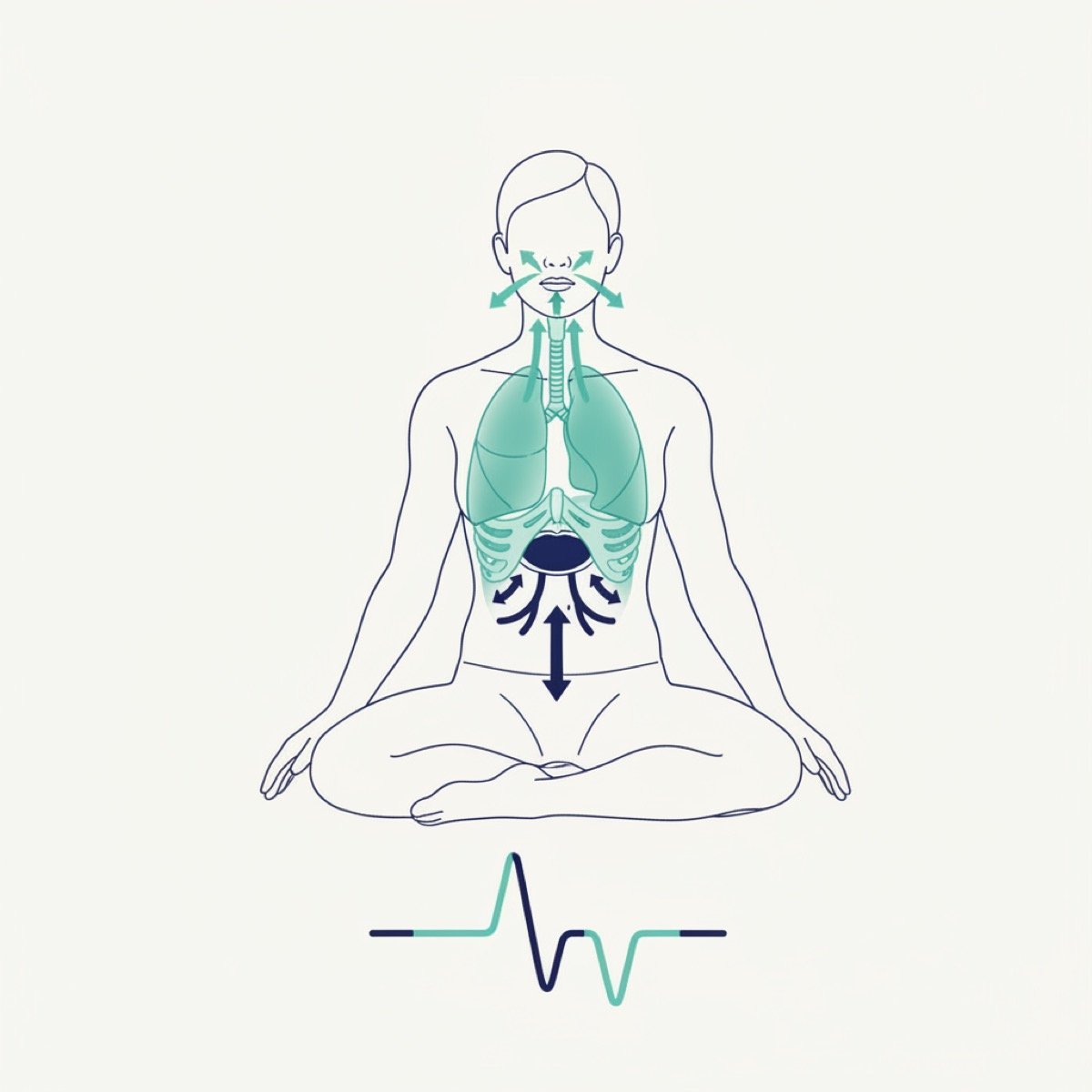
The technique also includes a combination of pulling and downward movements to stretch the fascia. This is often accompanied by controlled breathing exercises, where patients inhale through the nose and exhale through the mouth. These steps help in relaxing the muscles and facilitating the release of fascia tension.
Why is breathing important in fascia release?
Breathing plays a crucial role in fascia release, acting as a natural way to enhance relaxation and facilitate the process. By focusing on deep, controlled breathing, patients can help reduce muscle tension and improve the effectiveness of the release technique.
In Fujii's method, breathing is synchronized with the application of pressure and movement. This not only aids in the physical release of fascia but also helps in calming the nervous system, which can be beneficial for those experiencing numbness due to stress or tension.
What benefits can you expect from fascia release?
Patients who undergo fascia release may experience a reduction in symptoms such as numbness in the hands and feet. The technique can also improve overall muscle flexibility and reduce the feeling of tightness, leading to better mobility and comfort.
While results can vary, many individuals report a sensation of lightness and relief following a session. It's important to note that while fascia release can be effective, it is not a guaranteed cure and should be considered as part of a comprehensive treatment plan.
Frequently asked questions
Is fascia release safe? — Yes, fascia release is generally considered safe when performed by a trained professional. However, it is important to consult with a healthcare provider to ensure it is appropriate for your specific condition.
Can fascia release help with chronic pain? — Fascia release may help alleviate chronic pain by reducing tension and improving circulation. However, its effectiveness can vary, and it should be used in conjunction with other treatment modalities.
How often should fascia release be performed? — The frequency of fascia release sessions can vary depending on individual needs and the severity of symptoms. Consulting with a physiotherapist can help determine an appropriate schedule.
References
- [1]Ajimsha MS, Al-Mudahka NR, Al-Madzhar JA. Effectiveness of myofascial release: a systematic review of randomized controlled trials. J Bodyw Mov Ther. 2015;19(1):102–112.
- [2]Tozzi P, Bongiorno D, Vitturini C. Fascial release effects on patients with non-specific cervical or lumbar pain. J Bodyw Mov Ther. 2011;15(4):405–416.
- [3]Zügel M, Maganaris CN, Wilke J, et al. Fascial tissue research in sports medicine: from molecules to tissue adaptation, injury and diagnostics: consensus statement. Br J Sports Med. 2018;52(23):1497.
- [4]Klingler W, Velders M, Hoppe K, Pedro M, Schleip R. Clinical relevance of fascial tissue and dysfunctions. Curr Pain Headache Rep. 2014;18(8):439.
- [5]Wilke J, Vogt L, Niederer D, Banzer W. Is remote stretching based on myofascial chains as effective as local exercise? A randomised-controlled trial. J Sports Sci. 2017;35(20):2021–2027.
- [6]Palomeque-del-Cerro L, Arráez-Aybar LA, Rodríguez-Blanco C, et al. A systematic review of the soft-tissue connections between neck muscles and dura mater: the myodural bridge. Spine. 2017;42(1):49–54.