Essential Techniques for Therapists: Correcting Cervical Spine Misalignment with the Arm
Original title (JP): セラピスト必見!頚椎1番の歪みを上腕で整えるテクニック #筋膜 #美容 #藤井翔悟

Supervised by
Shogo Fujii
Physiotherapist (PT) · Founder of the SHOGO FUJII® FASCIA METHOD
View profile →Clinical Article · 5 min read
Are you struggling with neck and shoulder discomfort? Learn how a unique technique, using the arm to correct cervical spine misalignment, can provide relief. This method focuses on the fascia between the biceps and triceps, offering a new perspective on pain management and mobility improvement.
How can arm techniques correct cervical spine misalignment?
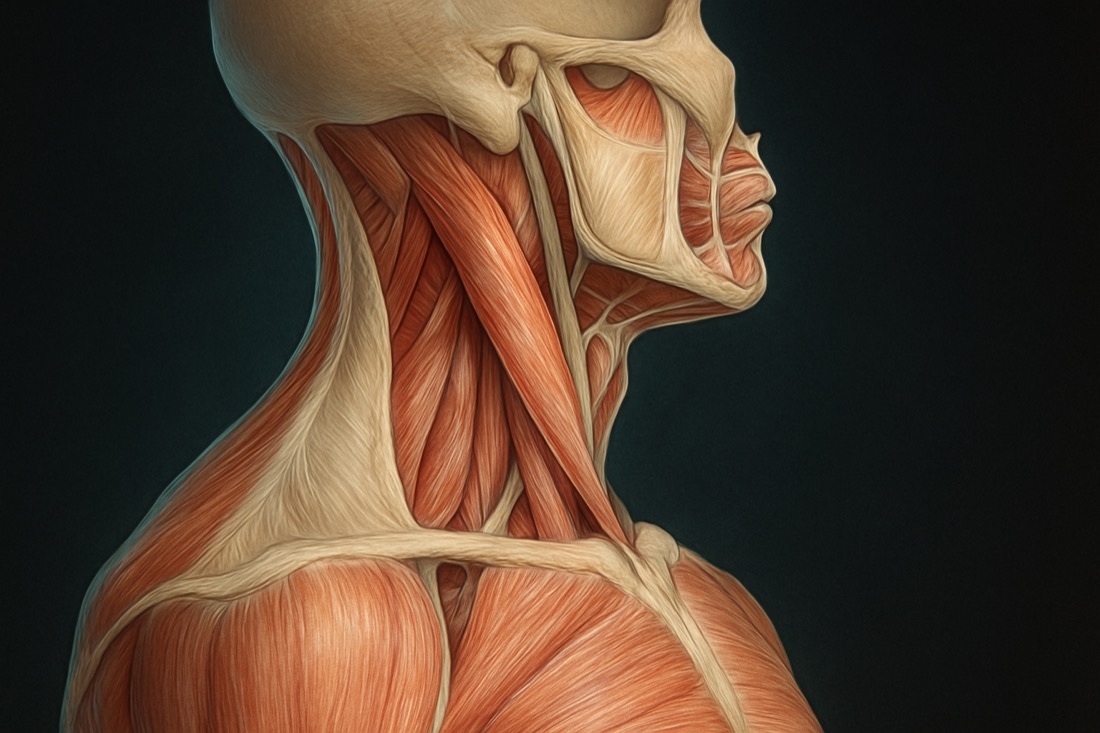
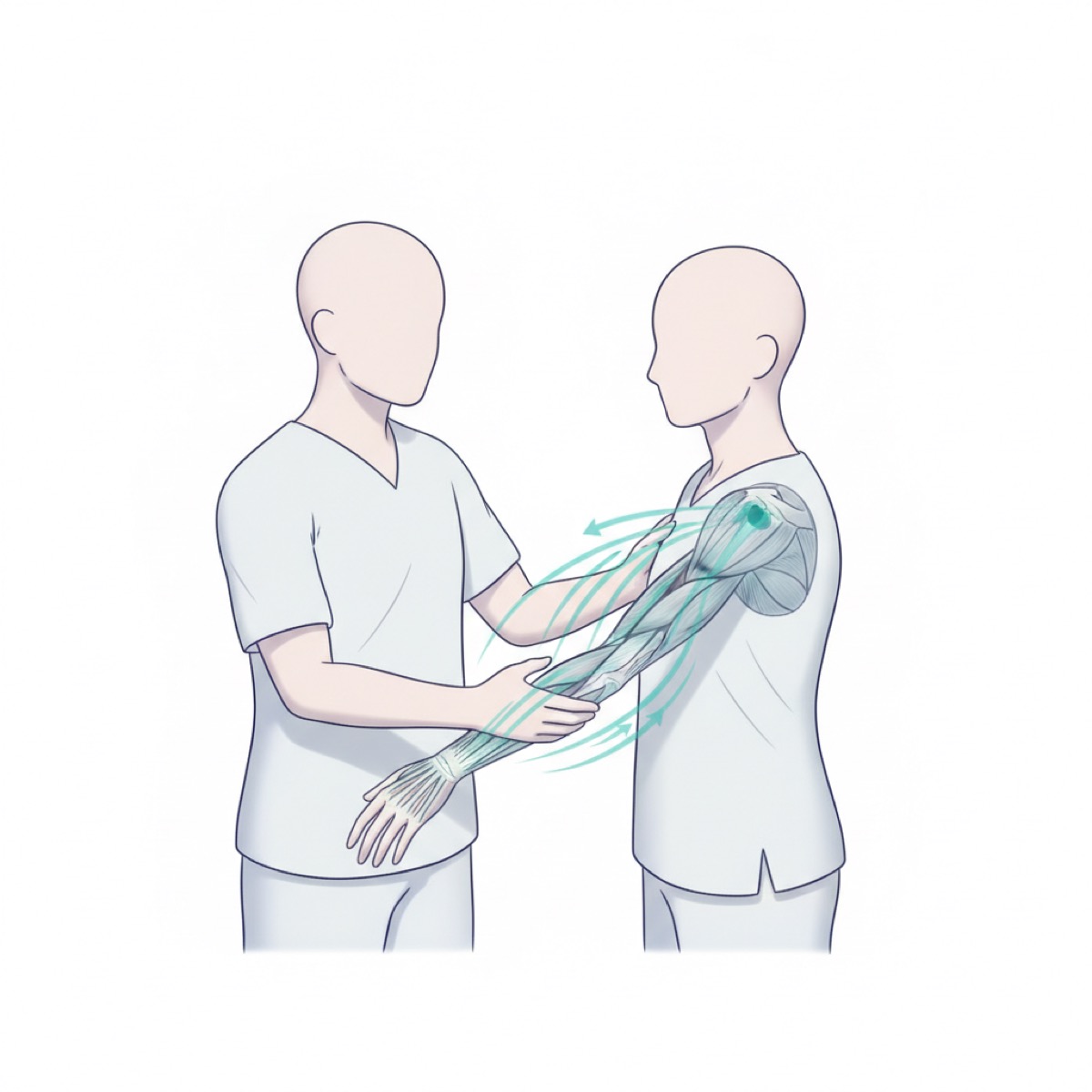
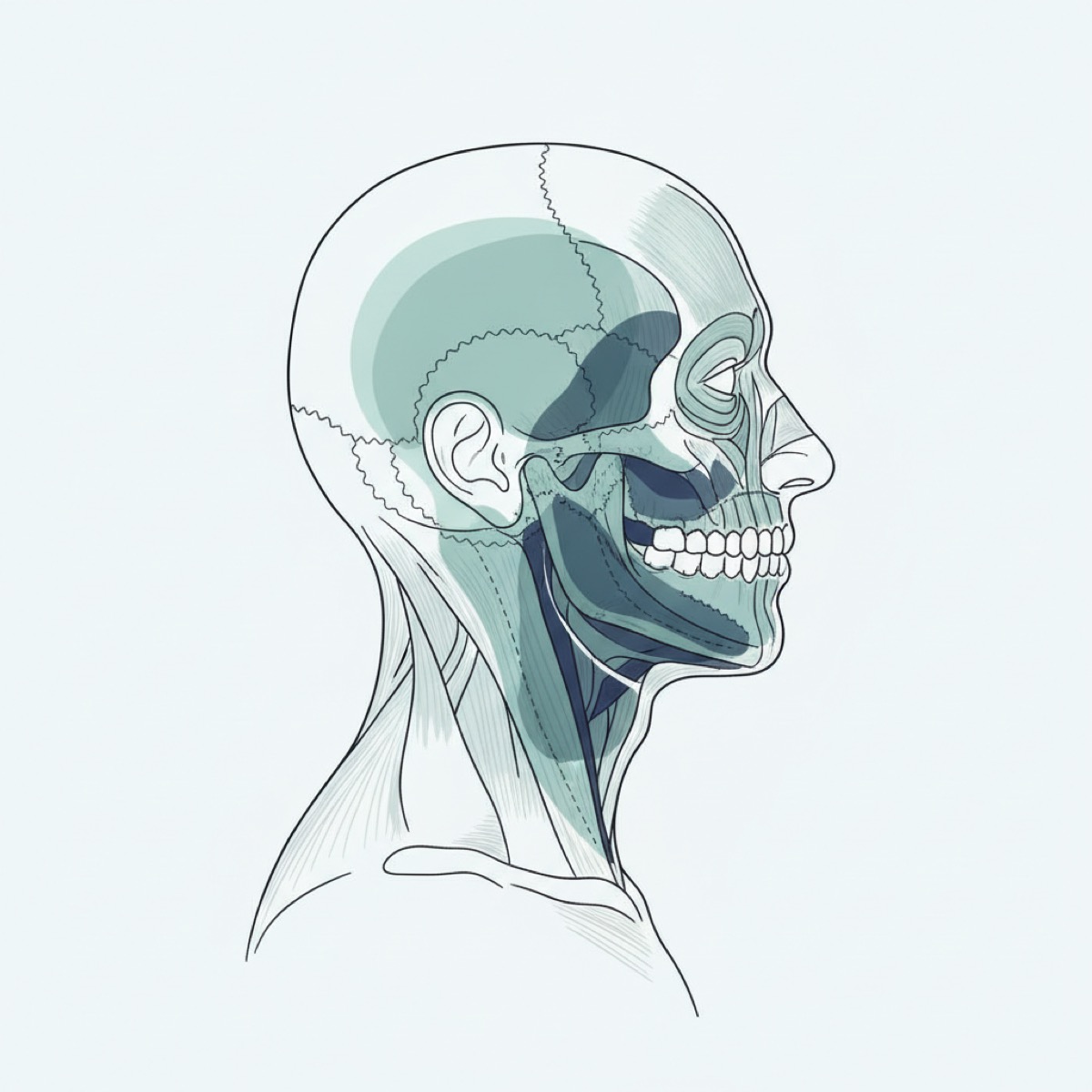
The cervical spine's alignment is crucial for overall neck and shoulder health. Misalignment can lead to discomfort and restricted movement. A novel approach involves using the arm, specifically targeting the fascia between the biceps and triceps, to influence the cervical spine's first vertebra. By applying pressure and traction to this area, therapists can induce movement in the cervical spine, potentially alleviating pain and enhancing mobility.
This method is based on the idea that the fascia in the arm connects intricately with cervical structures. Applying targeted pressure can cause the cervical spine to adjust itself naturally, promoting a more aligned posture. The technique also involves gentle shaking and pulling motions to encourage relaxation and further adjustment.
Why does neck-shoulder pain occur?
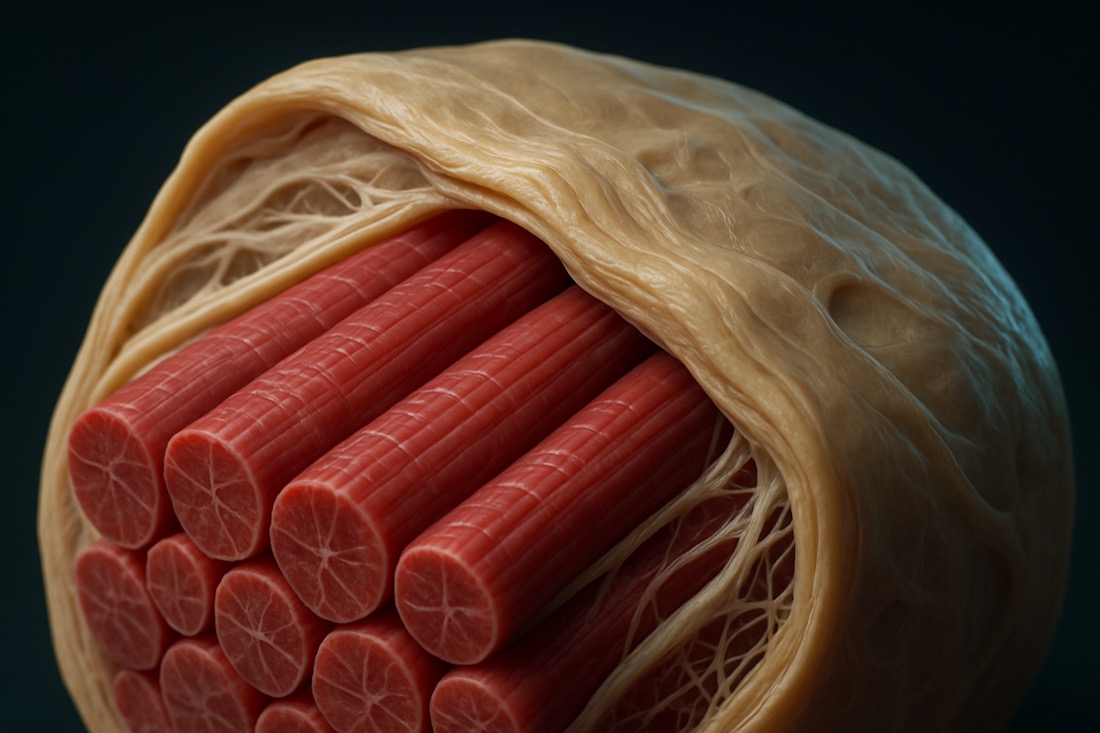
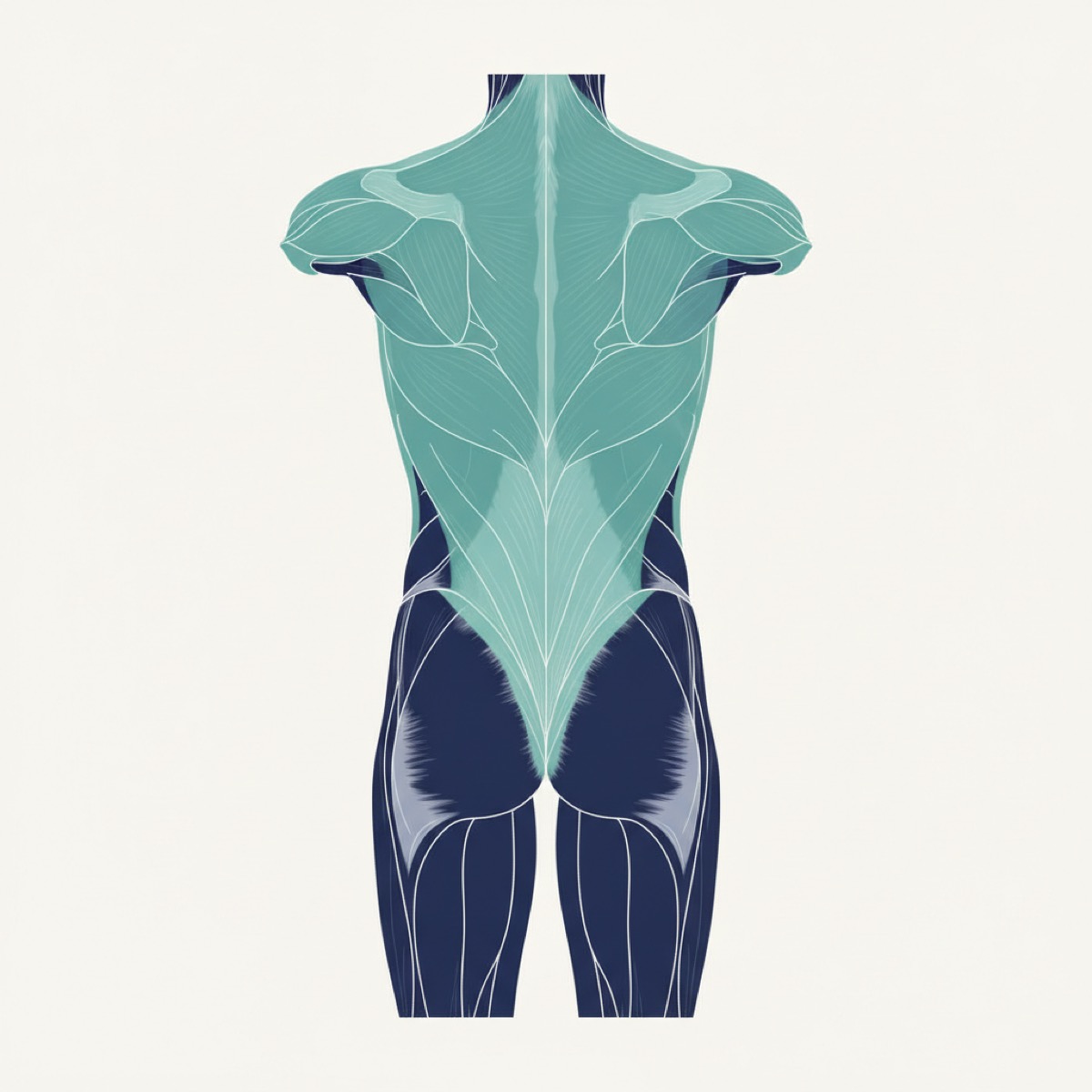
Neck and shoulder pain often arise from poor posture, repetitive strain, or misalignment of the cervical spine. These issues can lead to tension in the surrounding muscles and fascia, causing discomfort and limiting movement. The fascia, a connective tissue network, plays a significant role in transmitting force and maintaining structural integrity. When it becomes tight or misaligned, it can contribute to pain.
Understanding the underlying causes of neck and shoulder pain is essential for effective treatment. By addressing the fascia and its relationship with the cervical spine, therapists can offer targeted relief that goes beyond traditional methods.
What are the benefits of using arm techniques?
Using arm techniques to correct cervical spine misalignment offers several benefits. Firstly, it provides a non-invasive way to address neck and shoulder issues, reducing the need for medication or surgery. Secondly, it can improve mobility by releasing tension in the fascia, allowing for greater range of motion.
Additionally, this approach can enhance overall well-being by promoting better posture and reducing pain. Patients often report a sense of relief and increased upper body movement following treatment, making it a valuable technique for both therapists and patients seeking alternative solutions.
How does this technique influence the occipital and frontal bones?
Beyond affecting the cervical spine, this arm-based technique can also influence the occipital and frontal bones. As the cervical vertebrae adjust, the connected fascia extends its effects to these cranial structures, potentially improving alignment and reducing tension throughout the head and neck.
Patients may experience a feeling of release not only in the neck but also in the head, as the technique encourages movement in these areas. This holistic effect can contribute to overall head and neck balance, offering a comprehensive approach to pain management.
Frequently asked questions
Is fascia release safe? — Yes, when performed by a trained therapist, fascia release is generally safe and can be a beneficial part of a comprehensive treatment plan for neck and shoulder pain.
How long does it take to see results? — Results can vary, but many patients report feeling relief after just a few sessions. Consistency and adherence to therapist recommendations enhance outcomes.
Can I perform fascia release at home? — While some techniques can be practiced at home, it is advisable to seek professional guidance to ensure safety and effectiveness.
References
- [1]Ricciotti E, FitzGerald GA. Prostaglandins and inflammation. Arterioscler Thromb Vasc Biol. 2011;31(5):986–1000.
- [2]Salehi B, Venditti A, Sharifi-Rad M, et al. The therapeutic potential of apigenin. Int J Mol Sci. 2019;20(6):1305.
- [3]Field R, Pourkazemi F, Turton J, Rooney K. Dietary interventions are beneficial for patients with chronic pain: a systematic review with meta-analysis. Pain Med. 2021;22(3):694–714.
- [4]Taljanovic MS, Gimber LH, Becker GW, et al. Shear-wave elastography: basic physics and musculoskeletal applications. RadioGraphics. 2017;37(3):855–870.
- [5]Langevin HM. Connective tissue: a body-wide signaling network? Med Hypotheses. 2006;66(6):1074–1077.
- [6]Schleip R. Fascial plasticity — a new neurobiological explanation. J Bodyw Mov Ther. 2003;7(1):11–19.