Effective Remedies for Hip Pain
Original title (JP): 股関節の痛みの特効薬 #筋膜 #治し方 #筋膜リリース

Supervised by
Shogo Fujii
Physiotherapist (PT) · Founder of the SHOGO FUJII® FASCIA METHOD
View profile →Clinical Article · 5 min read
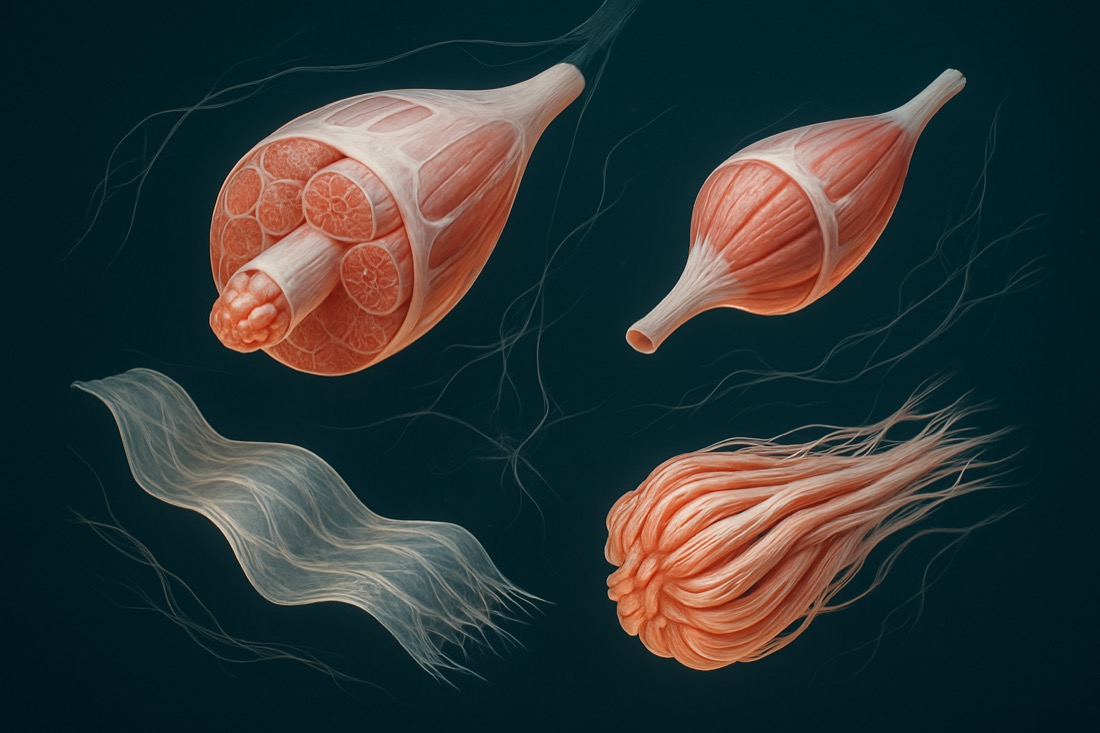
If you're struggling with persistent hip pain, exploring fascia release methods may offer significant relief. Fascia, the connective tissue surrounding muscles, can become tight and lead to discomfort. By understanding and applying effective fascia release techniques, you can alleviate hip pain and improve mobility, without resorting to invasive treatments.
Why does hip pain occur?
Hip pain is often a result of tight fascia, the connective tissue that encases muscles and organs. When fascia is restricted, it can lead to tension and discomfort, particularly in the hip area. This tension is commonly felt during activities such as walking or standing, as the inner thigh muscles experience strain.
Releasing this tension involves identifying and manually manipulating the affected fascia. This process helps to 'loosen' the tissue, allowing for improved movement and reduced pain. It's crucial to address these tight spots to prevent further complications and maintain overall joint health.
How does fascia release work for hip pain?
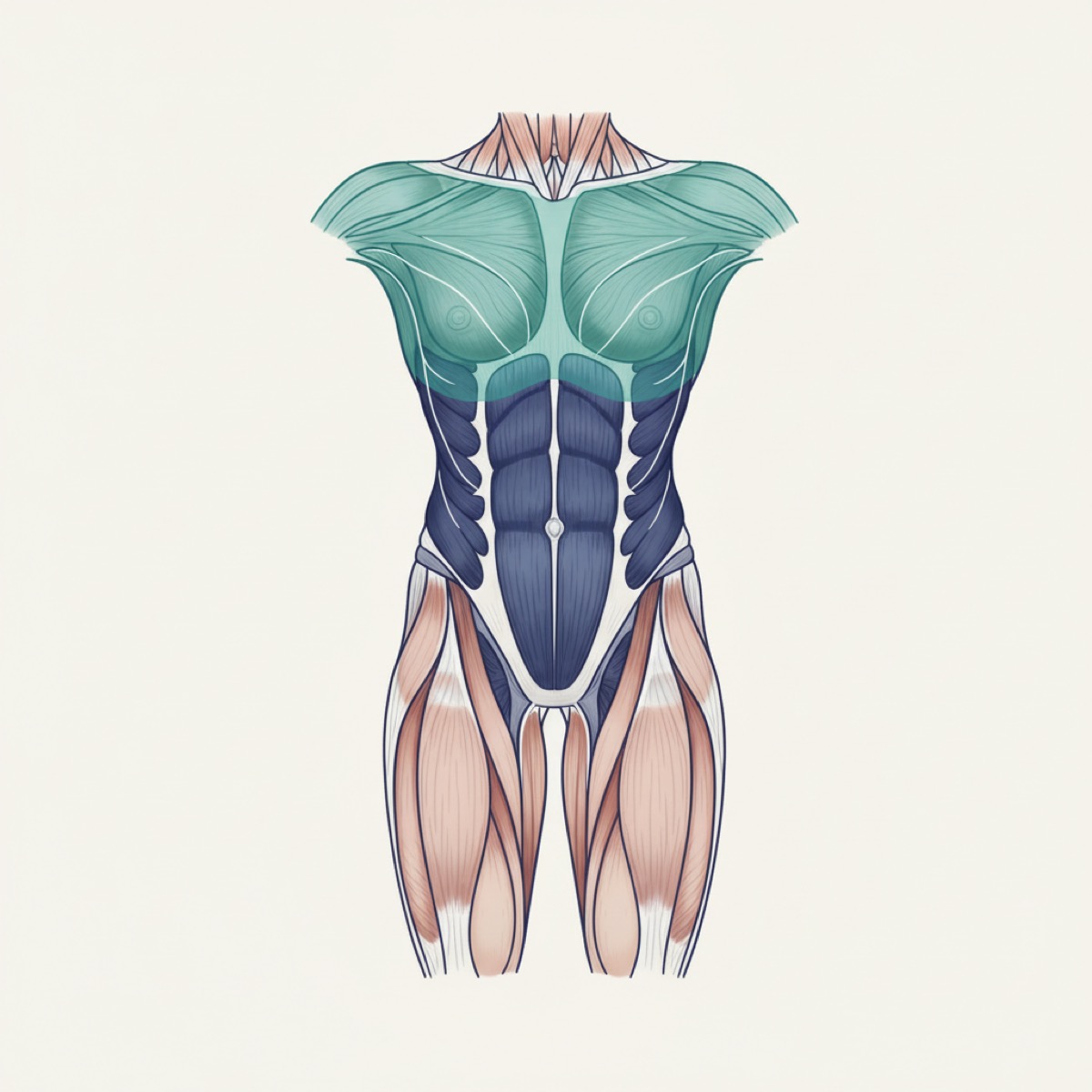
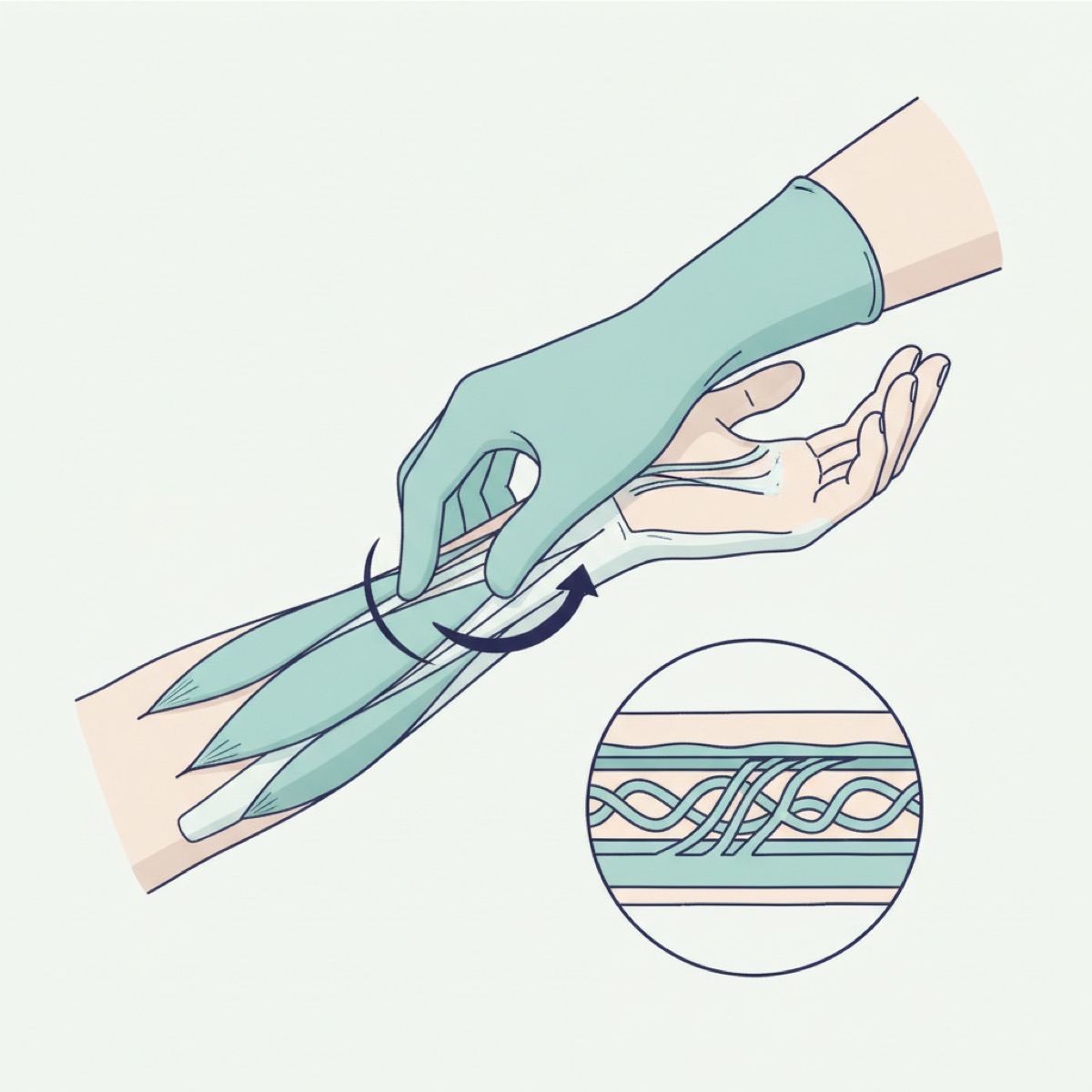
Fascia release for hip pain involves targeted pressure and stretching techniques that aim to soften the tight fascia. By applying pressure to specific points on the inner thigh, the fascia can be gradually loosened. This process, although potentially uncomfortable initially, can significantly reduce stiffness.
An essential part of fascia release is the use of traction and vibration to encourage relaxation of the tissue. By gently pulling and vibrating the fascia, you can enhance blood flow and promote healing, which in turn alleviates pain and restores mobility.
What are the benefits of fascia release?
Fascia release offers numerous benefits for those suffering from hip pain. Primarily, it helps reduce pain and discomfort by addressing the root cause of the tension. Improved mobility is another significant benefit, as looser fascia allows for easier and more fluid movement.
Additionally, regular fascia release can prevent future injuries by maintaining the flexibility and health of the connective tissue. This proactive approach ensures that the fascia remains supple, reducing the risk of developing chronic pain conditions.
How to practice fascia release at home?
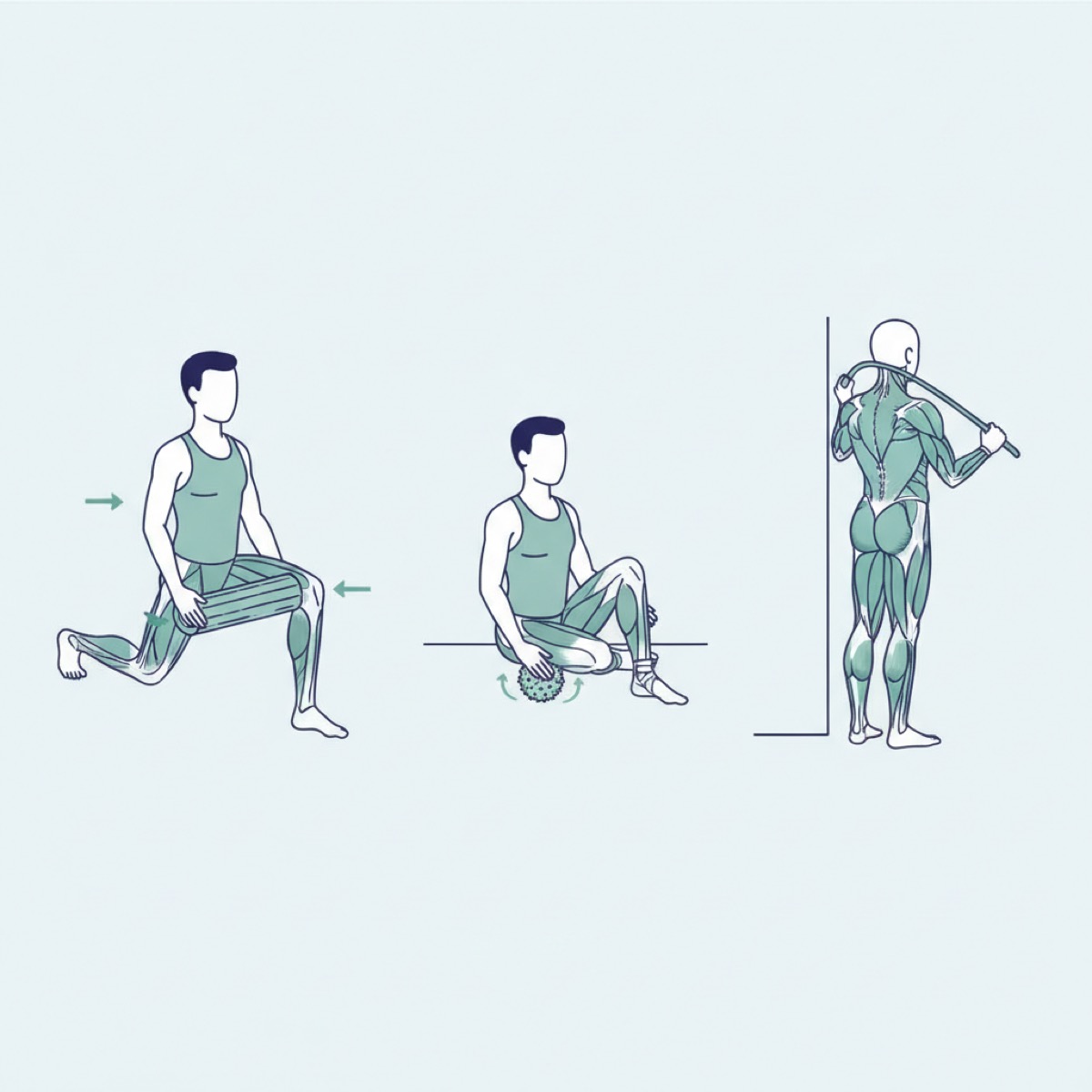
Practicing fascia release at home can be an effective way to manage hip pain. Begin by locating the tight areas in your inner thigh and apply firm pressure with your fingers or a massage tool. Roll the tissue gently, focusing on areas that feel particularly tense.
Incorporate gentle stretching and use a foam roller to further aid in the release of tension. Remember to maintain a consistent practice, as regular sessions will help maintain the benefits and prevent the fascia from becoming tight again.
Frequently asked questions
Is fascia release safe? — Yes, fascia release is generally safe when performed correctly. It is important to apply pressure within your comfort level and avoid areas with acute pain or inflammation.
Can fascia release be done daily? — While it's beneficial to incorporate fascia release into your routine, it's best to allow time for recovery. Practicing every other day can be effective for maintaining tissue health without overdoing it.
Does fascia release replace medical treatments? — Fascia release is a complementary approach and should not replace medical advice or treatment. Consult with a healthcare professional if your hip pain persists or worsens.
References
- [1]Palomeque-del-Cerro L, Arráez-Aybar LA, Rodríguez-Blanco C, et al. A systematic review of the soft-tissue connections between neck muscles and dura mater: the myodural bridge. Spine. 2017;42(1):49–54.
- [2]Woolf CJ. Central sensitization: implications for the diagnosis and treatment of pain. Pain. 2011;152(3 Suppl):S2–S15.
- [3]Tracey KJ. The inflammatory reflex. Nature. 2002;420(6917):853–859.
- [4]Mayer EA. Gut feelings: the emerging biology of gut–brain communication. Nat Rev Neurosci. 2011;12(8):453–466.
- [5]Cryan JF, Dinan TG. Mind-altering microorganisms: the impact of the gut microbiota on brain and behaviour. Nat Rev Neurosci. 2012;13(10):701–712.
- [6]Guo R, Chen LH, Xing C, Liu T. Pain regulation by gut microbiota: molecular mechanisms and therapeutic potential. Br J Anaesth. 2019;123(5):637–654.