Evidence-Based Techniques for Relieving Shoulder Tension: Cervical Fascia Release
Original title (JP): 医学的に認められた、肩こりの改善方法 頚椎1番の筋膜リリース #筋膜 #肩こり #美容 #藤井翔悟 #治し方 #医師

Supervised by
Shogo Fujii
Physiotherapist (PT) · Founder of the SHOGO FUJII® FASCIA METHOD
View profile →Clinical Article · 5 min read
If you're struggling with persistent shoulder tension, exploring cervical fascia release might be your solution. This evidence-based technique focuses on relieving tension in the neck-shoulder area, offering a potential pathway to improved mobility and comfort. Understanding how fascia release works can be beneficial for both clinicians and informed patients seeking relief from discomfort.
What causes shoulder tension?
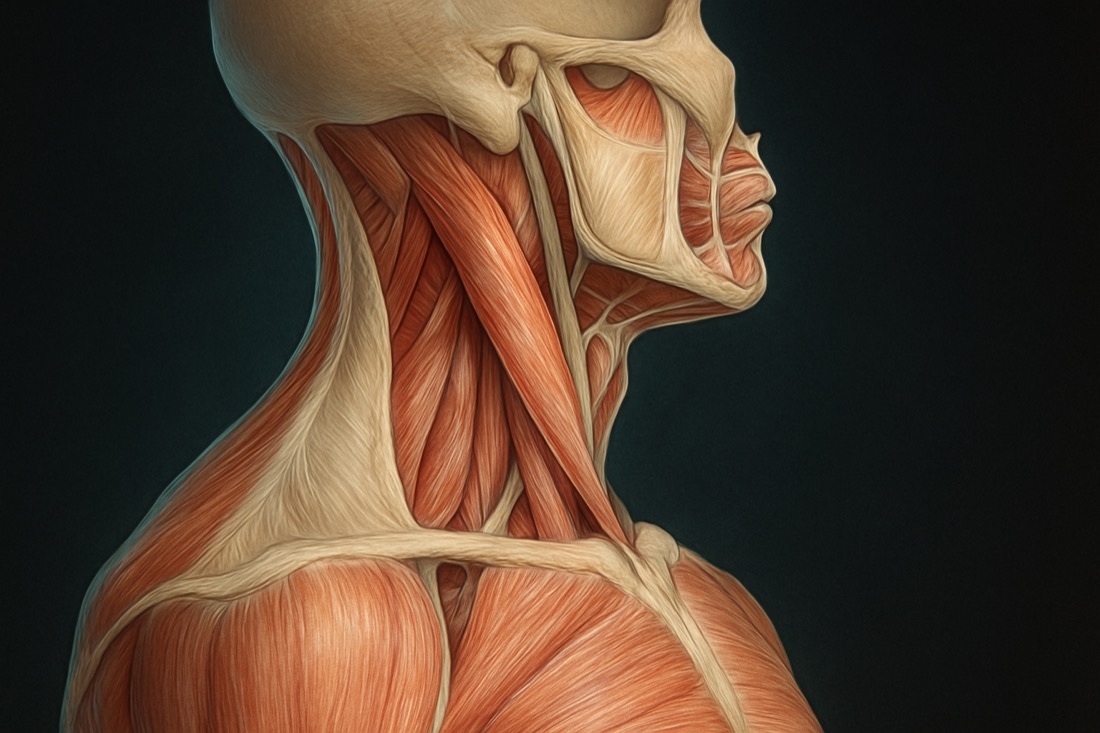
Shoulder tension is often linked to the tightness in the cervical fascia, which can be exacerbated by poor posture, stress, or repetitive movements. This connective tissue plays a crucial role in maintaining structural integrity and facilitating movement. When fascia becomes restricted, it can lead to discomfort and limited mobility in the neck and shoulders.
Identifying and releasing these tight areas is essential for alleviating tension. The process involves locating rigid spots within the fascia and applying precise pressure to encourage relaxation and realignment. This targeted approach can help restore balance and reduce pain.
How does cervical fascia release work?
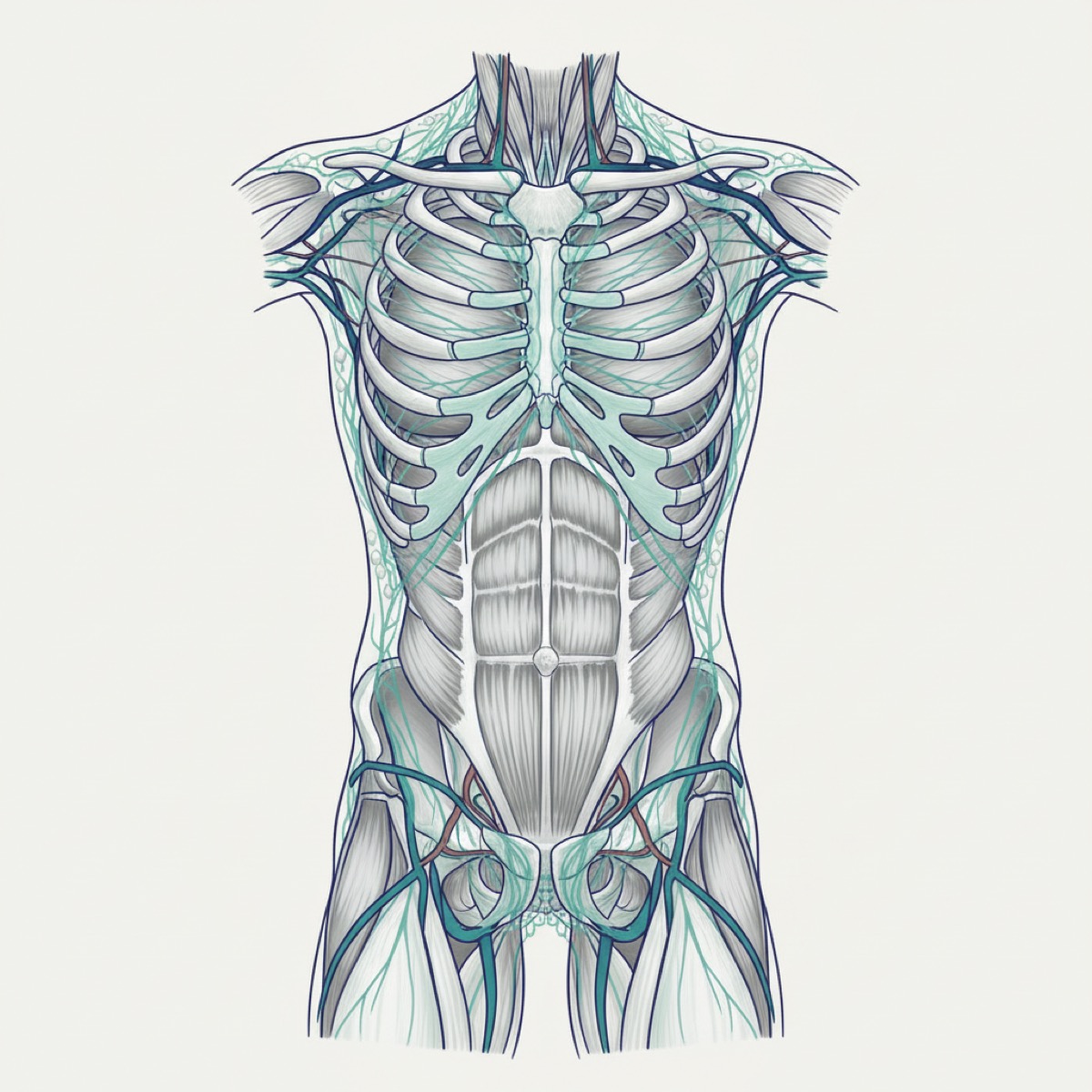
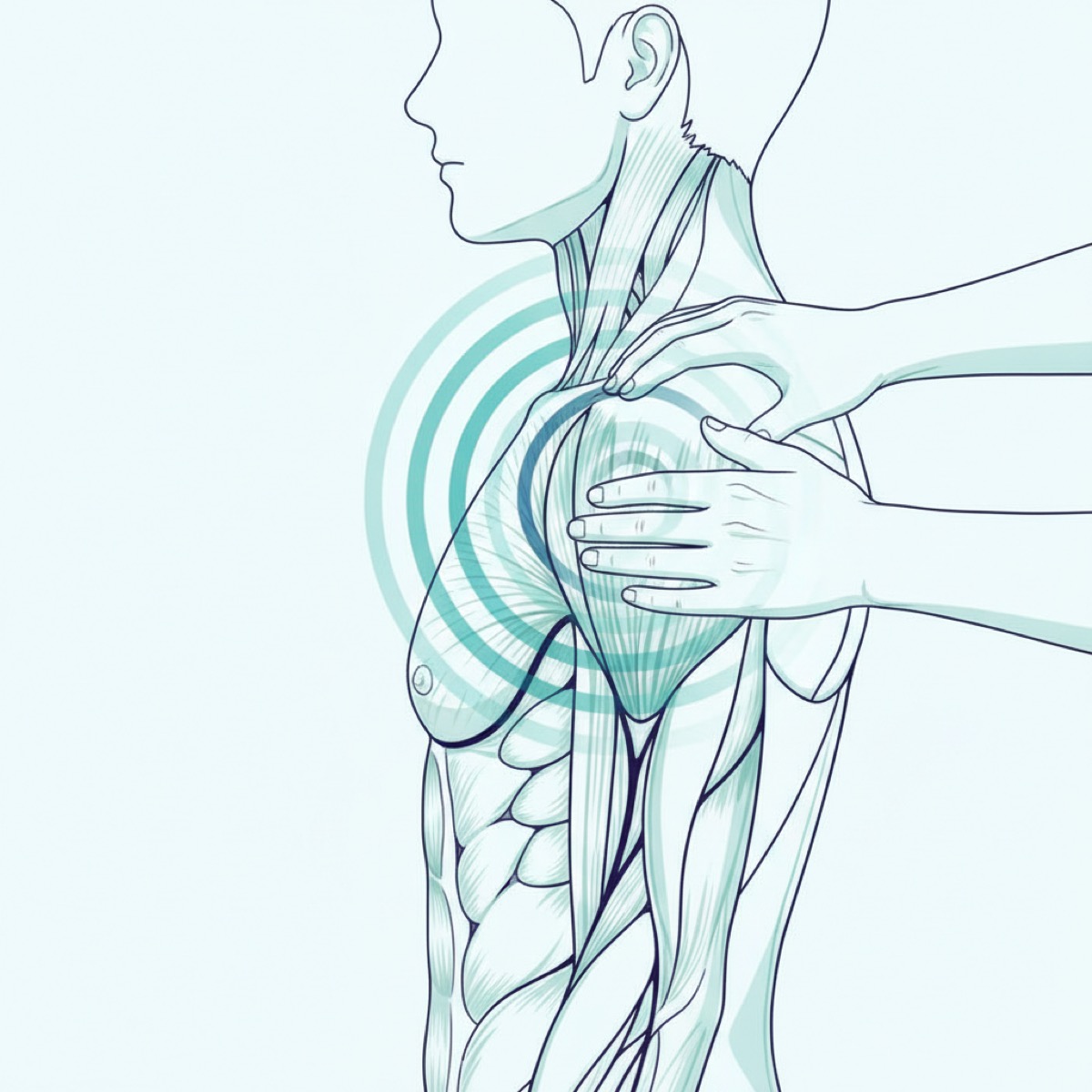
Cervical fascia release involves applying a specific type of pressure that mimics traction, allowing for a gradual opening of the fascia layers. This technique targets the deeper layers of tissue, which are often responsible for chronic tension. By using the fingers to apply pressure and moving the fascia in a specific direction, clinicians can promote a more effective release.
The key to this technique is the combination of consistent pressure and movement. This dual action helps in breaking down adhesions within the fascia, which can otherwise inhibit proper function and contribute to tension. The method requires a skilled hand to ensure that the pressure is both deep and controlled, enhancing the release process and providing relief.
What to expect from a fascia release session
During a fascia release session, the practitioner will assess areas of tension and apply targeted pressure. The sensation may vary from mild discomfort to a deep stretch, depending on the severity of the tension. It's important to communicate with your therapist about your comfort levels throughout the session.
The goal is to achieve a noticeable reduction in tension and an increase in range of motion. Many patients report feeling lighter and more relaxed post-session, although results can vary. Regular sessions may be needed to maintain improvements and prevent recurrence of symptoms.
Benefits of fascia release for neck and shoulder tension
Fascia release offers several benefits for those suffering from neck and shoulder tension. By addressing the root cause of the tension, this technique can help improve flexibility and reduce pain. It also promotes better circulation within the affected areas, which is crucial for healing and recovery.
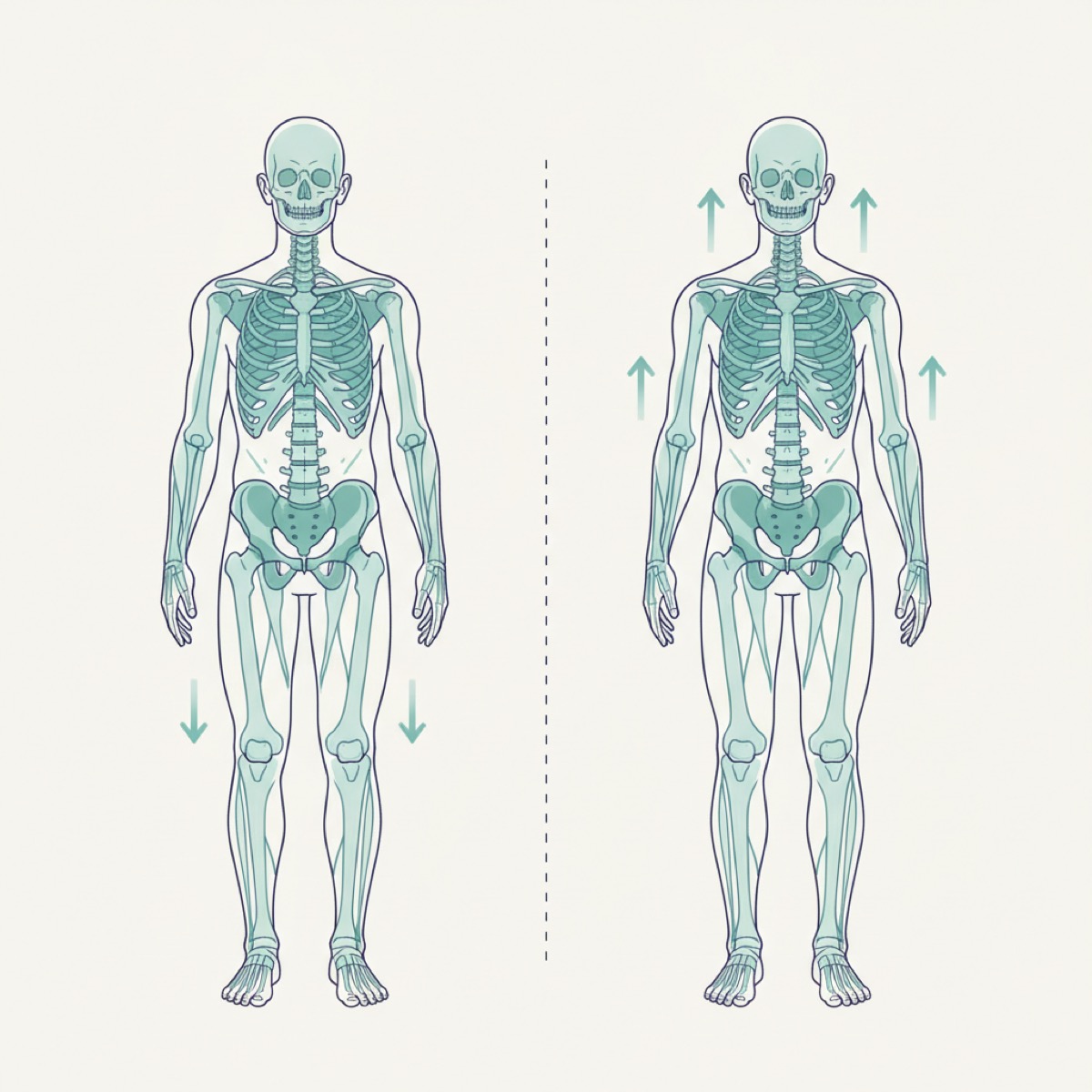
Furthermore, fascia release can enhance overall posture and alignment, reducing the likelihood of future tension buildup. By maintaining regular sessions, patients can experience sustained relief and improved quality of life.
Frequently asked questions
Is fascia release safe? — Fascia release is generally safe when performed by a trained professional. However, it's important to discuss any underlying health conditions with your therapist beforehand to ensure the technique is appropriate for you.
How often should I have fascia release therapy? — The frequency of sessions depends on individual needs and the severity of tension. Some may benefit from weekly sessions, while others might find monthly visits sufficient. Your therapist can provide personalized recommendations.
Can I perform fascia release at home? — While certain self-massage techniques can offer temporary relief, professional fascia release is recommended for effective treatment. A trained therapist can target deeper tissue layers and provide a more comprehensive release.
References
- [1]Cryan JF, Dinan TG. Mind-altering microorganisms: the impact of the gut microbiota on brain and behaviour. Nat Rev Neurosci. 2012;13(10):701–712.
- [2]Guo R, Chen LH, Xing C, Liu T. Pain regulation by gut microbiota: molecular mechanisms and therapeutic potential. Br J Anaesth. 2019;123(5):637–654.
- [3]Ricciotti E, FitzGerald GA. Prostaglandins and inflammation. Arterioscler Thromb Vasc Biol. 2011;31(5):986–1000.
- [4]Salehi B, Venditti A, Sharifi-Rad M, et al. The therapeutic potential of apigenin. Int J Mol Sci. 2019;20(6):1305.
- [5]Field R, Pourkazemi F, Turton J, Rooney K. Dietary interventions are beneficial for patients with chronic pain: a systematic review with meta-analysis. Pain Med. 2021;22(3):694–714.
- [6]Taljanovic MS, Gimber LH, Becker GW, et al. Shear-wave elastography: basic physics and musculoskeletal applications. RadioGraphics. 2017;37(3):855–870.