High-Value Fascia Release Techniques by Shogo Fujii
Original title (JP): 一回100万円の筋膜リリース!by藤井翔悟 #筋膜 #藤井翔悟

Supervised by
Shogo Fujii
Physiotherapist (PT) · Founder of the SHOGO FUJII® FASCIA METHOD
View profile →Clinical Article · 5 min read
Are you curious about fascia release for neck and back pain? Shogo Fujii's innovative techniques offer a promising approach to enhance mobility and alleviate discomfort. By targeting the fascia's tight spots, these methods can significantly improve your range of motion and overall well-being.
How does fascia release alleviate neck and back pain?
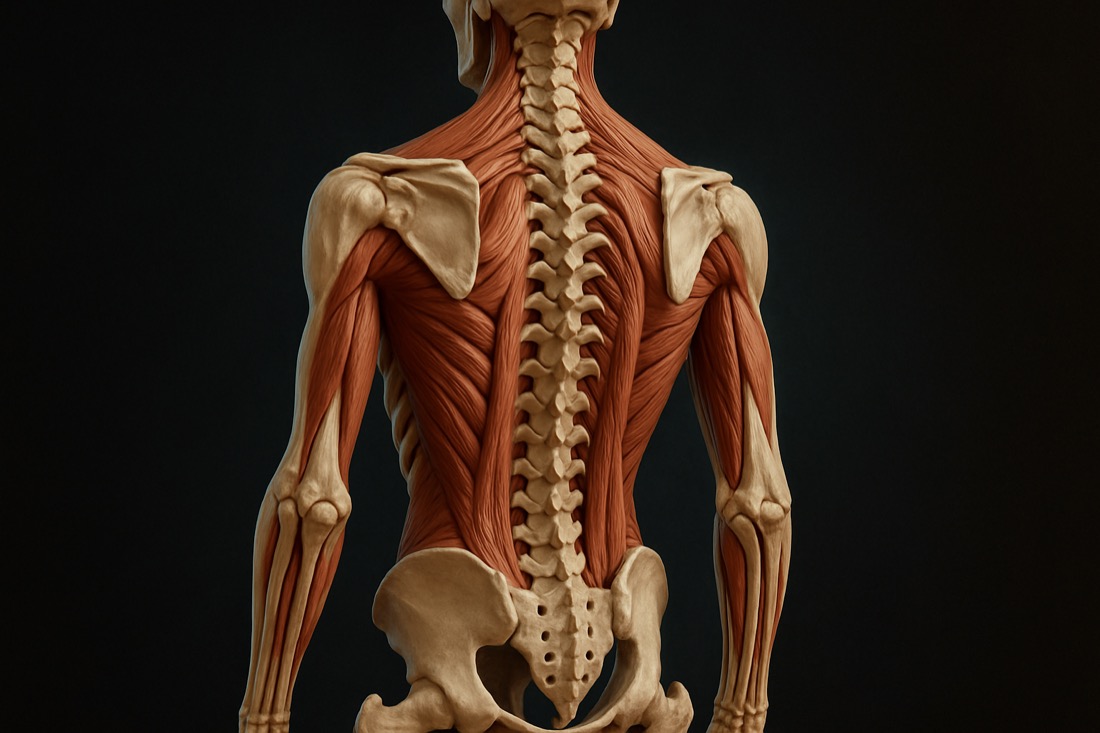
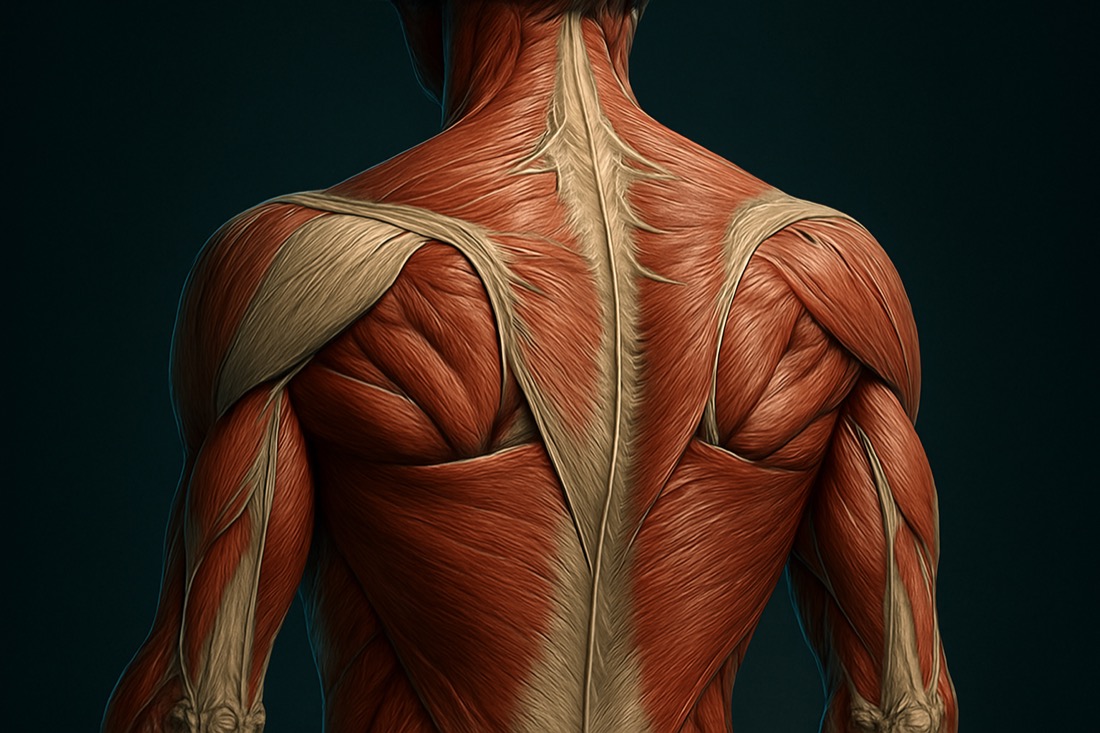
Fascia release is a therapeutic technique that focuses on easing tension in the connective tissues surrounding muscles and organs. Shogo Fujii emphasizes the importance of identifying and releasing tight fascia to improve mobility and reduce pain. By applying pressure to specific areas, such as the neck and back, patients often experience increased range of motion and relief from discomfort [1][2].
Fujii's approach involves gentle manipulation of the fascia to break down adhesions and restore normal tissue function. This not only helps in pain reduction but also promotes better posture and alignment, which are crucial for long-term health benefits [3].
What are the benefits of cranial fascia release?
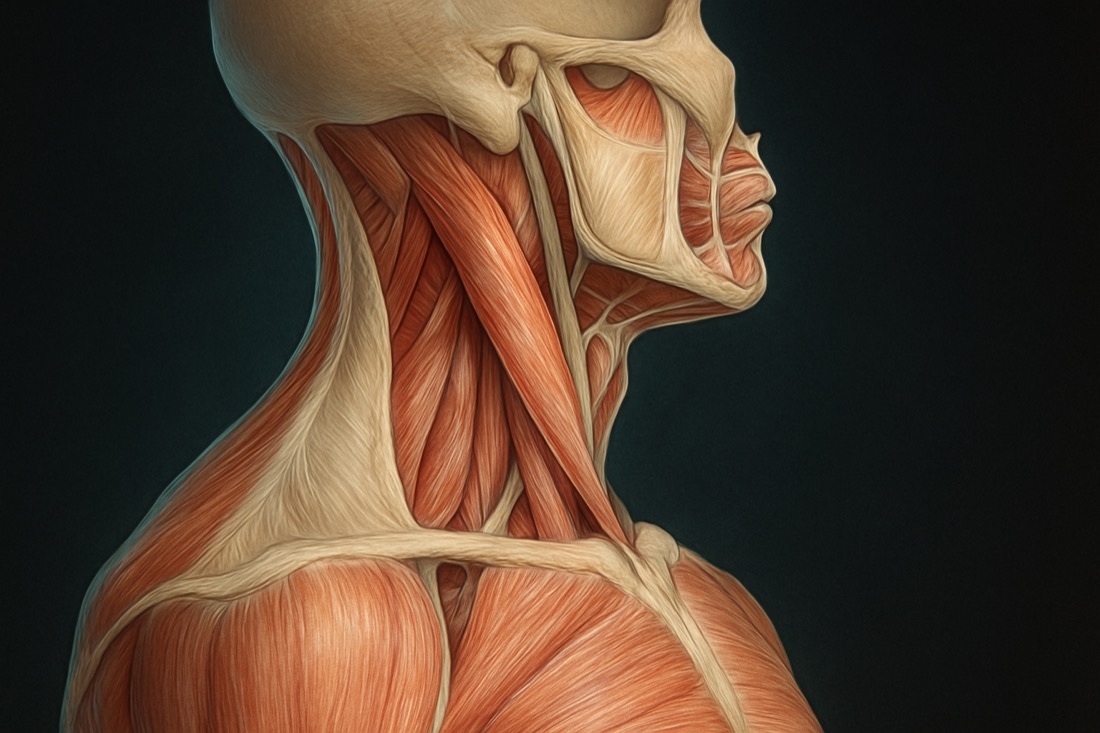
Cranial fascia release is a specific technique used to alleviate tension around the head and neck area. According to Fujii, this method can lead to significant improvements in conditions such as headaches and neck stiffness. By releasing the fascia around the cranial region, patients often report a notable decrease in pain and an increase in head mobility [4].
This technique involves applying gentle pressure near the ears and neck, which helps in relaxing the fascia and improving circulation. As a result, patients may experience enhanced mental clarity and reduced stress, contributing to overall well-being [5].
Why is fascia release important for overall health?
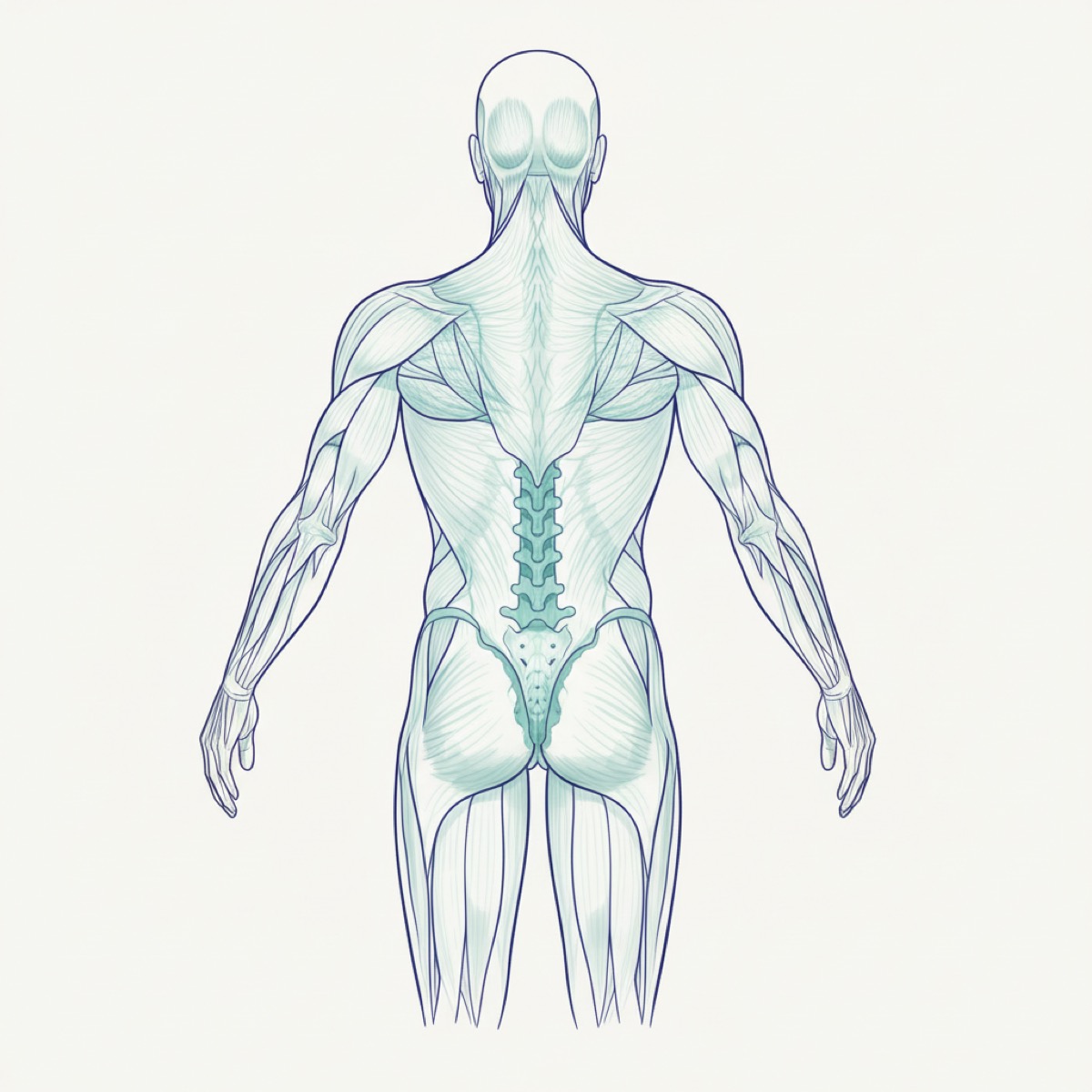
Fascia plays a crucial role in maintaining structural integrity and movement efficiency in the body. When fascia becomes tight or restricted, it can lead to pain, reduced mobility, and even impact other bodily functions. Fujii's fascia release techniques aim to restore the natural flexibility and function of the fascia, promoting better health outcomes [6].
By incorporating fascia release into regular therapy sessions, patients can experience long-term benefits such as improved posture, reduced pain, and enhanced physical performance. This holistic approach addresses not only the symptoms but also the underlying causes of fascia-related issues.

How can fascia release improve mobility?
Improving mobility is one of the primary goals of fascia release. By targeting areas of tension and stiffness, Fujii's techniques help in loosening the fascia, thereby increasing the range of motion in affected areas such as the neck and back. This can be particularly beneficial for individuals with chronic pain or those recovering from injuries.
Fascia release not only addresses the immediate areas of discomfort but also has a systemic effect, improving overall body movement and coordination. This can lead to a more active lifestyle and prevent future injuries by ensuring the body moves as a cohesive unit.
Frequently asked questions
Is fascia release safe? — Fascia release is generally considered safe when performed by a trained professional. It's important to ensure proper technique to avoid any potential adverse effects.
How often should fascia release be done? — The frequency of fascia release sessions can vary based on individual needs and conditions. Consulting with a healthcare professional can help determine an appropriate schedule.
Can fascia release help with chronic pain? — While fascia release can be beneficial for managing chronic pain, it should be part of a comprehensive treatment plan that includes other therapeutic modalities.
References
- [1]Salehi B, Venditti A, Sharifi-Rad M, et al. The therapeutic potential of apigenin. Int J Mol Sci. 2019;20(6):1305.
- [2]Field R, Pourkazemi F, Turton J, Rooney K. Dietary interventions are beneficial for patients with chronic pain: a systematic review with meta-analysis. Pain Med. 2021;22(3):694–714.
- [3]Taljanovic MS, Gimber LH, Becker GW, et al. Shear-wave elastography: basic physics and musculoskeletal applications. RadioGraphics. 2017;37(3):855–870.
- [4]Langevin HM. Connective tissue: a body-wide signaling network? Med Hypotheses. 2006;66(6):1074–1077.
- [5]Schleip R. Fascial plasticity — a new neurobiological explanation. J Bodyw Mov Ther. 2003;7(1):11–19.
- [6]Wilke J, Krause F, Vogt L, Banzer W. What Is Evidence-Based About Myofascial Chains? A Systematic Review. Arch Phys Med Rehabil. 2016;97(3):454–461.