The Secret to Earning 1 Million Yen per Session: Shogo Fujii's Approach to Fascia Treatment
Original title (JP): 自費で1回100万とる秘密の #筋膜 #治し方 #藤井翔悟 治療家の体づくりを公開!

Supervised by
Shogo Fujii
Physiotherapist (PT) · Founder of the SHOGO FUJII® FASCIA METHOD
View profile →Clinical Article · 5 min read
Unlock the potential of fascia treatment with Shogo Fujii's innovative approach, which emphasizes grounding and relaxation through tailored exercises. Learn how his method, which includes pre-treatment physical preparation, can enhance your therapy sessions and potentially lead to transformative results.
How does fascia treatment enhance grounding?
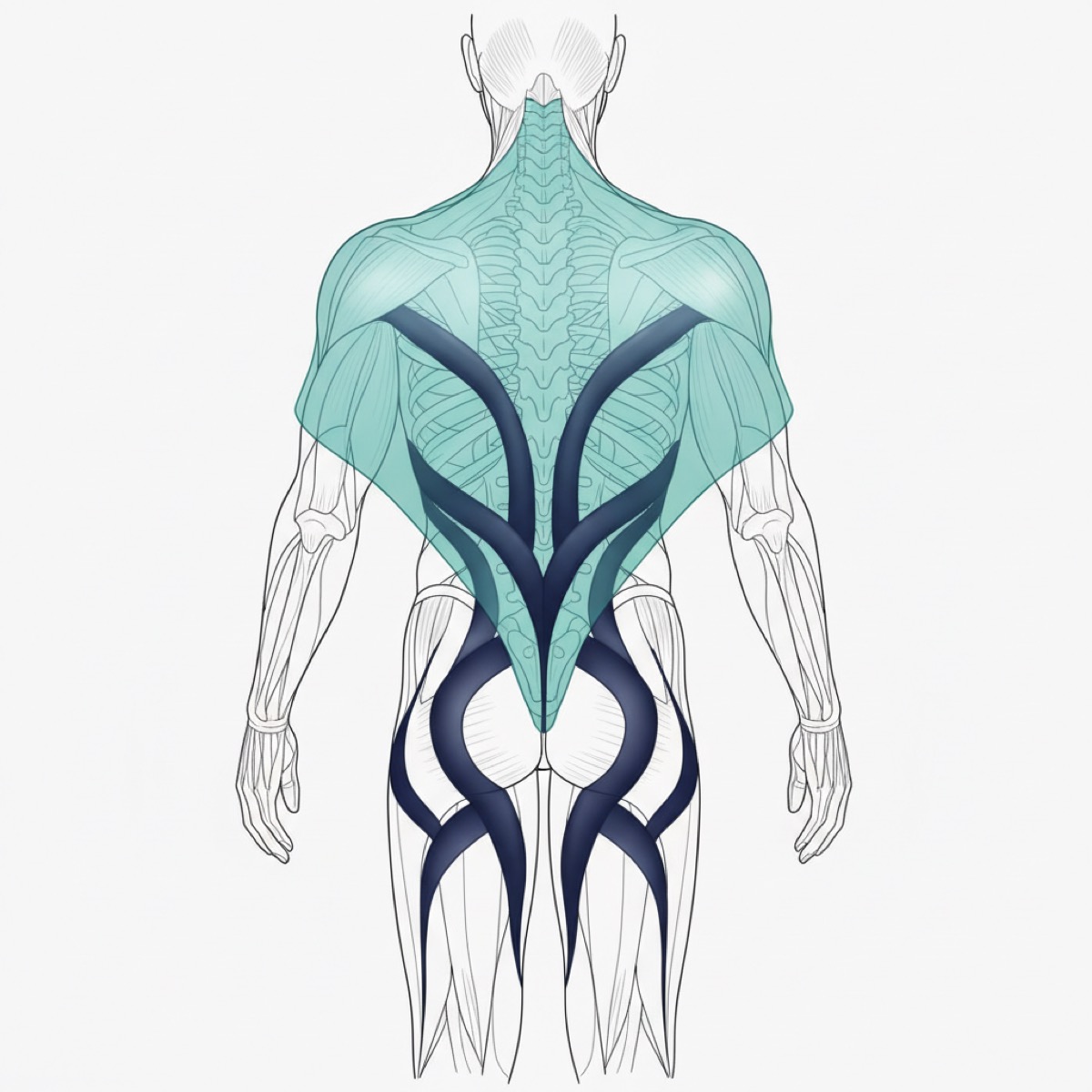
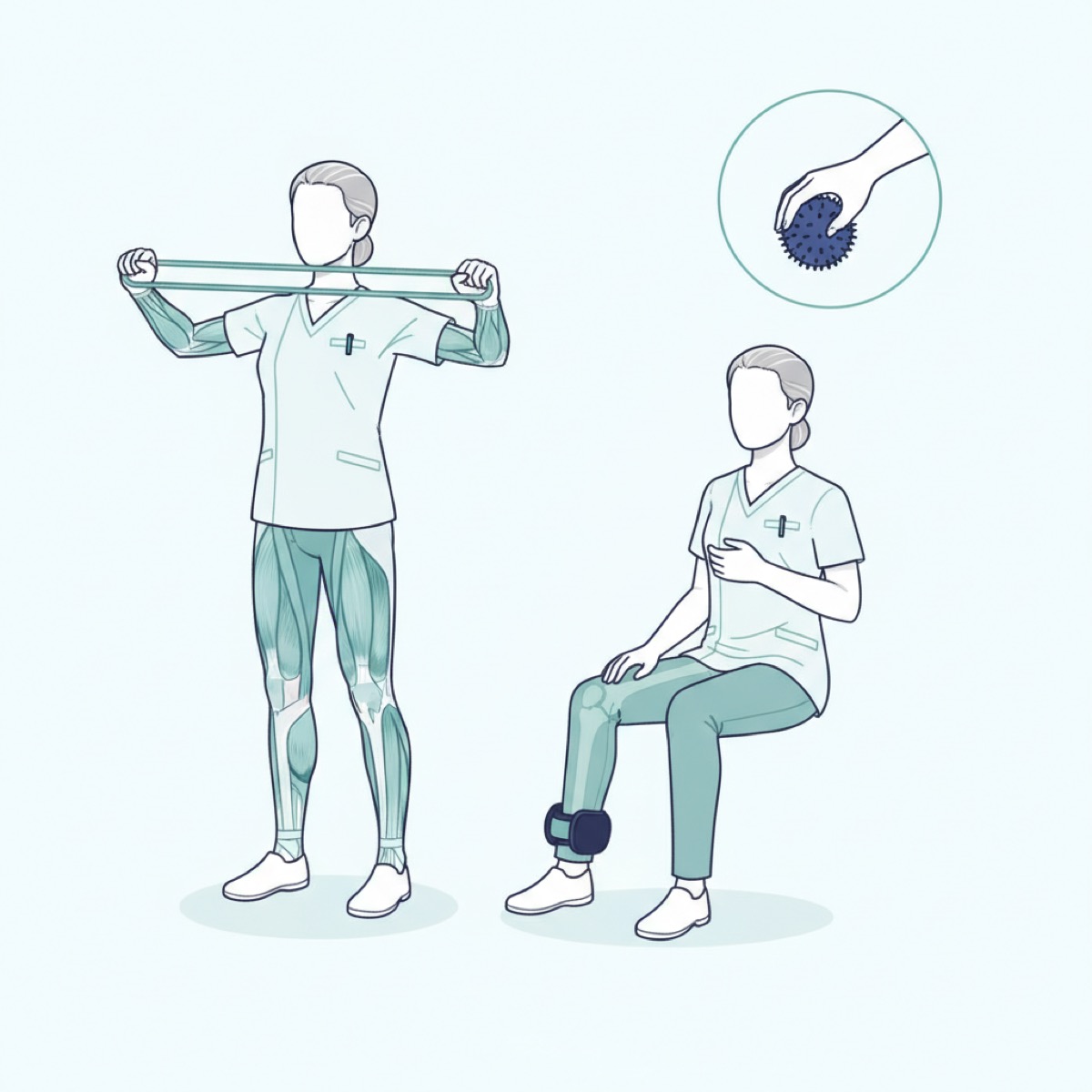
Fascia treatment can significantly enhance grounding by promoting a sense of stability and relaxation in the body. Shogo Fujii highlights the importance of preparing the body through exercises like squats before starting any treatment. This preparation helps in activating the lower body, which in turn, facilitates better grounding and relaxation during the therapy session.
By focusing on the lower body's activation, Fujii's approach ensures that the mind and body are more receptive to treatment. This method not only aids in the physical aspect of grounding but also helps in easing mental tension, making it an effective strategy for both clinicians and patients seeking comprehensive fascia therapy.
Why is pre-treatment physical preparation crucial?
Pre-treatment physical preparation is crucial as it primes the body for optimal response to fascia therapy. Shogo Fujii dedicates two to three hours to personal physical work before treating a patient. This time is spent on exercises that activate and warm up the body, ensuring that it is in the best possible state to receive treatment.
This preparation is not just about physical readiness; it also mentally prepares the therapist, allowing them to engage more effectively with the patient's needs. Fujii's routine, which includes exercises like squats with a 60kg weight, exemplifies the dedication required to achieve the best results in fascia therapy.
What benefits can fascia therapy provide?
Fascia therapy offers numerous benefits, including improved flexibility, reduced pain, and enhanced overall body function. Shogo Fujii's method emphasizes the role of fascia treatment in promoting relaxation and stability by engaging the lower body. This approach can lead to significant improvements in how the body feels and functions.
By focusing on grounding and relaxation, fascia therapy can help alleviate stress and tension, contributing to better mental and physical health. Fujii's approach is particularly beneficial for individuals looking to enhance their overall well-being through targeted fascia treatment.
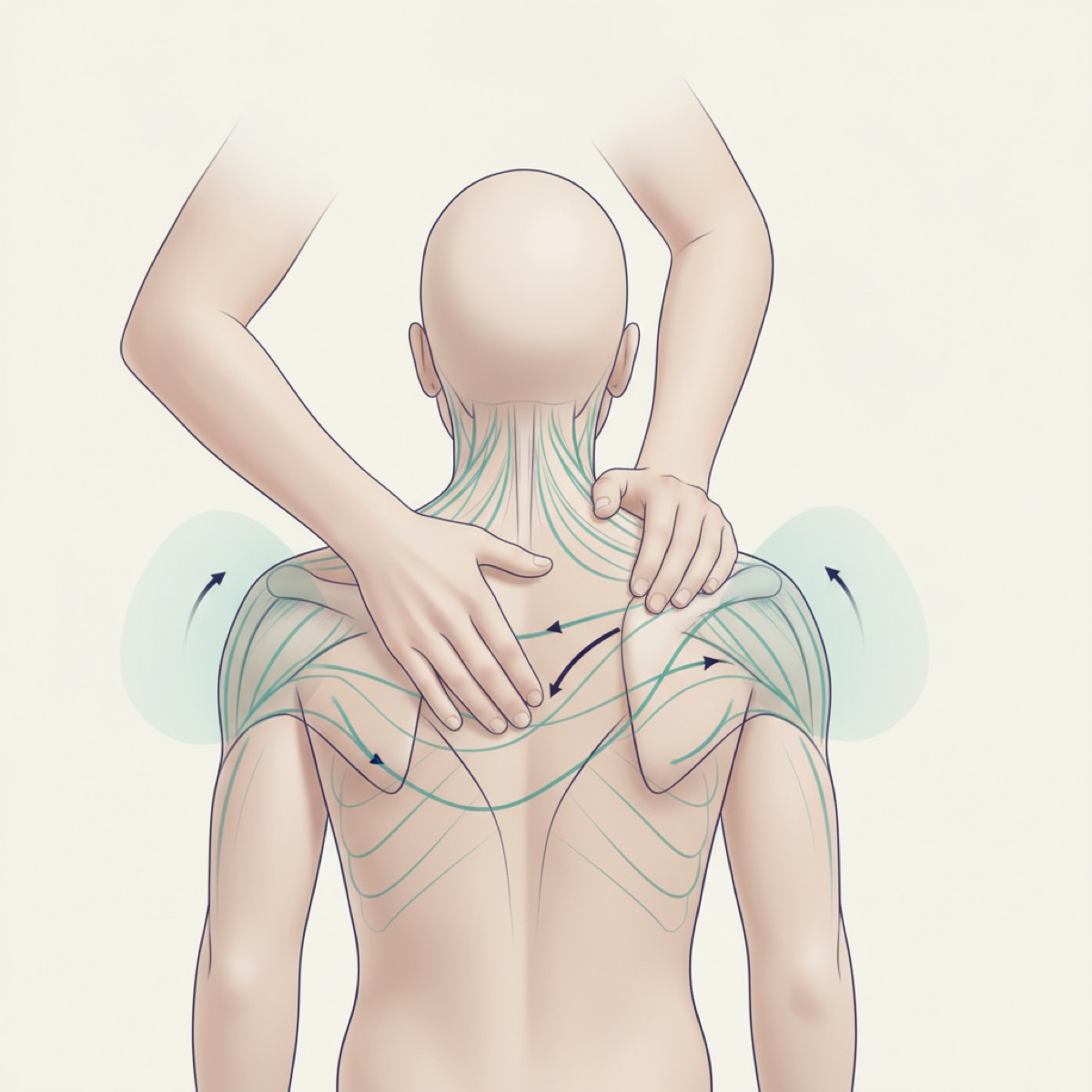
How can clinicians implement Fujii's fascia method?
Clinicians looking to implement Shogo Fujii's fascia method should consider integrating pre-treatment exercises into their routine. By doing so, they can enhance their effectiveness and provide a more comprehensive treatment experience for their patients. These exercises, which focus on activating the lower body, are key to achieving the desired grounding and relaxation.
Fujii's approach is a reminder of the importance of self-care for therapists, as the physical and mental preparation not only benefits the patient but also improves the therapist's ability to deliver effective treatment. Clinicians are encouraged to adapt these principles to suit their practice and patient needs.
Frequently asked questions
Is fascia release safe? — Fascia release is generally considered safe when performed by trained professionals. It is important to consult with a qualified therapist to ensure the treatment is appropriate for your specific condition.
How often should fascia therapy be done? — The frequency of fascia therapy sessions depends on individual needs and goals. Some may benefit from weekly sessions, while others may require more or less frequent treatments.
Can fascia therapy help with chronic pain? — Fascia therapy has been shown to help alleviate chronic pain in some individuals by improving flexibility and reducing tension. However, results can vary, and it is not a guaranteed cure for everyone.
References
- [1]Tracey KJ. The inflammatory reflex. Nature. 2002;420(6917):853–859.
- [2]Mayer EA. Gut feelings: the emerging biology of gut–brain communication. Nat Rev Neurosci. 2011;12(8):453–466.
- [3]Cryan JF, Dinan TG. Mind-altering microorganisms: the impact of the gut microbiota on brain and behaviour. Nat Rev Neurosci. 2012;13(10):701–712.
- [4]Guo R, Chen LH, Xing C, Liu T. Pain regulation by gut microbiota: molecular mechanisms and therapeutic potential. Br J Anaesth. 2019;123(5):637–654.
- [5]Ricciotti E, FitzGerald GA. Prostaglandins and inflammation. Arterioscler Thromb Vasc Biol. 2011;31(5):986–1000.
- [6]Salehi B, Venditti A, Sharifi-Rad M, et al. The therapeutic potential of apigenin. Int J Mol Sci. 2019;20(6):1305.