Effective Spinal Techniques by a Renowned International Physiotherapist
Original title (JP): 国際的な認められた理学療法士が教える、本当に治る、脊柱テクニック #筋膜 #治し方 #藤井翔悟

Supervised by
Shogo Fujii
Physiotherapist (PT) · Founder of the SHOGO FUJII® FASCIA METHOD
View profile →Clinical Article · 5 min read
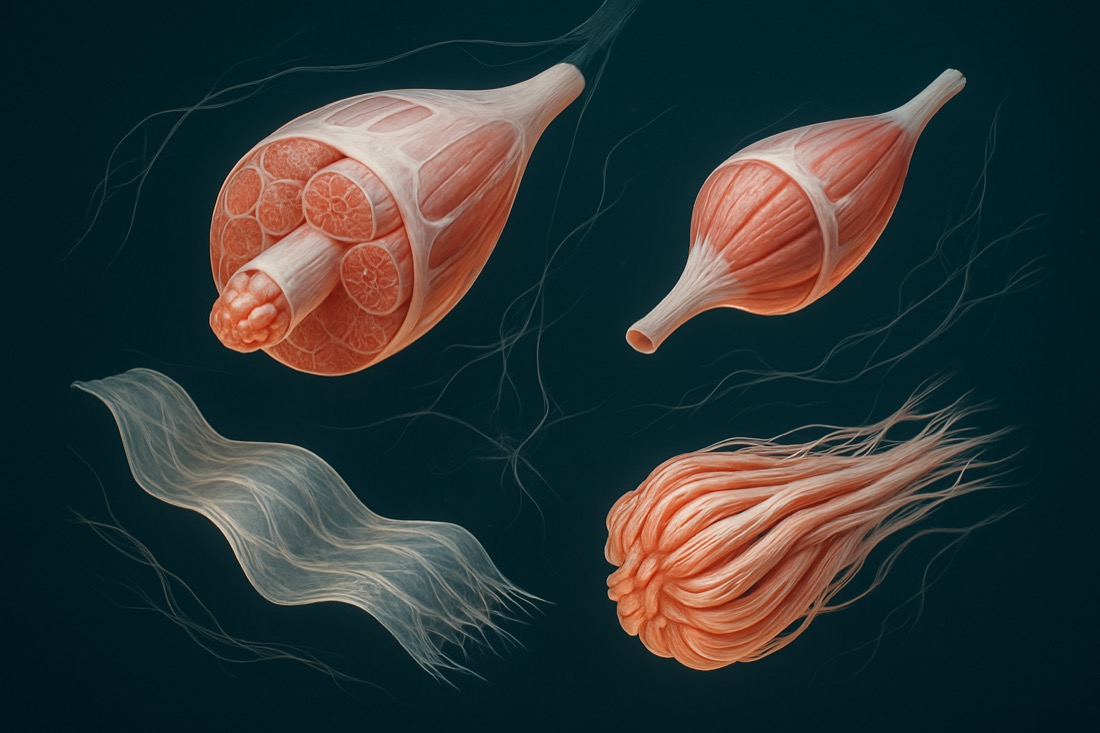
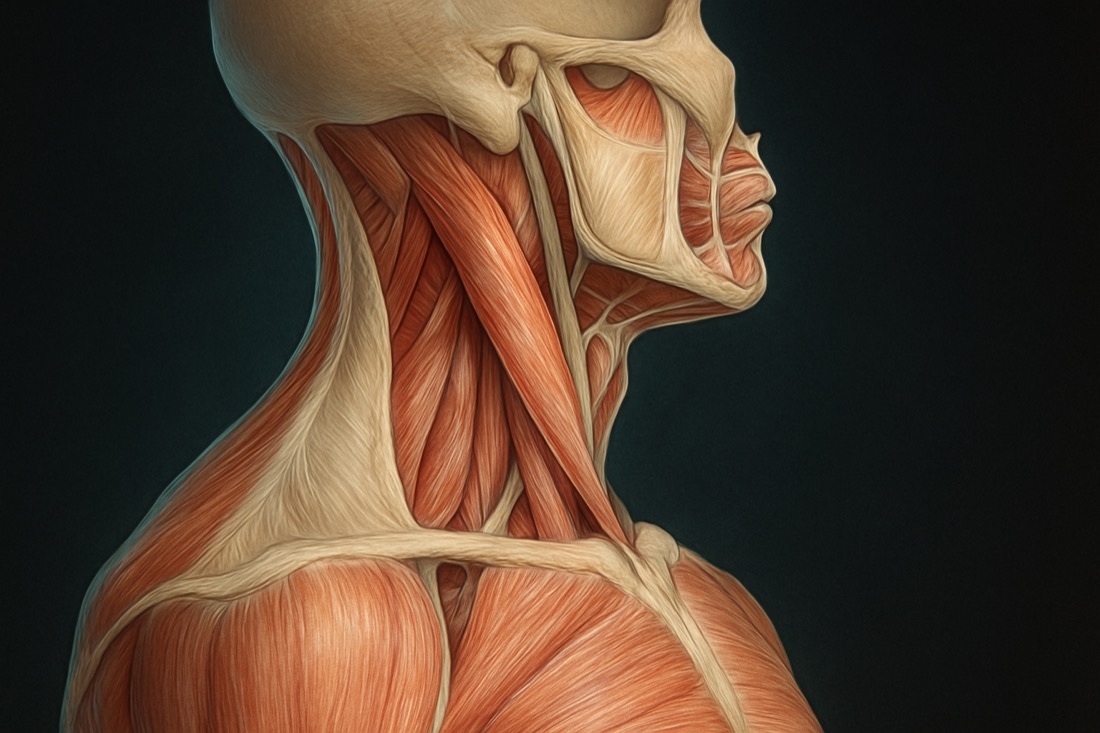
Fascia release for spinal health is a crucial component of modern physiotherapy, offering relief and improved mobility for those suffering from back issues. Renowned international physiotherapist Shogo Fujii provides insights into effective fascia techniques that target locked muscles and promote spinal flexibility. Understanding these methods can empower both clinicians and informed patients to better manage spinal discomfort.
How does fascia release improve spinal health?
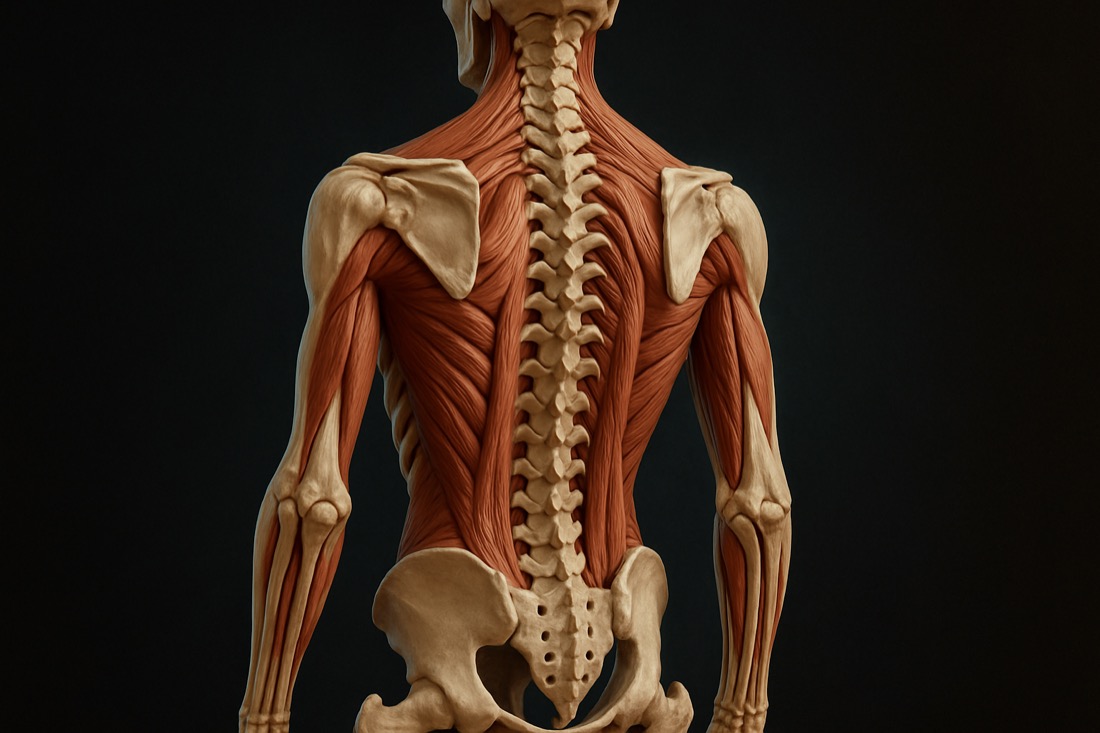
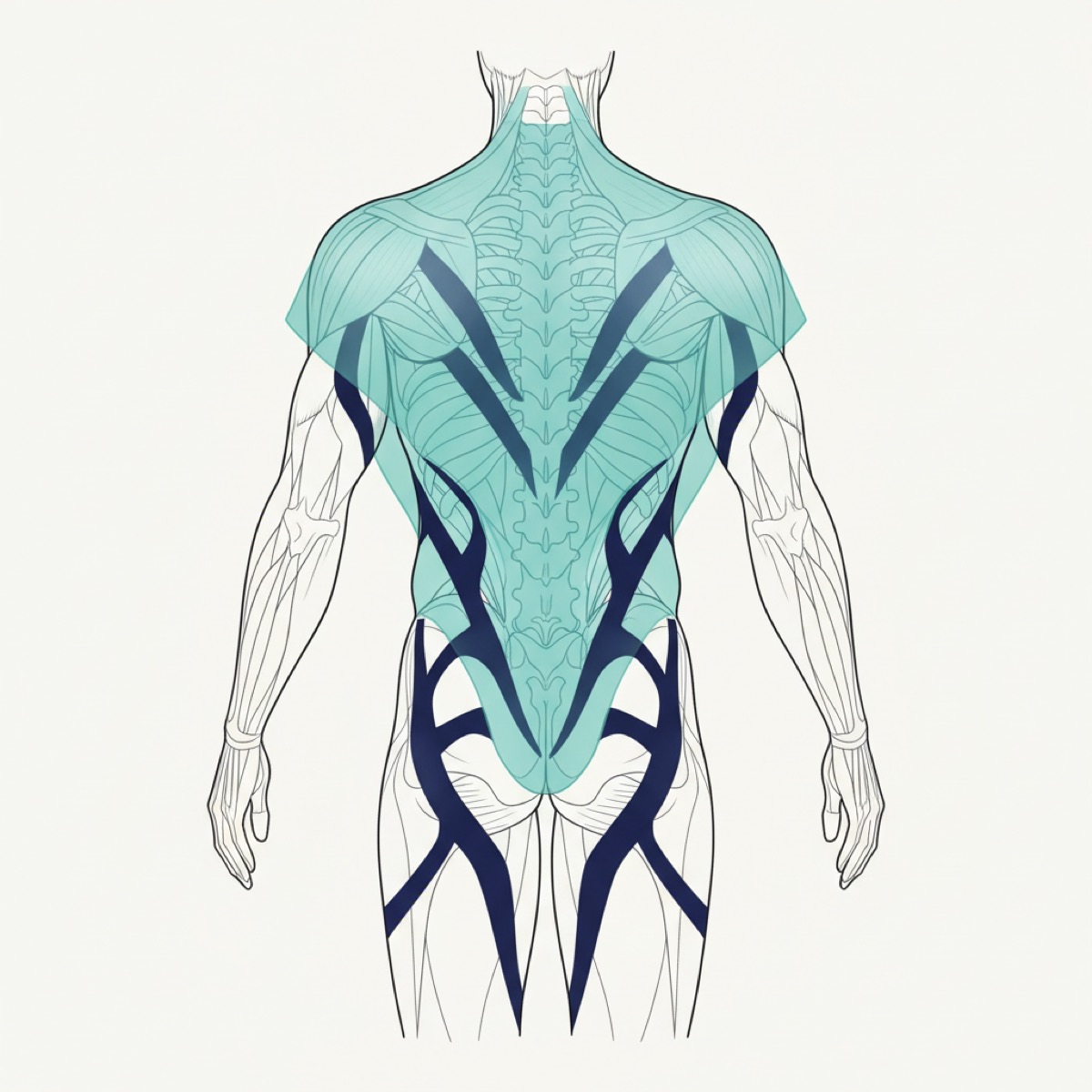
Fascia release is an essential technique for improving spinal health by targeting and freeing up locked muscles. According to Shogo Fujii, the process involves identifying and releasing areas of tension, particularly around the scapula, where stiffness is most pronounced. By applying gentle pressure, clinicians can encourage movement in previously restricted areas, enhancing overall spinal flexibility and reducing discomfort [1][2].
Fujii emphasizes the importance of locating the hardest spots along the fascia, which are often found near the scapula's outer edge. By pressing these points lightly, a noticeable release occurs, allowing the spine to move more freely. This technique assists patients in achieving better posture and alleviates pain associated with muscle stiffness [3].
Why is fascia release important for muscle mobility?
Fascia release plays a pivotal role in enhancing muscle mobility by breaking down adhesions in the connective tissue. Fujii's techniques highlight the transformation of muscles from a locked state to one of increased movement, a change that patients can feel immediately. This process is crucial for maintaining healthy muscle function and preventing chronic pain [4].
Engaging in regular fascia release can prevent the buildup of tension and support ongoing muscle health. Clinicians often recommend incorporating fascia release into routine care to ensure muscles remain supple and responsive, which is vital for both active individuals and those recovering from injuries.
What are the benefits of dietary changes in fascia therapy?
Incorporating dietary changes is an often-overlooked aspect of effective fascia therapy. Fujii suggests that consuming high-carbonated vegetables and fruits can enhance the body's natural ability to repair and maintain fascia health. This nutritional approach supports the overall therapeutic process by providing essential nutrients that promote tissue flexibility and resilience [5].
Dietary adjustments, combined with physical therapy, can optimize fascia release outcomes. Patients who pair these techniques with a balanced diet often experience quicker recovery times and improved overall wellness, demonstrating the interconnectedness of nutrition and physical therapy.

How can physical activity enhance fascia release?
Physical activity is a complementary component of fascia release therapy, aiding in the maintenance of muscle and fascia health. Fujii recommends engaging in moderate exercises, such as running 2-3 kilometers, to stimulate circulation and promote fascia elasticity. This activity helps flush out metabolic waste and reduces muscle tension, enhancing the effects of manual fascia release [6].
Regular exercise encourages the body to naturally release tension and improve muscle pliability. Patients who incorporate these activities into their routines often report a greater sense of mobility and reduced discomfort, highlighting the synergy between movement and fascia therapy.

Frequently asked questions
Is fascia release safe? — Fascia release is generally considered safe when performed by trained professionals. It is a non-invasive technique aimed at reducing muscle tension and improving mobility.
Can fascia release help with chronic pain? — While not a guaranteed cure, fascia release can significantly alleviate chronic pain by improving muscle and joint flexibility, reducing stiffness, and enhancing overall function.
How often should I perform fascia release? — The frequency of fascia release depends on individual needs and conditions. Clinicians typically recommend regular sessions to maintain muscle health and prevent tension buildup.
References
- [1]Wilke J, Vogt L, Niederer D, Banzer W. Is remote stretching based on myofascial chains as effective as local exercise? A randomised-controlled trial. J Sports Sci. 2017;35(20):2021–2027.
- [2]Palomeque-del-Cerro L, Arráez-Aybar LA, Rodríguez-Blanco C, et al. A systematic review of the soft-tissue connections between neck muscles and dura mater: the myodural bridge. Spine. 2017;42(1):49–54.
- [3]Woolf CJ. Central sensitization: implications for the diagnosis and treatment of pain. Pain. 2011;152(3 Suppl):S2–S15.
- [4]Tracey KJ. The inflammatory reflex. Nature. 2002;420(6917):853–859.
- [5]Mayer EA. Gut feelings: the emerging biology of gut–brain communication. Nat Rev Neurosci. 2011;12(8):453–466.
- [6]Cryan JF, Dinan TG. Mind-altering microorganisms: the impact of the gut microbiota on brain and behaviour. Nat Rev Neurosci. 2012;13(10):701–712.