Instant Relief for Neck Pain: Fascia Release Techniques
Original title (JP): 首の痛みを一発で治す#筋膜 #筋膜リリース #治し方

Supervised by
Shogo Fujii
Physiotherapist (PT) · Founder of the SHOGO FUJII® FASCIA METHOD
View profile →Clinical Article · 5 min read
Fascia release for neck pain is gaining attention for its potential to alleviate discomfort and improve mobility. By targeting the fascia, a connective tissue network, these techniques may offer relief and enhance neck movement. Understanding the principles behind fascia release can empower both clinicians and informed patients in managing neck pain effectively.
How does fascia release alleviate neck pain?
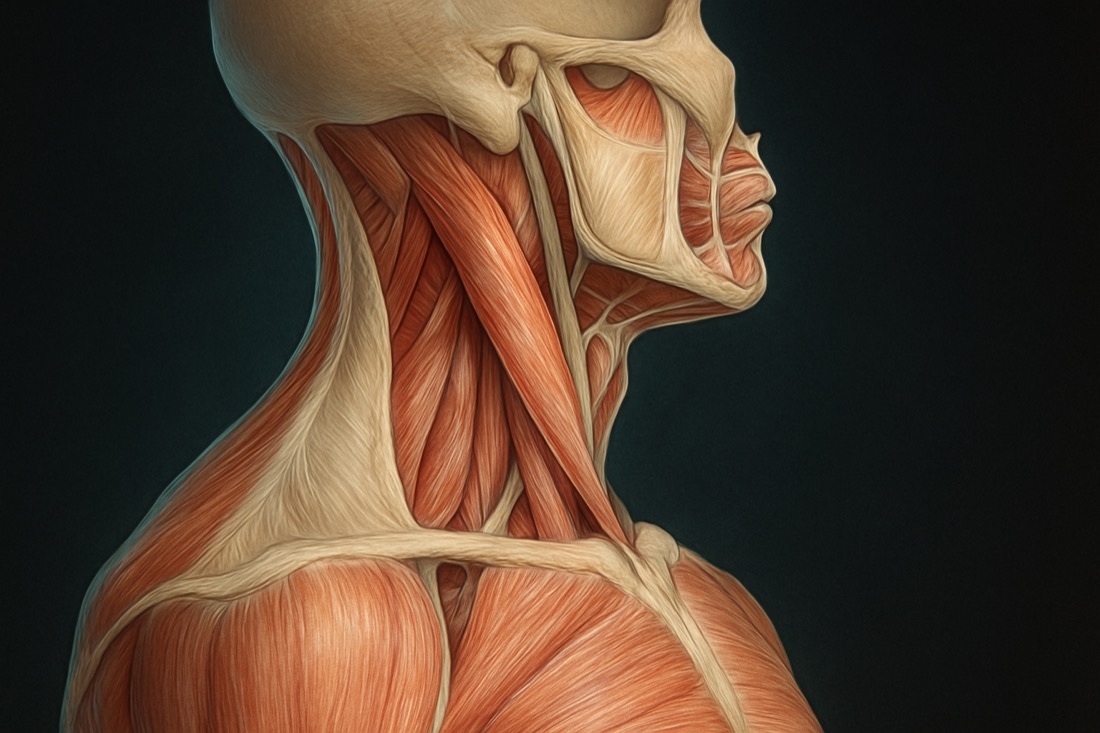
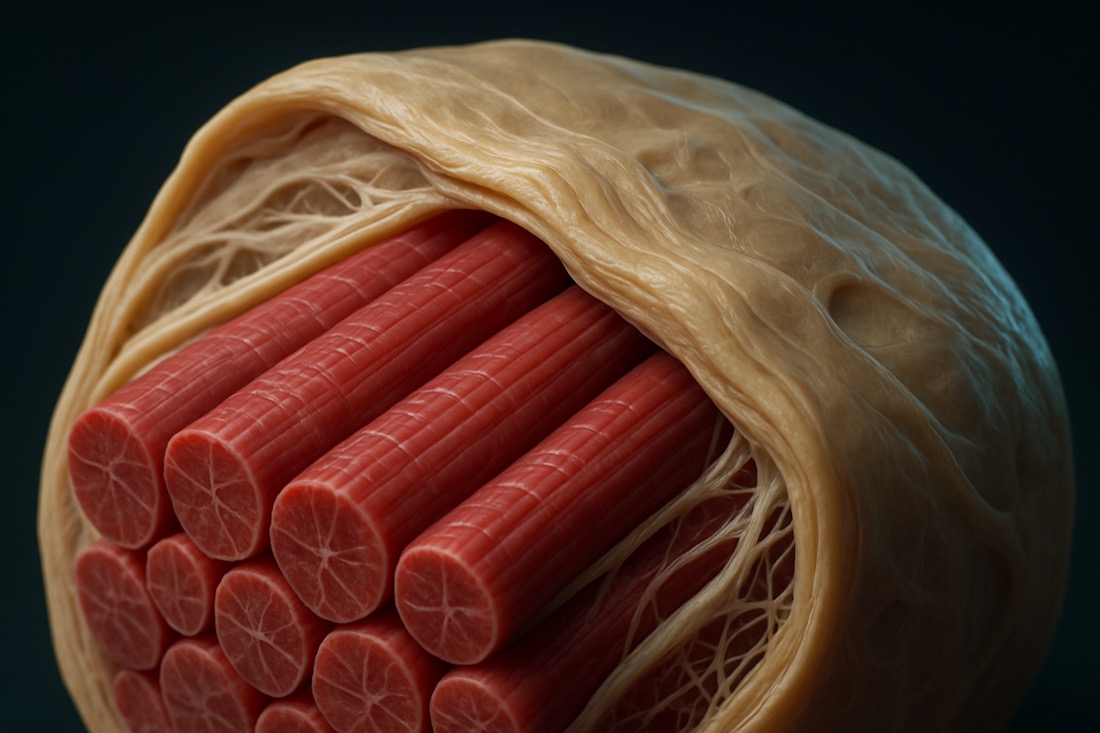
Fascia release techniques focus on the connective tissues that surround muscles and organs, potentially reducing tension and promoting better movement. In the neck area, fascia can become tight due to stress or poor posture, leading to discomfort and restricted motion. By gently manipulating the fascia, practitioners aim to relieve this tension and restore a more natural range of motion [1].
The process involves identifying tight spots in the fascia and applying targeted pressure to encourage relaxation. This method is not only about reducing immediate pain but also about improving overall neck function by addressing the underlying tissue restrictions [2].
Why does my neck feel stiff?
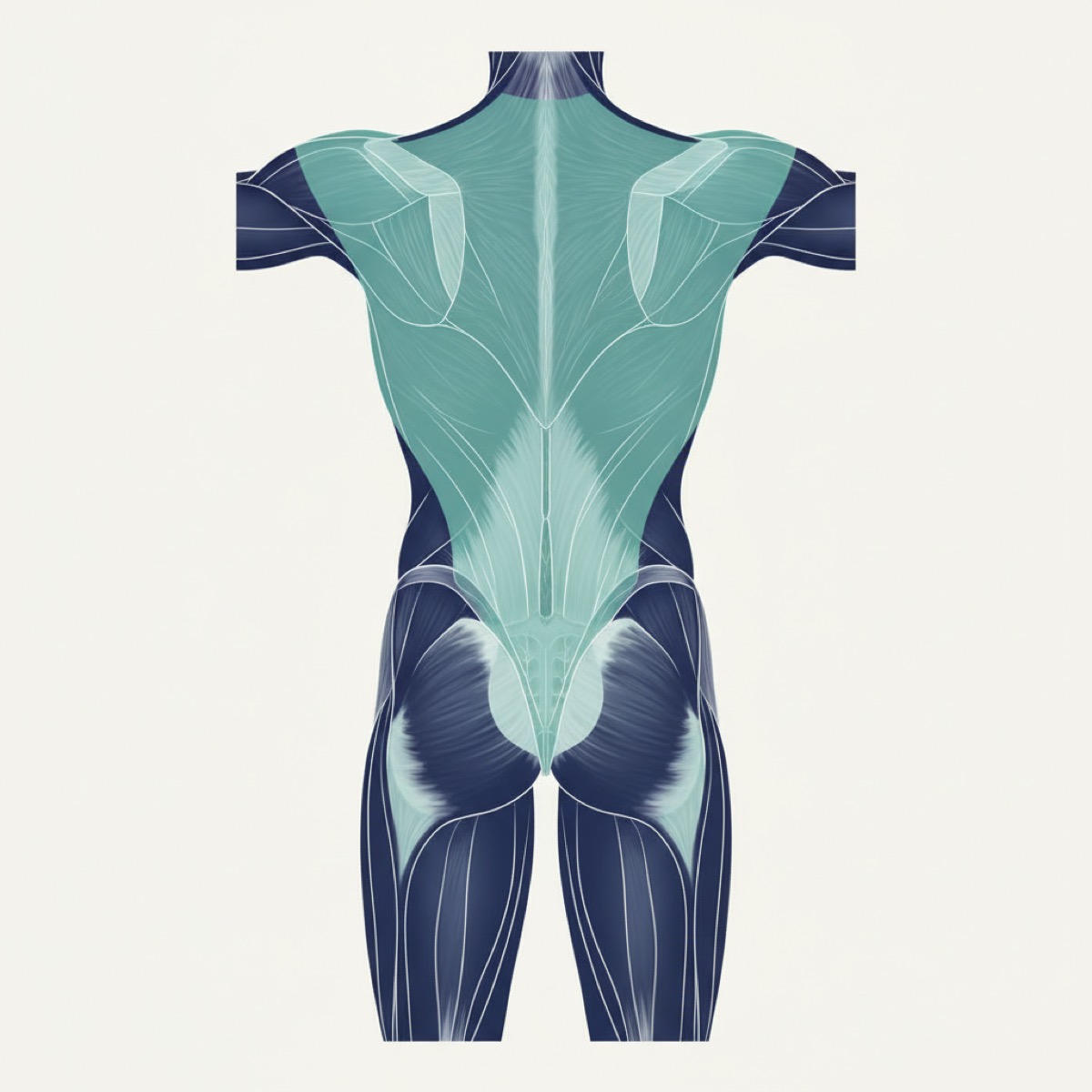
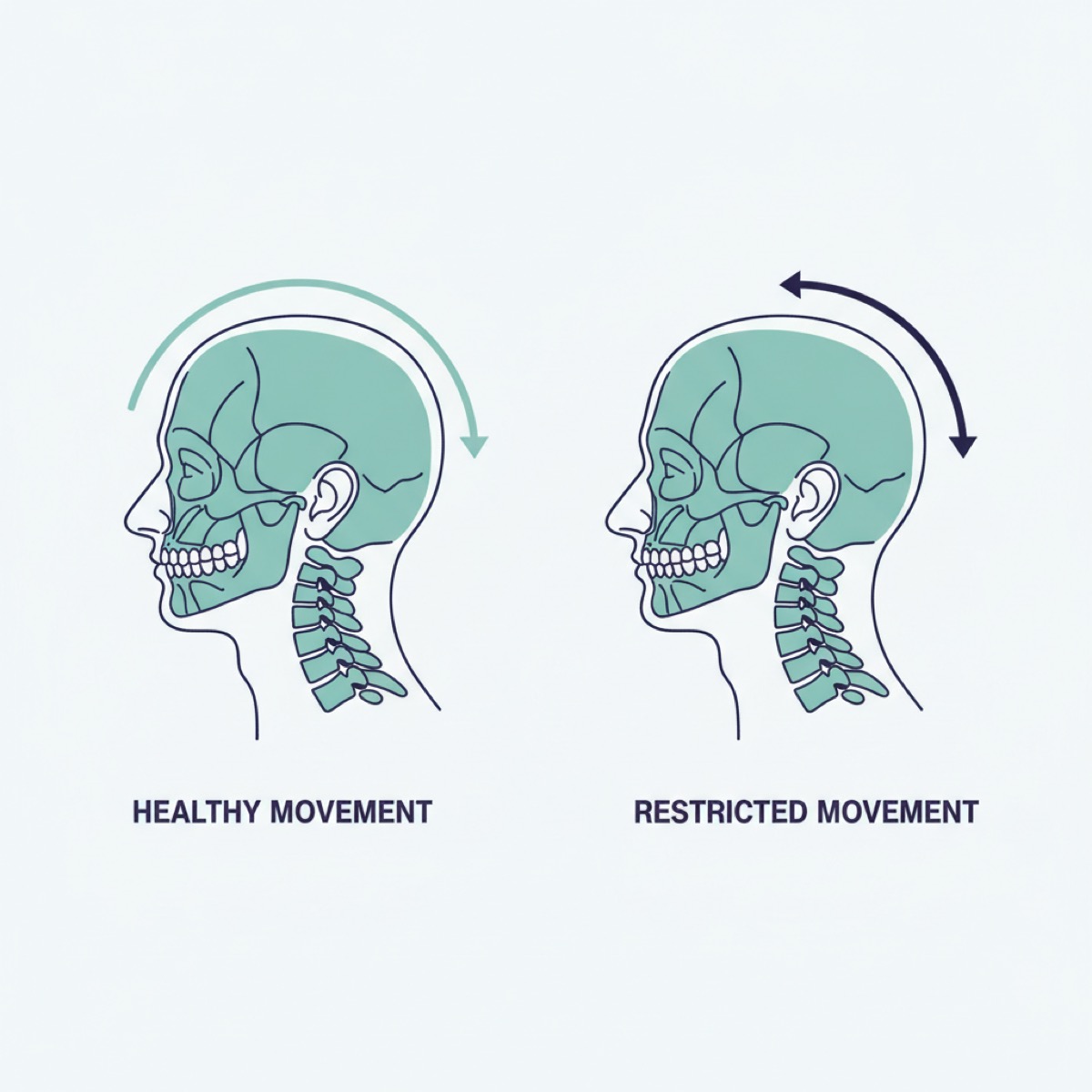
Neck stiffness often results from factors like poor posture, stress, or prolonged periods of inactivity. When the fascia in the neck becomes tight, it can lead to increased muscle tension and limited movement, contributing to a feeling of stiffness [3].
Fascia release techniques can be particularly beneficial in these scenarios as they target the connective tissues that may be contributing to the stiffness. By addressing these issues, fascia therapy can help in reducing the sensation of stiffness and improving neck flexibility [4].
What to expect from a fascia release session
During a fascia release session, practitioners typically start by assessing the neck's range of motion and identifying areas of tension. They then apply gentle pressure to the affected areas to encourage fascia relaxation. Patients might experience a sensation of release or increased mobility as the session progresses [5].
It's important to remember that while some individuals may notice immediate changes, others might require multiple sessions to achieve the desired outcomes. Consistency and patience are key to experiencing the full benefits of fascia therapy [6].

Benefits of fascia release for neck health
Fascia release can offer several benefits for those experiencing neck pain. By targeting the fascia, this therapy may help alleviate discomfort, improve range of motion, and enhance overall neck function. These improvements can contribute to better posture and reduced risk of future neck pain [2].
Additionally, fascia release is a non-invasive approach, making it an attractive option for individuals seeking alternative therapies to manage their neck pain. It complements other treatments and can be part of a holistic approach to neck health [4].
Frequently asked questions
Is fascia release safe? — Fascia release is generally considered safe when performed by a trained professional. It is important to consult with a qualified therapist to ensure the techniques are appropriate for your specific condition.
How long does it take to see results? — The timeframe for results can vary. Some individuals experience relief after one session, while others may require multiple sessions for significant improvement.
Can I perform fascia release at home? — While certain self-care techniques can be done at home, it is recommended to seek guidance from a professional to ensure proper technique and effectiveness.
References
- [1]Zügel M, Maganaris CN, Wilke J, et al. Fascial tissue research in sports medicine: from molecules to tissue adaptation, injury and diagnostics: consensus statement. Br J Sports Med. 2018;52(23):1497.
- [2]Klingler W, Velders M, Hoppe K, Pedro M, Schleip R. Clinical relevance of fascial tissue and dysfunctions. Curr Pain Headache Rep. 2014;18(8):439.
- [3]Wilke J, Vogt L, Niederer D, Banzer W. Is remote stretching based on myofascial chains as effective as local exercise? A randomised-controlled trial. J Sports Sci. 2017;35(20):2021–2027.
- [4]Palomeque-del-Cerro L, Arráez-Aybar LA, Rodríguez-Blanco C, et al. A systematic review of the soft-tissue connections between neck muscles and dura mater: the myodural bridge. Spine. 2017;42(1):49–54.
- [5]Woolf CJ. Central sensitization: implications for the diagnosis and treatment of pain. Pain. 2011;152(3 Suppl):S2–S15.
- [6]Tracey KJ. The inflammatory reflex. Nature. 2002;420(6917):853–859.