Shogo Fujii's Journey to a 90kg Squat
Original title (JP): スクワット90キロに挑戦する、藤井翔悟の日記 #筋膜 #治し方 #藤井翔悟

Supervised by
Shogo Fujii
Physiotherapist (PT) · Founder of the SHOGO FUJII® FASCIA METHOD
View profile →Clinical Article · 5 min read
Fascia therapy plays a crucial role in enhancing muscle performance, as demonstrated by Shogo Fujii's journey to achieving a 90kg squat. Understanding how fascia supports strength training can provide both clinicians and informed patients with insights into optimizing physical performance through targeted therapies.
What is fascia and how does it support muscle strength?
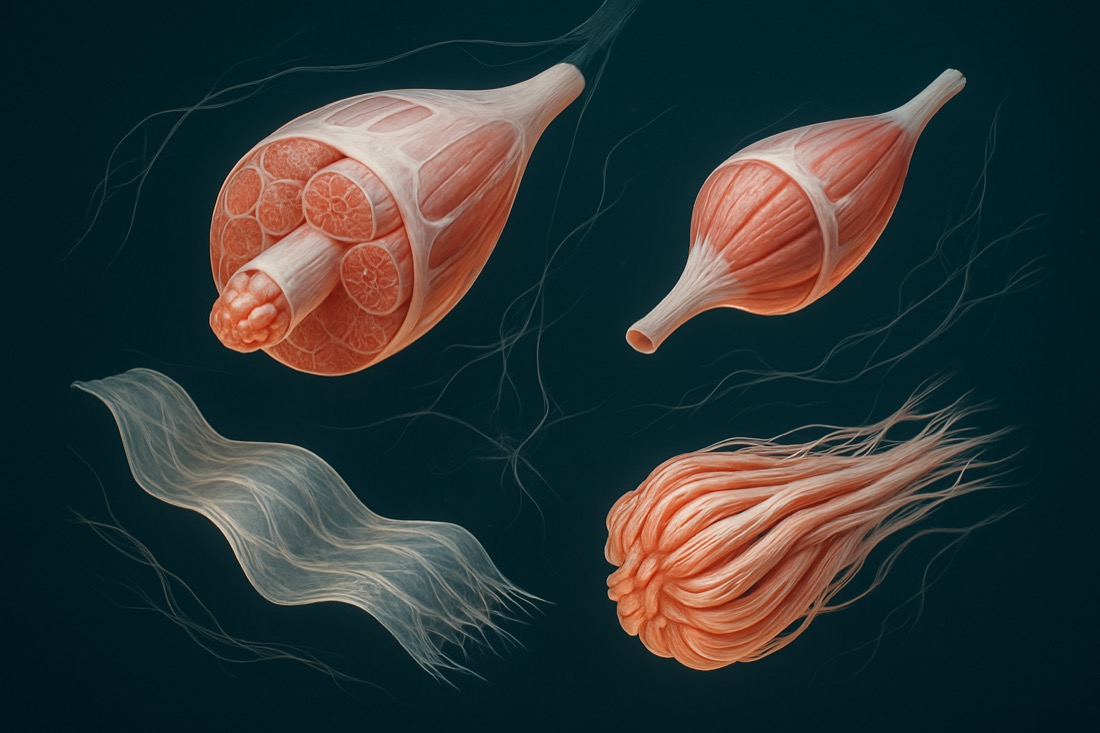
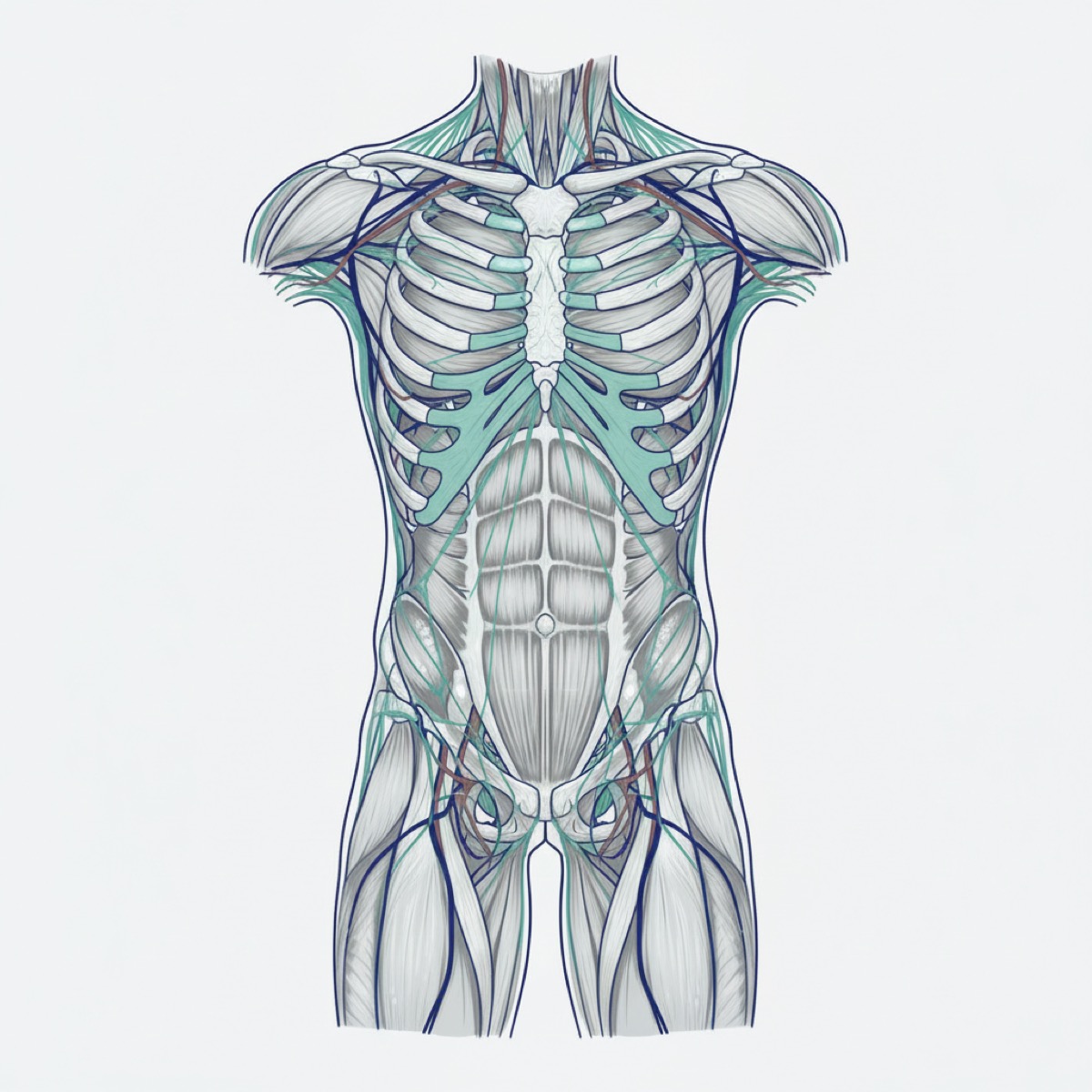
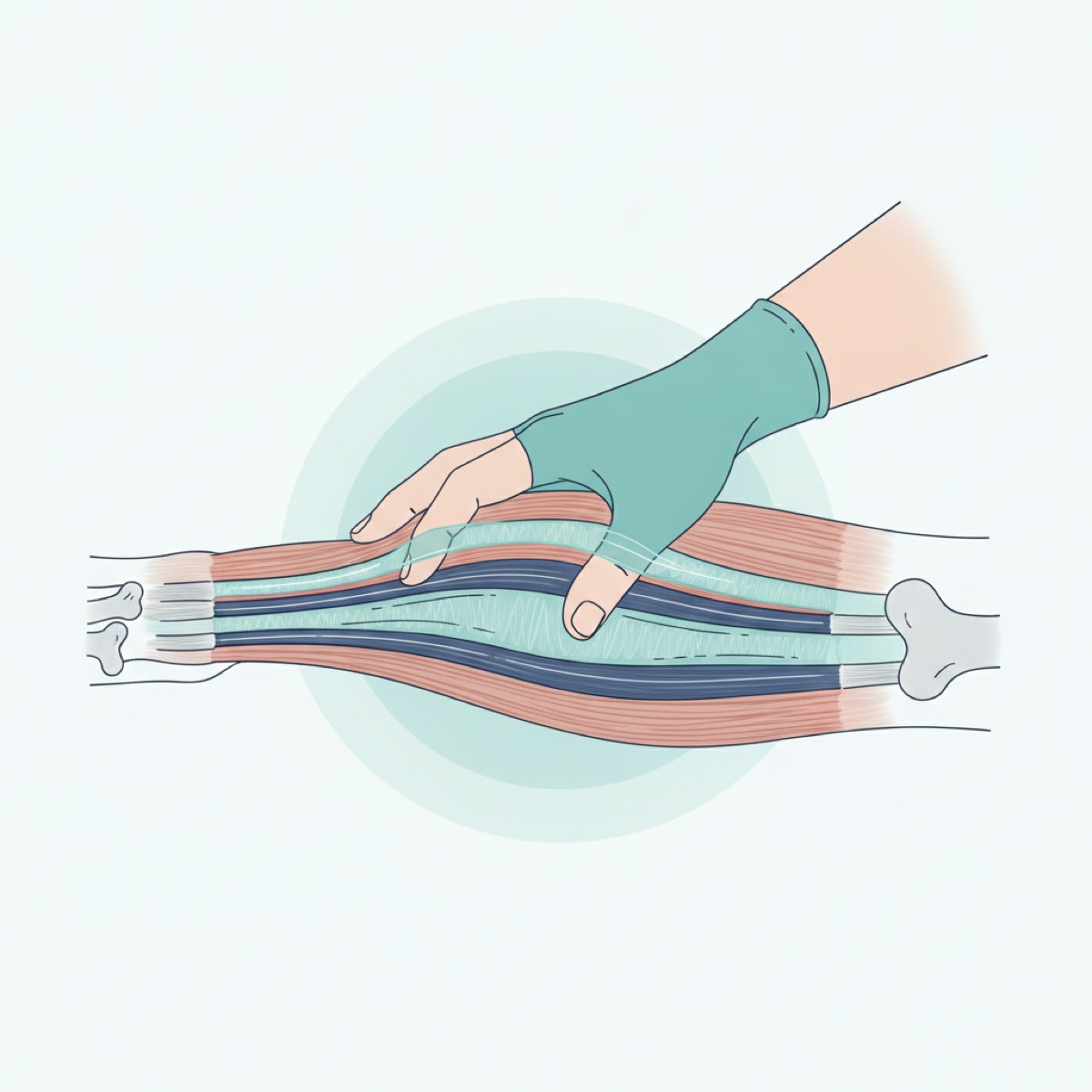
Fascia is a connective tissue that surrounds muscles, bones, and other structures in the body, playing a critical role in maintaining structural integrity and facilitating movement. It acts like a web, allowing muscles to glide smoothly and efficiently during physical activities, such as squatting.
In strength training, like Shogo Fujii's pursuit of a 90kg squat, fascia's health and flexibility are essential for optimal muscle performance. Healthy fascia can enhance muscle recovery and reduce the risk of injuries, making fascia therapy an important consideration for athletes and fitness enthusiasts.
How does fascia therapy enhance squat performance?
Fascia therapy involves techniques like myofascial release, which target the fascia to improve its elasticity and function. By releasing tension and adhesions within the fascia, these therapies can enhance muscle activation and coordination, crucial for complex movements like squats.
For Shogo Fujii, incorporating fascia therapy into his routine could help in achieving greater depth and stability in his squats. This approach not only supports immediate performance but also contributes to long-term muscle health by preventing compensatory patterns that may lead to injury.
The role of fascia in preventing injuries during strength training
Injury prevention is a significant benefit of maintaining healthy fascia. When fascia is flexible and properly aligned, it allows for better distribution of forces across the body, reducing the strain on individual muscles and joints during exercises like squats.
Shogo Fujii's focus on fascia health is likely a key factor in his ability to train with heavy weights safely. Fascia therapy can address imbalances and restrictions that might otherwise lead to overuse injuries, making it a valuable tool for anyone engaged in regular strength training.
Integrating fascia therapy into your training routine
Incorporating fascia therapy into your training routine can be done through regular sessions with a trained therapist or by learning self-myofascial release techniques. These practices can be integrated before and after workouts to enhance flexibility and recovery.
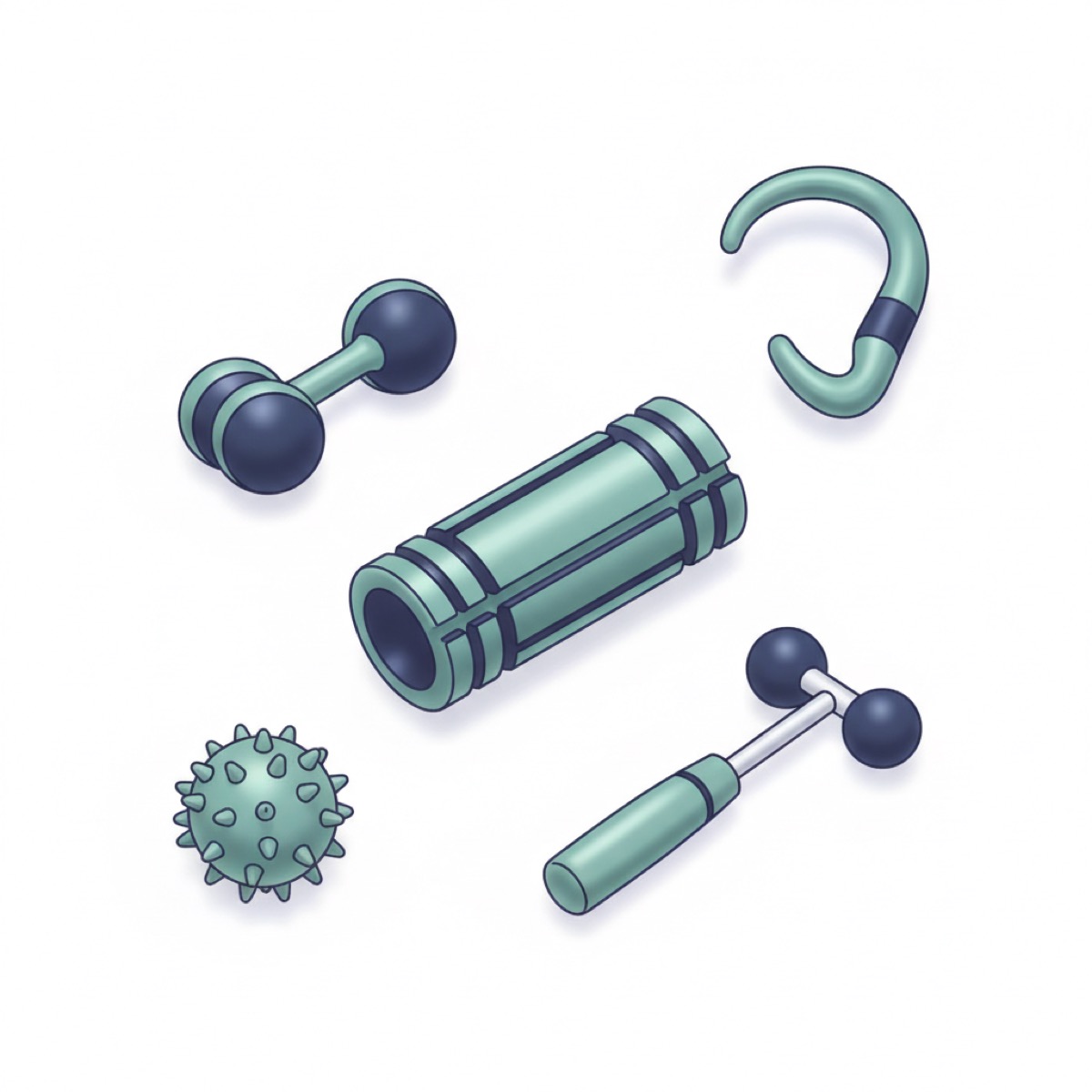
For those inspired by Shogo Fujii's journey, starting with simple tools like foam rollers or massage balls can be a great way to begin exploring fascia therapy. Consistency in these practices can lead to noticeable improvements in both performance and overall muscle health.
Frequently asked questions
What are the benefits of fascia therapy for athletes? — Fascia therapy can improve flexibility, reduce muscle soreness, and enhance overall performance by ensuring muscles and connective tissues work harmoniously.
Is fascia therapy safe for everyone? — Generally, fascia therapy is safe for most people, but it's important to consult with a healthcare provider to ensure it's appropriate for your specific health conditions.
Can fascia therapy replace traditional strength training? — While fascia therapy offers significant benefits, it should complement rather than replace traditional strength training. It enhances muscle function and recovery, supporting a comprehensive fitness regimen.
References
- [1]Stecco C, Stern R, Porzionato A, et al. Hyaluronan within fascia in the etiology of myofascial pain. Surg Radiol Anat. 2011;33(10):891–896.
- [2]Ajimsha MS, Al-Mudahka NR, Al-Madzhar JA. Effectiveness of myofascial release: a systematic review of randomized controlled trials. J Bodyw Mov Ther. 2015;19(1):102–112.
- [3]Tozzi P, Bongiorno D, Vitturini C. Fascial release effects on patients with non-specific cervical or lumbar pain. J Bodyw Mov Ther. 2011;15(4):405–416.
- [4]Zügel M, Maganaris CN, Wilke J, et al. Fascial tissue research in sports medicine: from molecules to tissue adaptation, injury and diagnostics: consensus statement. Br J Sports Med. 2018;52(23):1497.
- [5]Klingler W, Velders M, Hoppe K, Pedro M, Schleip R. Clinical relevance of fascial tissue and dysfunctions. Curr Pain Headache Rep. 2014;18(8):439.
- [6]Wilke J, Vogt L, Niederer D, Banzer W. Is remote stretching based on myofascial chains as effective as local exercise? A randomised-controlled trial. J Sports Sci. 2017;35(20):2021–2027.