Instant Relief for Shoulder Pain
Original title (JP): 肩の痛みを一撃で治す動画 #筋膜 #治し方 #藤井翔悟

Supervised by
Shogo Fujii
Physiotherapist (PT) · Founder of the SHOGO FUJII® FASCIA METHOD
View profile →Clinical Article · 5 min read
Are you struggling with persistent shoulder pain and searching for effective relief? Fascia release techniques might be the answer. In this article, we'll explore how specific fascia therapy methods can alleviate neck and shoulder discomfort, improve mobility, and enhance your overall quality of life.
Why does shoulder pain occur?
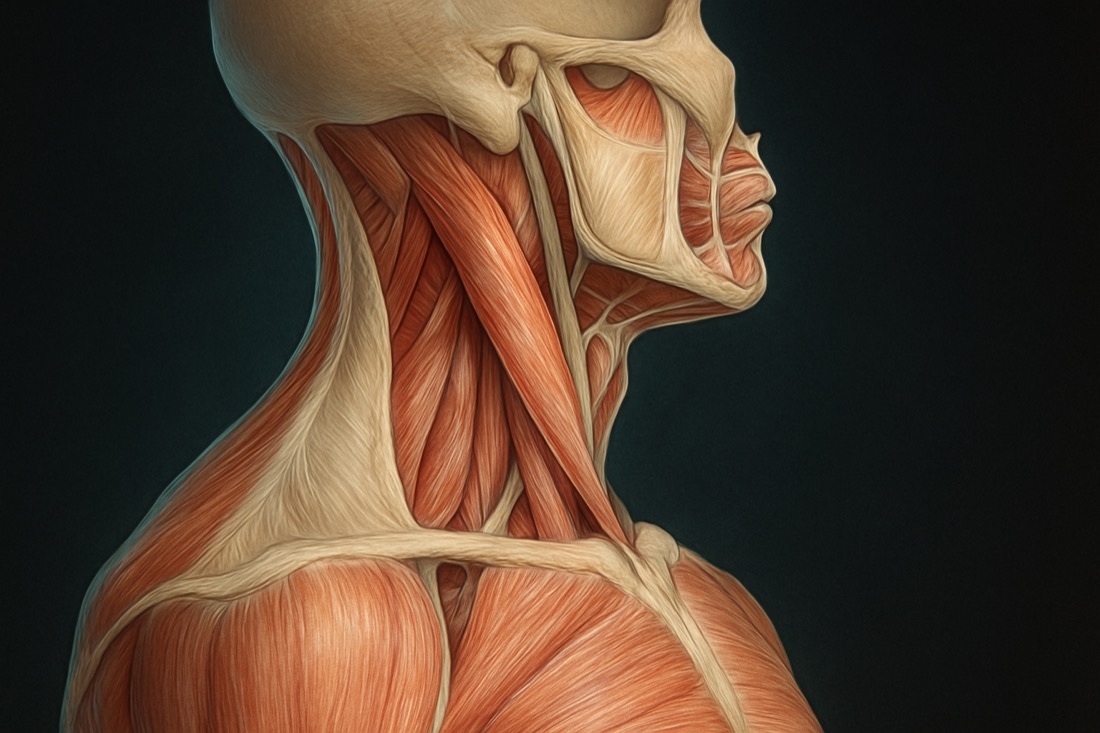
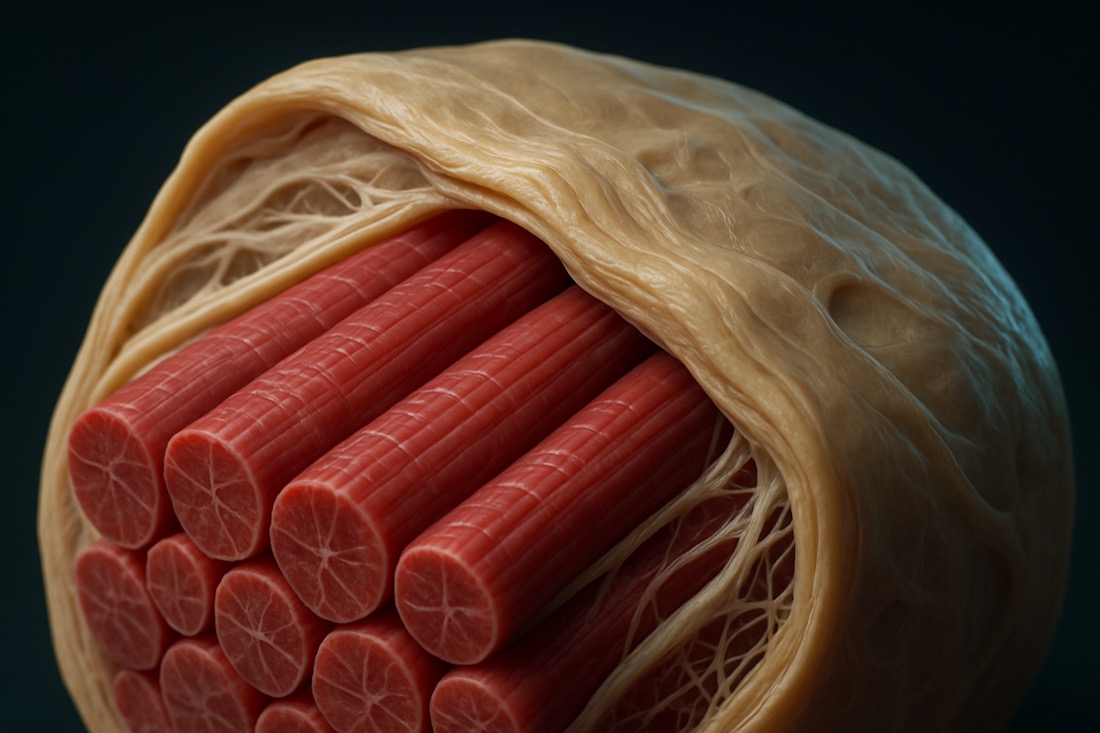
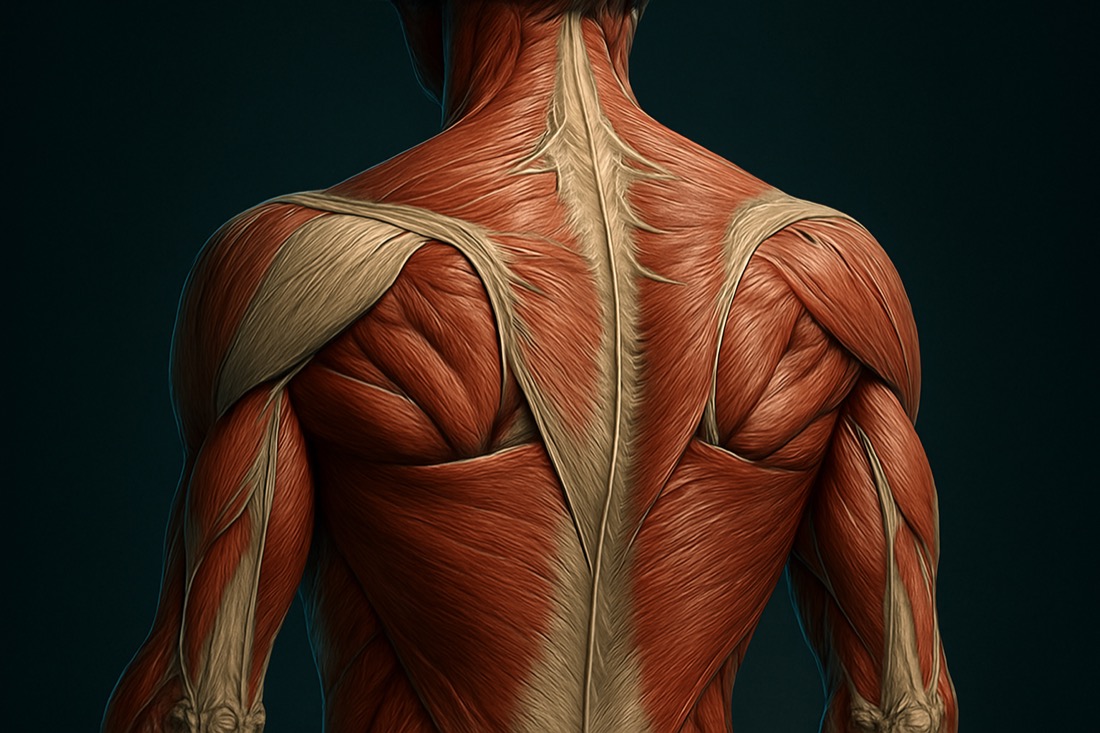
Shoulder pain is a common issue that can stem from various causes, including poor posture, repetitive movements, and stress. These factors can lead to tightness and restrictions in the fascia, a connective tissue that surrounds muscles and organs. When the fascia becomes restricted, it can result in pain and decreased range of motion [1].
Understanding the role of fascia in shoulder pain is crucial for effective treatment. Fascia release techniques aim to alleviate these restrictions, improving circulation and promoting relaxation. By addressing the underlying fascial tightness, patients can experience significant relief and enhanced shoulder function.
How fascia release works for shoulder pain
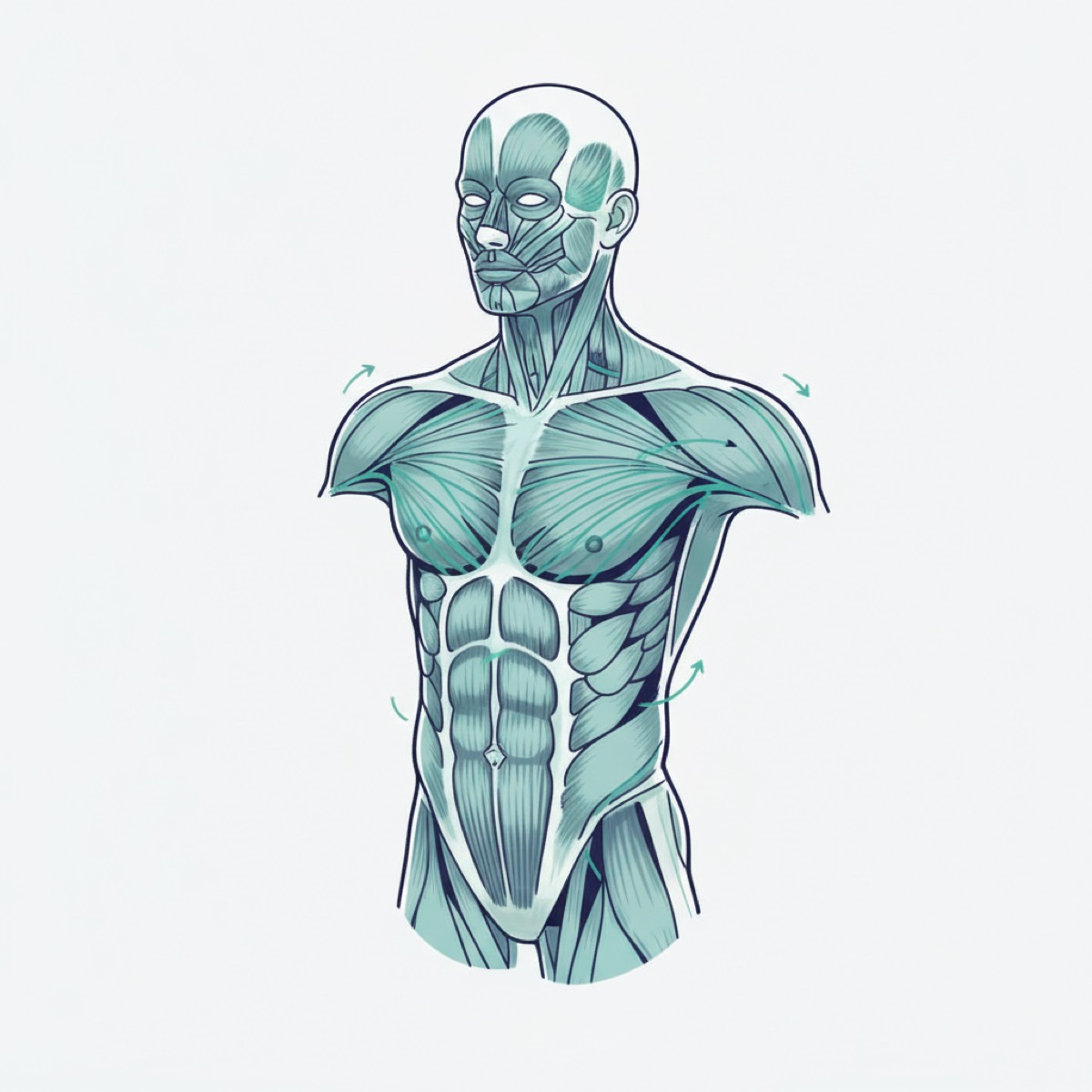
Fascia release involves applying gentle pressure to the affected areas to stretch and loosen the fascia. In the video by Shogo Fujii, the therapist identifies the most painful spots on the shoulder and applies targeted pressure to these areas. This process helps to release tension and improve mobility over time [2].
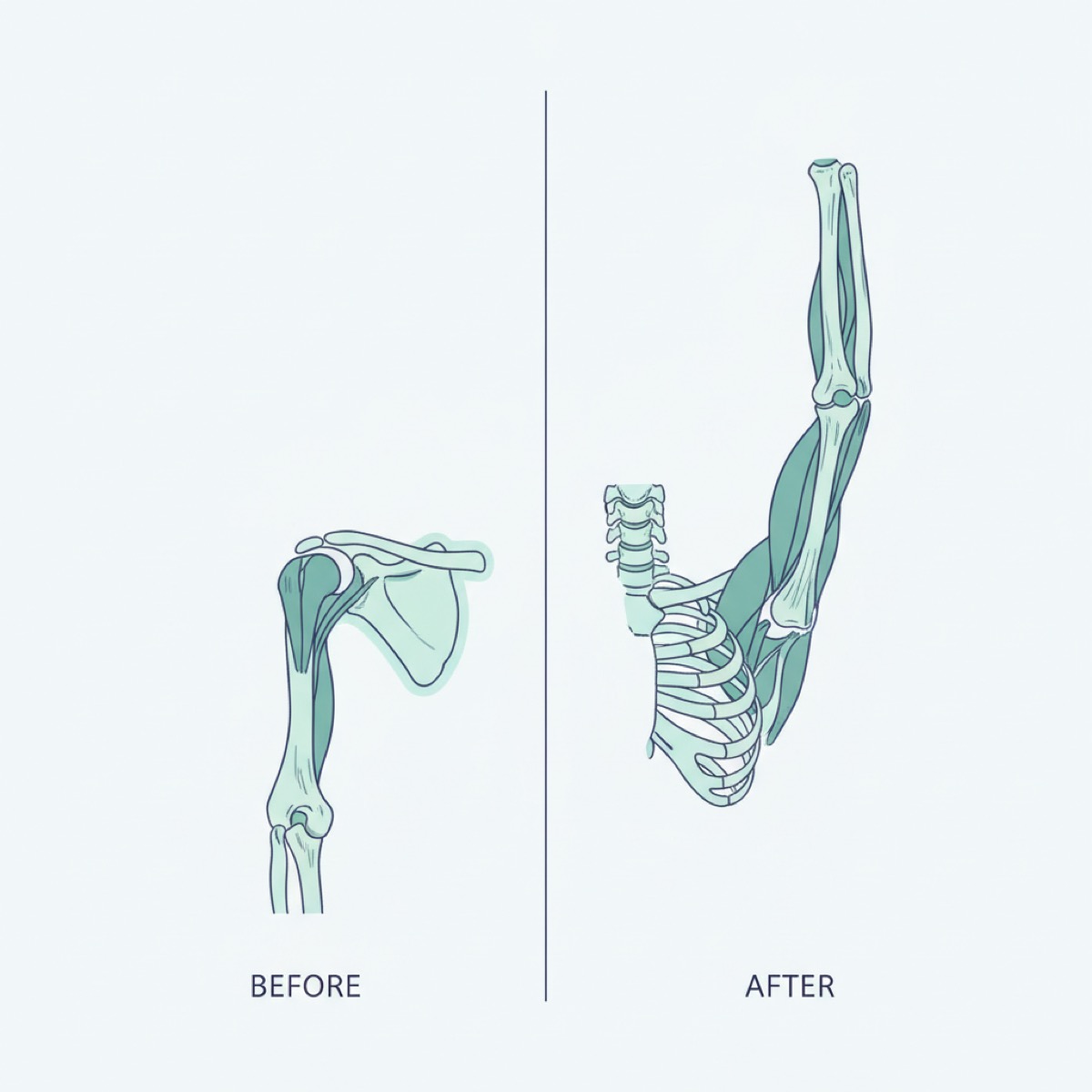
The therapist demonstrates a technique where the patient is asked to perform specific movements while pressure is applied. This active engagement helps to further relax the fascia and increase the shoulder's range of motion. Patients often report feeling immediate, albeit partial, relief after such sessions.
What to expect during fascia therapy
During a fascia therapy session, the therapist will first assess the areas of greatest tension and pain. In the video, the therapist uses a combination of palpation and movement tests to pinpoint these areas. Once identified, they apply sustained pressure to release the fascia [3].
Patients may experience slight discomfort during the process, especially when pressure is applied to particularly tight areas. However, this discomfort is typically followed by a noticeable improvement in shoulder movement and a reduction in pain.

Benefits of fascia release for shoulder pain
Fascia release offers numerous benefits for those suffering from shoulder pain. By targeting the fascia, this therapy can reduce inflammation, enhance mobility, and decrease pain. Patients often find that regular sessions lead to long-term improvements in shoulder function and overall well-being [4].
Additionally, fascia release can complement other therapeutic approaches, such as physical therapy and exercise, to provide a more comprehensive treatment plan. This integrative approach ensures that all aspects of the shoulder's health are addressed, promoting faster and more sustainable recovery.
Frequently asked questions
Is fascia release safe? — Yes, fascia release is generally considered safe when performed by a trained professional. It is a non-invasive technique that focuses on gentle pressure and stretching to alleviate pain and improve mobility [5].
How often should I undergo fascia therapy? — The frequency of fascia therapy sessions depends on the individual's condition and response to treatment. Some patients benefit from weekly sessions, while others may require less frequent visits [6].
Can fascia release cure shoulder pain permanently? — While fascia release can significantly reduce pain and improve function, it is not a guaranteed cure. It should be part of a comprehensive treatment plan that includes lifestyle changes and other therapies.
References
- [1]Taljanovic MS, Gimber LH, Becker GW, et al. Shear-wave elastography: basic physics and musculoskeletal applications. RadioGraphics. 2017;37(3):855–870.
- [2]Langevin HM. Connective tissue: a body-wide signaling network? Med Hypotheses. 2006;66(6):1074–1077.
- [3]Schleip R. Fascial plasticity — a new neurobiological explanation. J Bodyw Mov Ther. 2003;7(1):11–19.
- [4]Wilke J, Krause F, Vogt L, Banzer W. What Is Evidence-Based About Myofascial Chains? A Systematic Review. Arch Phys Med Rehabil. 2016;97(3):454–461.
- [5]Krause F, Wilke J, Vogt L, Banzer W. Intermuscular force transmission along myofascial chains: a systematic review. J Anat. 2016;228(6):910–918.
- [6]Stecco C, Stern R, Porzionato A, et al. Hyaluronan within fascia in the etiology of myofascial pain. Surg Radiol Anat. 2011;33(10):891–896.