Instant Relief from Fracture Aftereffects
Original title (JP): 骨折の後遺症を一撃で治す動画 #筋膜 #藤井翔悟

Supervised by
Shogo Fujii
Physiotherapist (PT) · Founder of the SHOGO FUJII® FASCIA METHOD
View profile →Clinical Article · 5 min read
Experiencing discomfort after a fracture can be daunting, especially when it limits daily activities. Fascia release for fracture recovery can offer significant relief, particularly for those dealing with elbow pain. This approach focuses on easing the tension in the connective tissues, potentially improving mobility and reducing pain.
How can fascia release aid fracture recovery?
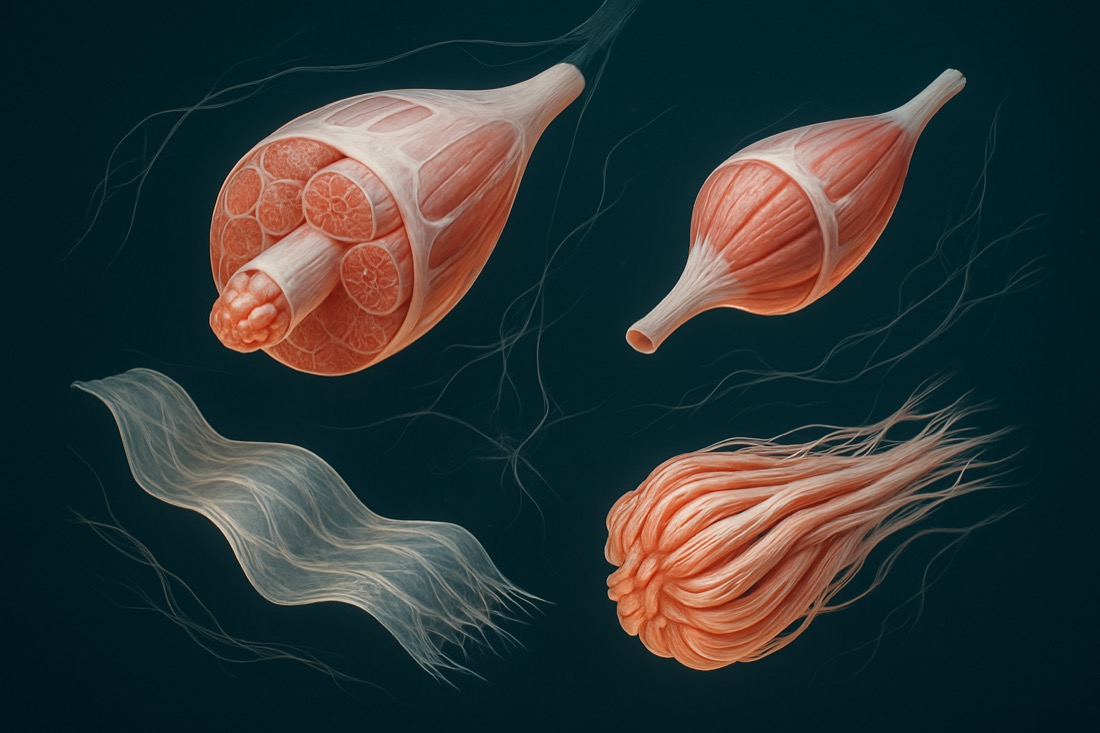
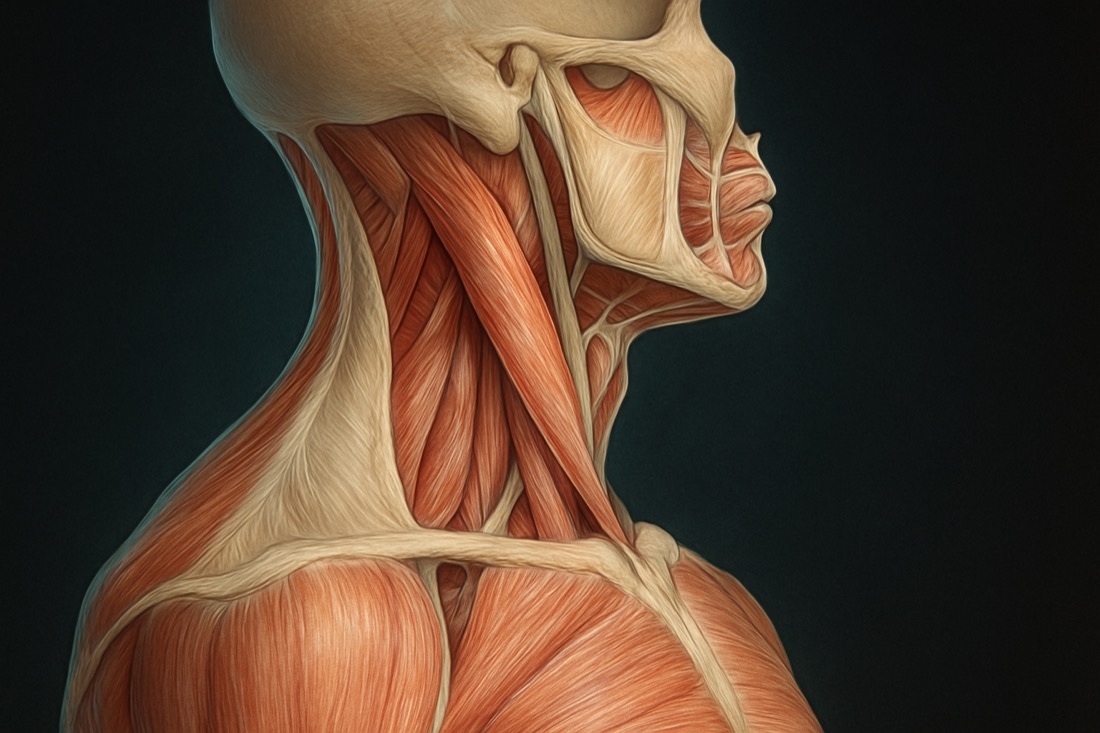
Fascia release is a technique used to alleviate tension in the connective tissues surrounding muscles and bones. After a fracture, such as one affecting the radius near the elbow, fascia can become tight, restricting movement and causing pain. By gently manipulating these tissues, fascia release can help improve mobility and reduce discomfort in the affected area[1][2].
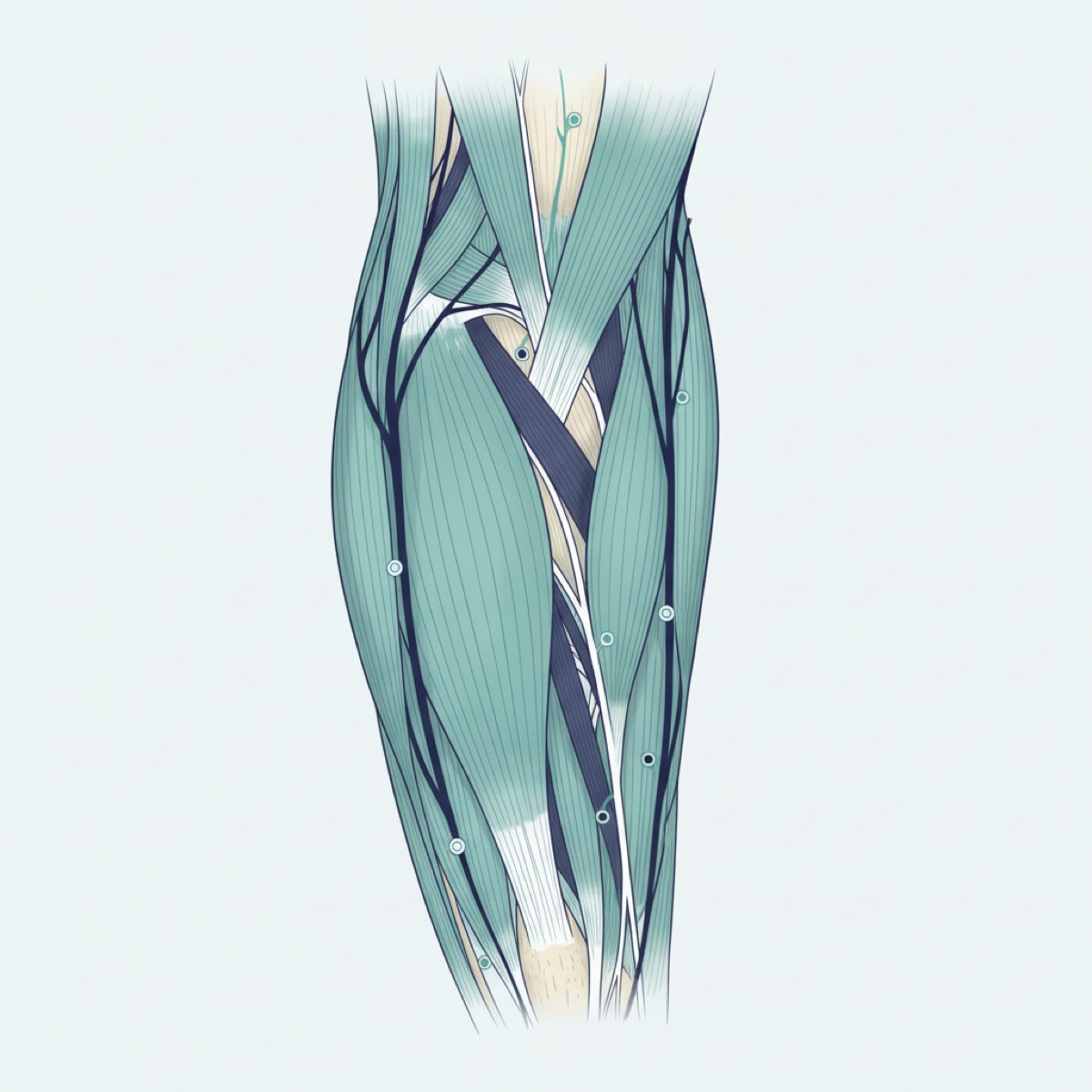
In the case of a fractured radial head, patients often experience difficulty in bending the elbow fully, making everyday tasks like washing the face or handling a motorcycle throttle challenging. Fascia release techniques focus on identifying and softening the hardened areas around the fracture site, which can lead to improved function and less pain[3].
Why does elbow pain persist after a fracture?
Persistent elbow pain after a fracture can be attributed to several factors, including the formation of scar tissue, lingering inflammation, and restricted fascia. These elements can limit the range of motion and cause ongoing discomfort if not addressed properly[4].
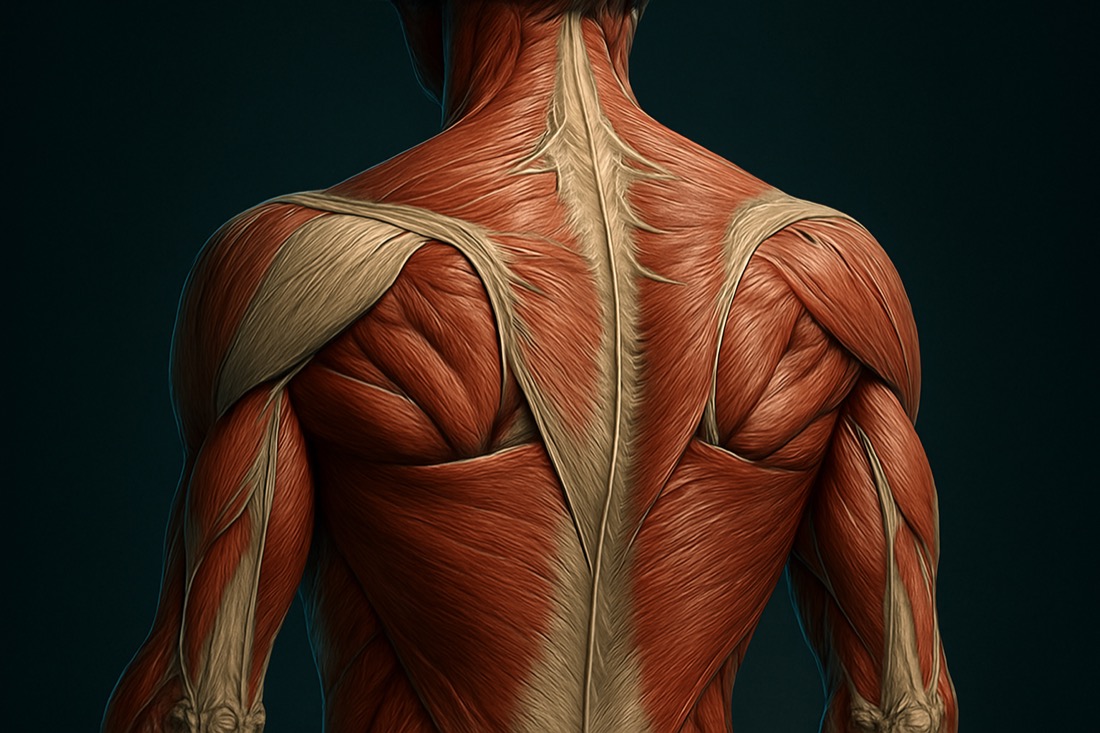
Fascia, in particular, plays a crucial role in post-fracture recovery. It envelops muscles and bones, and when it becomes tight, it can contribute to pain and stiffness. Addressing fascia tightness through targeted release techniques can significantly enhance recovery outcomes for patients experiencing post-fracture elbow pain.
What is the process of fascia release for elbow pain?
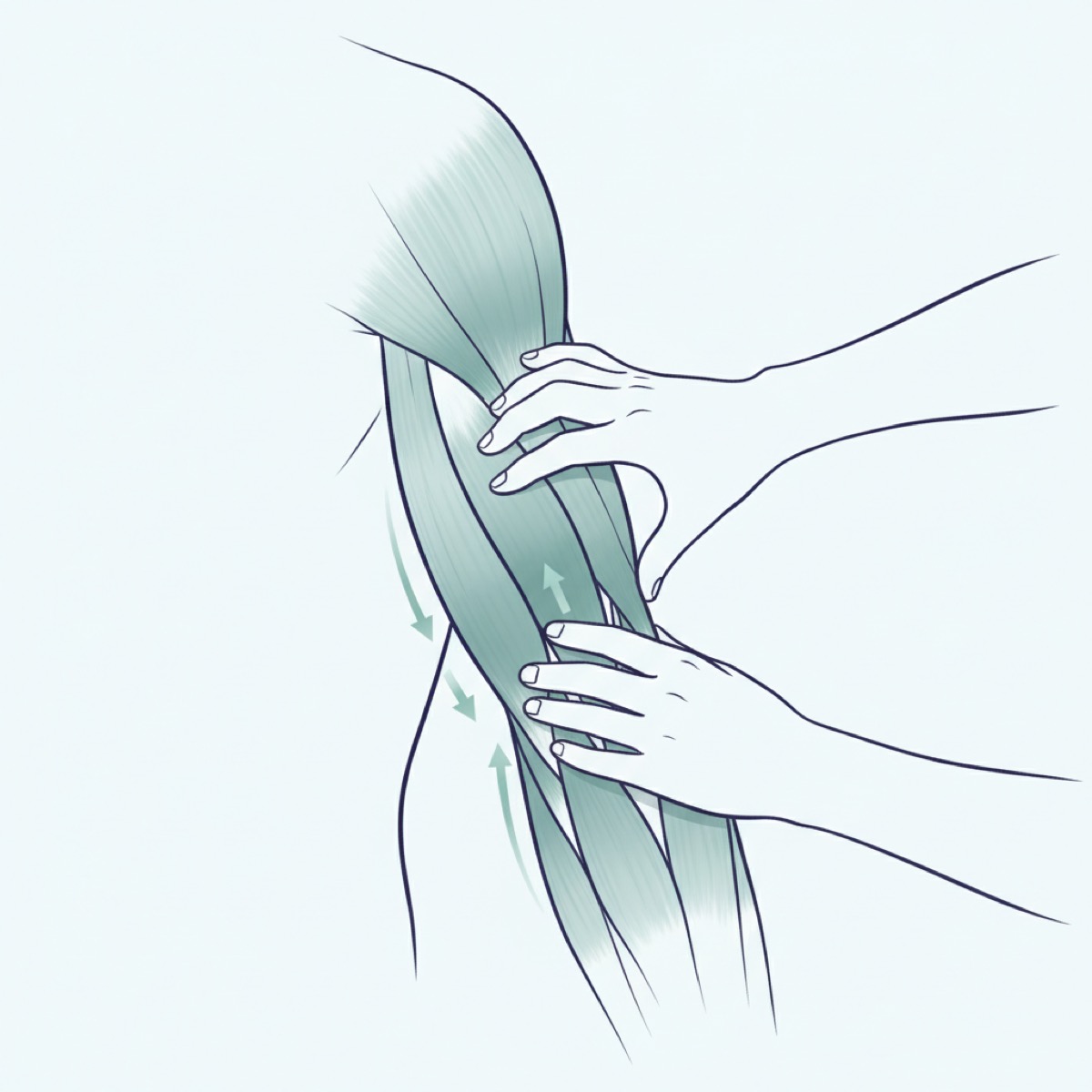
Fascia release involves applying gentle pressure and movement to the affected area to soften and stretch the fascia. In the case of elbow pain from a fracture, a clinician may palpate the elbow to identify areas of tightness or hardness and then use specific techniques to release these restrictions[5].
Patients are often encouraged to participate actively in their fascia release therapy, performing movements such as slight rotations or bending of the elbow while pressure is applied. This interaction can help facilitate the loosening of the fascia and improve the overall range of motion and comfort.
What benefits can you expect from fascia release?
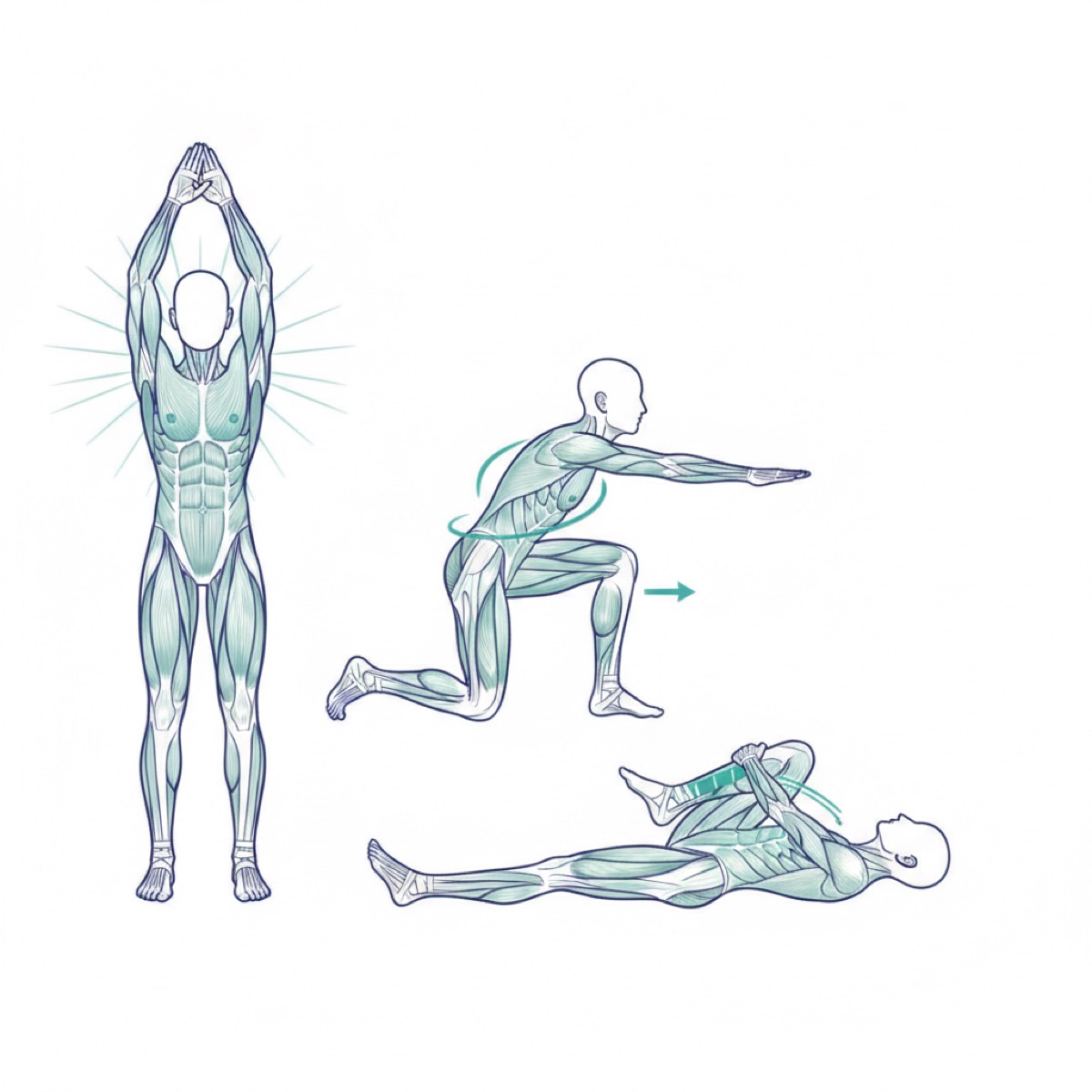
Fascia release can offer several benefits for individuals recovering from fractures, particularly those affecting the elbow. Patients may notice a reduction in pain, increased flexibility, and an improved ability to perform daily activities without discomfort[6].
Moreover, some patients report a warming sensation in the body as the fascia releases, which can be a sign of improved circulation and relaxation of the tissues. This therapeutic approach not only aims to alleviate immediate pain but also supports long-term recovery and functionality.
Frequently asked questions
Is fascia release safe for everyone? — Fascia release is generally safe when performed by a trained professional, but it's important to consult with a healthcare provider to ensure it's appropriate for your specific condition.
How soon can I expect results from fascia release? — While some patients may experience immediate relief, others might notice gradual improvements over several sessions, depending on the severity of the fascia tightness and individual response.
Can I do fascia release at home? — Some basic fascia release techniques can be performed at home with guidance from a therapist, but professional supervision is recommended to ensure safety and effectiveness.
References
- [1]Field R, Pourkazemi F, Turton J, Rooney K. Dietary interventions are beneficial for patients with chronic pain: a systematic review with meta-analysis. Pain Med. 2021;22(3):694–714.
- [2]Taljanovic MS, Gimber LH, Becker GW, et al. Shear-wave elastography: basic physics and musculoskeletal applications. RadioGraphics. 2017;37(3):855–870.
- [3]Langevin HM. Connective tissue: a body-wide signaling network? Med Hypotheses. 2006;66(6):1074–1077.
- [4]Schleip R. Fascial plasticity — a new neurobiological explanation. J Bodyw Mov Ther. 2003;7(1):11–19.
- [5]Wilke J, Krause F, Vogt L, Banzer W. What Is Evidence-Based About Myofascial Chains? A Systematic Review. Arch Phys Med Rehabil. 2016;97(3):454–461.
- [6]Krause F, Wilke J, Vogt L, Banzer W. Intermuscular force transmission along myofascial chains: a systematic review. J Anat. 2016;228(6):910–918.