Medically Recognized Fascia Release Techniques for the Spine: A Comprehensive Introductory Seminar
Original title (JP): 医学的に認められた、脊柱の筋膜リリーステクニック!完全入門セミナー #筋膜 #美容 #藤井翔悟 #治し方

Supervised by
Shogo Fujii
Physiotherapist (PT) · Founder of the SHOGO FUJII® FASCIA METHOD
View profile →Clinical Article · 5 min read
Fascia release for neck and back pain is gaining traction among clinicians and informed patients looking for relief. Understanding the intricate role fascia plays in our musculoskeletal system is crucial for both practitioners and patients alike. This article delves into effective fascia release techniques, particularly for the spine, and highlights their potential benefits.
How does fascia affect your spine?
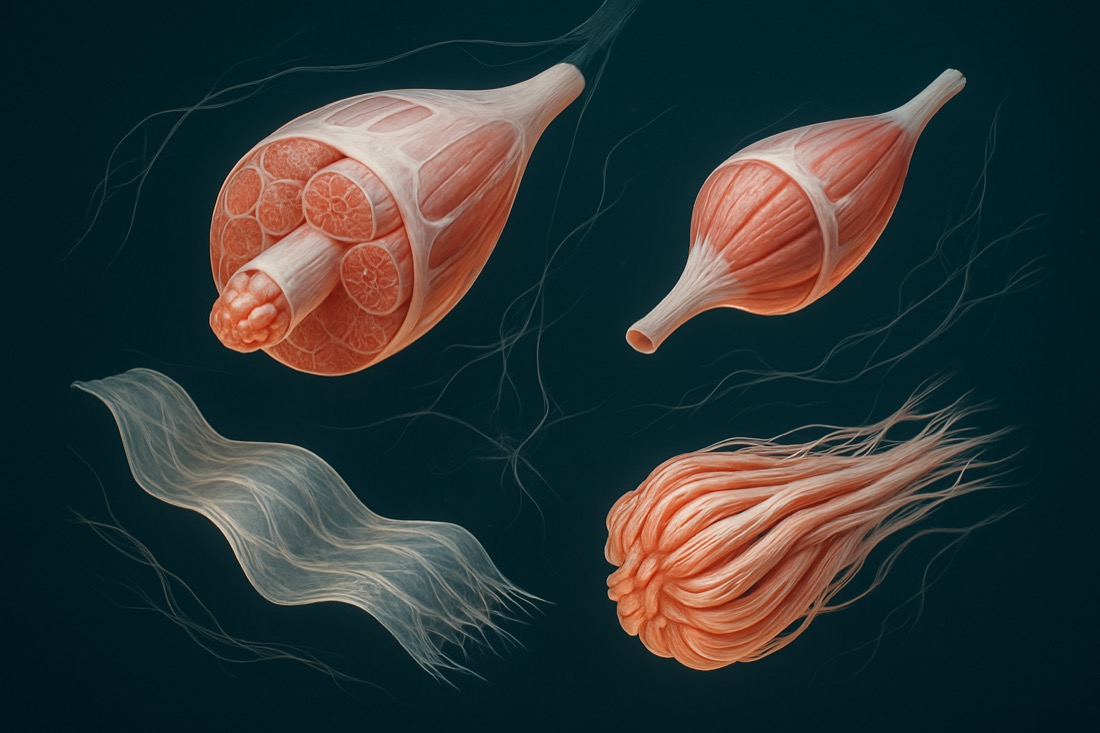
Fascia is a connective tissue that surrounds muscles, nerves, and organs, playing a crucial role in maintaining structural integrity. When fascia becomes restricted or tight, it can lead to discomfort or pain, particularly in the spine and neck areas. This tightness can result from poor posture, repetitive movements, or injuries, causing limited mobility and chronic pain [1].
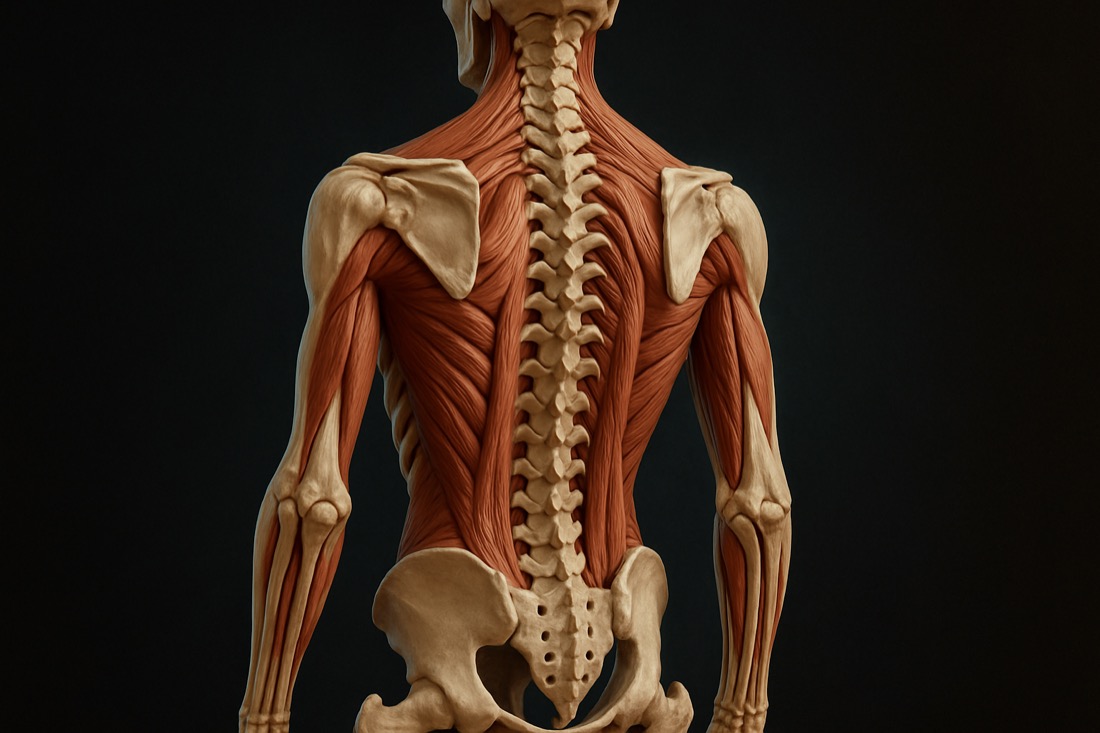
Understanding the impact of fascia on spinal health is essential for effective treatment. Restrictive fascia can alter the alignment of the vertebrae, leading to imbalances and compensatory movements. By addressing these restrictions through fascia release techniques, patients can experience improved mobility and reduced pain [2].
Why does my neck feel so stiff?
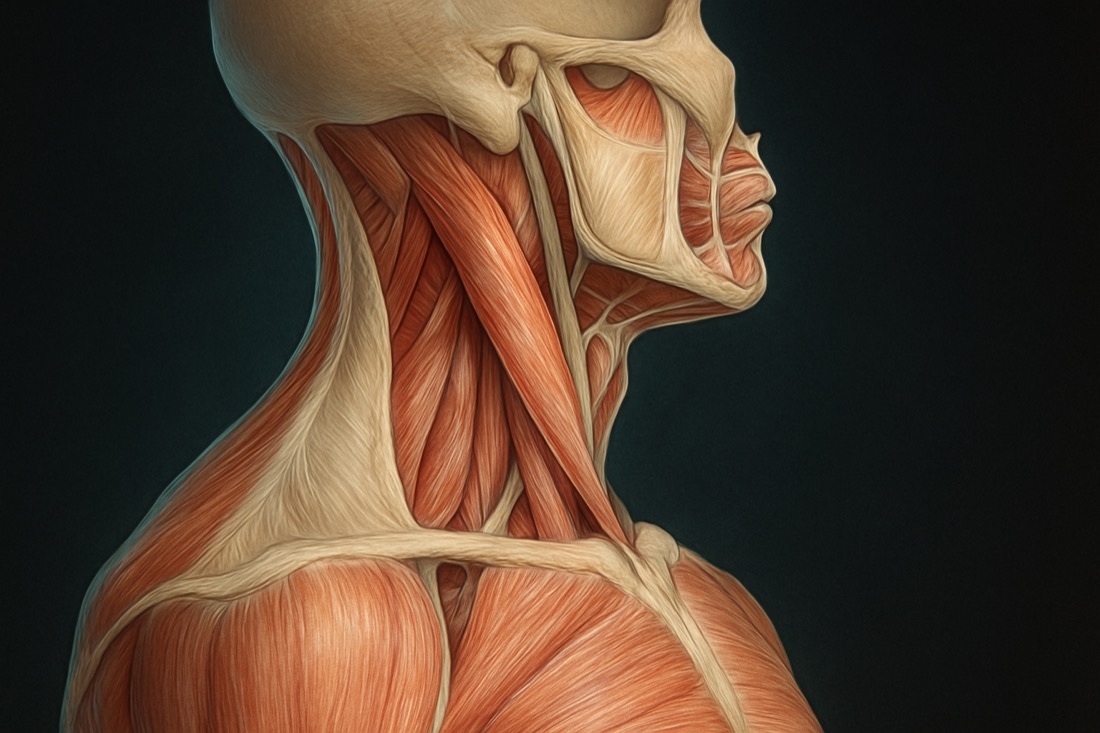
Neck stiffness often stems from tight fascia in the cervical region. This tightness can manifest as a result of stress, poor ergonomics, or prolonged periods of immobility. Clinicians can identify areas of fascial restriction by palpating the neck and feeling for areas of hardness or immobility [3].
Once the problematic areas are identified, specific fascia release techniques can be applied. These techniques are designed to gently stretch and manipulate the fascia, promoting relaxation and increased range of motion. This approach not only alleviates stiffness but also prevents future occurrences by addressing the root cause of the tension [4].
How fascia release works for the spine
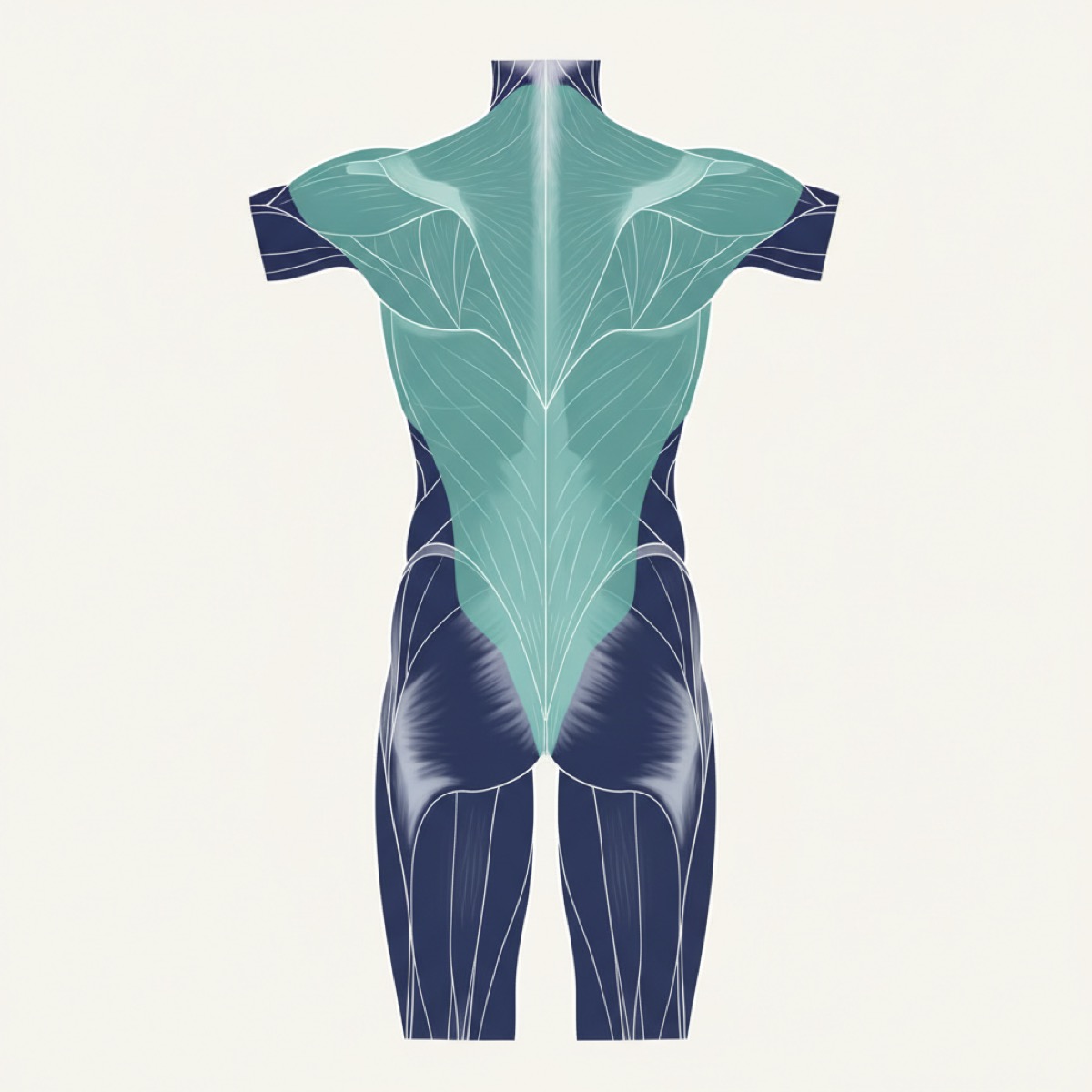
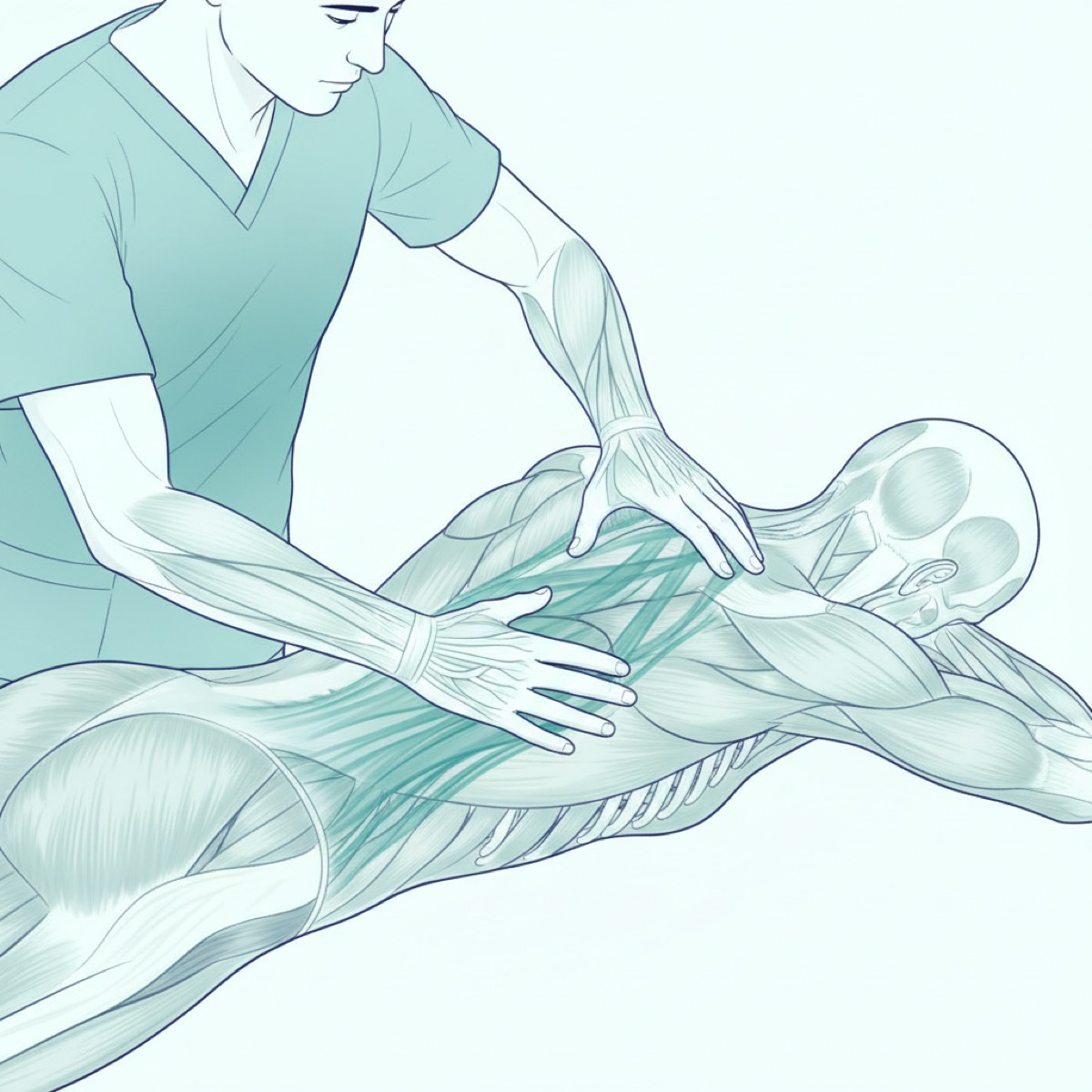
Fascia release techniques involve targeted pressure and movement to loosen tight fascia around the spine. By applying gentle yet firm pressure along the spine, therapists can facilitate the release of tension. This process enhances circulation and encourages the fascia to return to its natural, more pliable state [5].
One effective technique involves the therapist using their hands to apply pressure along the spine and gently moving the fascia in a rhythmic manner. This helps to break up adhesions and restore elasticity to the tissue. Patients often report a sensation of relief and increased mobility following these sessions [6].
What to expect from a fascia release session
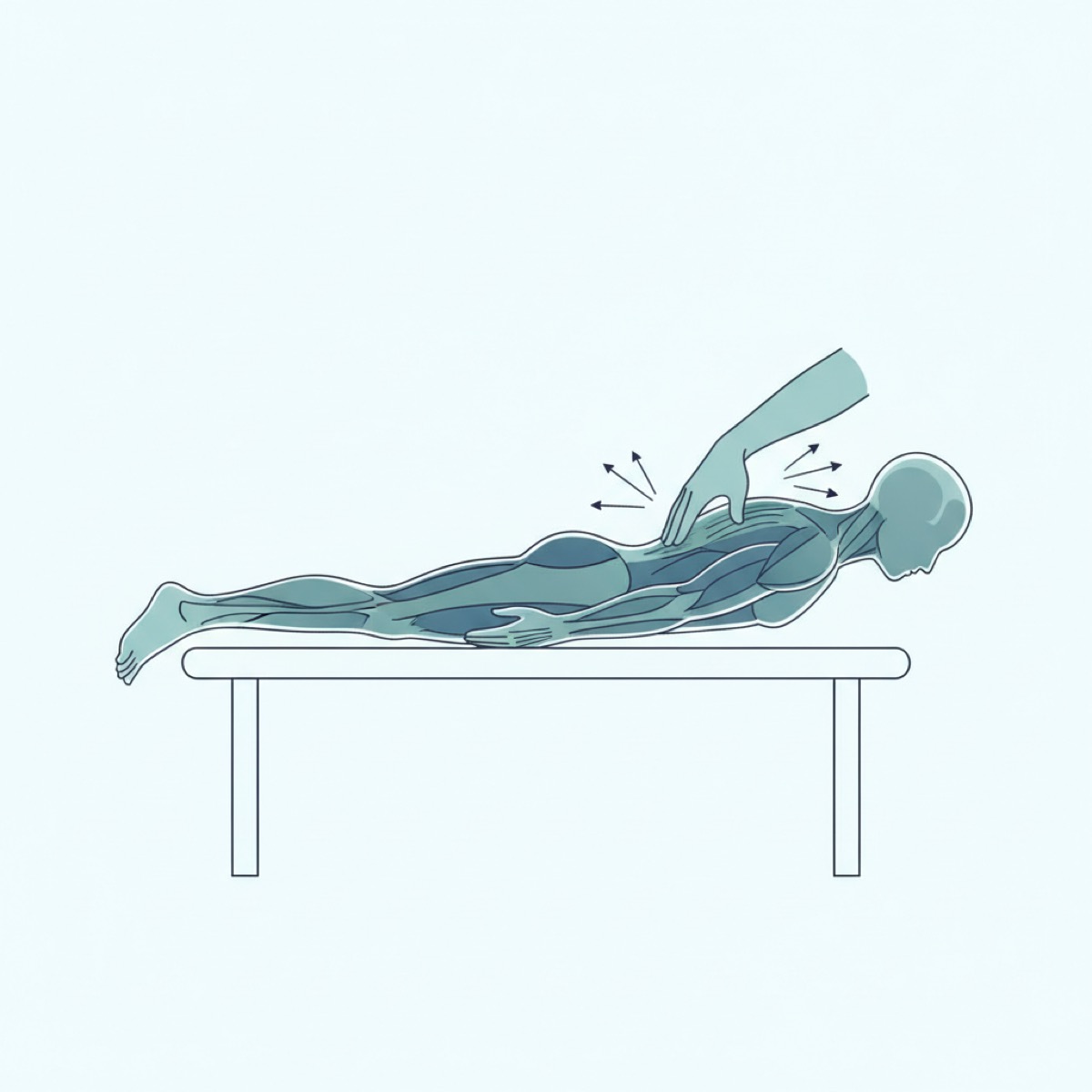
During a fascia release session, patients can expect a thorough assessment of their posture and spinal alignment. The clinician will identify areas of fascial tension and tailor the session to address these specific needs. The process is generally gentle, with minimal discomfort, focusing on relaxation and gradual release of tension.
Patients may experience immediate improvements in flexibility and a reduction in pain. However, it is important to note that multiple sessions may be required for long-lasting results. Regular fascia release can contribute to better spinal health and overall well-being by maintaining optimal fascial function.
Frequently asked questions
Is fascia release safe? — Fascia release is generally considered safe when performed by a trained professional. It is a non-invasive technique that focuses on gentle manipulation to improve tissue elasticity.
How often should I have fascia release therapy? — The frequency of sessions depends on individual needs and the severity of fascial restrictions. Some may benefit from weekly sessions, while others might require less frequent visits.
Can fascia release help with chronic pain? — While fascia release can help alleviate chronic pain related to fascial tightness, it should be part of a comprehensive treatment plan that includes other therapies and lifestyle modifications.
References
- [1]Palomeque-del-Cerro L, Arráez-Aybar LA, Rodríguez-Blanco C, et al. A systematic review of the soft-tissue connections between neck muscles and dura mater: the myodural bridge. Spine. 2017;42(1):49–54.
- [2]Woolf CJ. Central sensitization: implications for the diagnosis and treatment of pain. Pain. 2011;152(3 Suppl):S2–S15.
- [3]Tracey KJ. The inflammatory reflex. Nature. 2002;420(6917):853–859.
- [4]Mayer EA. Gut feelings: the emerging biology of gut–brain communication. Nat Rev Neurosci. 2011;12(8):453–466.
- [5]Cryan JF, Dinan TG. Mind-altering microorganisms: the impact of the gut microbiota on brain and behaviour. Nat Rev Neurosci. 2012;13(10):701–712.
- [6]Guo R, Chen LH, Xing C, Liu T. Pain regulation by gut microbiota: molecular mechanisms and therapeutic potential. Br J Anaesth. 2019;123(5):637–654.